Using the brass polishing brush as a controlled, low-aggression method of creating a clean, finished surface on metal fabrication, electronic assembly and precision engineering has been proven over and over again by operators in these areas. This makes it a critical production decision when surface integrity plays a significant role in the final product being produced.
Brass polishing brushes are not designed to replace steel wire brushes, which are typically used for more aggressive applications such as removing scale or weld spatter. The brass polishing brush operates on a much narrower force level, primarily removing oxidation, light contamination, and surface discolouration without damaging the base material underneath. The impact of this difference is not just a technical one; it has an impact on yield rates, rework costs, and appearance of the finished component.
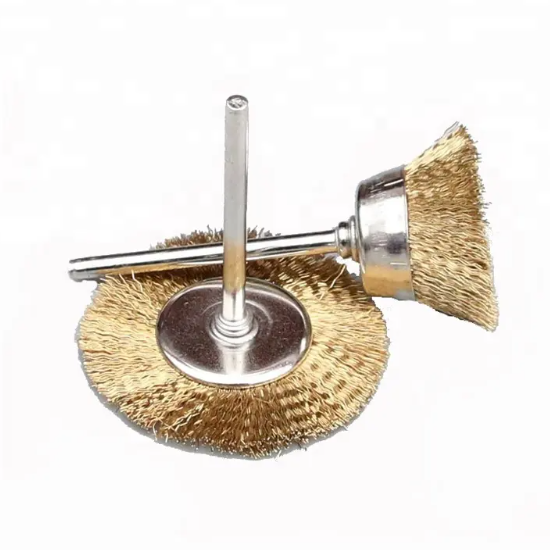
Why Brass Wire Is the Right Choice for Sensitive Metal Surfaces
Because of its relative hardness, brass wire is a good abrasive for removing oxidized surfaces and tarnish without damaging the underlying substrate. This is particularly important when cleaning copper alloys, aluminum, zinc die castings, or any other surface where excessive abrasion would either damage the finish of the part or cause the part to have unacceptable dimensional tolerances.
It’s relatively common for seasoned finishing operators to say that the first indication of mismatched bristles on a polishing brush will be detected through micro scratches appearing only under inspection lighting, which can be seen toward the end of the process and are difficult to correct. In general, if a polishing brush is specified as a brass brush at the beginning of a project involving sensitive workpieces, the risk of having issue from mismatched bristles will be eliminated.
The composition of wire is important in environments where ferrous contamination should be avoided. Since brass is composed of no iron, it does not leave any embedded particles of steel on a non-ferrous surface. Thus, ferrous contamination is a concern in the finishing of aerospace and food-grade components.
For more details on how brass performs on softer substrates, the guide on brass cup brush on soft metals includes an in-depth material-by-material analysis.
Common Applications by Industry
A brass polishing brush is used regularly for various purposes in many different industries, each requiring its own unique surface treatment:
- Metal fabrication: A pre-treatment process used prior to applying a coating or plating to a metal surface. Remove any contaminants from the surface, including oils or grease, without changing the surface profile.
- Electronics: For use in the electronic manufacturing process; brushing the passive surplus edges of printed circuit boards (PCBs) and preparing contact surfaces for assembly, must use a non-metallic, low force tool due to the sensitivity of static-electricity and the softness of the material.
- Automotive: For use in cleaning the components of carburetors, brass fittings, and die-cast alloyed castings without changing the characteristics of the component.
- Jewelry and decorative metalwork: Natural metal finishing and final brightening processes on brass, bronze and copper finishes prior to lacquering.
- Plumbing and HVAC: Cleaning of the ends of copper and brass fittings to prepare for soldering or brazing.
To meet each of these needs, a good metal polishing brush must provide equal contact with the surface while not inflicting damage through abrasive action. A completely specified metal polishing brush can accomplish all of these requirements.
Metal Brush Formats Compared: Choosing the Correct Configuration
Brass polishing brushes can be mounted in many different ways and are available in various shapes. The mounting format will dictate how the brush will be applied to the workpiece and what equipment it will work with.
| Brush Format | Mounting Style | Best Uses |
|---|---|---|
| Cup Brush | Angle grinder or drill | Flat surfaces, cleaning welds, or large area finishing |
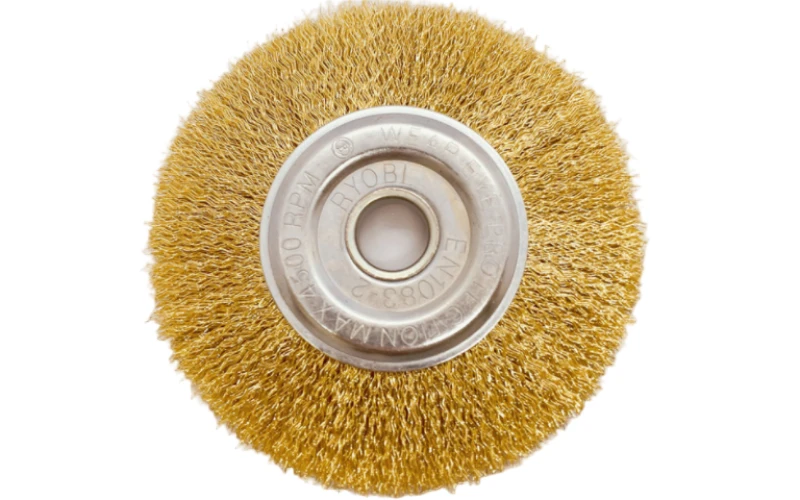
| Wheel Brush | Bench grinder / arbor | Edge deburring, contour following |
| End Brush | Drill / rotary tool | Cavities, bores, internal surfaces |
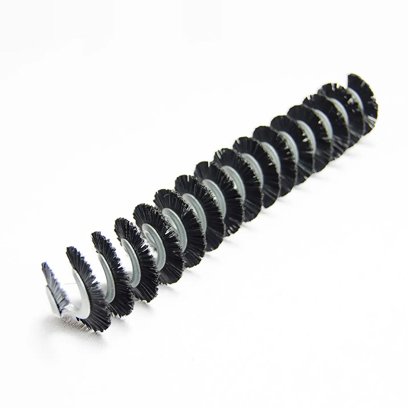
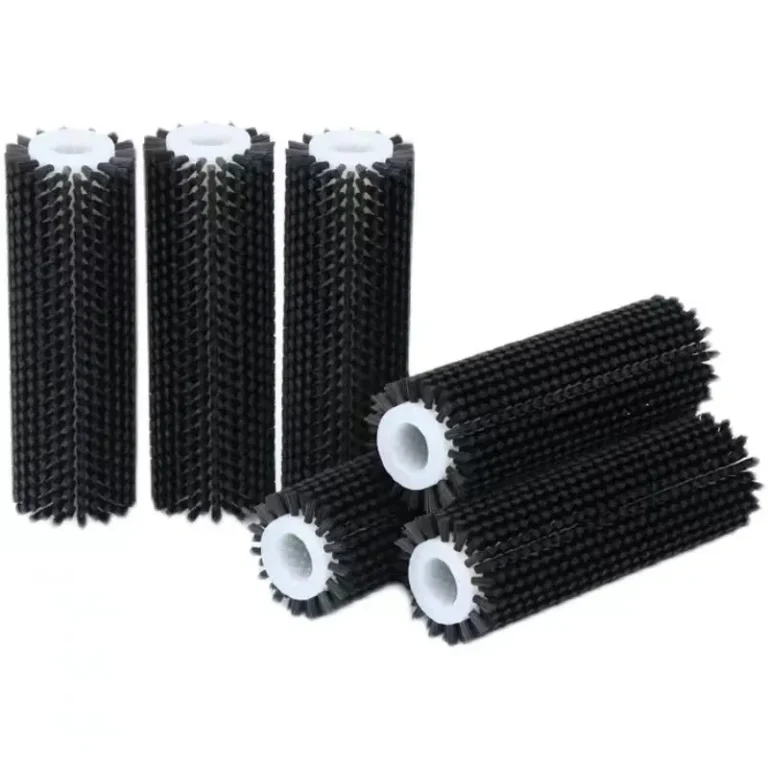
| Roller Brush | Automated line | Continuous sheet or strip processing |
When it comes to handheld power tool users, a drill polishing brush is usually the most convenient way to get started because it allows you to work with virtually any shape of workpiece without having to have any special equipment or a fixed position. The polishing brush for drill design is especially popular in environments that are primarily focused on maintenance or repair work, as well as in those that produce smaller quantities of items.
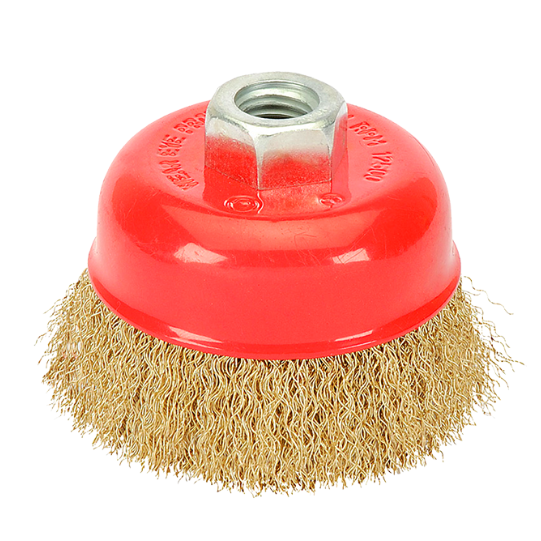
The brass cup brush is the most commonly used for flat surface prep when using an angle grinder or heavy duty drill. The flared wire design of the brush provides equal pressure on the entire surface being processed, which reduces operator fatigue and helps produce a more uniform finish.
To assist in safe implementation of this format into workflow, please see the article on how to use a brass cup brush for cleaning safely for complete detail on speed settings, PPE requirements, and workpiece mounting.
Key Specifications to Evaluate Before Ordering
Before placing an order, the following key specifications should be evaluated when selecting the appropriate brush for your application. Rushing through this phase is a very typical contributor to underperforming and short-lived solutions.
Wire Diameter
Wire gauges range from 0.10–0.15 mm for softer actions and polishing/light oxide removal to 0.20–0.30 mm for heavier wire for more serious cleaning tasks. The most common specification error is mismatching wire diameter to the hardness of the surface being cleaned.
Trim Length and Density
Trims that are longer can provide more flexibility and can reduce the overall contact force when used on odd-shaped or irregularly shaped surfaces. Higher density trim will improve coverage, but can produce more heat than a less dense trim when run at higher RPMs. Both of these should be verified against the parameters of the target machine.
RPM Rating
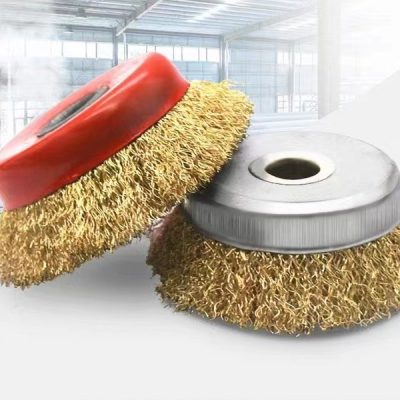
Each brush has an upper limit of safe operating speed that must not be exceeded, or there is a risk that the wires will break and the operator may sustain an injury. This is especially true when placing a polishing brush on a drill with variable speed, because it is easy for operators to accidentally exceed the maximum RPM that the brush is rated for.
For a complete overview of safe operating practices related to cup-format brushes, refer to the brass wire cup brush safe use guide before starting to use your new brush on a production line.
When to Replace a Brass Polishing Brush
The wear of a brass polishing brush happens very slowly but can be overlooked until polish quality starts to suffer. The following are indicators that a replacement should be made:
- The wire ends are noticeably rounded or splayed from their original trim profile.
- The finish quality has begun to vary on the same type of workpiece.
- Machine noise or vibration is increasing without any change in settings.
- Wire breakage is occurring more often, leaving behind small fragments embedded in the product.
In high-volume applications, operating hours are often used as a guideline for replacement rather than waiting for visible failure. The vast majority of metal wire brush manufacturers will have expected service life information available based on wire gauge, RPM, and contact pressure.
Frequently Asked Questions
Can a brass polishing brush be used on stainless steel?
Yes, but only for light oxidation removal and pre-weld surface preparation. A steel wire brush will perform better when removing heavy scale or rust.
What speed is recommended for using a brass cup brush on a drill?
Most brass cup brushes are rated for 3,000–6,000 RPM. Always verify the brush’s rated speed and match it to the drill’s output before use.
Are brass polishing brushes suitable for automated production lines?
Yes. Roller and wheel formats are widely used in automated lines. Verify wire density and trim length with the supplier based on line speed and material type.