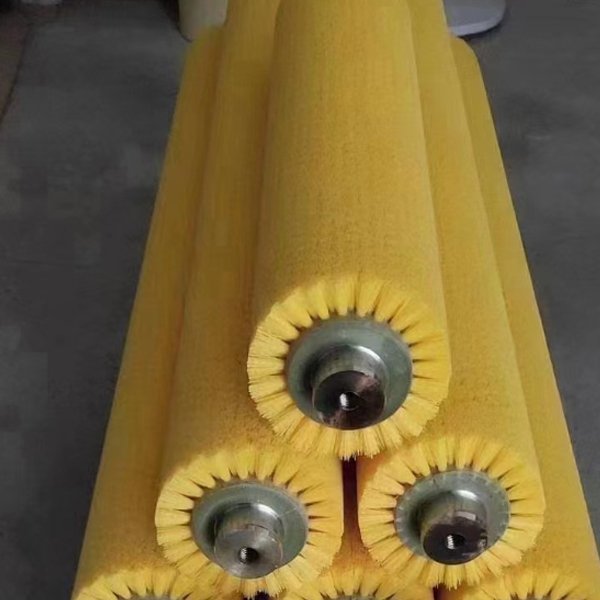
Choosing the right cylinder rotary brush can make a big difference in cleaning and finishing tasks. The right brush cylinder helps tackle tough jobs and protects surfaces. One should think about what he needs the brush to do. Matching the material and design to the task gives better results.
Key Takeaways
-
Find out what cleaning you need before you pick a cylinder rotary brush. Each job needs a different brush for the best results.
-
Pick the correct filament material for your task. Nylon works for many jobs. Steel wire is good for hard jobs. Natural fibres are soft and used for polishing.
-
Use the handy checklist to help you think about everything. Look at things like material, size, and where you will use it. This helps you clean well.
Cylinder Rotary Brush Applications
Identifying Your Cleaning or Surface Needs
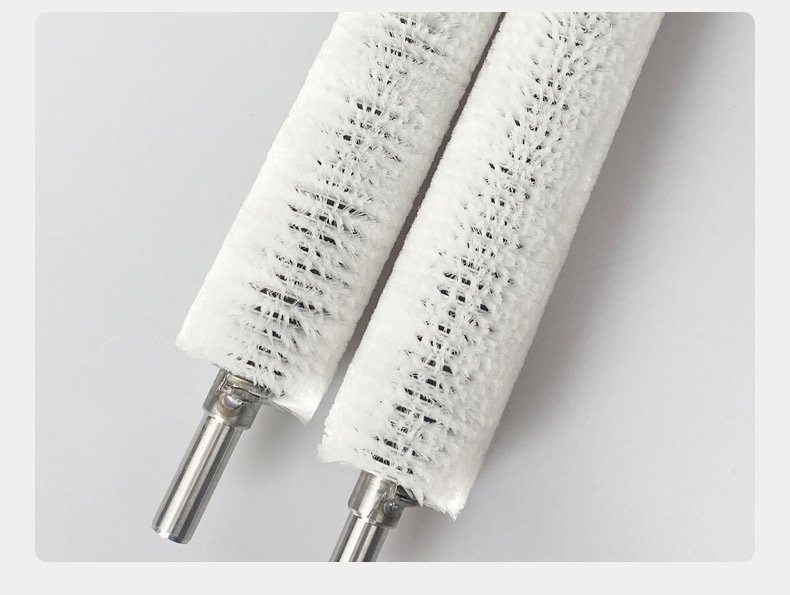
Cylinder rotary brushes are used for many cleaning jobs. One might see them clean metal, polish wood, or finish textiles. Each job needs a different kind of brush. Metal cleaning often requires strong bristles. Textile brushing uses softer filaments. In factories, cylinder brushes help prepare surfaces and remove rust. They also clean conveyor belts. These brushes help machines work well and make maintenance easier.
Tip: Always look at the dirt or debris before picking a brush. This helps you choose the best brush for the job.
Matching Brush Type to Task
Picking the right brush depends on the cleaning job. The table below shows which brushes work best for each task:
|
Filament Material |
Characteristics |
Best Applications |
Limitations |
|---|---|---|---|
|
Nylon |
Wears well, resists chemicals, comes in many stiffness levels |
General cleaning, dust removal, liquid use, gentle scrubbing |
Not good with heat, takes in moisture |
|
Polypropylene |
Resists chemicals, does not soak up water, costs less |
Food work, chemical jobs, wet cleaning |
Not as tough as nylon, not good with heat |
|
Steel Wire |
Very stiff, lasts long, good for tough jobs |
Deburring, rust removal, heavy cleaning, weld prep |
Can harm soft surfaces, can rust |
The brush you pick changes how well you clean. Cylinder brushes press down evenly. This helps get surfaces ready and keeps cleaning steady. The spinning brush cleans faster. This makes it great for looking after factory machines.
Industry-Specific Considerations
Different industries need different brushes. Some jobs need brushes that spin very fast. Others need special bristle shapes to move dirt. The table below shows these needs:
|
Industry Requirement |
Description |
|---|---|
|
High Speed Rotation |
Brushes spin fast to clean well. |
|
Unique Customisation |
Most people need brushes made just for their job. |
|
Efficient Debris Handling |
Bristle shapes help move big dirt and fine dust. |
One should always consider the job requirements and available brush options. Selecting the proper cylinder brush helps maintain machine operation and extends its service life.
Cylinder Brush Materials and Construction
Common Materials Overview
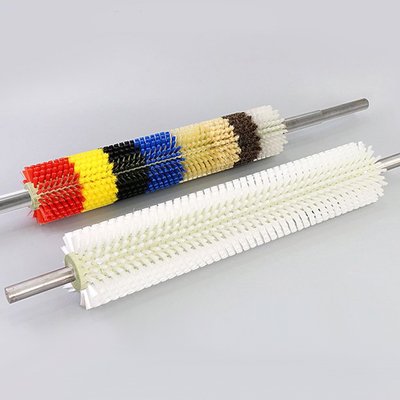
The performance of a cylinder roller brush depends on its material composition. Options include steel wire, stainless steel wire, copper-coated steel wire, synthetic bristles, nylon, PP, abrasive wire, sisal, and animal hair wire. Each filament material possesses distinct advantages and limitations. The table below illustrates the differences between these filament materials:
|
Filament Family |
Relative Stiffness/Flex |
Temperature Window |
Chemical Resistance |
Aggressiveness |
Best For |
Pros |
Considerations |
|---|---|---|---|---|---|---|---|
|
Nylon |
Medium elastic |
Up to ~120°C |
Good for water |
Cleaning/light finishing |
Conveyor dust removal, packaging, plastics |
Durable, forgiving, long life |
Softens with heat; absorbs moisture |
|
Abrasive Wire (Nylon) |
Medium-high (cuts) |
Up to ~120°C |
Similar to nylon |
Controlled deburring |
Edge radiusing, light oxide removal |
Predictable removal, smooth |
Heat softens base; grit matters |
|
PP (Polypropylene) |
Medium-low |
Up to ~90°C |
Strong vs chemicals |
Gentle |
Food processing, washdown lines |
Economical, water resistant |
Lower heat tolerance |
|
Steel Wire |
High |
Up to ~200°C |
Moderate |
Very aggressive |
Heavy deburring in dry lines |
Fastest cutting |
Rusts if wet; more maintenance |
|
Stainless Steel Wire |
High |
Up to ~250°C |
Resists corrosion |
Very aggressive |
Rust/scale removal in wet lines |
Cuts fast, wet-friendly |
Scratches delicate surfaces |
|
Copper-coated Steel Wire |
Medium |
Up to ~200°C |
Good |
Moderate |
Conductive cleaning |
Kinder to surfaces |
Faster wear; softer |
|
Sisal |
Low to medium |
Up to ~90°C |
Good in dry lines |
Gentle |
Polishing, dusting |
Smooth contact, quiet |
Lower durability |
|
Animal Hair Wire |
Low to medium |
Up to ~90°C |
Good in dry lines |
Very gentle |
Polishing, dusting sensitive coatings |
Smooth contact, quiet |
Avoid heavy wet use |
Material Properties and Suitability
A cylinder brush may be made out of several materials. Nylon has great wear properties and can flex considerably before breaking. It is available in different grades of stiffness and demonstrates excellent water resistance as well as long service life. PP cylinder brush has good chemical resistance and retains strength when wet. Steel wire, together with stainless steel wire, offers strong performance under demanding applications. Copper-coated steel wire allows cleaning without sparks and is safe for sensitive surfaces. Sisal and animal hair wire are the softer alternatives that can be used for gentle polishing.
Evaluation of temperature and chemical resistance is also pertinent to the choice of filament materials. Nylon cylinder brush would have high heat resistance before it begins to decompose and readily absorbs moisture. PP keeps good performance in wet conditions but does not sustain high temperatures. Conditions where high temperatures and humidity prevail can be with work made by steel and stainless wires. Dry, sensitive cleaning applications are best for sisal and animal hair wires.
Always test the materials of the cylinder brush in a small area first. This will prove the quality of the product and help avoid possible damages.
Brush Construction Features
How the brush is made changes how the cylinder rotary brush works. There are three main ways brushes are built:
-
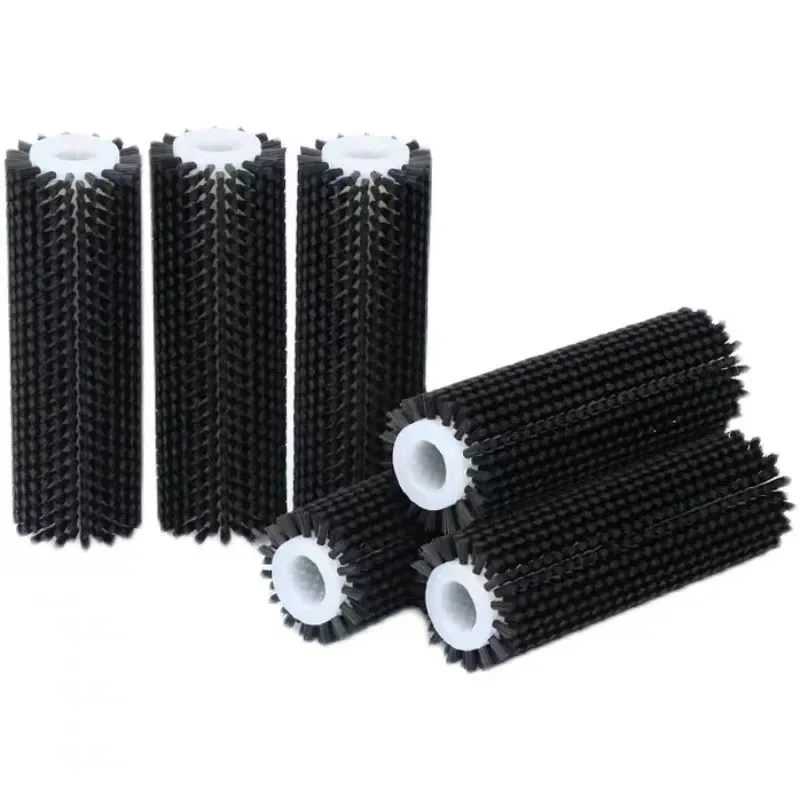
Coil/Roller Construction: Filament materials wrap around a core. This gives even coverage and keeps product quality high.
-
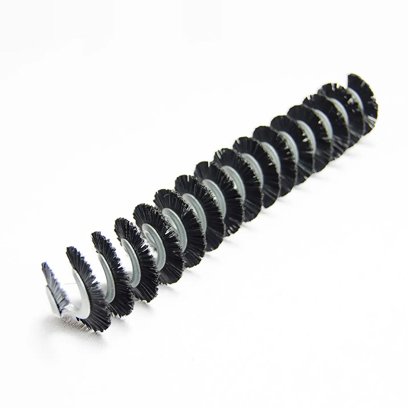
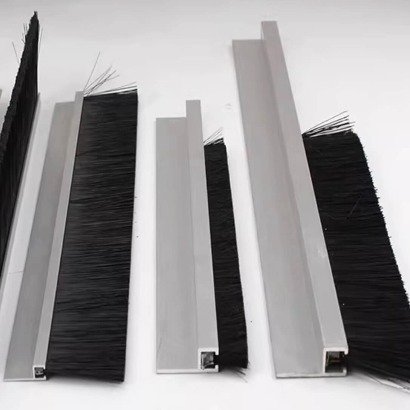
Metal Strip Construction: Filaments are set in metal strips and wrapped around the cylinder. This lets you make custom patterns and swap out parts easily.
-
Staple Set Construction: Filaments are put into drilled holes on the cylinder. This makes brushes with lots of bristles and keeps them strong.
The appropriate brush construction should be selected based on the cleaning application. Coil and roller types work well for general cleaning tasks. Metal strip construction performs best for specialized applications. Staple set construction is suitable for demanding operations and thicker brush requirements.
Cleaning and oiling the brush often keeps it working well. He should also adjust and sharpen blades to keep product quality high.
Selecting the Right Cylinder Rotary Brush
Confirm Requirements
Know in detail what the requirements of the job are that need to be performed with the help of the cylinder rotary brush. Know what type of surface it is that requires cleaning, what materials will work best for it, and any special conditions that the brush may have to withstand, be it heat, chemicals, or water. The brush size that would fit into a machine or area to be cleaned should also be known. The filament type and thickness will result in performance related to cleaning-whether it shall be a gentle cleaning or a more vigorous scrubbing action. How often you have to clean or maintain the brush should also be considered for its longevity and effectiveness.
Customisation and Sourcing
Industrial brushes take a wide range of shapes and a very significant disparity in sizes. Most want special sizing where particular machines need to fit them. The material could be nylon, metal wire, or natural fibers; the choice for what function it is supposed to perform. The thickness and length of the filaments may be selected so as to offer cleaning effects that can go from soft to thorough cleaning. Different mounting means enable adaptation to different machine types. Better cleaning effect and an easier work process will result from adjusted brushes. In industrial environments, customized production of brushes for the particular task will pay off.
Practical Selection Checklist
Use this checklist to pick the best cylinder brush:
-
What needs cleaning?
-
Which materials work best? Nylon, metal, or natural fibres?
-
Does the machine need a special brush size?
-
Will the brush face heat, chemicals, or water?
-
What filament type and thickness are best?
-
How often is the brush cleaned or fixed?
-
Does the brush need special features for factory work?
Choose the rotary roller brush material, construction, and application requirements properly to increase the service life of the brush and attain the best cleaning effect. It is advised to select under real working conditions, consulting professionals in the field; sometimes custom brushes are indispensable. Only proper selection together with regular maintenance will keep it working at maximum productivity.