
marshal brushes
Surface Cleaning Brush
Introduction of Surface Cleaning Brush Surface c…
Customize brushesFeatured Products
About Surface Cleaning Brush
Introduction of Surface Cleaning Brush
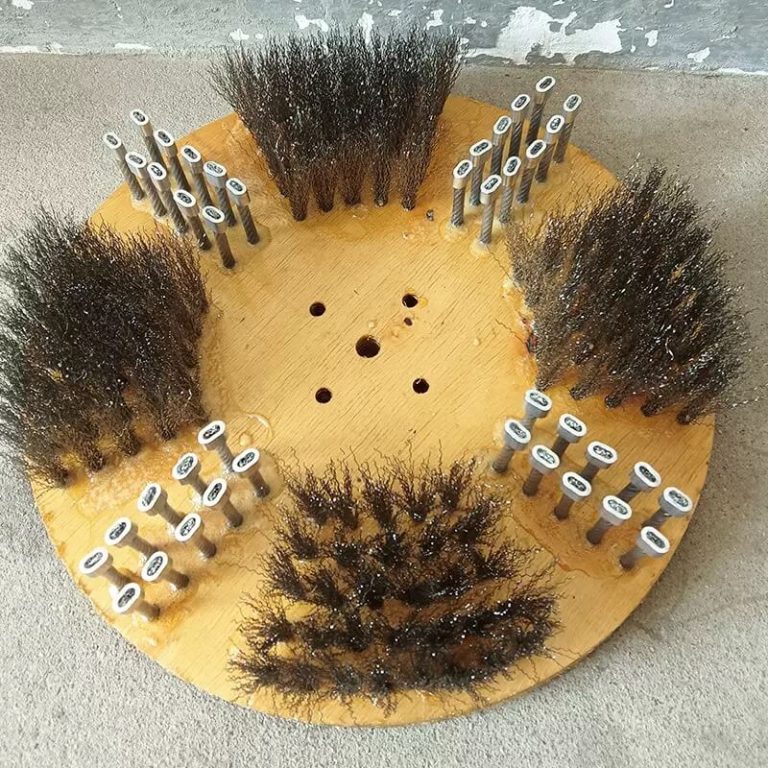
Surface cleaning brushes are essential tools to remove dirt, grime, rust, and contaminants from various surfaces. They are widely used in industrial, commercial, and household applications to maintain cleanliness, improve aesthetics, and ensure material longevity. Depending on the surface type, different brush materials and designs are required for optimal performance without causing damage.
Types of Surface Cleaning Brush
1. Metal Surface Brushes
Purpose: Used for cleaning, polishing, deburring, and rust removal on metals like steel, aluminum, and copper.
Bristle Materials:
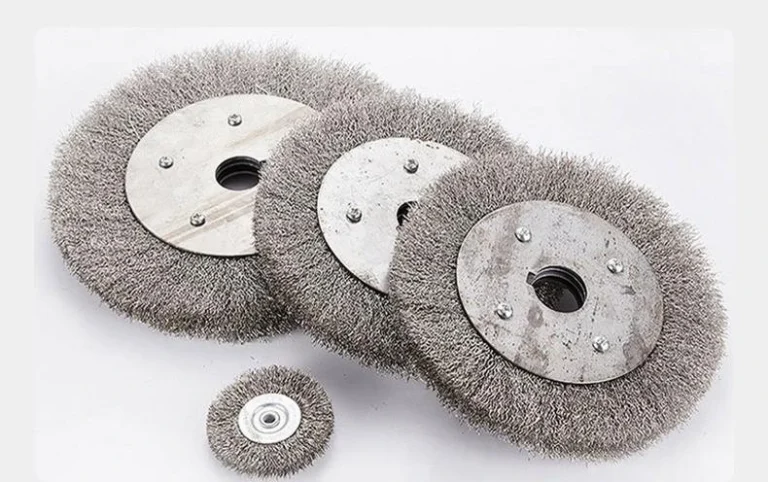
Stainless Steel Wire: Durable and rust-resistant, ideal for heavy-duty cleaning.
Brass Wire: Softer than steel, prevents scratching on delicate metals.
Nylon/Polypropylene: Non-abrasive, suitable for painted or coated metals.
Common Designs:
Cup Brushes (for angle grinders) – Efficient for large surface cleaning.
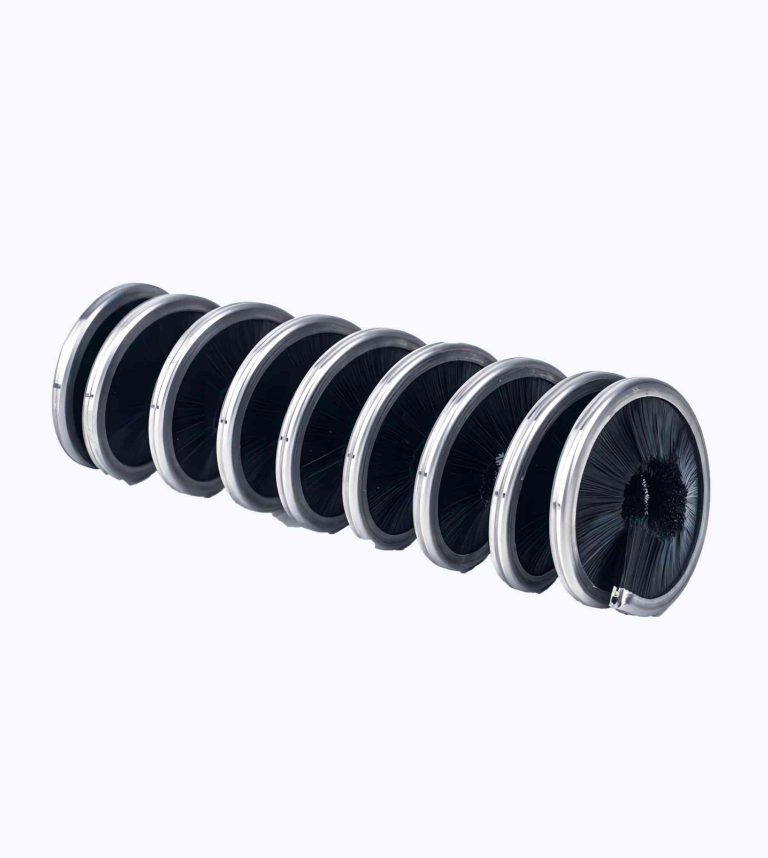
Wheel Brushes – Used in automated cleaning systems.
Applications:
Removing weld slag, rust, and oxidation.
Polishing automotive parts and machinery.
Preparing metal surfaces for painting or coating.
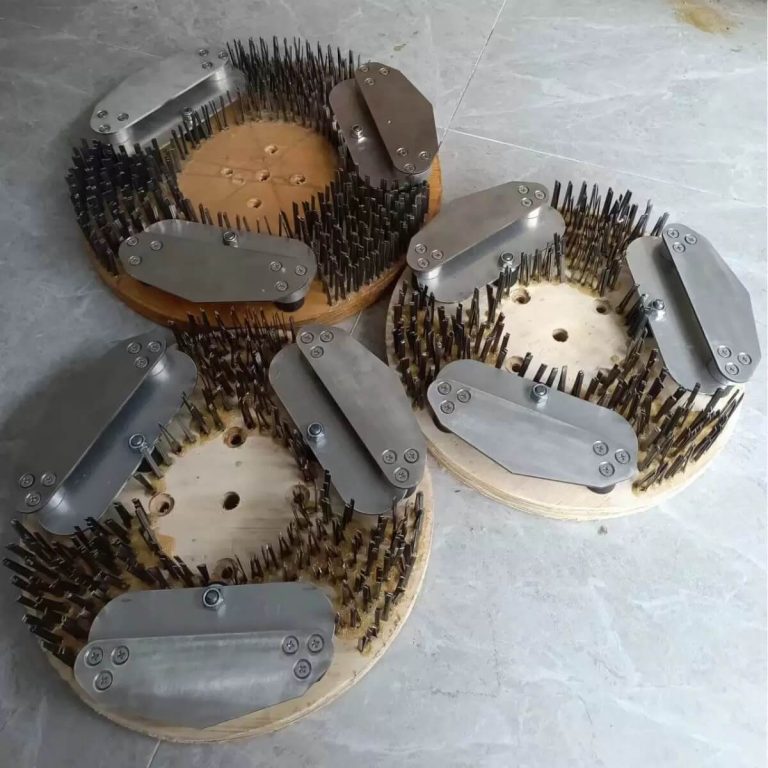
2. Stone Surface Brushes
Purpose: Designed for cleaning, restoring, and texturing natural stone, concrete, and tiles.
Bristle Materials:
Diamond-Embedded Brushes: For aggressive grinding and polishing.
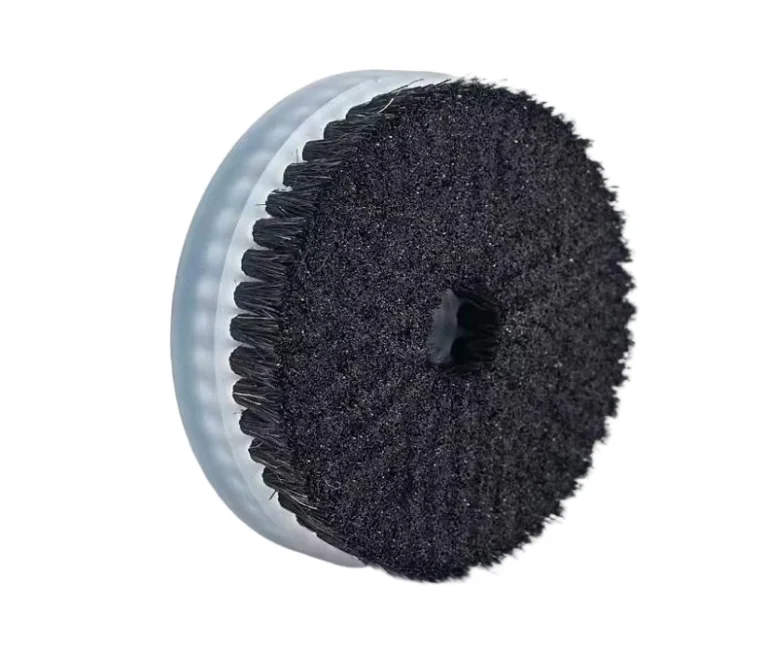
Nylon/Tampico Fibers: Gentle on sensitive stone like marble.
Steel Wire (for tough stains): Used carefully to avoid scratches.
Common Designs:
Rotary Floor Brushes – For large stone floors.
Handheld Scrub Brushes – For grout and tile cleaning.
Texturing Brushes – Create anti-slip surfaces on stone.
Applications:
Removing dirt and stains from stone.
Restoring old or worn-out stone surfaces.
Cleaning grout lines in tiled floors.
FAQ
Q1: What type of brush is best for removing rust from metal?
A stainless steel wire brush is most effective for heavy rust, while a brass brush is better for delicate surfaces to avoid scratching.
Q2: How do I clean and maintain my surface brush?
Rinse with water and mild detergent.
For metal brushes, apply a rust inhibitor if storing in humid conditions.
Store in a dry place to prevent bristle damage.
Q3: . Are there brushes for automated cleaning systems?
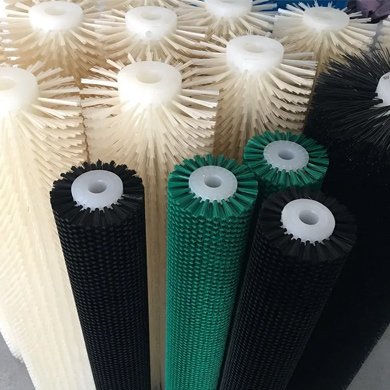
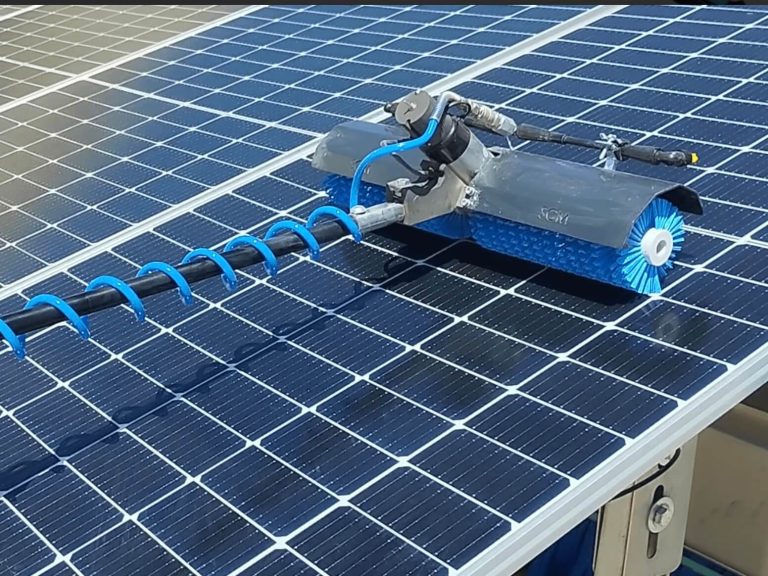
Yes, cup brushes, wheel brushes, and rotary brushes can be attached to power tools or robotic cleaners.
Q4: How often should I replace my cleaning brush?
Replace when bristles are worn, bent, or broken—typically after 50-100 hours of heavy use.
CUSTOM SOLUTIONS
Request a Quote
Tell us about the brush size, material and application you need.