
Featured Products
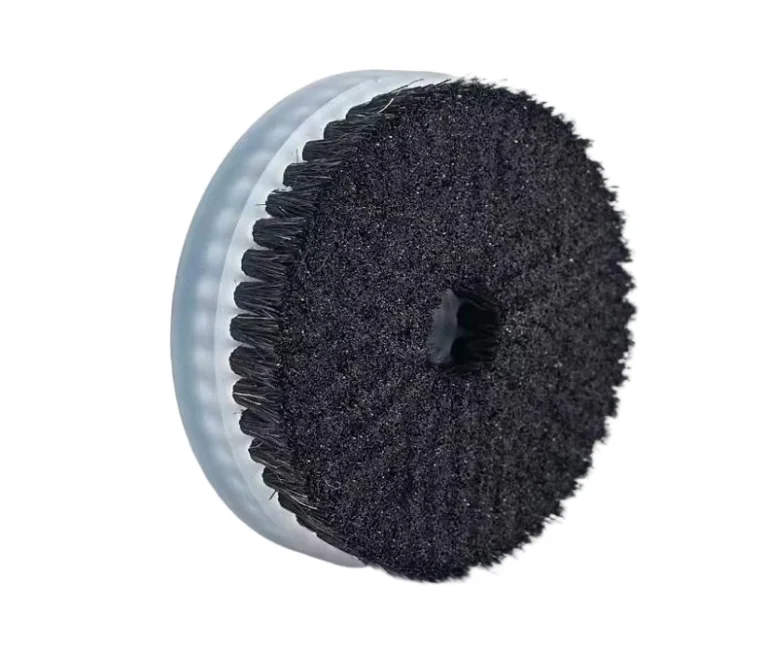
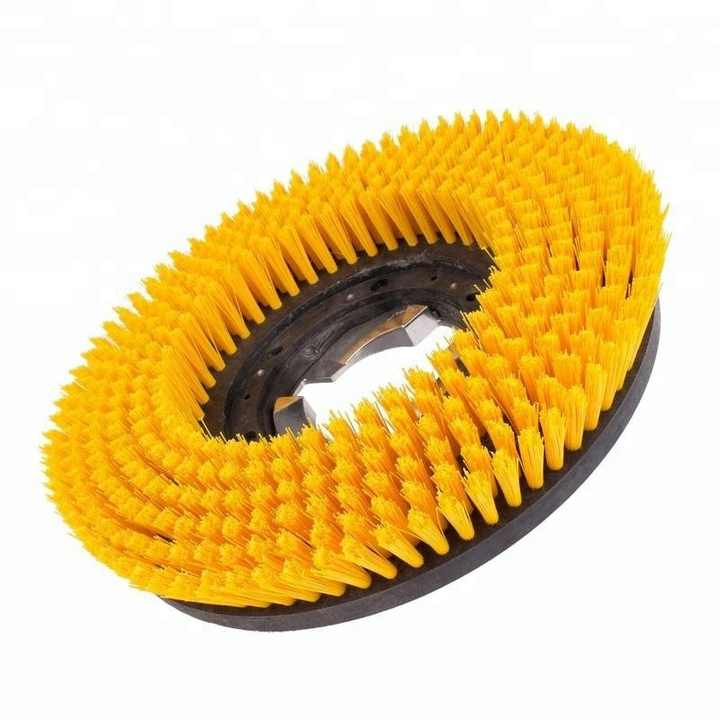
About Disk Brush
Introduction
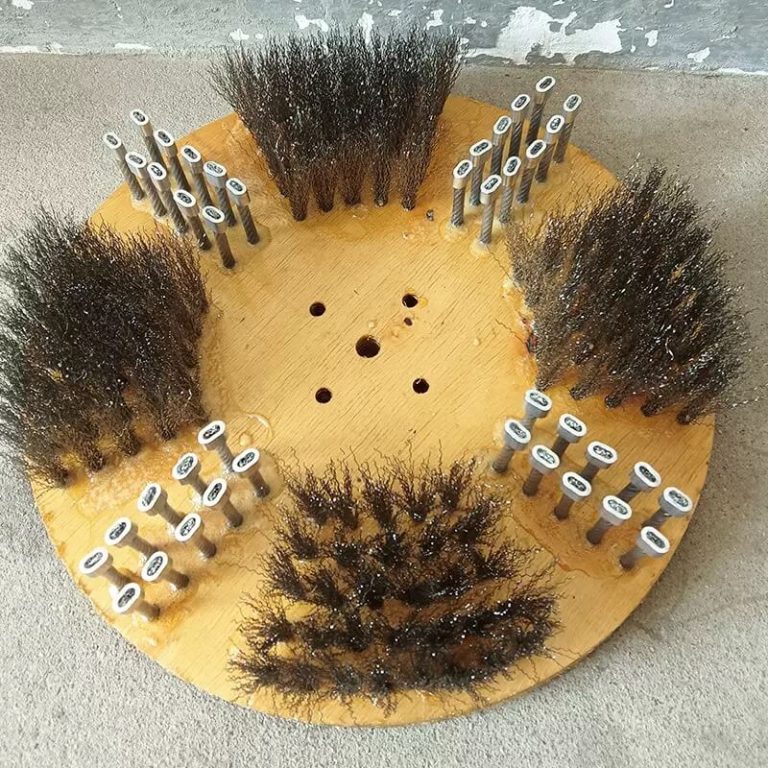
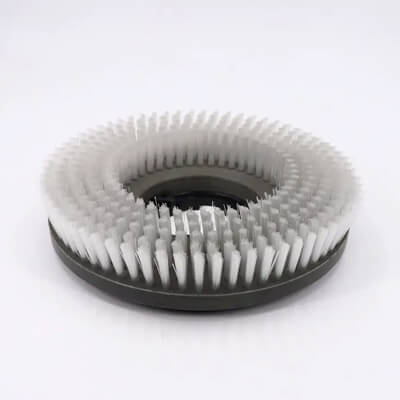
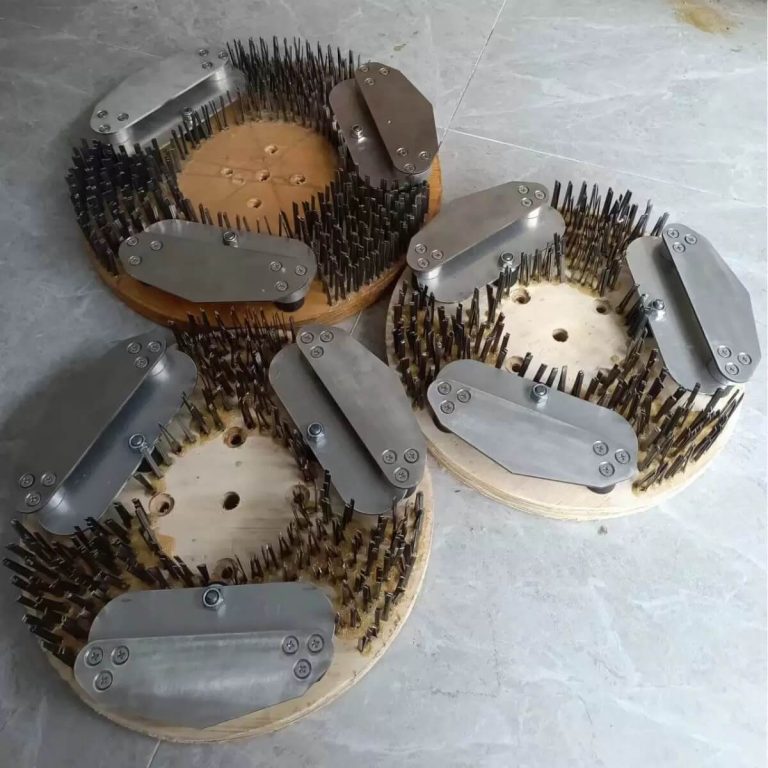
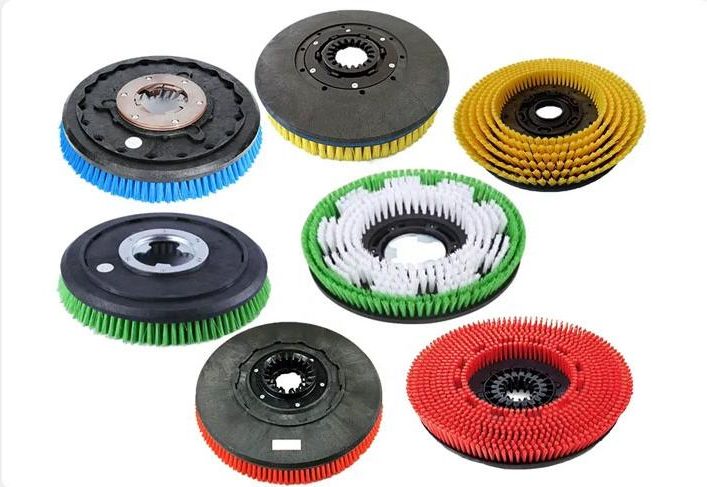
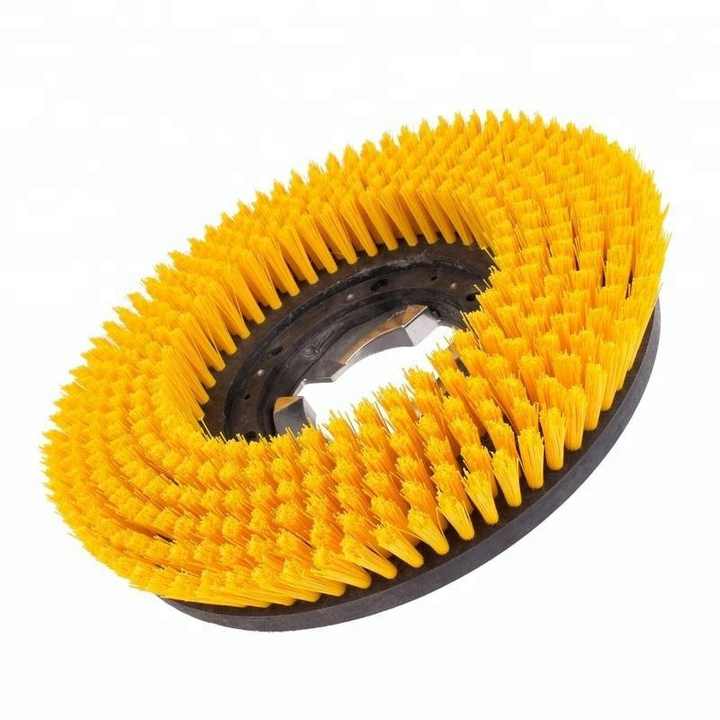
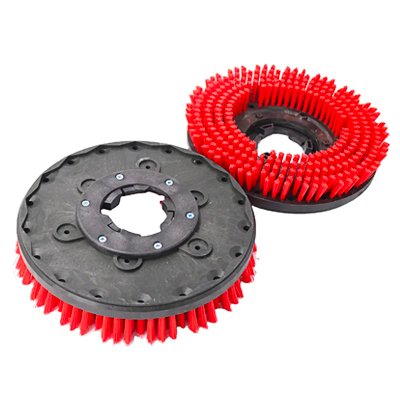
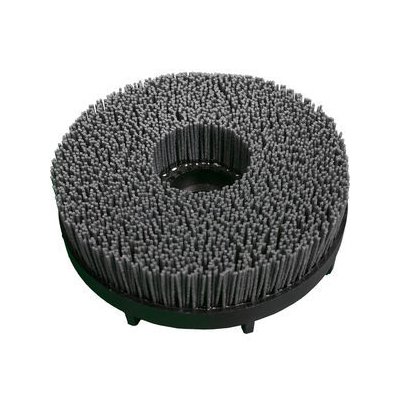
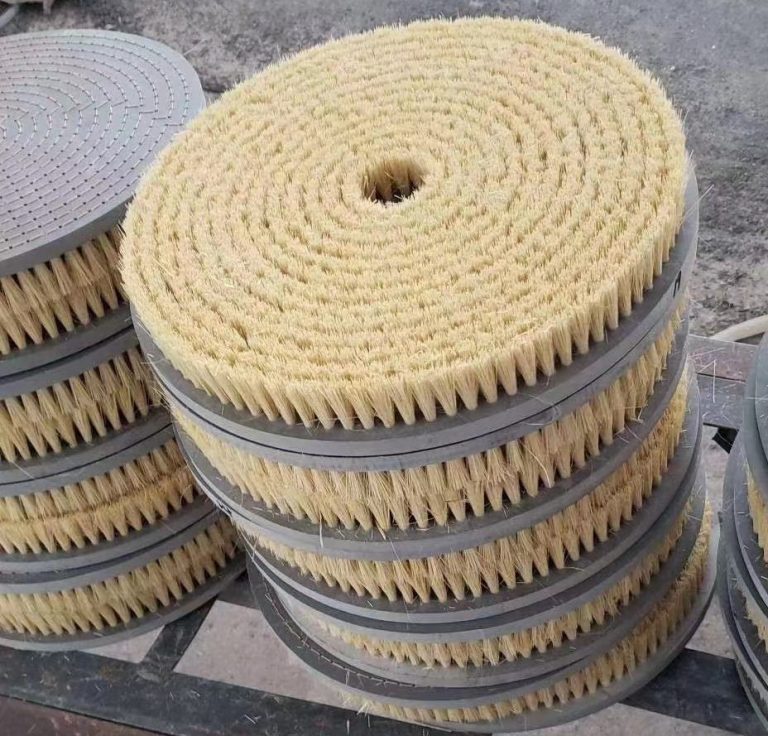
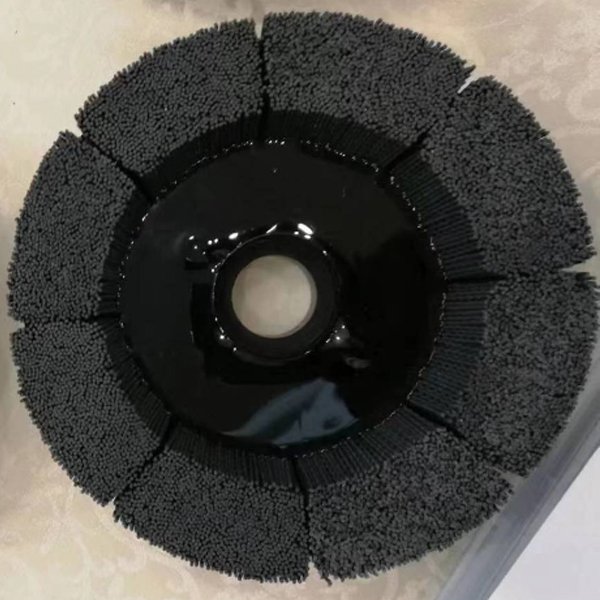
Industrial disk brushes are essential rotary cleaning tools designed for high-efficiency surface treatment in manufacturing and processing applications. Featuring a durable circular design with high-density bristles, these brushes excel in cleaning, deburring, polishing, and finishing operations. Their robust construction with various wire materials (nylon, polypropylene, steel) mounted on plastic, wood or metal discs makes them indispensable in automated production environments.
Key Advantages
1. Superior Cleaning Performance
High-Speed Operation: Rotating design enables rapid removal of surface contaminants like rust, oxides and residues
Customizable Bristle Density: Variable bristle configurations ensure optimal cleaning for different surface types
2. Exceptional Durability & Adaptability
Wear-Resistant Materials: Industrial-grade bristles (steel, nylon) withstand demanding operational conditions
Multi-Material Compatibility: Available in metal, plastic and wood bases for different torque requirements
3. Cost-Effective Maintenance
Quick Replacement System: Modular design allows easy brush head changes with minimal downtime
Self-Cleaning Action: Centrifugal force automatically clears accumulated debris during rotation
Applications
1. Metal Surface Treatment
Deburring Metal Parts: Removes sharp edges from machined components
Stainless Steel Finishing: Creates uniform satin/silk finishes on metal surfaces
2. Manufacturing & Processing
Textile Manufacturing: Cleans and aligns fibers in spinning operations
Sheet Metal Preparation: Removes mill scale from galvanized/rolled metal sheets
3. Floor & Surface Cleaning
Industrial Floor Scrubbing: Aggressive cleaning of concrete and epoxy floors
Conveyor Belt Cleaning: Maintains hygiene in food processing lines
4. Automotive Applications
Vehicle Polishing: Buffs paint surfaces without scratching
Tire Cleaning: Removes embedded debris from tire treads
FAQ
Q1: What's the difference between radial and crimped wire disk brushes?
A: Radial brushes have straight wires perpendicular to the disk for penetrating cleaning, while crimped wires provide gentler contact for polishing.
Q2: How do I determine the appropriate brush speed for my application?
A: Optimal RPM depends on wire material and application - nylon brushes typically operate at 500-1,200 RPM while steel brushes range from 1,500-3,500 RPM.
Q3: Can disk brushes be used for dry and wet applications?
A: Yes, most disk brushes work in both environments. Polypropylene brushes are ideal for wet conditions while metal wires suit dry applications like spark-free environments.
CUSTOM SOLUTIONS
Request a Quote
Tell us about the brush size, material and application you need.