
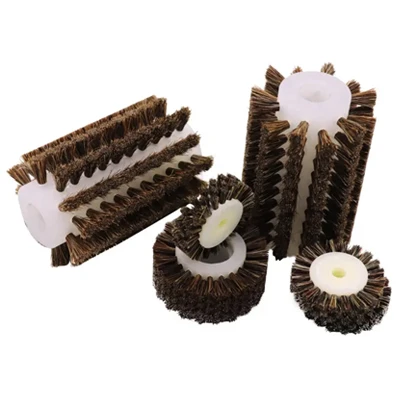
Featured Products
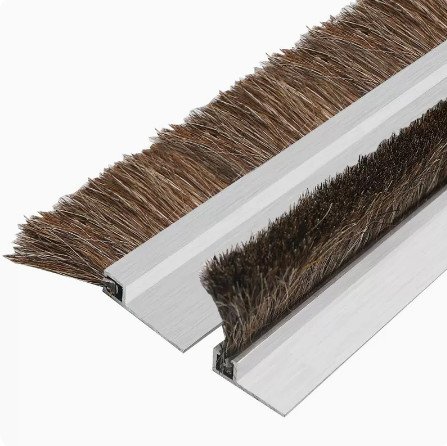
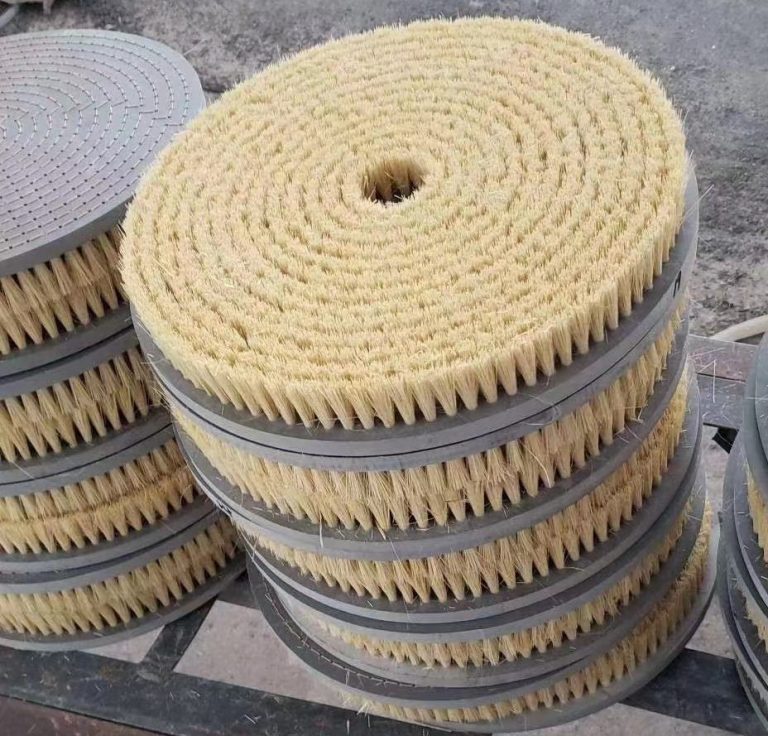
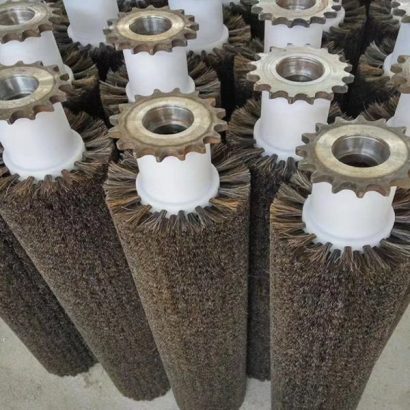
About Animal Hair Brush
Introduction
Animal hair brushes utilize natural bristles from horse, pig, and sheep, offering unmatched flexibility, absorbency, and durability for industrial and artisanal applications. Their unique textures and resilience make them ideal for tasks ranging from precision cleaning to heavy-duty scrubbing, combining eco-friendliness with high performance.
Key Advantages of Animal Hair Brushes
1. Superior Surface Adaptability
Gentle yet Effective: Soft horsehair and wool prevent scratches on delicate surfaces (e.g., glass, polished metal).
Conforms to Contours: Natural bristles flex to clean irregular shapes (e.g., machinery grooves, carved wood).
2. Exceptional Durability & Resistance
Heat Tolerance: Pig bristles withstand high temperatures (up to 150°C), ideal for paint drying or hot-surface cleaning.
Moisture Absorption: Wool’s natural absorbency reduces streaking in liquid-based tasks (e.g., staining, varnishing).
3. Eco-Friendly & Versatile
Biodegradable: Unlike synthetic fibers, animal hair decomposes without environmental harm.
Multi-Purpose: From industrial deburring to artistic painting, one brush suits diverse tasks.
Common Applications
1. Precision Cleaning & Polishing
Electronics & Optics: Horsehair removes dust without static from circuit boards or lenses.
Jewelry & Metals: Boar bristles polish intricate designs without abrasion.
2. Industrial Coating & Painting
Paint Application: Pig bristles hold and spread coatings evenly (e.g., furniture, automotive primers).
Stain Blending: Wool brushes absorb excess liquid for streak-free wood staining.
3. Food & Beverage Equipment Maintenance
Bakery Mold Cleaning: Natural bristles scrub without toxic residue.
Brewery Tank Scrubbing: Boar bristles tackle stubborn residues in high-moisture environments.
4. Restoration & Craftsmanship
Antique Wood Care: Horsehair lifts dirt from grains without damaging patina.
Pottery Glazing: Wool brushes smoothly distribute ceramic glazes.
FAQ
Q1: How do animal hair brushes compare to synthetic ones?
Natural Advantages:
Softer on delicate surfaces (vs. stiff nylon).
Better liquid control (e.g., paint/glue absorption).
⚠ Limitations: Less chemical-resistant than synthetics; avoid strong solvents.
Q2: How to prolong animal hair brush life?
Clean after use: Rinse with mild soap (wool/horsehair) or solvent (pig bristles).
Store dry: Hang vertically to prevent bristle deformation.
Q3: Are animal hair brushes hygienic for food industry use?
Yes, with care:
Boar bristle resists bacterial growth; clean with food-safe sanitizers.
Avoid prolonged moisture to prevent mold (e.g., dry thoroughly after brewery use).
CUSTOM SOLUTIONS
Request a Quote
Tell us about the brush size, material and application you need.