After capsule filling, even the most advanced encapsulation equipment leaves behind drug powder, fine debris, and static charge on capsule surfaces. Whether the shells are made of gelatin, HPMC, or other film-forming materials, residual dust trapped in the seam between the cap and body makes finished capsules look dull and unprofessional. Worse, loose powder can migrate into blister packaging machines and bottling lines, blocking sensors, accelerating mechanical wear, and triggering downtime. For pharmaceutical and nutraceutical manufacturers, surface cleanliness is not a cosmetic detail; it is a quality requirement that directly affects brand image, equipment reliability, and regulatory inspection outcomes.
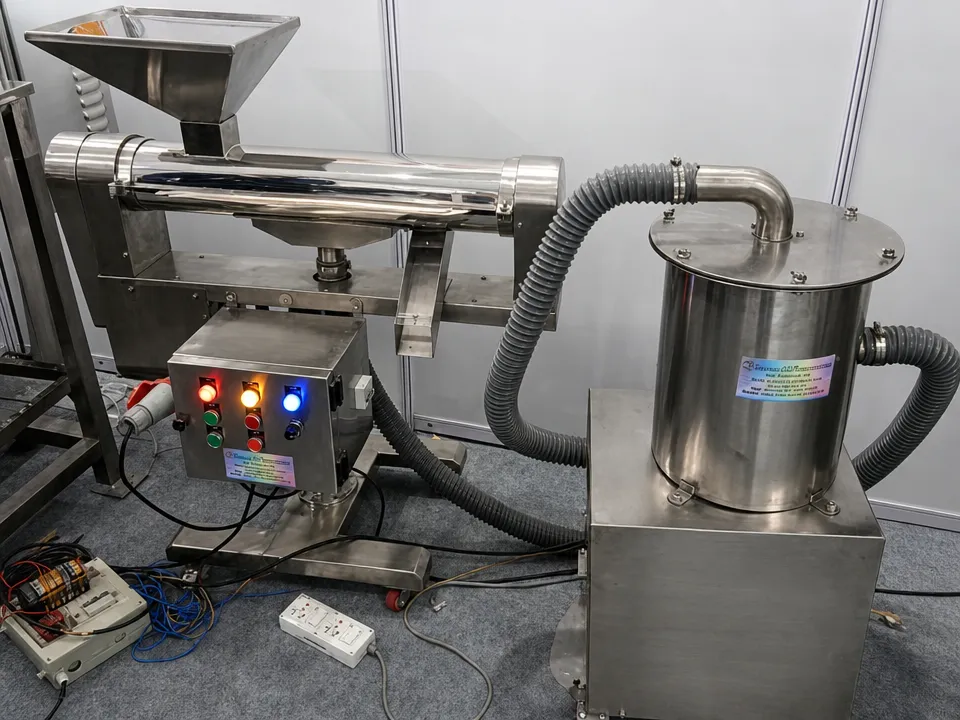
Capsule polishing brushes improve capsule surface quality by using soft rotating nylon filaments to gently wipe powder residue, dust, and static charge off filled capsules while a vacuum system extracts the loosened particles in real time, leaving a smooth, clean, and glossy shell surface that meets pharmaceutical hygiene standards and protects downstream packaging equipment.
The following sections explain why surface quality matters after filling, how these brushes actually work, which material and design factors determine polishing performance, and how to select and maintain brushes for consistent results.
Why Capsule Surface Quality Matters After Filling
Capsule surface quality matters because residual powder and static-attracted dust compromise product appearance, contaminate packaging lines, and put GMP compliance at risk, all of which increase rejection rates and production costs.
During high-speed filling, powder spills, capsule fragments, and electrostatic charge are unavoidable. Hard capsules moving through metal chutes and hoppers accumulate static electricity, which actively attracts airborne dust to the shell surface. If capsules enter packaging without polishing, the consequences appear quickly:
- Blocked optical sensors and counting failures on blister and bottling lines
- Powder transfer onto printing and inspection equipment
- Higher scrap rates and frequent line stoppages
- Failed visual inspections and non-conformance findings during GMP audits, which follow the good manufacturing practices defined by the World Health Organization
A single polishing step between filling and packaging eliminates most of these risks at a fraction of the cost of downstream failures. This is why a capsule finishing stage is treated as standard practice in modern production lines rather than an optional upgrade.
How Capsule Polishing Brushes Work
Inside a capsule polishing machine, the rotating brush drives capsules into a spiral motion along the polishing tube wall, so every point on the shell surface receives repeated gentle friction that wipes off residue, while a synchronized vacuum flow carries the loosened powder away before it can settle back.
The process follows a clear sequence:
- Feeding: Filled capsules enter the polishing chamber through a hopper at a controlled rate.
- Spiral brushing: The rotating brush filaments propel capsules forward along a helical path, rolling each shell so the entire surface, including the cap-body seam, contacts the bristles.
- Vacuum extraction: Powder and fine fragments brushed off the shells pass through small openings in the chamber wall and are drawn into a dust collector.
- Sorting and discharge: Negative pressure lifts away empty capsules and light rejects, while clean, polished capsules continue to the outlet for inspection and packaging.
The key to the process is gentleness. Filaments are soft enough that they polish without scratching the shell or abrading printed ink, yet firm and dense enough to dislodge powder embedded in seams and surface irregularities.

Brush Materials and Design Factors That Affect Polishing Results
The filament material, brush structure, and bristle density jointly determine how thoroughly a brush cleans, how gently it treats the shell, and how long it lasts in continuous production.
Filament Material
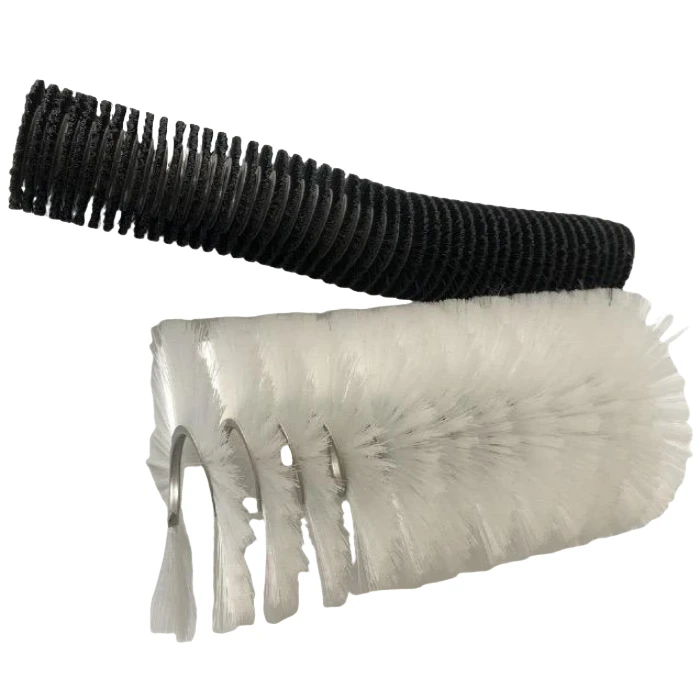
Nylon is the industry standard for capsule polishing brushes because it combines flexibility with wear resistance. The two most common grades behave differently:
| Filament Material | Characteristics | Best Suited For |
| Nylon PA6 | Flexible, cost-effective, stable polishing performance | General-purpose polishing of standard capsules |
| Nylon PA612 | Higher wear resistance, lower moisture absorption | Continuous high-volume lines and abrasive powder formulations |
Both grades clean without depositing contaminants, which is essential for pharmaceutical contact surfaces. Filament diameter typically ranges from 0.15 to 0.50 mm: finer filaments polish more gently and protect printed marks, while coarser filaments deliver stronger cleaning action for heavy powder residue.
Brush Structure and Density
Brush geometry must match the machine type:
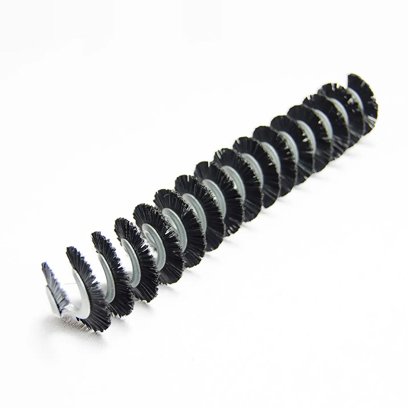
- Spiral wound brushes wrap filament continuously around the core in a helical pattern, producing a uniform brushing surface and smooth rotation in horizontal polishing machines.
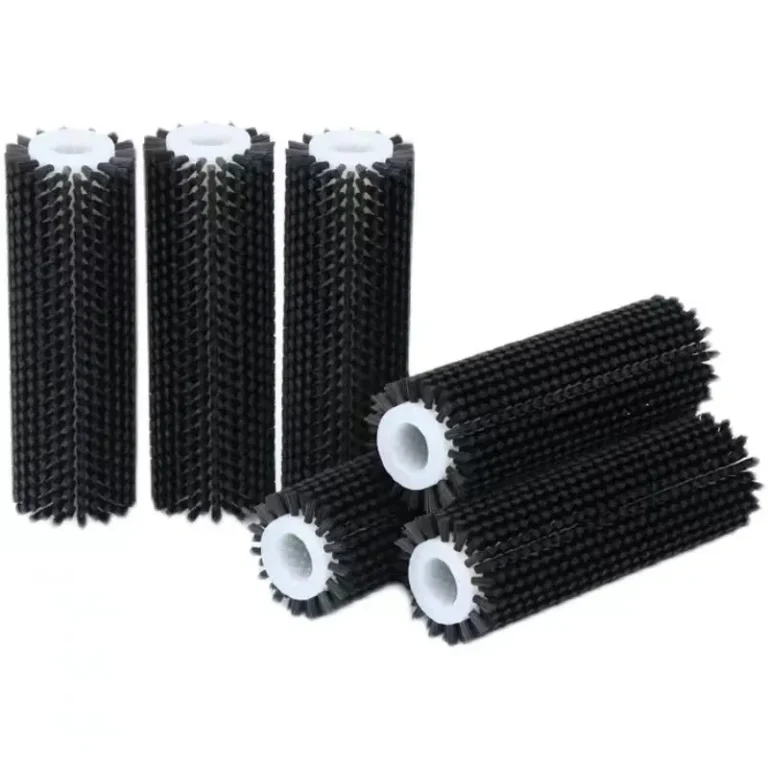
- Tufted cylinder brushes implant nylon filaments densely into the brush body, creating complete surface coverage for the spindle-mounted systems used in vertical polishers.
Bristle density controls contact pressure. Dense tufting maintains stable, uniform pressure across every capsule, which is what keeps polishing results consistent hour after hour. Sparse bristles clean unevenly and force operators to slow the line to compensate.
Key Benefits for Surface Quality and Production
Compared with manual wiping or skipping the finishing step entirely, brush-based polishing delivers a measurably cleaner shell, protects printed identification, and stabilizes downstream packaging performance.
The practical benefits concentrate in four areas:
- Clean, glossy appearance. Capsules emerge free of powder film and fingerprint smudges, giving the finished product a professional finish that supports brand credibility.
- Protection of printed ink. Because controlled soft contact replaces harsh tumbling, logos and dosage markings stay intact instead of being worn away.
- Static and dust control. Brushing combined with vacuum airflow neutralizes the static electricity that would otherwise re-attract dust to freshly cleaned shells.
- Equipment protection. Dust-free capsules keep optical counters, metal detectors, and blister machines running longer between faults, reducing unplanned downtime.
Manual polishing cannot achieve any of this at production scale. Machine parameters such as brush speed and vacuum flow can be fixed, recorded, and validated, which is exactly what quality systems and auditors expect.
Choosing and Maintaining Capsule Polishing Brushes
Selecting the right brush means matching filament grade, diameter, length, and density to your capsule sizes, powder characteristics, and machine configuration, then replacing the brush on a wear-based schedule before cleaning quality degrades.
When specifying a brush, confirm the following parameters:
| Parameter | Typical Range | Selection Consideration |
| Filament diameter | 0.15 to 0.50 mm | Finer for printed or delicate shells, coarser for heavy residue |
| Filament material | PA6 or PA612 | PA612 for continuous or abrasive duty |
| Brush length | 300 to 1000 mm | Must match the polishing chamber of the machine |
| Brush outer diameter | 50 to 120 mm | Match spindle specification and capsule size |
| Bristle density | Low, medium, or high | Higher density for uniform contact pressure |
Maintenance is equally important. Brushes should be disassembled and cleaned without dead angles to satisfy hygiene requirements, inspected regularly for filament wear and bending, and replaced as soon as polishing quality visibly declines. A worn brush does not fail suddenly; it gradually leaves more residue on seams, which is why scheduled checks matter more than reactive replacement.
FAQs
How long do capsule polishing brushes last?
Service life depends on production volume and how abrasive the filled powder is. With regular cleaning and inspection, quality nylon wire brushes typically run for several months of continuous operation before filament wear reduces cleaning performance enough to justify replacement.
Can polishing brushes damage printed capsules?
No, provided the brush is correctly specified. Fine soft nylon filaments exert controlled contact pressure that removes powder without abrading ink. Problems only occur when brushes are worn, contaminated with hardened powder, or built with filaments too stiff for the application.
Do capsule polishing brushes fit all capsule sizes?
Standard brushes handle all conventional capsule sizes, from size 000 down to size 5, without change parts. What must be confirmed is the brush specification for the machine itself, including length, outer diameter, and mounting type, so the brush matches the polishing chamber rather than the capsule format.