A brass cup brush makes cleaning simple and safe. Choose the right brass cup brush for delicate surfaces. Use proper tools and wear safety gear every time. The brass cup brush removes rust and paint without damage. Pick a brass wire brush instead of a steel brush for grinder when cleaning needs a gentle touch. The brass cup brush helps everyone clean with confidence.
Key Takeaways
-
Pick the correct brass cup brush for your material. Use softer brushes on gentle surfaces like aluminum and jewelry.
-
Always put on safety gear when you use a brass cup brush. Keep your eyes, hands, and skin safe to avoid getting hurt.
-
Take care of your brass cup brushes by checking them before you use them. Change any broken brushes to keep cleaning safe and working well.
Brass Cup Brush Basics
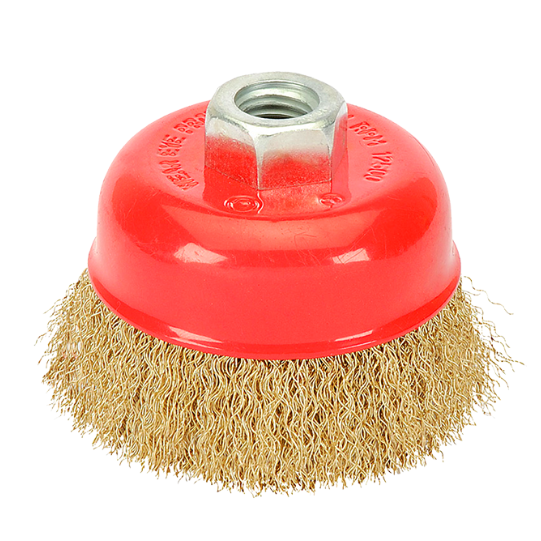
What Is a Brass Cup Brush
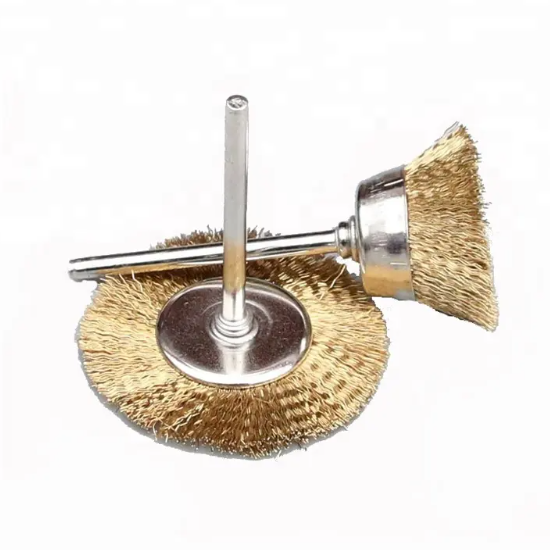
A brass cup brush is a round brush with brass or copper filaments set in a cup-shaped base. These brushes work well for cleaning and finishing surfaces without scratching. Brass and copper filaments feel softer than steel, so they do not damage delicate materials. Brass cup brushes do not create sparks, making them safe for use in hazardous environments. The Brass Wire Brush series stands out for its precision cleaning and surface finishing. These brushes come in many shapes, including pen-shaped end brushes for tight spots and spiral pipe brushes for cleaning inside tubes. They all help remove dirt, rust, and paint while protecting the surface underneath.
Tip: Brass cup brushes are perfect for jobs that need a gentle touch. They clean without leaving scratches or marks on softer metals.
Best Uses and Materials
Brass cup brushes work best on soft metals and delicate surfaces. Use them on aluminum, copper, and brass parts. Choose them for cleaning jewelry, car parts, and electrical contacts. They also help with removing light rust, paint, and dirt from surfaces that cannot handle harsh tools.
-
Crimped wire brushes handle light to medium cleaning jobs and work well on uneven surfaces.
-
Twist knot wire brushes tackle tougher tasks and remove heavy rust or grime.
-
Pen-shaped end brushes reach into small spaces and clean intricate molds.
-
Spiral pipe brushes clean the inside of pipes and tubes.
Brass cup brushes give everyone a safe and effective way to clean without damaging the material or creating sparks.
Preparing for Safe Use
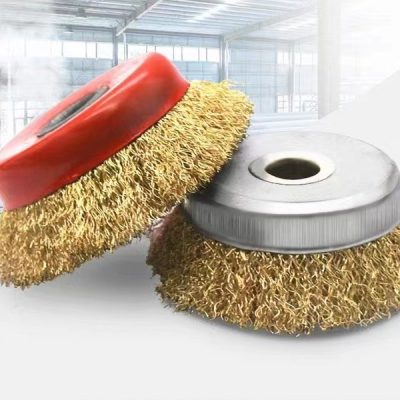
Choosing the Right Wire Cup Brushes
Always check the job before picking wire cup brushes. Look at the material first. Some wire cup brushes work better on soft metals, while others handle tough surfaces. Follow these steps to choose the best wire cup brushes for each task:
-
Check the material. Use wire cup brushes that match the surface, like softer brushes for aluminum.
-
Think about the job. Heavy rust needs coarse wire cup brushes. Light cleaning or polishing works best with fine wire cup brushes.
-
Decide on the finish. Fine wire cup brushes leave a smooth look. Coarse wire cup brushes create a rougher finish.
-
Make sure the wire cup brushes fit the tool. The size and type must match the drill or grinder.
-
Pick the right size. Large wire cup brushes cover more area. Small wire cup brushes reach tight spots.
Tip: Using the right wire cup brushes keeps surfaces safe and makes cleaning easier.
Safety Gear Essentials
Safety is non-negotiable. Proper protective gear is required before operating any wire cup brushes. The following equipment is standard for safe operation:
|
Safety Gear Item |
Description |
|---|---|
|
Full-face shields |
Protects eyes and face from flying debris |
|
Safety glasses with side shields |
Adds extra eye protection |
|
Heavy-duty gloves |
Shields hands from sharp wire cup brushes |
|
Protective clothing |
Covers skin from loose wires |
|
Safety Standards |
Follows DIN EN 1083-2 for power-driven brush tools |
Setting Up Your Workspace
A safe workspace is the foundation of effective cleaning. The area should be cleared of clutter, ensuring adequate lighting and ventilation. All brass cup brushes and necessary tools should be positioned within easy reach. Furthermore, securing loose items prevents them from getting caught in the rotating machinery. Keeping bystanders at a safe distance is also a necessary precaution during operation.
Note: A clean, organized workspace helps prevent accidents and keeps wire cup brushes working their best.
Brass Cup Brush Cleaning Steps
Attaching to Drill or Grinder
The process begins with selecting the appropriate brass cup brush for the task. Ensuring the brush fits the angle grinder or drill is essential. Power tools must always be unplugged before attachment. For angle grinders, the cup brush should be aligned with the spindle and tightened securely using the tool’s wrench. A snug fit is vital for safety. Giving the brush a gentle manual spin helps verify that there is no wobbling, as a loose brush can lead to operational hazards.
Operating Safely and Effectively
Once safety gear is in place, the operation can commence. Holding the tool with both hands provides better control, while the workpiece should be secured on a flat surface. Starting the grinder at a low speed allows the operator to test the brush’s balance. It is important to verify the maximum speed rating:
|
Product Description |
Maximum Speed |
|---|---|
|
Brassed Steel Crimped Wire Brush Set (3 Piece) (07435) |
4,500 rpm |
|
Brassed Steel Crimped Wire Cup Brush, 65mm, M14 (41443) |
12,500 rpm |
Exceeding the recommended speed is dangerous. Light pressure allows the brass cup brush to work effectively without unnecessary strain. Smooth, even strokes prevent heat buildup and wire damage. Avoiding excessive force is crucial, as it can bend the filaments and mar the surface. Constant vigilance regarding flying debris and the safety of others nearby is required throughout the process.
Tip: Let the brush do the work. Too much pressure can wear out the brush and scratch the surface.
Cleaning Techniques for Delicate Surfaces
When cleaning or polishing delicate metals, the brass cup brush is the tool of choice. Gentle strokes are effective for materials like aluminum, copper, and jewelry. These brushes are specifically capable of removing rust and dirt from soft metals without abrasion. A circular motion ensures even cleaning, while holding the brush at a slight angle prevents gouging. Mounted cup brushes are often used to create a brushed or sateen finish on precious metals like gold and silver. Testing on a small, inconspicuous area first is a recommended best practice.
Note: Brass cup brushes are gentle enough for removing rust and paint from delicate surfaces without leaving scratches.
Maintenance and Storage
Proper maintenance ensures the longevity of the brass cup brush. Inspecting the tool before each use is standard procedure; operators should look for bent, missing, or damaged wires. Any brush showing signs of excessive wear or unbalanced rotation requires immediate replacement. Using a dropped or damaged brush poses significant safety risks.
-
Inspect brushes before every use.
-
Discard brushes with excessive wear or damage.
-
Store brushes in a safe, dry place.
-
Avoid using damaged or dropped brushes.
Regular care keeps the equipment in top condition. By following these maintenance steps and safety protocols, users can achieve the best possible results with their angle grinder and brass cup brush.
To summarize the path to safe surfaces:
-
Protection: Eye and hand protection are mandatory.
-
Inspection: The brush requires a visual check before startup.
-
Technique: Soft strokes yield the best results for cleaning and preparation.
-
Storage: Dry storage preserves the brush after use.