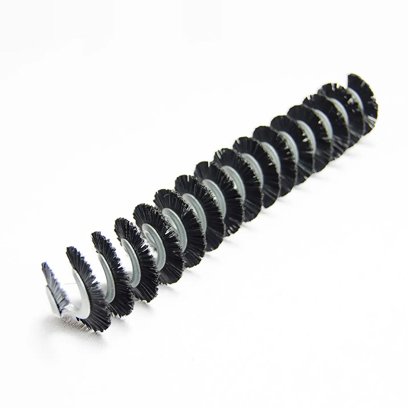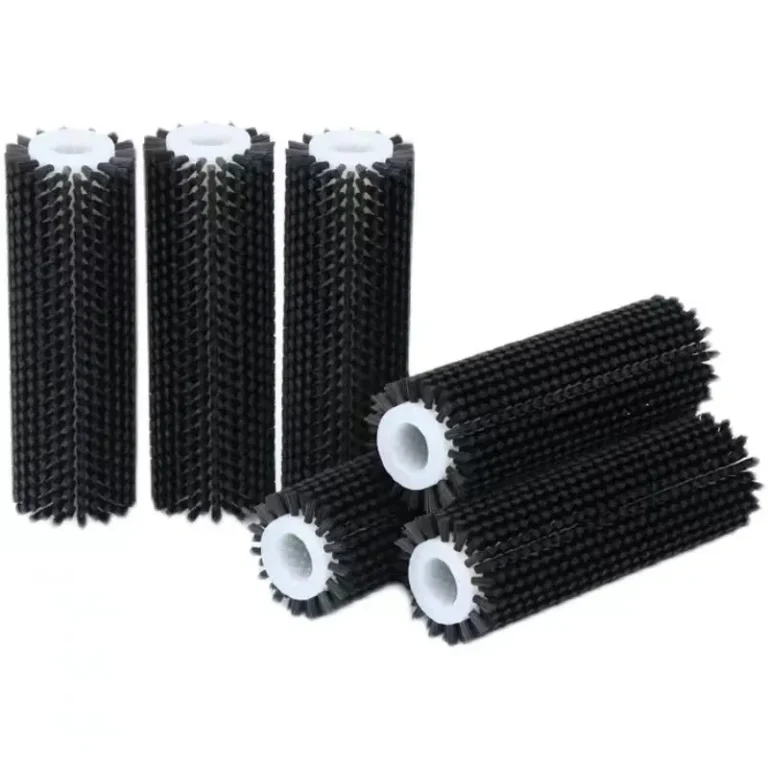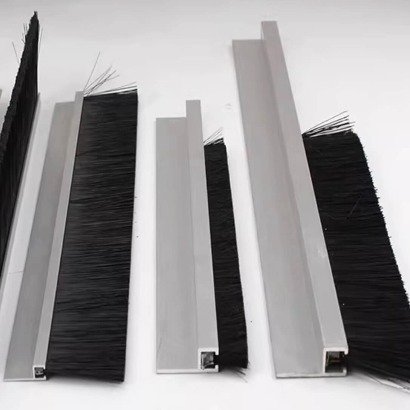
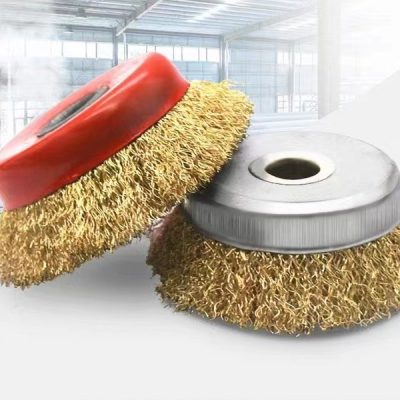
A brass wire cup brush is a cleaning tool with soft bristles. It works well for gentle cleaning on copper, aluminium, and other soft surfaces. Steel or nylon brushes can scratch these materials. A brass wire cup brush helps avoid scratches and is good for delicate jobs. People use a knotted wire cup brush for harder tasks. A cup brush is also used for polishing. Choosing the right wire cup brush is important for safety and how well it works. This matters most when you need spark resistance and flexibility.
|
Material Type |
Features |
Applications |
|---|---|---|
|
Steel |
Very rough and strong; can scratch soft things |
Used for tough jobs like taking off rust and paint |
|
Brass |
Softer than steel; good for soft materials |
Cleans pipes made of copper, aluminium, brass, and bronze |
|
Nylon |
Good for easy jobs; can use with cleaning liquids |
Removes soft dirt from any material |
Tip: Always pick the wire cup brush that fits the job for safe and good results.
Key Takeaways
-
Brass wire cup brushes work well for cleaning soft metals like copper and aluminium. They do not scratch these metals.
-
Picking the correct brush type and size is very important for good cleaning and polishing. You should always use the right brush for the job.
-
Safety comes first. Always wear protective gear. Check brushes for damage before you use them.
Brass Wire Cup Brush Uses and Benefits
Cleaning Soft Metals and Delicate Surfaces
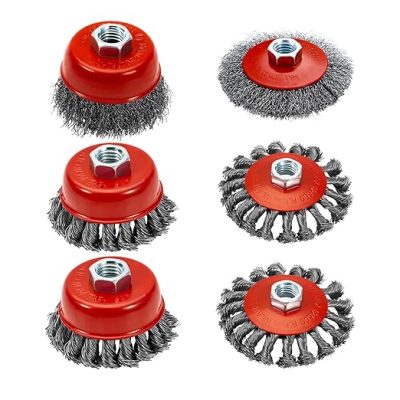
A brass wire cup brush is a strong cleaning tool. It mixes old skills with new materials. People use it to clean kitchen tools and tableware. It is also good for fine cleaning in factories. The brass brush wire and steel bowl brush work well together. They help clean well and last a long time.
Many people pick cup wire brush for soft metals. These metals include copper, aluminium, and brass. These need gentle cleaning. Wire cup brushes help stop scratches. They keep delicate surfaces safe. Polishing brushes help keep things shiny and nice.
Here is a table that compares brush types for delicate surfaces:
|
Brush Type |
Suitability for Delicate Substrates |
Notes |
|---|---|---|
|
Brass Wire Brushes |
High |
Made for softer metals, stops damage when cleaning. |
|
Crimped Wire Brushes |
Moderate |
Good for light jobs, less rough, lowers risk of damage. |
|
Twisted Knot Brushes |
Low |
Good for tough jobs but can scratch soft metals. |
Polishing brushes are gentle for cleaning and polishing. Factory workers use wire cup brushes for finishing and deburring. This helps make surfaces look better.
Rust, Paint, and Surface Preparation
Wire cup brushes help remove rust and paint. They clean surfaces before other work starts. Polishing brushes are good for cleaning and polishing. They are used in cars and factories.
-
Brass wire brushes are softer than steel. They are good for gentle jobs and do not scratch.
-
Wire cup brushes are used in electronics and cars. They work well in these areas.
-
Wire cup brushes, like brass, remove rust and paint.
-
Polishing brushes make surfaces smooth before more work.
Brass wire cup brushes are great for cleaning before painting. They take off rust and paint but do not harm the metal. Their strong build helps remove dirt and old paint. This is needed for a clean surface for coatings. Factory workers use cup wire brush to save time and work faster.
Spark Resistance and Versatility
Brass wire cup brushes do not make sparks. This makes them safe in places where sparks are bad. This is important in factories and car work. Polishing brushes work on flat and curved surfaces. This makes them useful for many jobs.
Wire cup brushes fit many power tools. Here is a table showing how cup wire brush works with tools and surfaces:
|
Tool Type |
Attachment Type |
Surface Compatibility |
|---|---|---|
|
Angle Grinders |
Threaded arbor hole |
Flat and curved surfaces |
|
Die Grinders |
Hex shank attachment |
Flat and curved surfaces |
|
Impact Drivers |
Hex shank attachment |
Flat and curved surfaces |
Polishing brushes work on many surfaces and tools. This makes them popular for cleaning and polishing in factories. A cup wire brush can do finishing, deburring, and cleaning jobs easily. Wire cup brushes give good results for kitchen or factory cleaning.
Tip: Wire cup brushes are a safe and strong way to clean and polish. They last long and give a great finish.
Polishing brushes save time and work well. They are needed for many jobs in different industries.
Types of Cup Wire Brush and Selection Tips
Common Wire Cup Brushes Explained
Many people wonder about the different types of cup wire brushes available for cleaning and polishing. Each type has its own strengths and best uses. Here are the most common types of cup wire brushes:
-
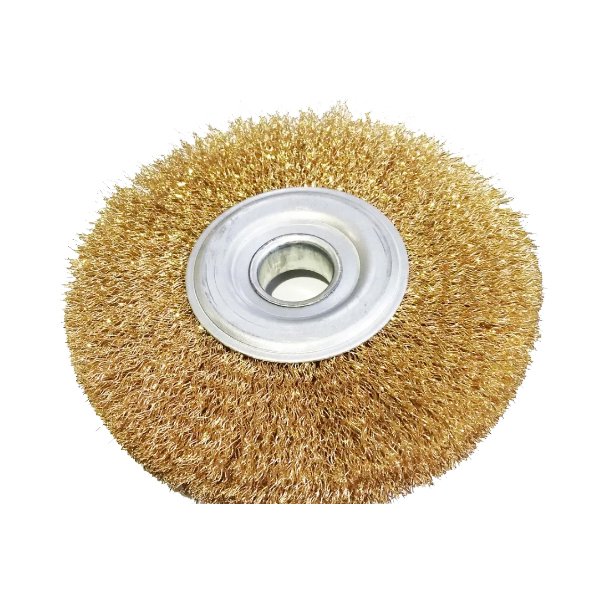
Crimped wire brushes work well for light to medium cleaning. They have flexible bristles that move easily over uneven surfaces. These brushes suit jobs where gentle cleaning is needed.
-
Knotted wire brushes have twisted wires. They are made for heavy-duty applications and give a stronger cleaning action. Workers use them to remove thick rust or paint.
-
Stringer bead brushes use small-diameter wires. They help with light deburring and cleaning on metal.
-
Double row brushes have two layers of twisted wires. They cut faster and work well for quick polishing or removing slag.
Crimped wire brushes offer flexibility and suit delicate surfaces. Knotted wire brushes handle tough jobs and last longer under hard use. Double row and stringer bead brushes fill special needs in factories and workshops.
Tip: Always match the type of cup wire brush to the job. This helps avoid damage and gives the best results.
Choosing the Right Size and Wire Gauge
Selecting the right size and wire gauge makes a big difference in cleaning and polishing. The choice depends on the task, the material, and the tool used. Here is a table to help with selection:
|
Factor |
Description |
|---|---|
|
Wire Type |
Crimped for lighter cleaning; twisted for aggressive material removal. |
|
Wire Material |
Brass for sensitive surfaces; stainless for stainless steel to prevent rust. |
|
Mounting System |
Compatibility with power tools is crucial; check RPM ratings. |
|
Wire Thickness |
Finer wires for light cleaning; thicker for heavy rust and scale removal. |
A grinder works best with the right cup brush size. Small brushes fit tight spaces, while large brushes cover more area quickly. Thicker wires remove tough rust, but finer wires protect delicate surfaces. Always check if the brush fits the grinder or other power tool. The mounting system and RPM rating must match for safe use.
Grinders, drills, and impact drivers all need the correct attachment. Soft brass crimped wire cup wheels fit angle grinders and rotary tools. This makes them easy to use for many cleaning jobs. Pencil grinders and straight grinders also work with these brushes.
Note: Using the wrong size or wire gauge can damage the surface or the tool. Always check the tool’s manual before starting.
Matching Polishing Brushes to the Task
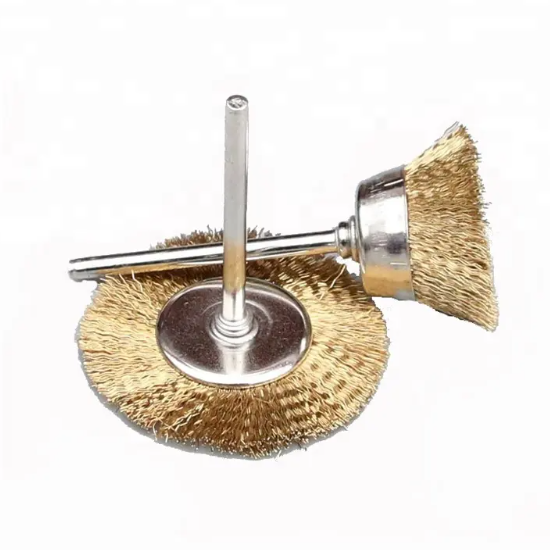
Choosing the right brush for each job ensures a smooth finish and protects the workpiece. Here are some points to consider when matching a brass wire cup brush to a task:
-
Wire brushes remove rust, paint, and prepare surfaces for painting or coating.
-
They come in many forms, such as hand-held polishing brushes, wheel brushes, and cup brushes. Each type suits a different job.
-
The type of wire and brush design matters. Brass wire works best for soft metals and delicate surfaces. Steel or stainless steel suits harder materials.
-
The benefits of specialized polishing brushes include faster cleaning, less risk of damage, and a better finish.
A grinder with a cup wire brush cleans large flat areas. For corners or small parts, a smaller brush or a different tool may work better. Types of polishing brushes also include those for fine finishing or heavy-duty applications. Knowing how to choose the right polishing brush saves time and gives a better result.
Tip: Always test the brush on a small area first. This helps avoid unwanted scratches or marks.
People often ask how to choose the right polishing brush. The answer depends on the material, the size of the area, and the finish needed. For delicate work, use a fine brass wire brush. For tough jobs, pick a knotted or double row brush with a grinder.
Cup wire brushes work with many power tools. Here is a table showing which brushes fit which tools:
|
Brush Type |
Compatible Tools |
|---|---|
|
Rotary Steel Twist-Knot Wire Cup |
Angle Grinders, Rotary Tools |
|
Stainless Steel Crimped Wire Wheel |
Angle Grinders, Rotary Tools |
|
Soft Brass Crimped Wire Cup Wheels |
Angle Grinders, Rotary Tools |
Other tools like drills, impact drivers, pencil grinders, and straight grinders also work with these brushes. This makes them useful for many cleaning and polishing jobs.
Note: Always wear safety gear when using a grinder or any power tool with a wire cup brush.
Cup wire brushes come in many types and sizes. Picking the right one makes cleaning and polishing easier and safer.
Safe Use and Care of Wire Cup Brushes
Installation and Setup
Setting up the brush the right way is very important. It keeps you safe and helps the brush work well. You should always wear gloves, a dust mask, and safety glasses before you start. Make sure the brush fits tightly on the tool. Check that the arbor is locked in place. Never use the brush faster than its top speed. For tough jobs, hold the brush at the right angle. This stops the wires from breaking and makes the job smooth.
Proper Technique for Polishing Brushes
To get an even finish with a brass wire cup brush, follow these steps. Clean the thing you want to polish first. Use a medium speed so the slurry stays in place. Move the brush from side to side. This stops round marks, especially in corners. Lifting the brush can trap slurry under it, which helps with cutting. Press lightly or just a bit harder so the brush spreads out a little. After five minutes, check a small spot to see if old marks are gone. Only the ends of the bristles should touch the surface. Pressing too hard makes the brush wear out faster.
Essential Safety Precautions
Safety is always most important. Keep hand-held brushes in proper boxes and away from things that can harm them. Look at the brush for damage before each use. Make sure it is fixed tightly on the tool. Always wear eye protection. Keep the protective case on when not using the brush. If it is very loud, wear ear protection. Throw away old or broken brushes the way your local rules say.
|
Category |
Safety Precautions |
|---|---|
|
Storage |
Keep in boxes, protect from bending, keep away from bad chemicals. |
|
Application |
Check for damage, throw away broken brushes, fix tightly on machines. |
|
Protection |
Wear eye protection, keep cases, use ear plugs if needed. |
|
Disposal |
Throw away old brushes as local rules say. |
Maintenance for Longevity
Looking after your brass wire cup brush helps it last longer. Check the brush before each use for missing wires or damage. If the brush shakes too much, it might be worn out or not balanced. Replace it if this happens. Do not press too hard; let the wires do the work. This makes the brush last longer. These tips also help if you use the brush for wood or other jobs.
Tip: If you follow these tips, your hand-held brushes will last longer and be safer to use.
Brass wire cup brushes clean and polish many things well. Here are some important points:
-
Pick the right wire material for your job.
-
Choose the correct thickness and shape for each task.
-
Make sure your tool matches the brush and speed.
-
Use good brushes so they last longer.
-
Always wear safety gear.
-
Look at brushes before you use them.
-
Wipe surfaces after you finish brushing.
If your project is special or hard, ask an expert for help. This will give you the best results.