Aluminum, copper, and zinc alloys are soft metals; thus, careful attention must be given to them during cleaning and the surface preparation process. One scratch on a machined part or decorative surface could require special attention, create waste in material, and result in delayed delivery of the finished product to the customer, creating situations for which no fabrication shop would like to be responsible.
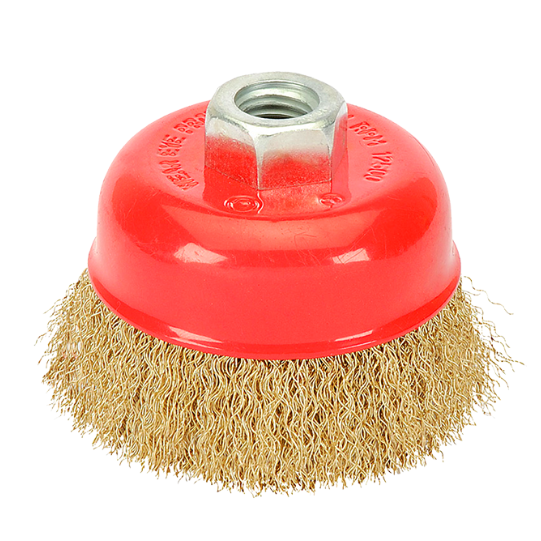
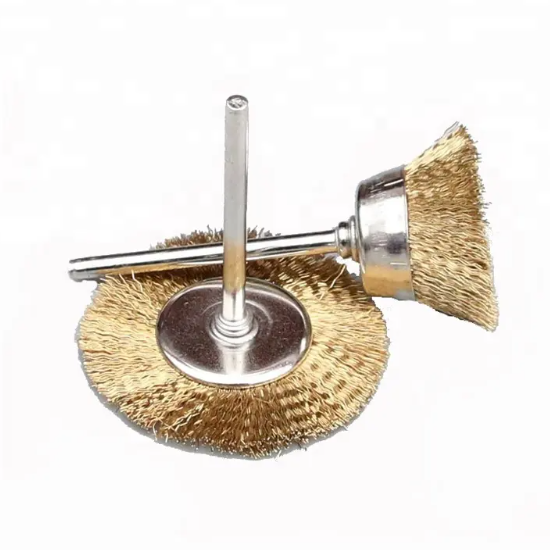
Often within the metalworking profession, there is a question as to whether or not using a brass cup brush can actually deteriorate those softer materials. The short answer is yes. However, when the correct technique is used with the appropriate bristles, the likelihood of having surface damage can be greatly reduced. This article outlines the key elements to ensure scratch-free results along with recommendations for use.
Understanding Hardness and Scratch Potential
While determining whether the bristles of a brush will scratch a surface is determined by both the relative hardness of the surface of the brush and the surface of the metal in question, there is a scale known as the Mohs Hardness Scale that offers guidance to metal brush users when using brushes to clean and polish surfaces.
| Material | Mohs Hardness Rating |
| Pure Aluminum | 2.5 – 3.0 |
| Pure Copper | 3.0 |
| Brass (brush wire) | 3.5 – 4.0 |
| Mild Steel | 4.0 – 4.5 |
| Stainless Steel | 5.5 – 6.5 |
Brass has the potential to leave marks on copper and aluminum because it is ranked higher than them in the Mohs hardness scale; however, this does not mean that brass will necessarily mark these materials. Several factors, such as brush condition, capacity of use pressure, and the speed at which you do the marking are significant factors affecting the outcome of using a brass brush.
When using a brass wire brush on non-ferrous metals for cleaning, keep in mind that as long as the operating speed remains low and an even amount of pressure is applied, there should be no visible damage to the workpiece. If you apply a very high operating speed to the brush or apply excessive force against the workpiece when using a new brush, it is likely that scratches will occur due to the abuse of the brush.
Key Factors That Contribute to Scratching
Factors contributing to the scratching of surfaces include:
- Speed of operation (RPM) — As the spindle speed increases, the contact velocity of the bristles against the surface increases. Operating at less than 4,500 RPM (for some tasks, 6,000 RPM) will help reduce the potential for scratches.
- When applying pressure — Too much force will flatten the ends of the wires and widen their contact area thereby increasing the risk of gouging. Always use light even pressure as a safer option.
- Wire Size — A thicker wire will concentrate more force over each of the points of contact with the object being worked on. In working with fine metals it is better to use thinner wires.
- Brush condition — Worn or frayed wires develop sharp, irregular tips that cut into surfaces. For precision or decorative parts, always use a fresh, high-quality brush.
A properly managed brass cup brush will provide reliable performance cleanly and consistently on softer materials while leaving them in good condition. The guide on brass cup brush for cleaning provides step-by-step operating instructions for safe usage.
Selecting the Correct Brush Construction
In addition to technique, how the brush is actually made matters just as much. Base plate type, wire density and length of pile (trim length of wire) can all affect how that brush will work with softer metal surfaces.
Base Plate Material
The base plate determines how rigidly the brush holds its shape under load, which directly affects pressure consistency across the contact area.
When it comes to doing intricate detailing on delicate alloys, brass wire cups with stainless steel plates are a better way to create precision attachments than using a plastic or fiberglass base. A stainless steel base helps to evenly distribute your pressure, therefore eliminating the micro variations of pressure that can typically result in scratches. For applications where surface finish is critical in importance, this is the best option.
A copper plated steel wire brush is a more economical instrument for production speed tasks involving routine cleaning or high volume deburring with minimal surface marking. It can handle production speed tasks very well while minimizing the cost per unit.
Wire Density and Trim Length
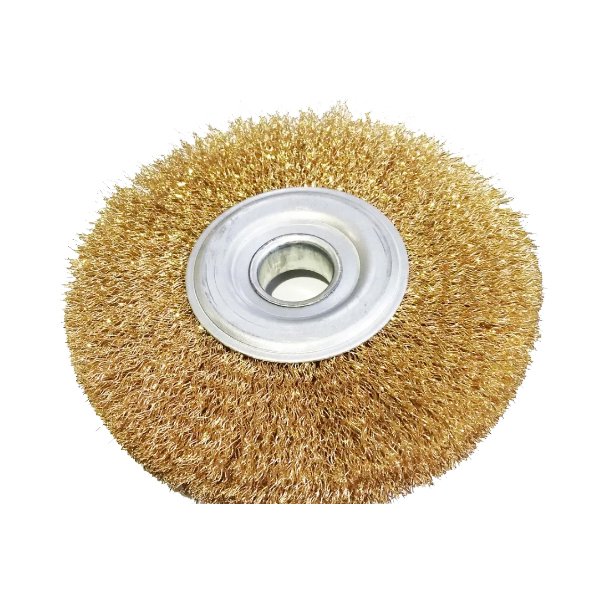
Longer trim lengths with regular wire densities give the bristles flexibility. Rather than cutting into the surface, the wires will flex against the surface to absorb impact instead of transferring it. This combination of longer lengths and standard wire densities consistently results in the least amount of scratches being made on softer metals.
Best Practices for Scratch-Free Operation
Repeatability is the main concern of operators who have operated soft metals many times. The same steps to succeed in creating no damage to surfaces are the same steps taken by every operator each time.
- Begin with a low speed (below 4,500 RPM for most brush applications) and work your way up to speeds you need.
- Angle the brush 10–15 degrees from the workpiece instead of mounting it flat.
- Always keep the brush moving, as being stationary will cause the concentrated force to make a mark.
- Replace the brush immediately if any wire tips appear sheared or broken, even if overall wear looks minimal.
- Always test on a scrap piece of the same alloy before starting production runs.
When performing heavier duty tasks such as weld cleaning or aggressive deburring on more robust metals, a grinder’s steel cup brush is the better option. Selecting the correct type of metal cup brush will eliminate unneeded damage and help lengthen the lifespan of the brushes.
Final Thoughts
A brass cup brush can damage softer metals by scratching them. However, the amount of damage can be controlled and minimized by using correct brushing procedures, such as controlling the revolutions per minute (RPM), applying light pressure, choosing the right brush for your application, and replacing worn brushes before use. When it comes to jobs that need a high-quality finish, using a stainless steel base plate and using a thinner wire diameter will result in a noticeable improvement in your finished product. The brass wire brush safe-use guide contains further information on standardizing use.
Frequently Asked Questions
Are there any customization options available with brass cup brushes?
Yes. Most manufacturers provide a range of customizable options including wire diameter, trim length, density and base plate in order to meet the demands of a specific application for finishing soft metals.
What is the minimum amount that I can purchase when ordering wholesale brass cup brushes?
The minimum quantity for wholesale brass cup brushes depends on the supplier/customer. The majority of industrial brush companies will accept orders from between 50–100 units; larger quantities may receive volume discounts.
Can I use brass cup brushes on my automated production line?
Yes! Brass cup brushes can easily be mounted to any of the following: angle grinders, CNC spindles and/or robotic arms; which also makes them a perfect match for any automatic surface preparation system.