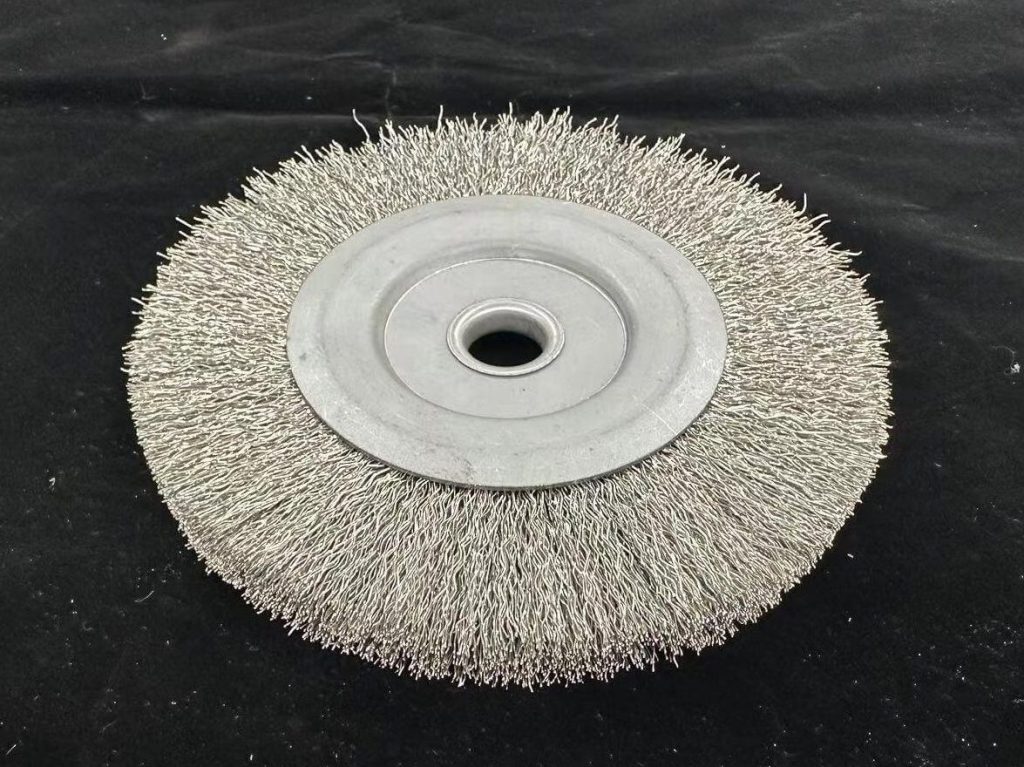
The most prevalent surface imperfection when fabricating metal is rust. If not removed before painting, rust will make an object less strong and also cause problems with paint adherence. Of all the different tools available for preparing a surface for coating material or adhesive, one of the best for use in an industrial environment is a Stainless Steel Wire Wheel brush.
Merely attaching a wire brush and using it at maximum velocity does not equate to achieving a clean part; the success or failure of the brushing process depends upon various factors such as the diameter of the wire, how fast it is turning, the angle at which it is contacting the surface being processed, and the overall condition of that surface. The purpose of this article is to provide practical techniques and guidance on how to select the right equipment to give production teams the greatest opportunity for success with their tools.
Why Stainless Steel Wire Works for Rust Removal
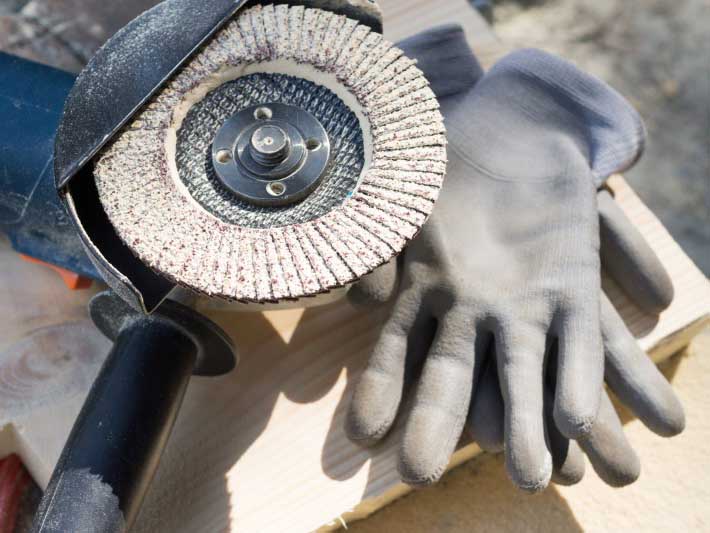
The hard wearing and rust resisting qualities of stainless steel wire make it ideal for wire brushing to remove rust. Unlike carbon steel wire where the ferrous debris left behind can cause secondary oxidation on the cleaned surface; with stainless steel wire there is no ferrous residue left behind.
The following benefits exist, including:
- Protection against rust while in the warehouse and while being used.
- Uniform hardness of wires over long-term runs.
- Can work with both stainless steel and non-ferrous parts.
By looking at the stainless steel wire brush guide, teams that are new to the different types of wire will see what type of wire would work best for each specific use.
Factors That Affect Rust Removal Efficiency
Wire Gauge and Stiffness
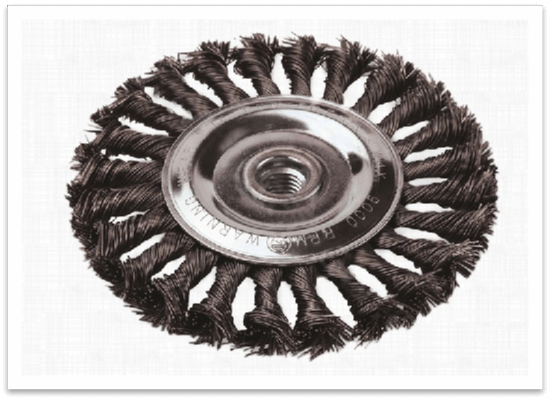
Thicker wire provides more aggressive cutting action, which is useful for heavy rust and mill scale. Thinner wire is better suited for light surface oxidation where the base material needs to be preserved. Selecting the wrong gauge is one of the most common reasons a rust remover brush underperforms in practice.
Rotational Speed
Running a Stainless Steel Wire Wheel brush too fast causes wire breakage and shortens brush life. Too slow, and the brush will not generate enough contact force to strip rust effectively.
Most operators find that a speed range between 2,500 and 4,500 RPM works well for bench grinder and angle grinder setups. For handheld tools, a polishing brush for drill typically operates at lower RPM and is better suited for spot treatment or lighter oxidation on smaller parts.
Contact Pressure and Angle
Applying excessive pressure flattens the wire tips and reduces cutting efficiency. A moderate, consistent pressure at a 10° to 15° angle to the surface tends to produce the best results. Experienced operators often let the wire tips do the work rather than forcing the brush into the metal.
Recommended Settings by Rust Severity
| Rust Condition | Wire Gauge | Recommended RPM | Brush Type | Notes |
| Light surface oxidation | 0.15–0.20 mm | 2,500–3,500 | Fine wire wheel brush | Preserves base metal |
| Moderate rust and scale | 0.25–0.35 mm | 3,000–4,000 | Standard wheel brush | Balance of removal and control |
| Heavy rust and weld scale | 0.40–0.50 mm | 3,500–4,500 | Knot-type wheel brush | Maximum cutting action |
| Spot rust on finished parts | 0.15 mm | 1,000–2,500 | Drill-mounted brush | For localized treatment |
These values serve as a general reference. Actual performance depends on the specific brush configuration and the condition of the workpiece.
Step-by-Step Rust Removal Process
For consistent results, a structured approach works better than random grinding. The following steps reflect common practice in metal fabrication shops:
- Inspect the surface and identify the rust severity.
- Select the appropriate wire gauge and brush type based on the table above.
- Mount the brush securely and verify the RPM setting.
- Begin with light contact, gradually increasing pressure as needed.
- Work in consistent, overlapping passes to avoid uneven removal.
- Inspect the surface after each pass and adjust technique if necessary.
When dealing with heavy rust across large surface areas, an industrial brush for grinding setup on a bench or pedestal grinder can significantly improve throughput compared to handheld tools.
Mistakes to Avoid
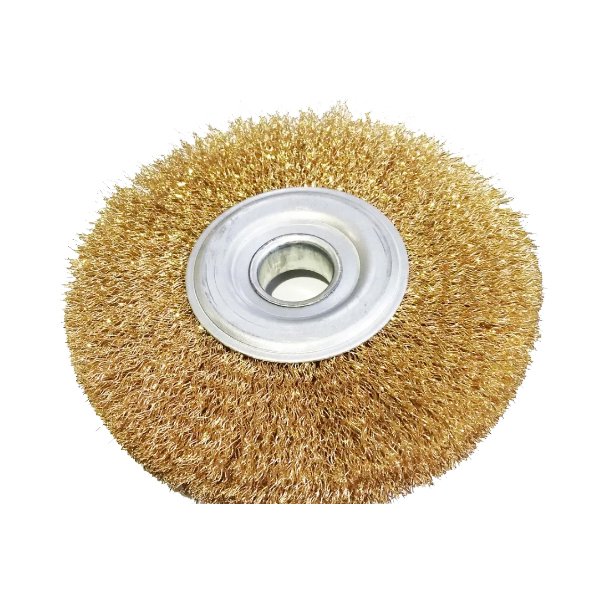
In addition to the correct brush type for the job, incorrect application will affect performance and decrease brush life. Common mistakes are:
- Running the brush above its rated maximum RPM
- Using an excessive amount of pressure, which will prematurely flatten wire tips
- Using carbon steel wire brushes on stainless steel, creating cross-contamination
- Not matching the diameter of the wire brush with the clearance between the guard of the grinder and the work surface of the wire brush
For further information, check out the article on how grinder brush wheel removes rust and see how the different wire types, wire combination of the brush, and the speed of the machine will effect the removal of rust.
Choosing the Correct Brush for the Application
Not every rust removal task requires the same brush. Selecting the right Stainless Steel Wire Wheel brush depends on the tool being used, the material being cleaned, and the production volume.
When it comes to high-volume industrial uses, mounted stainless steel wire wheel brush setups do the best job providing reliable output from either a bench grinder or an automated line. If your goal is to use the wire wheel in a maintenance or field application, a handheld mounting is the best choice because it provides greater flexibility and allows you to reach areas that may otherwise be difficult to access.
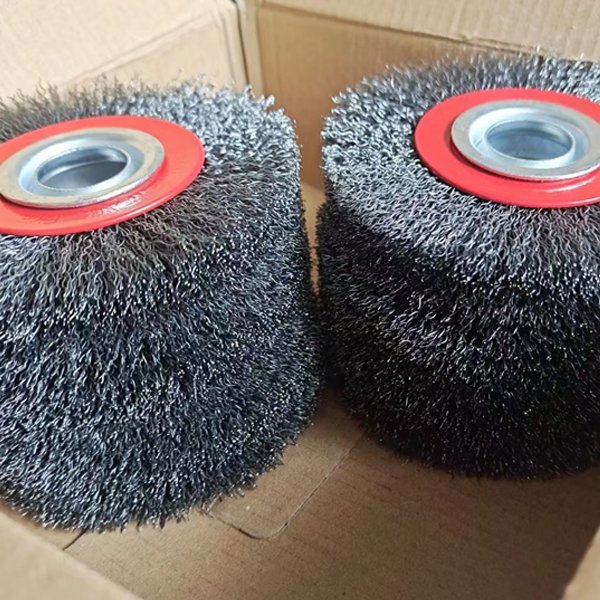
Users looking for guidance on which wire material and wire grade are best suited for specific applications may refer to the wire wheel brush selection basics to get a more complete picture of selecting the correct wire wheel brush. The right specifications before placing an order will not only reduce the chance of trial-and-error but will also help to minimize the risk of excessive brush waste during production runs.
FAQ
Is it possible to use a stainless steel wire wheel brush on aluminum or copper materials?
Yes, but care should be taken to select a finer gauge Stainless Steel Wire Brush and to limit the speed of the tool (RPM) to help prevent surface damage to those metals. Using Stainless Steel Wire will not cause contamination of Ferrous metals on these types of materials.
Are there options for custom wire wheel brushes in bulk?
Most tool manufacturers offer some type of bulk order option for making customized brushes. Wire gauge, Brush Diameter, and Arbor Size can usually be modified so that they meet individual production needs.
How often should an industrial wire wheel brush be replaced?
The time it takes to replace an industrial wire wheel brush may differ based on things such as speed, pressure, and hardness of the materials being used with the wire wheel brush. One good quality industrial grade wire wheel brush typically will last several hundred hours of normal use. After this point in time, you will notice a decrease in performance.