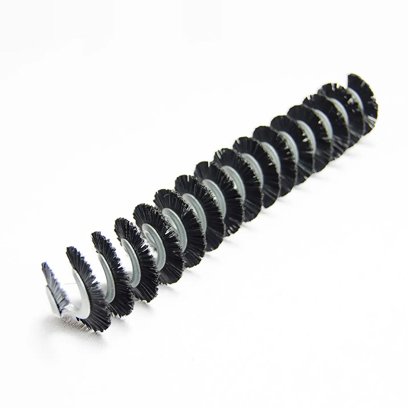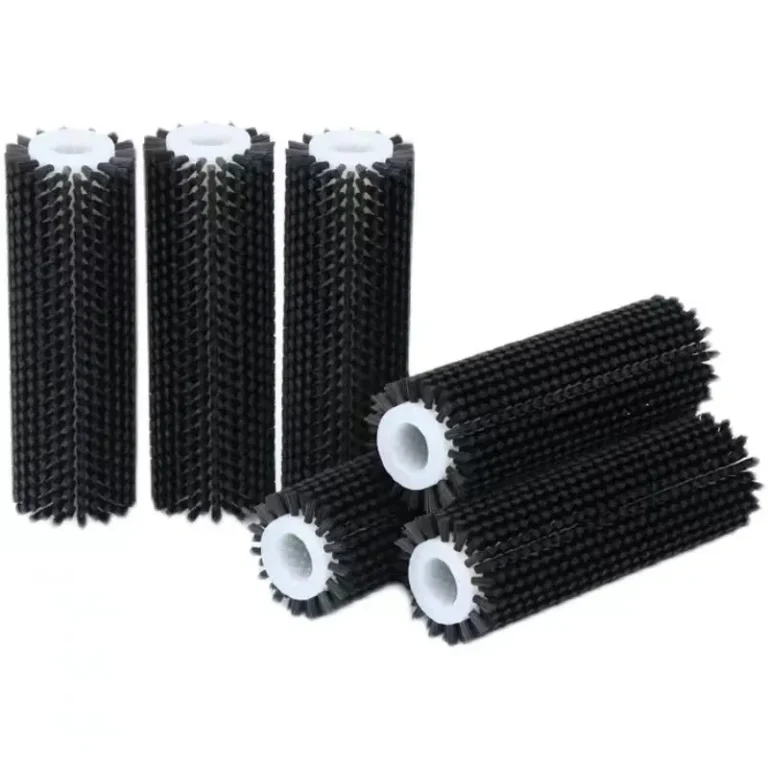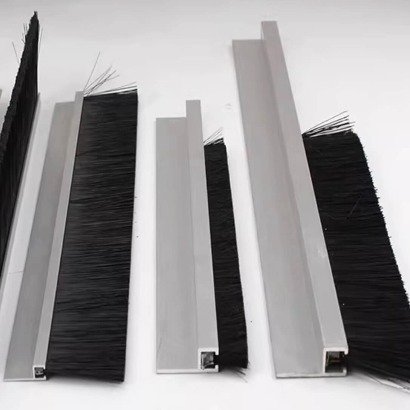
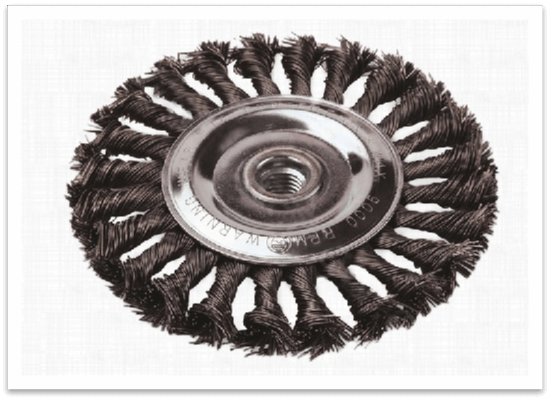
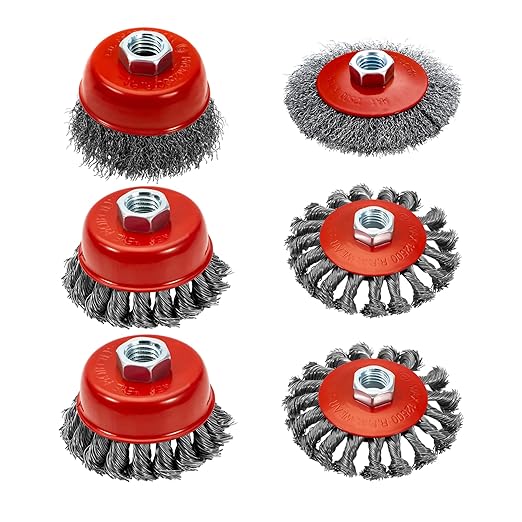
A Stainless Steel Wire Brush is a cleaning tool. Its bristles are made from stainless steel. It is used for hard jobs like removing rust or dirt. Other Metal Wire Brushes can rust, but this one does not. It works well in wet or clean places. Many industries use these brushes. They help with preparing and keeping surfaces clean. For example, the Stainless Steel Wire Rust Removal Wheel Brush removes rust from metal easily.
|
Industry Sector |
Applications |
|---|---|
|
Automotive |
Cleaning and surface preparation |
|
Food Processing |
Hygiene and cleaning |
|
Woodworking |
Finishing and surface treatment |
|
Steel Mills |
Surface cleaning and finishing |
Key Takeaways
-
Stainless steel wire brushes do not rust. This makes them great for wet places and food safety.
-
These brushes have many shapes, like cup and wheel. Each shape is made for a special cleaning job.
-
Durability is very important. Stainless steel bristles stay strong and keep their shape after lots of use.
-
Picking the right bristle thickness matters a lot. Thick bristles work better for hard jobs. Thin bristles are good for easy cleaning.
-
Stainless steel brushes stop contamination. This makes them great for food factories and hospitals.
-
Taking care of your brush and picking the right one helps it last longer. It also makes cleaning better.
-
Safety features like hand guards are important. They help keep users safe when using wire brushes.
-
Knowing the differences between brush materials is helpful. It lets you pick the best tool for each surface and job.
What is a stainless steel wire brush?
Basic definition
A Stainless Steel Wire Brush is a tool for cleaning and treating surfaces. Its bristles are made from stainless steel, so it is strong and lasts a long time. People use this brush in many jobs, like making things, fixing machines, and building. The brush is special because it does not rust or make surfaces dirty. This makes it great for places where things must stay clean, such as food factories or on ships.
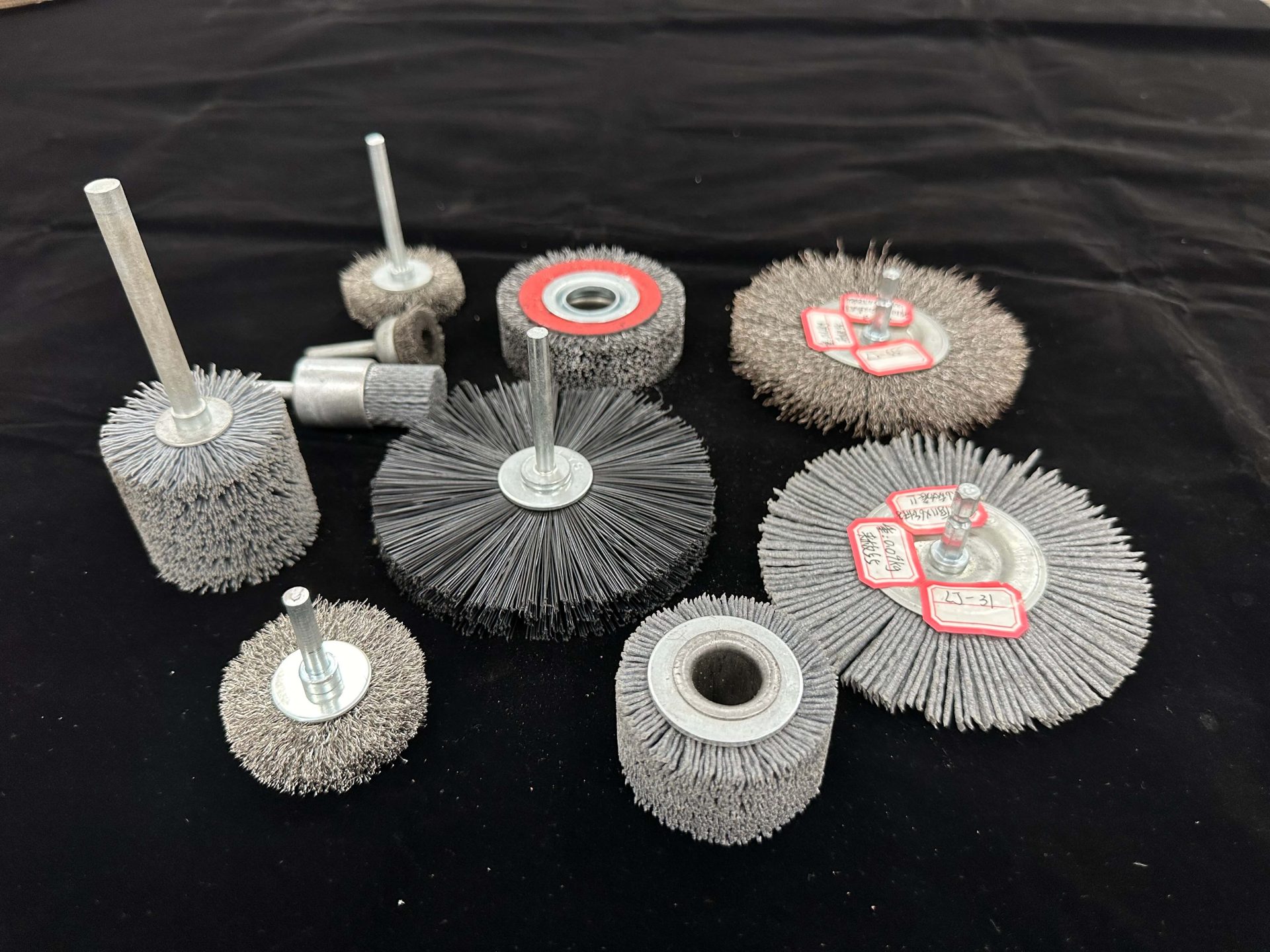
The brush comes in different shapes, like cup, wheel, twisted wire, and spiral tube. Each shape is good for a certain job, like taking off rust or polishing small parts. A cup brush is good for big flat areas. A wheel brush can clean small spaces. Some brushes are 115mm wide with a 22mm hole, so they work for tough jobs. These jobs include getting welds ready, smoothing edges, and cleaning pipes. There are many sizes and shapes, so you can find the right brush for any job.
Tip: Stainless steel bristles do not rust, so the brush works well even when it is wet or damp.
Key differences from other brushes
A Stainless Steel Wire Brush is different from other wire brushes in a few ways:
-
Material: The bristles are stainless steel, so they do not rust. Other brushes use carbon steel or brass, which can rust or wear out faster.
-
Contamination-free: Stainless steel does not leave bits behind that could make surfaces dirty. This is important in places like food factories or medicine making.
-
Durability: These brushes last longer, even in tough places. They keep their shape and clean well for a long time.
-
Versatility: The brush comes in many shapes and sizes. It can remove rust, strip paint, and polish easily.
-
Suitability for wet environments: Stainless steel bristles work well where there is water. Other brushes might break or stop working well.
|
Brush Type |
Bristle Material |
Best Use Case |
Corrosion Resistance |
|---|---|---|---|
|
Stainless Steel Wire Brush |
Stainless Steel |
Industrial cleaning, polishing |
High |
|
Carbon Steel Wire Brush |
Carbon Steel |
Heavy rust removal |
Low |
|
Brass Wire Brush |
Brass |
Delicate surfaces |
Medium |
A Stainless Steel Wire Brush is a good choice for both hard and gentle cleaning jobs. Its special features make it a favourite for people who need a tool that works well and lasts a long time.
Stainless steel wire brush features
Material and build
Stainless steel bristles
Stainless steel bristles make the brush strong and last long. These bristles do not rust, so the brush works in wet or humid places. It is safe for food areas too. Many industries pick this brush because it does not leave bits behind. The bristles stay sharp, even after lots of use. This makes the brush good for hard cleaning jobs.
Drilled Bristle Insertion
Manufacturers use drilled bristle insertion to fix the bristles. They drill small holes in the brush base and push the bristles in tightly. This keeps the bristles in place, even when scrubbing hard. The brush does not lose bristles easily, so it lasts longer and works better for tough jobs.
Note: Strong bristle fixing means bristles do not fall out. This is safer and helps the brush work well.
Brush types and forms
Hand, cup, wheel, roller
Stainless steel wire brushes come in many shapes and sizes. Each shape is best for a different job:
|
Brush Type |
Material |
Best Suited For |
|---|---|---|
|
Hand Wire Brush |
Stainless Steel |
Cleaning stainless steel and aluminium surfaces |
|
Tube Wire Brush |
Stainless Steel |
Cleaning inside tubes and pipes |
|
Cup Wire Brush |
Stainless Steel |
Heavy-duty cleaning and surface preparation |
|
Wire Wheel |
Stainless Steel |
Polishing and cleaning larger surfaces |
|
Shank Wire Brush |
Stainless Steel |
Detail work in tight spaces |
A cup brush cleans big flat areas fast. A wheel brush is good for welds and edges. Tube brushes clean inside pipes. Hand brushes are best for small parts. Some brushes use twisted knot or spiral tube designs for more power or careful work. These shapes help with tough rust removal and shiny metal polishing.
Bristle thickness and arrangement
The thickness and layout of bristles change how well the brush cleans. Thicker bristles, like 0.33mm steel wire, are for harder jobs. A 5-row layout with 25mm bristle length gives good coverage and strong scrubbing. This design helps remove rust, paint, and tough dirt from metal.
|
Feature |
Description |
|---|---|
|
Bristle Thickness |
0.33mm steel wire |
|
Bristle Length |
25mm |
|
Arrangement |
5-row layout |
|
Suitable For |
Tougher cleaning tasks |
|
Coverage |
Good coverage for scrubbing action |
A good brush cleans fast and evenly, saving time and effort.
Durability and corrosion resistance
A stainless steel wire brush is tough and does not rust. The bristles stay strong, even in wet or salty places. This makes the brush great for marine, factory, and food jobs. The brush keeps working well, even after many uses.
The way the brush is made also helps it work better. Steps like grinding, polishing, and passivation remove flaws and add a protective layer. These steps help the brush last longer and stop damage from chemicals or water.
|
Surface Treatment |
Effect on Durability and Performance |
|---|---|
|
Mechanical Treatments |
Make the brush resist rust and look better, so it lasts longer. |
|
Grinding and Polishing |
Remove flaws, make it look nice, and help stop rust by making the surface smoother. |
|
Brushing |
Gives a dull look but can show scratches; needs care outside to stop rust. |
|
Buffing |
Makes the brush shiny but needs cleaning to keep the shine; can get fingerprints. |
|
Chemical Treatments |
Bring back and boost rust resistance, which is important for many jobs. |
|
Pickling |
Takes away dirt and brings back rust resistance, especially after welding. |
|
Passivation |
Makes a protective layer, so the brush resists rust better. |
|
Electropolishing |
Helps stop rust and keeps the brush clean, which is good for pure jobs. |
A stainless steel wire brush cleans without leaving dirt and keeps its shape and strength. This makes it a trusted tool for hard and careful jobs.
Stainless steel wire brush uses
Cleaning and surface prep
Rust, paint, and scale removal
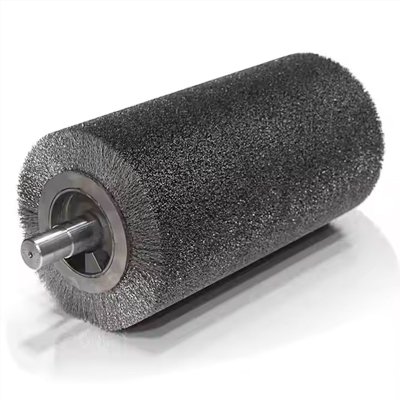
A stainless steel wire brush makes hard cleaning jobs easy. Many workplaces use this tool to get rid of rust, paint, and scale on metal. The thin metal wires on the brush scrape the surface and take off old coatings and rust. Workers pick cylindrical and twist-knot brushes for tough jobs. These types can reach into small spaces and corners.
-
Takes rust and corrosion
from
steel beams and machines.
-
Removes old paint from metal doors and railings.
-
Cleans scale from pipes and welded joints.
Tip: Pick a brush with the right bristle thickness for your job. Thick bristles work best for tough rust. Thin bristles are better for light cleaning.
Industrial and marine cleaning
Factories and shipyards use stainless steel wire brushes all the time. These brushes clean surfaces before welding to make strong joins. They also get edges ready for butt welds and clean plates for fillet welds. Workers brush about 5mm past the weld area to make sure it is clean. Both hand and motor brushes work well, but do not press too hard. Too much pressure can make the surface shiny and hurt the weld.
|
Task Description |
Details |
|---|---|
|
Edge preparation for butt welds |
Cleans the surface for a better weld. |
|
Weld area preparation |
Brushes 5mm beyond the weld zone for a clean finish. |
|
Manual or motor-driven brushing |
Uses bristles 0.15-0.40mm thick; periodic degreasing recommended. |
|
Deburring |
Removes sharp edges after cutting or machining. |
Wire brushes are also important for cleaning in marine places. They take off barnacles, algae, and salt from ship hulls and metal parts. The brush does not rust, even in salty air or water. This makes it a good choice for docks and boats.
Suitable surfaces
Metals, aluminium, stainless steel
A stainless steel wire brush works on many metals. It cleans steel, aluminium, and stainless steel without making them dirty. This is good for getting surfaces ready for painting or welding. The brush does not leave bits that could react with the metal. This keeps the finish smooth and clean.
-
Cleans stainless steel tanks and pipes in factories.
-
Gets aluminium panels ready for painting.
-
Polishes metal parts in workshops.
|
Feature |
Description |
|---|---|
|
FDA/EU Approval |
Materials safe for food contact. |
|
Rust Resistance |
Bristles stay rust-free in wet environments. |
|
Ergonomic Design |
Comfortable handles for long cleaning sessions. |
|
Cross-Contamination Prevention |
Colour-coded options for hygiene-sensitive zones. |
|
Temperature Suitability |
Safe for use between -20°C and +70°C. |
Note: Stainless steel wire brushes help keep food factories, bakeries, and kitchens clean. They remove dirt and bacteria, making the place safe.
Advantages over other wire brushes
Stainless steel vs carbon steel
Stainless steel and carbon steel wire brushes look alike. They are used for different jobs. Stainless steel brushes do not rust or corrode. They stay strong in wet or salty places. Carbon steel brushes can rust if they get wet. This makes stainless steel better for cleaning outside or near water.
Carbon steel brushes can leave iron bits behind. These bits may cause rust spots on stainless steel. Stainless steel brushes do not leave these bits. Surfaces stay clean and safe. Factories use stainless steel brushes for non-ferrous metals. This stops stains or unwanted reactions.
Stainless steel vs brass
Brass wire brushes have soft bristles. They are good for gentle cleaning. Brass bristles wear out faster than stainless steel. Stainless steel brushes last longer and keep their shape.
Brass brushes do not resist corrosion as well. In wet places, brass can tarnish or get weak. Stainless steel brushes stay strong and rust-free. They are best for tough cleaning jobs. Food factories and kitchens pick stainless steel for this reason.
When to choose stainless steel
Pick the right brush for your job and material. Stainless steel brushes work best on non-ferrous metals. These include aluminium, tin, and zinc. They also suit stainless steel parts. They stop contamination and keep surfaces rust-free. Carbon steel brushes are for ferrous metals like cast iron. Do not use them on non-ferrous metals.
|
Brush Type |
Suitable For |
Notes |
|---|---|---|
|
Stainless Steel |
Non-ferrous metals (e.g., aluminium, tin, zinc) |
Stops contamination and corrosion when used on the right surfaces. |
|
Steel |
Ferrous metals (e.g., carbon steel, cast iron) |
Do not use on non-ferrous metals to avoid problems. |
Stainless steel brushes meet food hygiene standards. They clean without leaving harmful bits. Many industries trust them for safe cleaning. If you need a brush that is strong, rust-free, and clean, pick a Stainless Steel Wire Brush.
Identifying quality stainless steel wire brushes
Picking a good Stainless Steel Wire Brush is important. It helps you clean better and stay safe. Not every brush is made the same way. Some brushes last longer and work better. Some also help keep you safe. If you know what to look for, you can choose the right brush.
Signs of good construction
Bristle attachment and density
A strong brush keeps its bristles tight. If bristles fall out, the brush is not well made. Good brushes use drilled bristle insertion. This method holds each wire in place. It stops bristles from coming loose when you scrub hard.
How many bristles a brush has is important too. More bristles mean better cleaning and longer life. Here is why having more bristles helps:
-
More bristles clean faster and remove more dirt or rust.
-
Brushes with lots of bristles work harder and last longer.
-
High wire density means the brush keeps working well after many uses.
You can check the bristle area quickly. If the wires are close together, the brush is ready for tough jobs.
Shaft durability
The shaft joins the brush to the handle or machine. A strong shaft does not bend or break easily. Good brushes use solid metal shafts that stay straight. A weak shaft can twist or snap, which is not safe. Always look for a strong, smooth shaft before you buy a brush.
Safety features
Protective elements
Safety is important when using wire brushes. Good brushes often have safety features. Some have hand guards or shields to stop wires from hitting you. Others have special coatings to stop slipping. These features protect your hands and help you control the brush.
Tip: Always wear gloves and eye protection when you use a wire brush, even if it has safety features.
Manufacturer standards
Good brushes come from makers who follow strict safety rules. International standards and certificates show the brush is safe and high quality. Here are some important certificates:
|
Certification/Standard |
Description |
|---|---|
|
TÜV-Süd certification |
Tests for safety and checks how the brush is made. |
|
Organisation for the Safety of Abrasives |
Members must make and record products to high safety standards. |
These standards mean the brush has passed tests for strength and safety. Brushes with these marks are trusted in busy workplaces.
Choosing the right brush for your job is important. A brush for heavy rust may not be good for gentle polishing. Always pick the right type and size for your task. This gives the best results and makes the brush last longer.
Stainless steel wire brushes are special because they do not rust. They are strong and can be used for many jobs. Lots of industries use these brushes to clean things and get surfaces ready. They also help keep places hygienic. Here are some important things to know:
-
Use gentle tools so surfaces do not get damaged.
-
Do not use cleaners that have chlorides in them.
-
Learning about different brush types helps you avoid mistakes.
Picking the right brush keeps you safe and helps you do a good job. If you look after your brush and choose well, surfaces stay clean and your tool lasts longer.
FAQ
What makes a stainless steel wire brush different from other brushes?
Stainless steel wire brushes use rust-resistant bristles. These bristles stay strong in wet or humid places. Other brushes may rust or wear out faster.
Can a stainless steel wire brush clean aluminium surfaces?
Yes, this brush cleans aluminium well. The bristles do not leave marks or cause contamination. Many workshops use it for preparing aluminium parts.
How long does a stainless steel wire brush last?
The brush lasts a long time with proper care. Strong bristles and solid construction help it handle tough jobs without wearing out quickly.
What shapes do stainless steel wire brushes come in?
|
Brush Shape |
Common Use |
|---|---|
|
Large flat surfaces |
|
|
Edges, welds, polishing |
|
|
Tube |
Inside pipes, cylinders |
Can this brush remove paint and rust?
Yes, the brush removes paint, rust, and scale from metal. Thick bristles work best for heavy cleaning. Thin bristles suit lighter jobs.