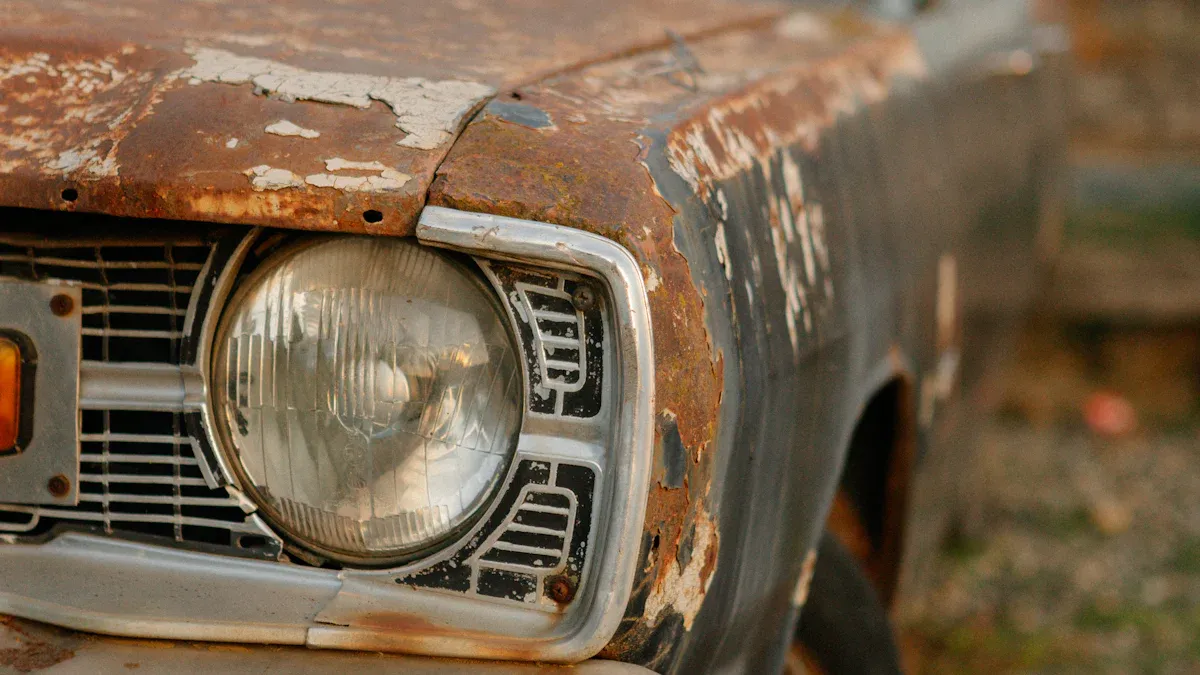
Using a rust remover brush takes just a few simple steps. The right surface cleaning brush should always be chosen, and safety gear must be worn. Tough rust spots can be tackled without stress. Great results can be achieved with minimal effort, keeping metal surfaces looking smooth.
Key Takeaways
-
Pick the rust remover brush that fits your surface and rust. Nylon brushes are good for light rust. Stainless steel brushes are better for heavy rust.
-
Always put on safety gear like gloves and goggles. This keeps you safe from rust bits and chemicals when you clean.
-
Clean your rust remover brush after you use it. Store it the right way. This keeps the brush working well and helps it last longer.
Choosing the Best Rust Remover Brush
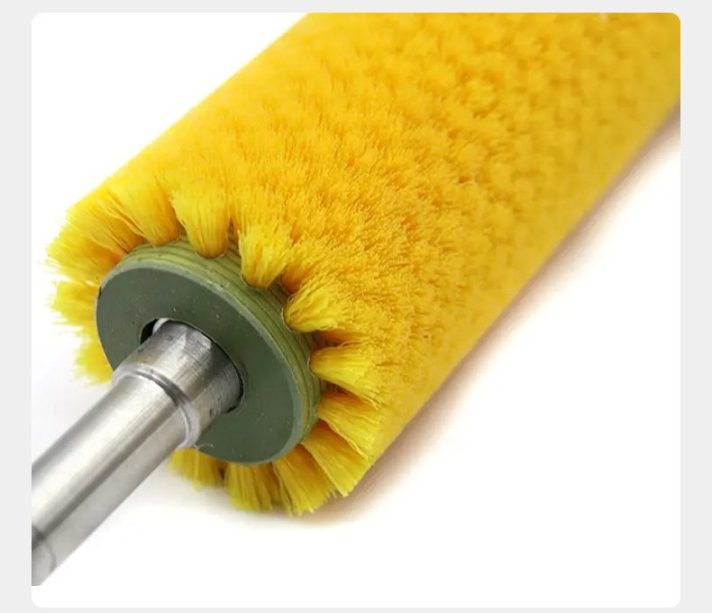
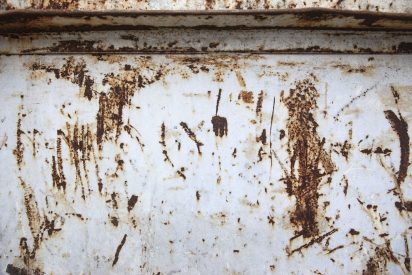
Surface cleaning brushes help remove dirt, grime, and rust from many types of surfaces. These tools work in homes, factories, and shops. A brush can be used to clean metal, wood, or even plastic. Picking the right brush makes a big difference. The wrong brush might scratch or damage the surface.
Brush Types: Nylon vs. Stainless Steel
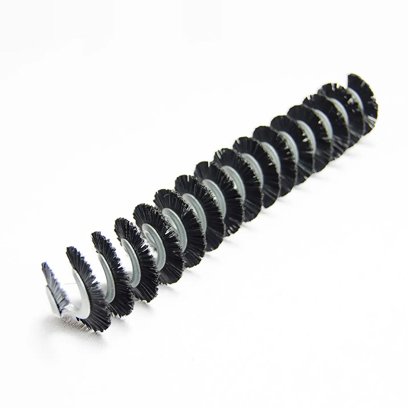
Nylon wire brushes work well for light rust and delicate surfaces.
Stainless steel brushes handle tough jobs and heavy rust removal. The surface should be checked before choosing the brush. Nylon brushes clean without leaving scratches. Stainless steel brushes remove thick rust fast.
|
Brush Type |
Best For |
Surface Safety |
|---|---|---|
|
Nylon |
Light rust, paint |
Gentle on surfaces |
|
Stainless Steel |
Heavy rust removal |
Tough on rust |
Selecting for Surface and Rust Level
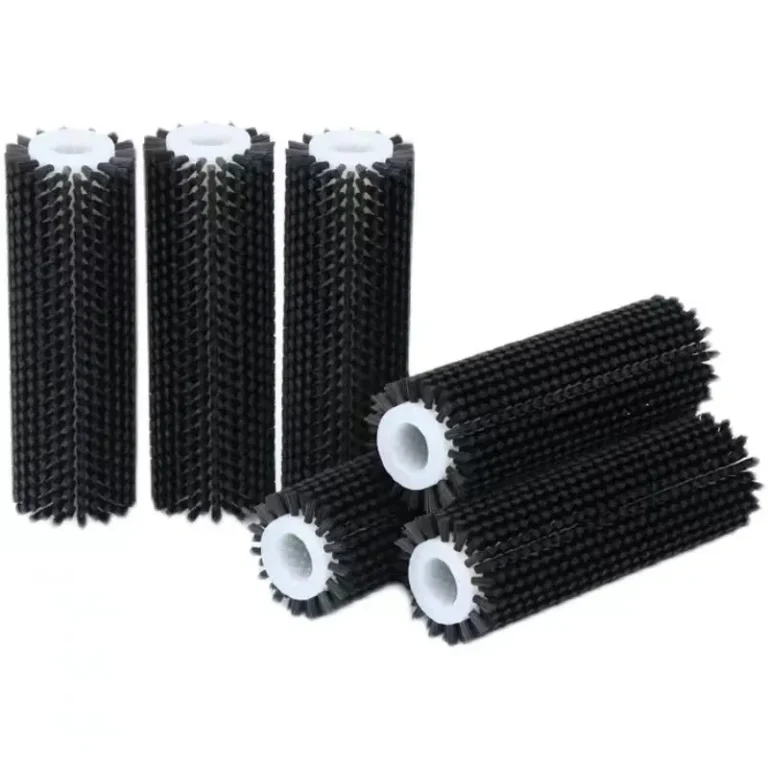
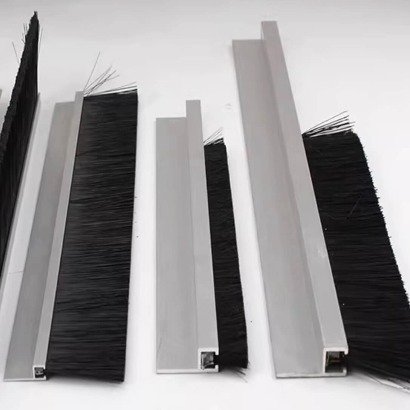
The severity of the rust should dictate your tool choice. Light oxidation requires a soft rust remover brush, while heavy scale needs a stronger wire filament. For large, flat areas, roller brushes (such as a conveyor cleaning brush design) cover more ground. For tight spots, manual wire brushes or power tool attachments are more effective.
Tip: Test the brush on a small area first. This helps avoid damage.
Recommended Tools
Wire brushes can be used for small spots. Roller brushes work for flat surfaces. Power tool attachments save time on large jobs. Each tool helps remove rust and keeps surfaces clean.
How to Use a Rust Remover Brush
Preparation Steps
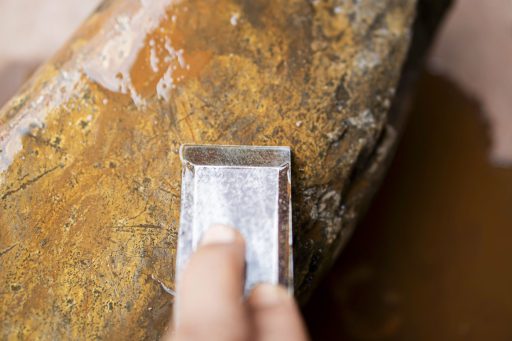
Start by setting up a safe workspace. A clean area helps keep tools organized and prevents accidents. Safety gear is important, including gloves, safety glasses, and a mask if dust is present. Good ventilation keeps air fresh, especially when using chemical rust removers. Before picking up the rust remover brush, the surface should be wiped to remove loose dirt. Degreasing works best before cleaning. Laundry washing powder in hot water removes grease easily. A rinse with plain hot water clears away any leftover soap.
Tip: Always test the brush on a small spot first. This helps avoid scratches or damage.
Using a Power Brush
Power brushes make heavy rust removal faster. The rust remover brush is attached to a drill or grinder. The attachment should be checked to ensure it fits tightly before turning on the power. Using a power brush means less effort and more even results. Gentle pressure should be applied to let the tips of the brush filaments do the work. Too much force can overheat the wires and wear out the brush quickly. Power brushes reach large areas and tough rust spots. For small crevices, hand brushes work better.
Additional tips for using power brushes: Move the brush slowly across the surface. Keep the tool moving to prevent gouges. Take breaks to check progress and avoid overheating.
Brushing Technique
Smooth, steady strokes should be used with the rust remover brush. Wire brushing works well for contours and crevices. Abrasive blasting removes severe rust, but walnut shell or plastic media protect delicate surfaces. Needle scalers and grinders help with thick rust, but they require skill. The table below shows which technique works best and how to minimize surface damage:
|
Technique |
Effectiveness |
Surface Damage Minimization |
|---|---|---|
|
Wire brushing |
Good for contours and crevices |
Hand brushes for detail work |
|
Abrasive blasting |
Most thorough for severe rust |
Walnut shell or plastic media for delicate surfaces |
|
Needle scalers |
Excellent for thick rust scale |
N/A |
|
Grinding |
Fast removal but requires skill |
N/A |
Pressing too hard should be avoided when using a wire brush attachment. Proper pressure allows the brush to clean rust off metal tools without damaging them. Too much pressure can shorten the life of the brush.
Cleaning After Rust Removal
After removing rust, the area needs to be cleaned. Degreasing is the first step. Laundry washing powder in hot water works well and costs little. Rinse with plain hot water to remove any residue. To clean the rust remover brush, follow these steps:
-
Remove coarse dirt by brushing the tool and wiping it dry.
-
Dissolve oil and grease with a soap solution, then dry completely.
-
Treat any rusted areas on the brush right away using a wire brush or sandpaper.
-
Polish the brush with tool oil to prevent future rust.
Note: Mechanical methods like wire brushes can be hard work and may not reach every spot. Chemical methods need careful handling. Natural methods take more time and effort.
The rust remover brush should be kept dry and stored in a safe place. This helps the brush last longer and stay ready for the next job.
Safety and Rust Removal Tips
Essential Safety Gear
Safety rules should always be read before starting. Safety glasses protect the eyes from rust pieces. Gloves protect the hands from cuts and chemicals. Good airflow helps prevent breathing in dust or fumes. These steps make the workspace safer and more comfortable.
-
You need puts on goggles to stop rust from hurting his eyes.
-
You could wear gloves so his hands do not get cut or hurt by chemicals.
-
You need opens windows or uses fans to get fresh air when removing a lot of rust.
Avoiding Surface Damage
To clean rust without scratching the metal, it’s crucial to monitor the angle of the grinder to prevent damage. Iron-free discs, which are suitable for stainless steel, should be selected. Starting with medium grit reduces scratches and facilitates easier polishing later on. Using light pressure with the brush prevents wires from breaking, and moving the tool ensures even cleaning.
-
Checking the grinder’s angle helps avoid making deep marks.
-
Selecting the right disc for the job is essential.
-
Starting with medium grit minimizes scratches.
Maintenance and Storage
Keeping the brush clean and dry after using it is important. Storing tools in a toolbox or storage box protects them from air and water. Ensuring the brush is dry before putting it away helps prevent rust and keeps the brush ready for the next use.
-
Storing the brush in a toolbox keeps it dry.
-
Cleaning and drying the brush before putting it away is recommended.
-
Avoiding leaving tools that can rust out in the open helps maintain their condition.
Tip: Cleaning and storing brushes the right way helps them last longer and work better.
Using a rust remover brush makes cleaning easy and fast. Better results are achieved by identifying the rust type and using the right steps. Safe habits and good technique help tools last longer. For best results, these key points should be remembered:
-
Identify the rust and surface before starting.
-
Prepare the area with pre-treatment.
-
Use gentle, proper technique for each tool.
-
Clean and store brushes to keep them working well.
Anyone can keep metal surfaces looking great with these simple steps!
FAQ
1. How do I maintain my rust remover brush for long-term use?
You should clean your rust remover brush after every session. Remove any trapped metal fragments and grease, then ensure the brush is completely dry before storing it in a toolbox. Applying a small amount of protective oil to the wire bristles can prevent them from oxidizing.
2. Is it safe to use a wire rust remover brush on painted metal?
Generally, no. A wire rust remover brush is designed to be abrasive and will likely scratch or completely strip the paint along with the rust. If you want to preserve the paint, consider using a very soft nylon brush or chemical spot treatments instead.
3. When should I replace my rust remover brush?
Replace the brush if you notice the wires are thinning, snapping off, or becoming permanently bent. A worn-out rust remover brush loses its cleaning efficiency and can become a safety hazard as loose wires may fly off during high-speed use.