The Direct Impact of Tool Maintenance on Tuning Efficiency
A dirty tool can destroy a surface that is clean. A dirty tuning shop will have no knowledge of a clogged ski brush destroying the base of a ski instead of polishing it. The bristles of a ski brush lose their ability to penetrate the microscopic structure of the ski base when they become packed with dried wax and dirt. Regular maintenance can maintain filament memory, stop cross-contamination of different temperature waxing, and greatly extend the usefulness of the tools. When you treat a ski tuning brush as a precision instrument instead of a disposable consumable, you enjoy better glide speed on the snow and improved efficiency in your workshop.
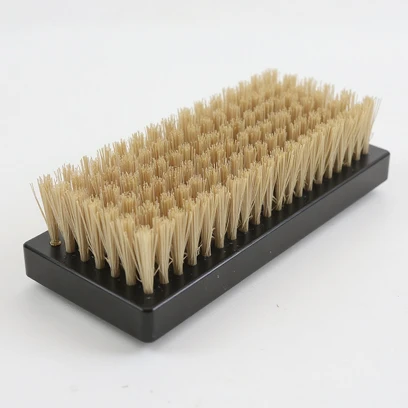
Systematic Cleaning Protocols for Wax-Saturated Bristles
In order to clean excess wax from your old bristles without damaging either the underlying inkjet block or the roots of your bristles, mechanics will need to take an organized approach to cleaning any build-up on their brush bristles. Good maintenance of your brushes requires both dry mechanical removal and careful chemical cleaners.
Mechanical Dry Cleaning Methods
To maintain bristle flexibility when both wax has been applied, it’s best practice for technicians to continually keep the bristles clear from hardened wax at the base. For a quick removal of brittle and cold wax matter, they can pass a hard metal scraper across the ends of the filaments. A vacuum can also be used on top of the bristle clusters, this will pull fine dust particles and fluorocarbon off the bottom of the ski. The use of this dry method will keep the bristles pliable and ready for the next application of wax.
Chemical Solvent Washing
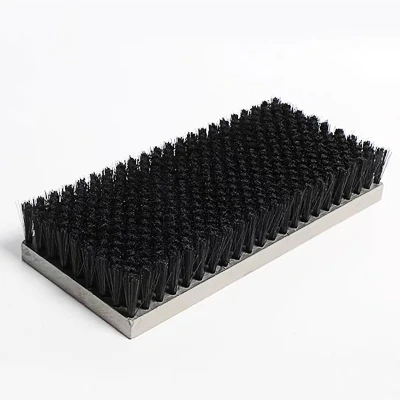
Sticky waxes build up over time on synthetic bristles and become tightly bonded to them, making it difficult to mechanically extract them. In addition, the build-up of sticky waxes on synthetic bristles often requires chemical intervention with a wax remover that can remove the sticky waxes from the bristles without damaging the structural integrity of the tool. Professionals routinely check PVC vs nylon brush plate chemical resistance compared prior to soaking their tools in a wax remover to determine whether or not they will be able to safely use the remover on their tools.
High-quality synthetic base blocks are resistant to damage from harsh citrus or hydrocarbon solvents, whereas low-quality wooden blocks will absorb the solvents, become damaged (swelling) and eventually release their bristles.
Proper Storage to Prevent Filament Deformation
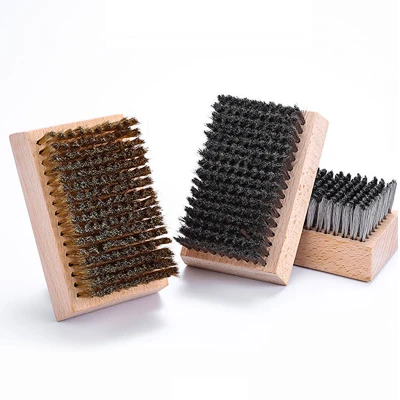
Good physical storage makes up half of the maintenance equation. A standard tuning tool functions as a specialized plate brush; keeping it face side-down under heavy equipment, as you would with a common tool, will permanently crush the filaments. Once either nylon or horsehair is bent to the point of being out of shape, it is incapable of returning to its upright position and is no longer capable of sweeping vertically while providing a structure to the base.
To protect investments in equipment, adhere to stringent operational storage guidelines as outlined here:
- Hang vertically: Locate tools on pegboard as far as possible to support via the handle or holes drilled for support, thereby allowing bristles to be totally clear of pressure
- Face up: If resting on a bench, all blocks should be placed flat (back side) on the bench, thus all bristle direction will point straight up (ceiling)
- Avoid high temperatures: Keep synthetic bristles clear of heating sources such as hot tuning iron and store heater at least six feet from bristles – otherwise there are excellent chances of plastic filament deforming or melting
Different types of bristle materials require different care routines. The proper procedure ensures that each type of tool will keep its specific functional advantage during the tuning sequence.
Brush Material Contaminant Recommended Cleaning Methods Storage Precaution
Brass / Steel Oxidation dust Vacuuming or use a stiff scraper to remove Store dry for rust prevention
Hard Nylon Unwanted bulk wax buildup Flick off with a scraper and use a solvent soak Do not expose to direct high temperatures
Horsehair Micro-dust and static Gentle vacuuming only Protect from severe crushing
Translating Precision Tool Care to Industrial Engineering
To keep winter sport gear and machinery up-to-date, similar types of technician jobs help keep the technology the same across all the different machines and sports. Both types of equipment share similar core functions: anchoring the filament securely and having a very solid yet flat substrate to hold up to wear and tear.
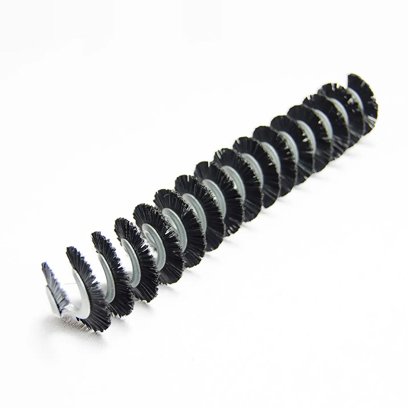
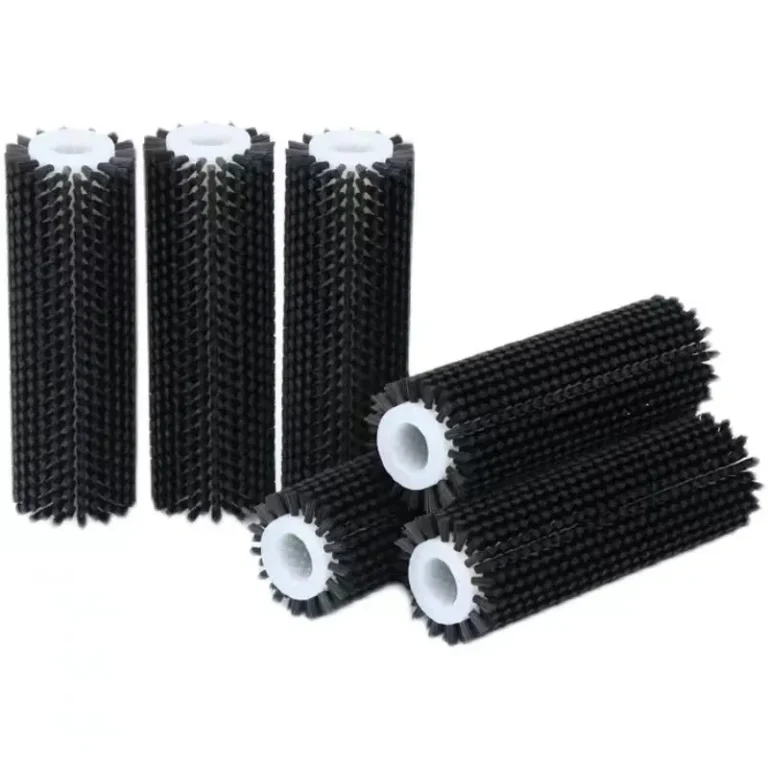
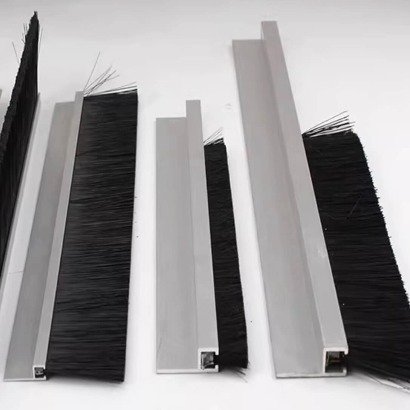
To keep these types of equipment working, facility managers can also use customized cleaning devices for flat surfaces such as a Custom Plate Brush for Unique Engineering Needs to clean up heavy dirt in a manufacturing facility, where flat surfaces can be very common.
Additionally, preventing particle accumulation is an imperative for an industry wide standard. As a clean tuning tool provides a smooth ski base, a well-maintained brush plate expert for CNC lathe setup keeps sharp metal shavings from damaging delicate machine bearing assemblies. This comparison indicates that maintaining a clean working area due to proper brush maintenance results in tremendous benefits in all mechanical fields.
Conclusion
By utilizing a clean, dry ski brush, you can increase the speed and glide of your skis due to the effective maintenance of the applied wax. By incorporating comprehensive dry cleaning practices, careful chemical washing methods, and appropriate structural storage (for your ski tool), technicians receive the maximum benefit from the money spent on the tool. Through filament integrity and regular maintenance of the tool, each tuning session will result in a properly structured, race-ready/base skis, minimizing physical effort and long-term replacement costs.
FAQ
When should workshops use chemical wax removers on their synthetic bristle brushes?
Applying a chemical soak at the end of the season or once a month will maintain the integrity of the synthetic filaments.
Is it possible that keeping the base of a ski tuning tool on a flat surface will destroy it permanently?
Yes. If a tool is subjected to long-term pressure, its filaments will be permanently deformed. Always store tuning tools bristle side up or hang them vertically to preserve their original shape and cleaning power.
Are industrial vacuums safe to use on cleaning fine horsehair bristles?
If you take care when cleaning with a standard shop vacuum, then yes, they are safe for these types of brushes. Do not clean these types of brushes with an aggressive scraper style vacuum attachment, as they will damage the natural fibers of the brush by pulling them out of the base block.