Why Material Selection Matters in Ski Tuning Brush Performance
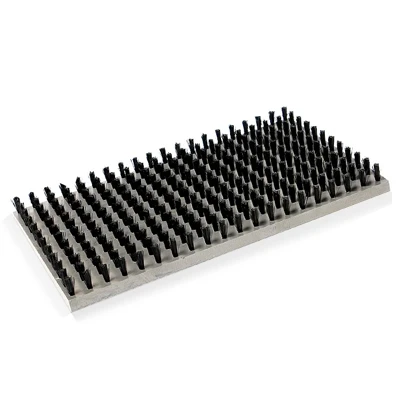
When selecting tools for ski maintenance, brush material directly affects cleaning efficiency, polishing quality, and ski glide performance. A professional Ski Tuning Brush is designed for specific tuning stages rather than general-purpose use.
Ski workshops and rental service providers often evaluate ski performance based on glide consistency and base smoothness. A properly selected Ski Brush helps maintain both while also extending ski base lifespan.
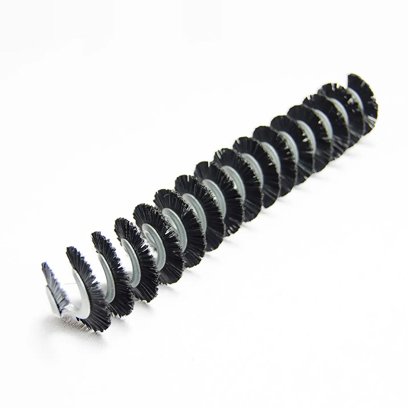
The structural design also plays an important role. In many professional tuning systems, the plate brush configuration provides more even pressure distribution across the ski base, helping technicians achieve a more consistent finish.
Key Factors in Selecting Ski Tuning Brush Material
Selecting the right Ski Tuning Brush material depends on several practical factors. Different ski conditions and waxing stages require different brushing performance.
Professional ski technicians usually evaluate the following before choosing brush materials:
- Ski base condition and wear level
- Wax hardness and wax type
- Required cleaning or polishing stage
- Frequency of ski maintenance use
These factors directly affect brushing efficiency and final ski performance.
For example, heavily used skis often require more aggressive cleaning materials, while race skis usually need finer polishing for maximum glide performance.
Common Materials Used in Ski Tuning Brush Systems
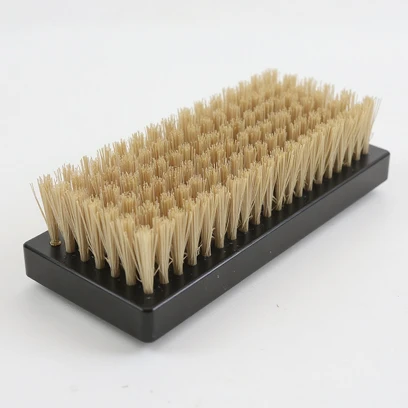
Different materials define how a Ski Tuning Brush performs during ski preparation and finishing.
Material Comparison Table
| Material Type | Performance Level | Application Stage | Characteristics |
|---|---|---|---|
| Nylon | Medium | Polishing & finishing | Flexible and smooth surface finishing |
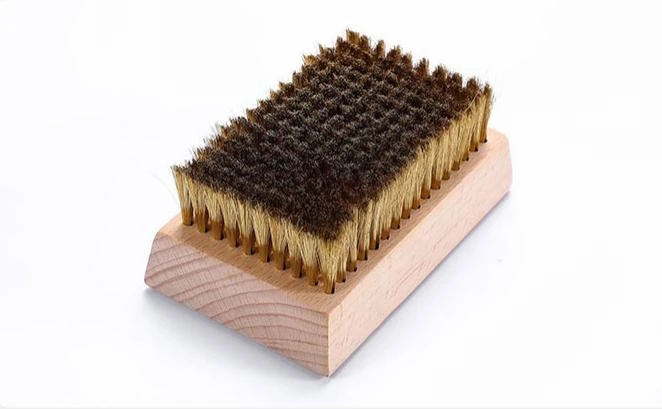
| Brass | High | Base cleaning | Strong abrasion and deep cleaning ability |
| Horsehair | Fine | Final polishing | Soft contact with high-gloss finishing |
| Steel | Very High | Structure opening | Aggressive removal of old wax layers |
Each material serves a different purpose in the ski tuning process. Professional workshops often combine multiple brush types to complete a full maintenance cycle efficiently.
Why Brass Ski Brush Is Common in Professional Ski Workshops
The Brass Ski Brush is widely used in professional ski tuning because it delivers strong cleaning performance without creating excessive damage to ski bases.
Technicians commonly use this type of Ski Tuning Brush during the first preparation stage. Brass bristles remove old wax residues effectively and help reopen the ski base structure before fresh wax application.
Main Advantages of Brass Ski Brush
- Strong cleaning power for wax removal
- Improved wax absorption before rewaxing
- High durability for workshop environments
- Effective pre-wax preparation performance
Because of these advantages, many professional ski maintenance centers treat brass brushes as essential tuning tools.
How Plate Brush Design Improves Tuning Stability
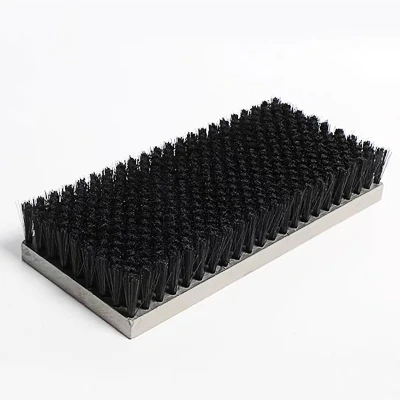
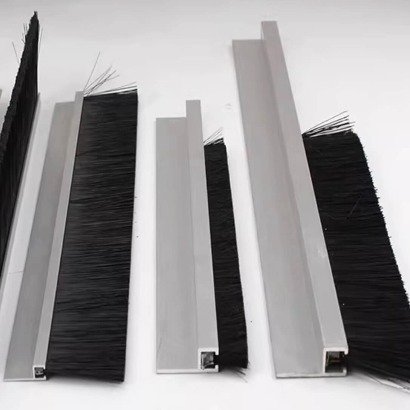
The plate brush structure improves brushing stability by distributing pressure evenly across the ski surface. This helps reduce uneven polishing marks and improves overall finishing consistency.
Compared with handheld brush systems, plate-based structures provide several operational advantages:
- More stable surface contact
- Reduced operator fatigue
- Better polishing repeatability
- Improved consistency during high-volume tuning
These benefits explain why many advanced Ski Tuning Brush systems adopt plate-style structures for professional applications.
For specialized engineering applications, refer to Custom Plate Brush Solutions for additional structural design insights.
Standard Workflow of Ski Tuning Brush Applications
Professional ski maintenance usually involves several brushing stages. Different Ski Tuning Brush materials perform different functions throughout the workflow.
The process often begins with brass brushing to clean and open the ski base. After wax application and cooling, technicians use nylon or horsehair brushes to refine and polish the surface.
Typical Ski Tuning Process
- Base cleaning using brass brush
- Wax application onto ski base
- Cooling and wax penetration
- Nylon or horsehair polishing
- Final finishing for glide optimization
Each stage contributes to smoother ski movement and better snow performance.
Industrial Perspective on Ski Brush Technology
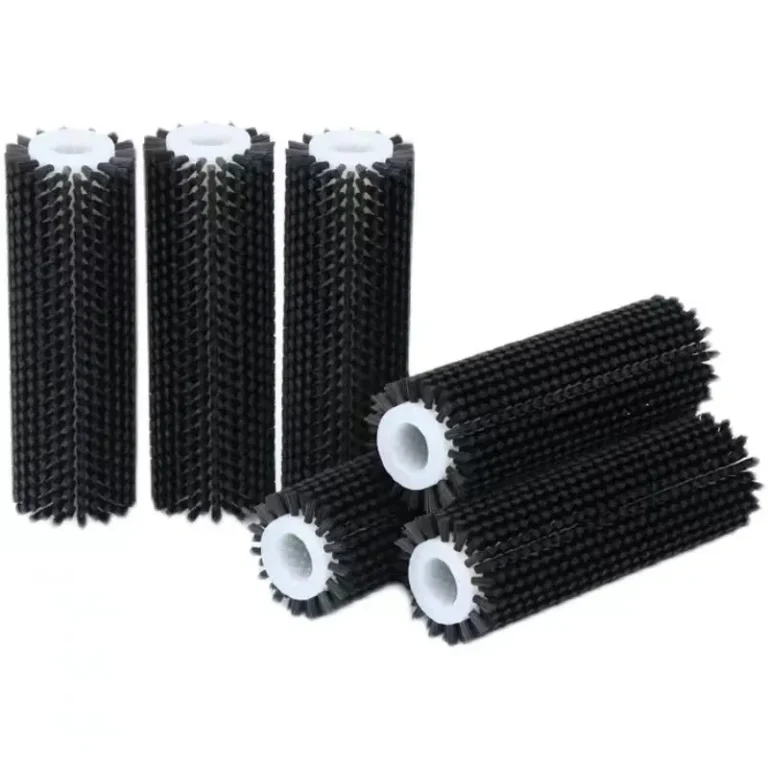
A Ski Brush shares many structural principles with industrial brushing systems used in cleaning and surface preparation industries.
Many industrial systems also rely on plate-based structures because they provide stable brushing pressure and consistent surface treatment results. Similar technologies are widely used in CNC cleaning and industrial board processing environments.
For additional technical reference, explore Plate Brush for CNC Cleaning Applications to understand how plate brush systems improve cleaning consistency in industrial applications.
Choosing the Right Ski Tuning Brush for Different Users
Different user groups require different Ski Tuning Brush configurations depending on maintenance frequency and performance expectations.
Ski rental shops usually prefer durable brass and nylon combinations because they handle repeated daily use efficiently. Professional ski teams often adopt multi-stage tuning systems to achieve more precise glide performance.
Retail users typically choose compact Ski Brush kits for convenience, while industrial testing environments prefer structured plate brush systems for greater repeatability and process control.
Conclusion
Choosing the correct Ski Tuning Brush material directly affects ski performance, polishing quality, and maintenance efficiency. Brass, nylon, horsehair, and steel all serve different functions during ski tuning.
A high-quality Ski Brush, especially when combined with a stable plate brush structure, improves surface consistency and helps skis maintain better glide performance across changing snow conditions.
Frequently Asked Questions
What material works best for Ski Tuning Brush applications?
Brass brushes work best for deep cleaning, while nylon handles polishing and horsehair improves final finishing performance during ski maintenance.
Can a Ski Tuning Brush damage ski bases?
A properly selected Ski Tuning Brush will not damage ski bases. Incorrect material selection may create excessive abrasion or uneven polishing.
Why do professional workshops use plate brush structures?
Plate brush systems improve pressure consistency and brushing stability, helping technicians achieve smoother and more uniform ski base finishes.