Conveyor Brush performs much more than sweeping the surface of a belt. In the mining, food processing, and recycling sectors, they address very particular operational issues, from removing abrasive carryback to maintaining high hygiene standards. Understanding the ways in which each industry applies these brushes will facilitate the purchase of the proper solution by the buyer. This article outlines the most typical use cases and what makes each application unique.
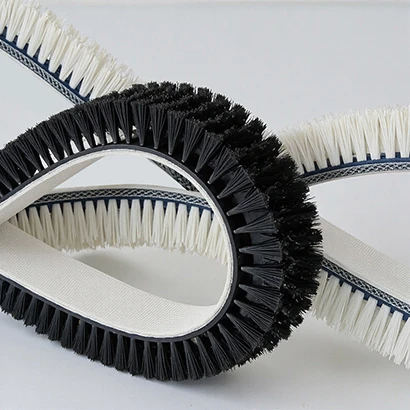
Why Industries Rely on Conveyor Brushes
Material will always be accumulated by any conveyor belt system during its operation. If not cleaned well, the waste will cause problems of belt tracking, accelerate roller wear, and lead to downtime that was not planned.
A properly selected Conveyor Brush will remove carryback at the right point on the belt’s return path and keep the whole system running — a small but often overlooked factor in overall efficiency.
But, every industry does not face similar challenges. The material being handled determines the type of brush, stiffness of filaments, and position of mounting. An operator who understands his particular conditions gets much better performance as well as longer brush life.
For a more in-depth look at the filament options, the guide on belt brush materials covers this.
Mining Industry
Removing Heavy Carryback
Mining is one of the abrasive industries involving materials like coal, iron ore, limestone, and sand. These materials stick to the surface of the belt and if not removed they will accelerate the wear of the return rollers.
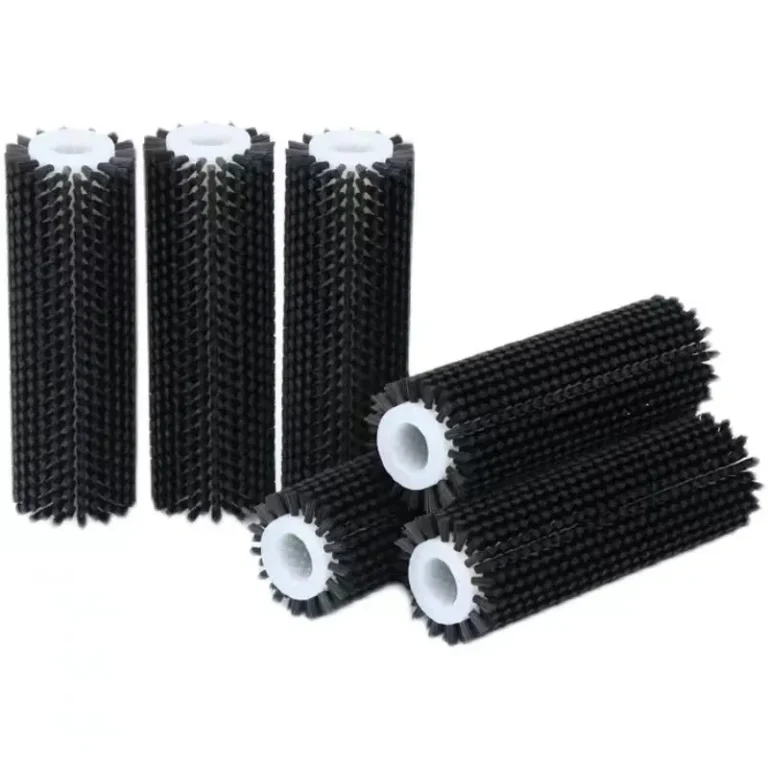
Most of the carryback is stripped by a heavy-duty belt brush mounted at the head pulley to ensure that it does not reach downstream components.
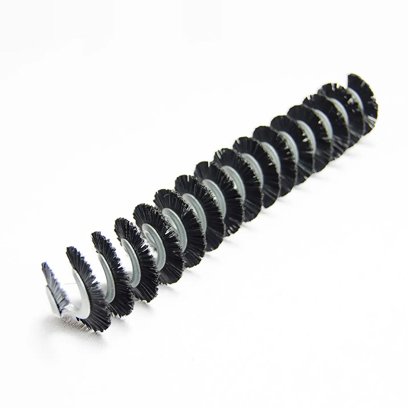
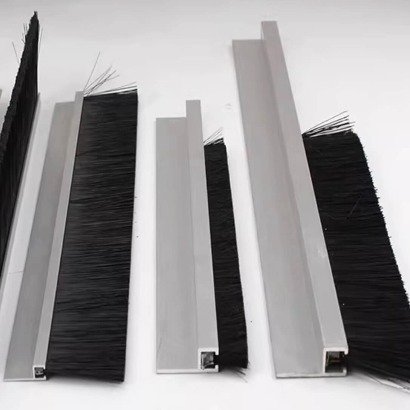
Many operators working at coal handling plants also install a conveyor brush strip along the return side of the belt to catch fine particles that the primary scrapers miss. This dual approach can reduce material spillage significantly.
Dust and Spillage Control
Mining sites need to adhere to very stringent regulations on dust control. Loose particles are also contained by brushes installed at the transfer points, minimizing airborne dust.
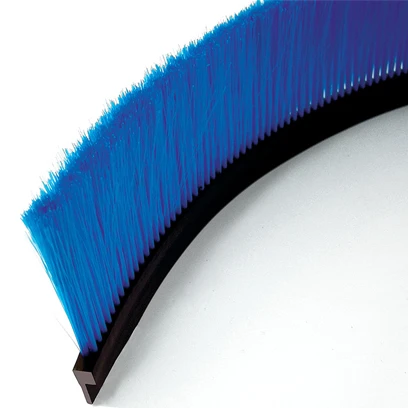
A curved strip brush is the best fit for sealing gaps around conveyor enclosures; this stops fine dust from getting out into the surrounding area.
Food Processing Industry
Meeting Hygiene Standards
Food processing lines are run under very strict hygiene regulations. Therefore, the Conveyor Brush systems in this area must be bacteria-resistant and able to withstand regular high-pressure cleaning.
For applications in the food industry, manufacturers usually make these from nylon or filaments approved by the FDA.
Usual cleaning jobs are:
- Removing crumbs and small particles from the surfaces of flat belts
- Cleaning mesh belts on lines used for baking and frying
- Sweeping loose product from conveyors used for sorting and packaging
Gentle Cleaning for Delicate Products
In contrast to mining, food processing is usually soft-touch. The brushes have fine, flexible filaments to clean the belts without scratching them or creating grooves where bacteria can grow.
Most facilities that handle baked goods, fresh fruit, or packaged snacks would prefer this kind of cleaning.
In food environments, it is very important to match the brush to the belt material. The article will discuss how to match the specifications of the brush with the type and width of the belt in custom conveyor cleaning brush solutions.
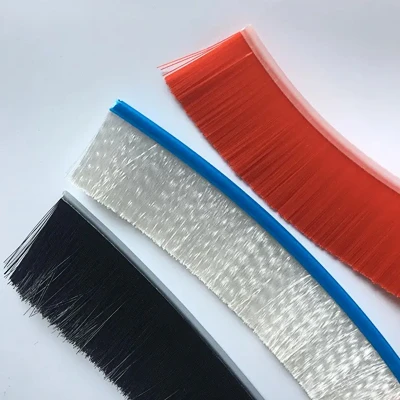
Recycling Industry
Keeping Sorting Lines Clean
Recycling plants handle a jumbled collection of plastic, paper, glass, metal, and organic waste. Conveyor brushes aid in the accuracy of sorting since they remove dirt between stages of processing.
At the same time, the optical sorters and sensors do not receive regular cleaning, and then their precision is lost; hence their output will be contaminated in the last sorting stage.
Preventing Equipment Jams
Loose materials, particularly plastic film and string, wrap around the rollers and cause jams.
At critical points, the operators install brushes to deflect these materials away from the moving parts. This simple measure prevents costly shutdowns and reduces the necessity for clearing by hand.
For facilities that are upgrading their conveyor cleaning setup, this industrial brush for delivery systems will also help control the flow of materials and reduce spillage at discharge points.
Quick Comparison Across Industries
| Factor | Mining | Food Processing | Recycling |
|---|---|---|---|
| Main Contaminant | Rock, ore, coal dust | Food particles, oils | Mixed debris, plastic film |
| Typical Filament | Steel, polypropylene | Nylon, FDA-approved | Polypropylene, nylon |
| Cleaning Intensity | Heavy-duty | Gentle to moderate | Moderate |
| Top Concern | Abrasion resistance | Hygiene compliance | Jam prevention |
| Common Brush Style | Strip brush, roller brush | Strip brush, custom shape | Strip brush, roller brush |
How to Pick the Right Conveyor Brush for Your Application
The right brush for your application starts with understanding everything that makes your specific operating environment.
Key factors include:
- Belt speed and width
- Type and stickiness of carryback material
- Required filament stiffness and diameter
- Available mounting space at the cleaning position
- Cleaning frequency and expected brush lifespan
Operators who match these factors to the right brush design can avoid premature wear and achieve consistent cleaning results.
The guide on selecting the best conveyor belt brush walks through each consideration step by step.
FAQ
Can one conveyor brush work across all three industries?
No. Each industry demands different filament materials, stiffness, and hygiene standards. Always match the brush specification to your specific material and operating conditions.
How frequently should a belt brush be changed on a conveyor system?
It varies with the abrasiveness of the material being conveyed and the number of hours the belt operates. In most plants, monthly inspections are carried out, and replacement is done when the filaments wear below the effective working length.
Do you supply custom sizes for different conveyor widths?
Yes, by width, filament type, trim length, and backing channel — for specific systems across mining, food, and recycling applications.