Facilities that manufacture goods often find it difficult to maintain high operational productivity and quality due to contamination on the surface of manufacturing conveyor belts. If the conveyor cleaning brush is not properly matched to the conveyor belt, it will usually degrade the conveyor belt surface, leave residue, or prematurely wear out. The solution is to personalize the selection of brush materials and sizes to exactly match the properties of the particular conveyor belt being serviced. The connection between belt composition and brush specifications changes cleaning from a maintenance liability to an effortless process; facilities that take the time to accurately evaluate and select the best conveyor belt brush tend to experience lower downtime and less frequent replacement costs.
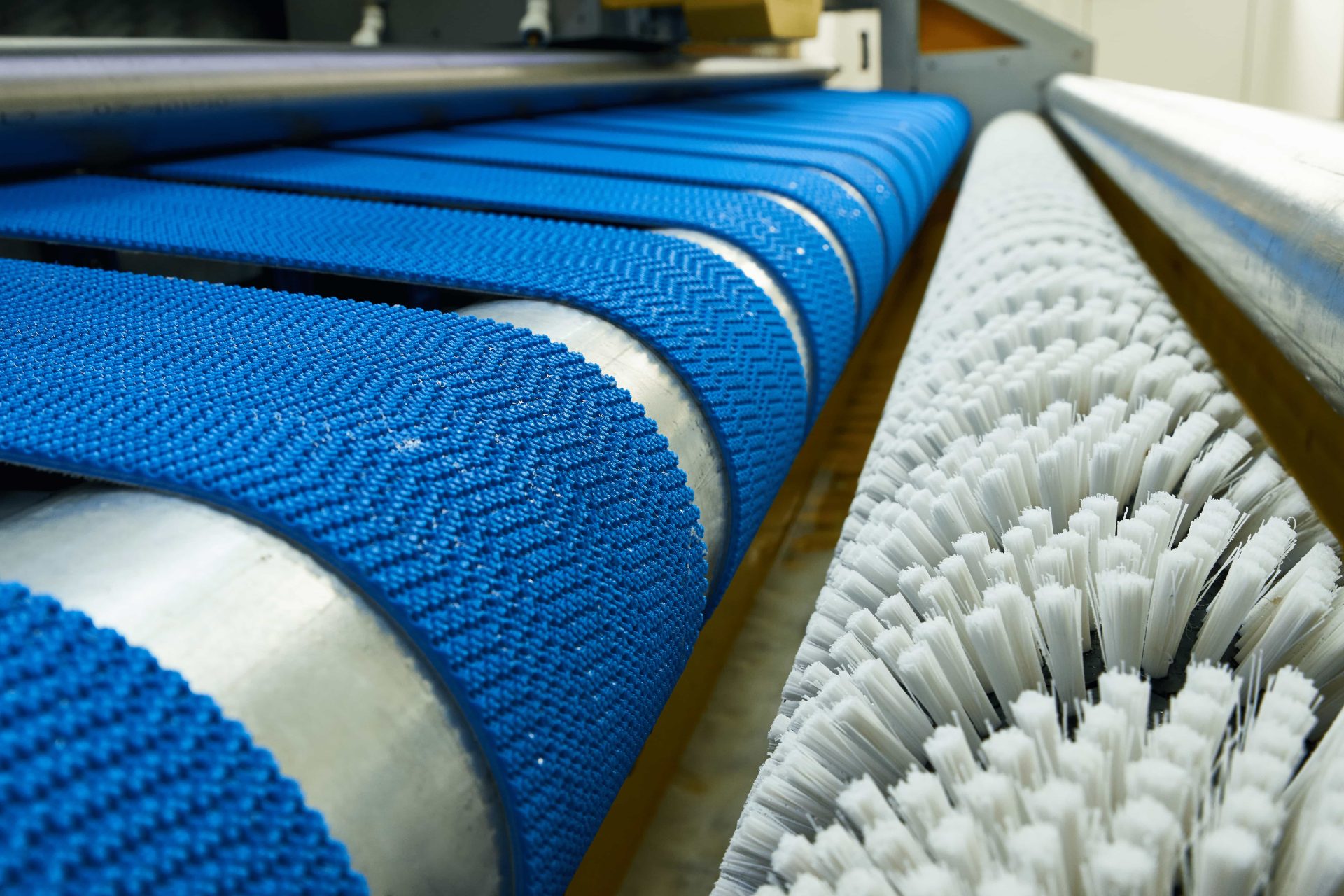
Why Belt Material Determines Brush Selection
Belt types vary substantially, ranging from heavy-duty rubber compounds on mining belts to food-grade PVC on a processing facility’s conveyor. Therefore, each belt type reacts differently when it comes into contact with bristles. Material compatibility is the foundational basis for successful cleaning.
For instance, a rubber belt commonly found in heavy industrial applications can withstand the harsh bristles of an aggressive nylon cleaning brush for removing tough debris. Conversely, a delicate PU belt used in electronics manufacturing requires the use of a gentler polypropylene bristle to prevent surface damage. Without an appropriate combination of brush and belt materials, poor performance is almost guaranteed, often manifesting as increased belt wear or insufficient cleaning effectiveness.
Temperature is another significant consideration. Whether a bristle material will melt, deform, or remain rigid in high-temperature conditions is a critical factor. Locations utilizing ovens or dryers must ensure they specify heat-resistant bristle materials when customizing equipment.
Matching the Width of the Brush to the Belt Prevents Operational Issues
Brushes that do not match the width of the belt can cause severe operational issues. If a roller brush is undersized and the edges of the belt bypass the bristles, material builds up on the belt edges, eventually leading to serious tracking problems. Conversely, if the brush is oversized, outer bristles are wasted and may interfere with the conveyor framework, creating unnecessary friction.
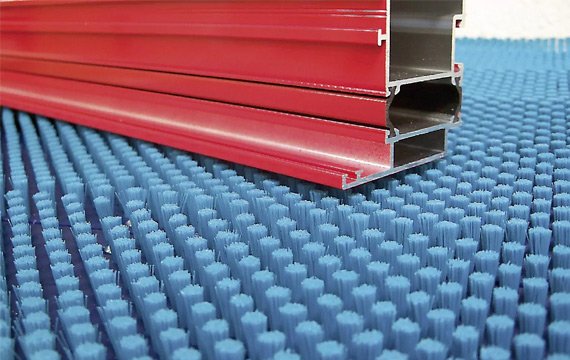
Clarification of Technical Details for Accurate Measurement
To achieve an accurate belt width measurement before installation, consider the following steps:
- Measure multiple points along the conveyor line.
- Identify if there is any belt expansion caused by heavy loads or temperature changes.
- Document any edge wear affecting the effective cleaning width.
- Consider future belt replacements that may vary slightly in size.
Industry standards dictate that the chosen brush should be no more than 5mm wider than the belt width. This ensures full coverage of all surfaces while allowing for minor variations in size.
Adjustable vs. Fixed-Width Solutions
Several types of operations benefit from using an adjustable roller brush system, which can be modified to fit multiple belt sizes. A fixed-width system simplifies installation, but an exact specification must be determined prior to setup. The final decision should be based on whether the facility utilizes standardized or highly varied conveyor configurations.
Material Compatibility Guide
To achieve optimal performance, understanding different conveyor belt cleaning brush types is necessary. The following matrix outlines which bristles operate best with specific belt materials.
| Belt Material | Brush Bristle Type | Brush Stiffness | Typical Industry Uses |
| Rubber | Nylon | Medium-Stiff | Mined products and aggregate handling |
| PVC | Polypropylene | Soft to Medium | Food Processing and Packaging |
| PU (Polyurethane) | Soft Nylon | Soft | Electronics and Pharmaceuticals |
| Fabric/Canvas | Natural Fiber Blend | Medium | Grain Handling and Textiles |
| Metal Mesh | Stainless Steel Wire | Very Stiff | High-Temperature Applications |
Note: Although this compatibility matrix represents a solid starting point, each application should be tested to verify performance. Applications processing highly sticky residues may require a stiffer brush than industry standards recommend.
Customizing Options Beyond Basic Dimensions
Modern manufacturers can customize brushes in numerous ways beyond just matching material and width. Key specifications include:
- Bristle density: More bristles create a more aggressive clean but cause a higher motor load.
- Length of bristles: Longer bristles reach deeper into belt textures, though excessive pressure may cause them to bend and lose effectiveness.
- Diameter of the core: Impacts the speed of rotation and the resulting cleaning contact pressure.
- Mounting configurations: Options typically include flanged mounting, shaft-mounted, and cartridge-style designs.
Spiral versus Straight Bristle Patterns
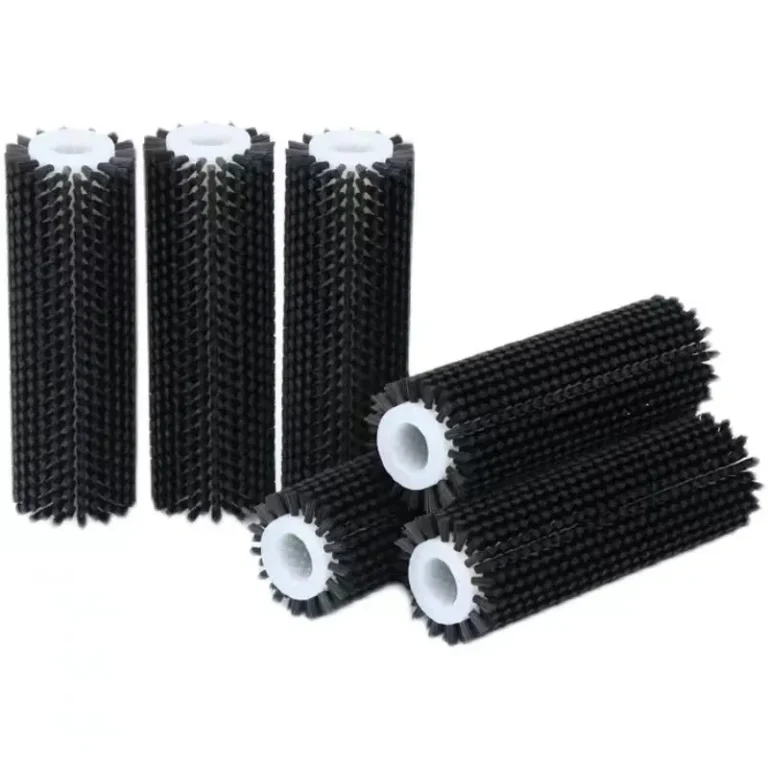
There are two primary brush arrangements: spiral and straight. A spiral brush cleans itself as it rotates, preventing debris from building up between the bristles. A straight bristle arrangement provides a highly aggressive clean but requires scheduled maintenance to remove trapped debris. The nature of the debris dictates the best pattern; spiral patterns excel with sticky debris, while both designs handle dry particles effectively.
Installation & Maintenance Factors
Even perfectly specified equipment will underperform if installed incorrectly. The method of mounting a brush in relation to belt travel direction dictates its overall effectiveness.
- Counter-moving Rotation: The best option for maximizing scrubbing ability, as it rotates in the opposite direction of the moving belt.
- With-belt Rotation: The preferred method when cleaning delicate or touch-sensitive objects.
- Contact Pressure: Mountings should allow for contact pressure adjustments based on the debris type to provide optimal cleaning performance.
Bristle wear trends must be monitored through regular inspection schedules. Uneven wear typically indicates a misalignment of the brush head or an improper pressure setting. Most industrial systems require bristle replacement every 6-12 months. Understanding the benefits of a roller brush for conveyor belt cleaning combined with proper maintenance is key to operational success.
Cost vs. Benefit Analysis of a Custom Solution
Custom-built cleaning systems can cost 20% to 40% more than standard, ready-to-use options. However, they are highly valuable due to the immediate operational returns:
- Extended belt life due to significantly less abrasive wear.
- Less product contamination, resulting in cleaner, higher-quality output.
- Lower maintenance labor costs by optimizing the cleaning process.
- Decreased risk of unplanned downtime due to premature brush failure.
Continuous flow operations routinely report achieving ROI on custom-built cleaning equipment within 3 to 6 months based on these advantages alone.
Conclusion
By selecting the correct conveyor cleaning brush based on both belt material and width, facilities create an optimized cleaning process rather than settling for a compromise. Investing upfront in customized specifications prevents costly issues like accelerated belt wear and product contamination down the line. Industrial operations that utilize properly specified components consistently out-perform those relying on generic alternatives.
Frequently Asked Questions
Q: When should a custom conveyor cleaning brush be replaced?
A: Depending on usage, debris type, and belt speed, replacement timeframes vary from 6 to 18 months. Regular visual inspections for uneven bristle wear help determine exact replacement needs.
Q: What brush design works efficiently across multiple belt materials?
A: While specific matching is best, modular brush systems allow facilities with varying belts to quickly swap out different bristle cartridges without replacing the entire mounting hardware.
Q: How long does it typically take to fulfill a custom brush order?
A: Custom orders generally require 2 to 4 weeks of advance notice. For critical B2B applications facing unplanned downtime, manufacturers can often expedite production upon special reques