Choosing the correct conveyor belt brush keeps systems working well. If the brush fits the belt and material, it cleans fast. This stops the belt from moving wrong and stops things piling up. Cleaning the conveyor belt often with the best brushes keeps products good and saves time. Each conveyor cleaning brush choice is important.
Key Takeaways
-
Picking the correct conveyor belt brush helps the system work better and stops it from breaking down often. Cleaning often stops things from getting stuck and keeps products safe.
-
Different brush types are made for special cleaning jobs. Strip, roller, spiral, and custom brushes each help in different ways for different uses.
-
Looking after and putting in conveyor belt brushes the right way makes them last longer and clean better. Look for damage and make sure they are fixed on tightly.
Why Conveyor Belt Brushes Matter
Performance Benefits
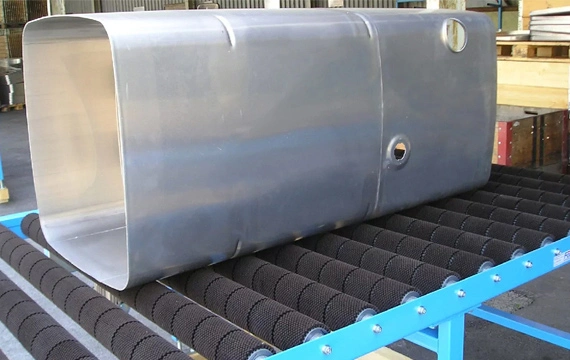
Conveyor belt brushes are important for conveyor systems. They take away rubbish from the belts. This stops blockages and keeps things moving. Cleaning the conveyor belt often helps the system work better. It also means less time fixing problems. Factories have fewer jams and spend less time on repairs. In food processing, clean conveyor belts are needed for safety and quality. Conveyor belt brushes help save energy because clean belts move easier.
-
Conveyor belt brushes stop build-up on belts.
-
They keep materials moving smoothly.
-
Conveyor belt brush systems lower the chance of jams.
-
Conveyor belt cleaners make the workplace safer by stopping slips and jams.
- For more details on why cleaning matters, see this guide on conveyor cleaning brush significance.
Product Quality
Clean conveyor belts help make products better. Conveyor belt brushes stop dirt and old material from mixing with products. This is very important in processing, where even a little rubbish can ruin things. Cleaning conveyor belts helps items move easily and not get stuck or broken. In food processing, keeping products safe and clean matters most.
-
Conveyor belt brushes stop contamination when moving products.
-
They help products move smoothly and stay safe.
-
Conveyor belt brushes help keep high standards in processing and packaging.
Types of Conveyor Belt Brush

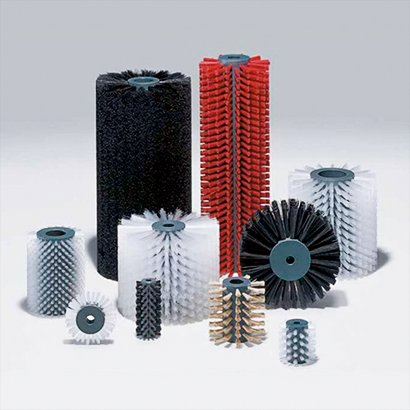
To pick the right conveyor belt brush, you need to know the main types. Each type is best for certain cleaning jobs and needs. Here is a quick look at the most common choices:
|
Brush Type |
Description |
Applications |
|---|---|---|
|
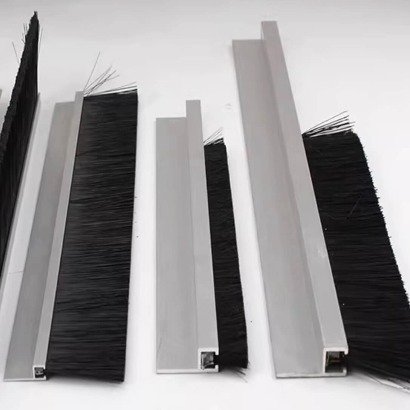
These are long and thin. They fit along the edge or surface of a conveyor. |
They remove rubbish, guide products, and stop contamination. |
|
|
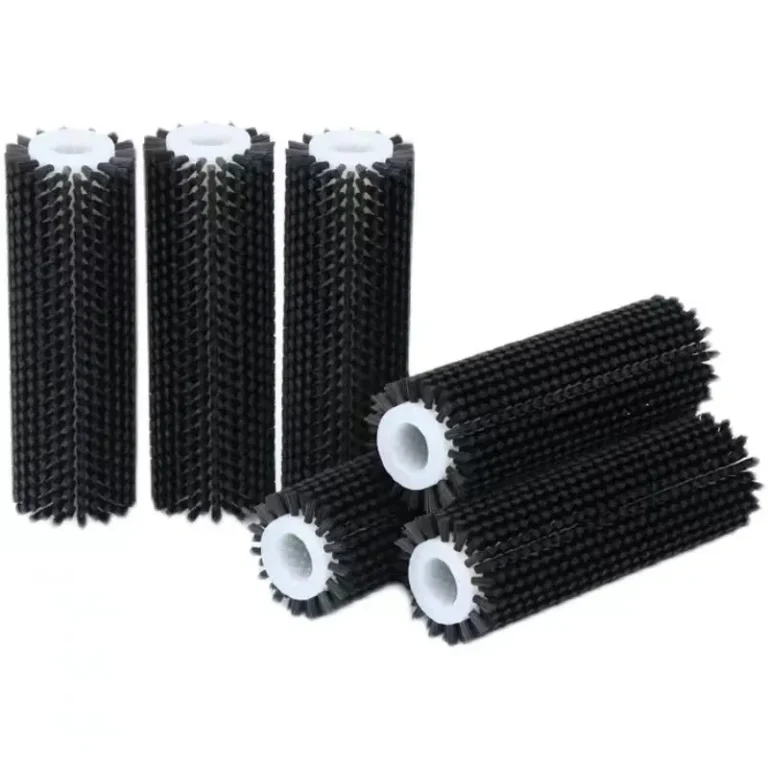
Roller Brushes |
These are round and spin to clean big areas fast. |
Used for cleaning in processing, food factories, and packaging. |
|
Spiral Brushes |
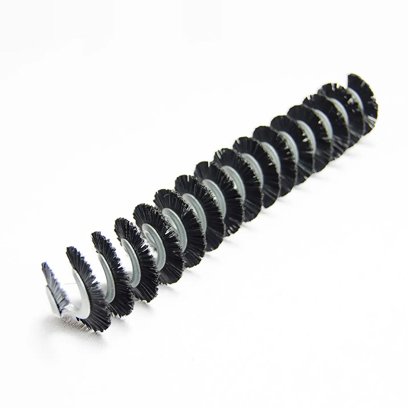
Made by twisting bristles in a spiral around a centre, often from strip brushes. |
Used for cleaning, polishing, and stripping in processing lines. |
|
Custom Brushes |
Made for special conveyor belt cleaning jobs or tough tasks. |
Used for special jobs, high automation, or harsh places. |
Strip Brushes
Strip brushes are used a lot in conveyor belt cleaning. They help get rid of rubbish, dust, and dirt from the belt. Factories use them to guide products and stop contamination. Strip brushes are good in processing lines where products need gentle care.
Tip: You can use strip brushes with other conveyor belt brushes for even better cleaning.
Roller Brushes
Roller brushes are fast and work well. They clean wide areas and do it quickly. Many factories pick roller brushes because they last longer and work the same every time. These brushes come in many sizes and bristle types, so they fit many conveyor belt cleaners.
-
Roller brushes are good for tough conveyor belt cleaning.
-
They are great for fast belts in food factories.
Spiral Brushes
Spiral brushes
- Bristles twisted in a spiral pattern around a central core
Cleaning, polishing, and surface treatment on processing lines
Custom Brushes
Some conveyor belt cleaning jobs need something special. Custom brushes fit conveyor systems that are different or in tough places. When making custom conveyor belt brushes, companies think about things like heat, product type, and how much work the brush will do. Custom conveyor belt brushes help fix hard problems in processing and keep things running well.
Note: Custom conveyor belt brushes prove most valuable for automated lines or situations where standard options cannot meet requirements.
Learn more about conveyor belt cleaning brush types and industry uses for detailed application guidance.
Choosing Conveyor Belt Brushes
Picking the right conveyor belt brush helps the system work well. Each brush should fit the job, the material, and the place it will be used. Here are the main things to think about before you choose.
Material Compatibility
First, check if the brush matches the material on the belt. Some brushes are better for soft things. Others are good for rough or sharp items. Nylon bristles are gentle and used in food processing. Stainless steel bristles are strong and handle heat. Polyurethane brushes bend to fit old belts but wear out quickly. Tungsten carbide brushes last longer and clean heavy messes, but they might hurt old belts.
Tip: Always make sure the brush can handle the temperature, wetness, and chemicals at work. Stainless steel wire brushes are good where things rust. Heat-resistant brushes are best for hot places.
|
Material |
Wear Resistance |
Cleaning Effectiveness |
Notes |
|---|---|---|---|
|
Polyurethane |
Lower |
High |
Softer, bends to fit old belts, wears out fast. |
|
Tungsten Carbide |
Higher |
Moderate |
Harder, lasts longer, good for tough jobs, may harm old belts. |
Belt Speed and Size
How fast and wide the belt is changes which brush works best. Fast belts need brushes that clean quickly. Wide belts need wide brushes or more than one brush. If the brush is too small, it misses spots. If it is too big, it may not fit or slow things down.
-
Slow belts work well with soft brushes like nylon or polyurethane.
-
Fast belts need roller brushes with strong bristles.
-
Always measure the belt before picking the brush size.
Debris Type
Think about what the brush needs to clean off. Is it tiny dust, sticky stuff, or sharp metal bits? Each mess needs a different brush.
-
For fine dust, use soft strip brushes or spiral brushes.
-
For sticky or oily mess, pick brushes with stiff bristles like nylon or stainless steel.
-
For sharp or heavy mess, use roller brushes with tough bristles.
A good brush stops mess from building up and keeps the belt clean. This helps stop contamination and keeps products safe.
Brush Width and Mounting
The brush should be as wide as the belt. If it is too narrow, it misses parts. If it is too wide, it may not fit. How you put the brush on matters too. Some brushes go above the belt. Others go below or on the sides.
Note: Make sure the brush covers the whole belt and is easy to clean or change. Good mounting helps brushes work better and last longer.
Installing and Maintaining Conveyor Belt Cleaners
Installation Tips
Starting well is very important. When putting in a conveyor belt brush, workers must read the manufacturer’s instructions. This helps the brush fit right and do its job. They check the angle and how hard the brush presses on the belt. If the brush is not at the right angle, it can miss dirt or wear out quickly. People often place the brush so it covers the whole belt. This makes sure every part gets cleaned. After installing, regular checks help find problems early.
Tip: If you install the conveyor belt brush well, the system works smoothly and does not stop often.
Maintenance Practices
To keep conveyor belt brushes working well, workers check them often. They look for bristles that are worn or broken. If any part is damaged, they change it right away. Cleaning the brushes with air or water stops dirt from building up. Maintenance teams also check if the brush is still tight and secure. These easy steps help conveyor belt cleaners last longer and work better.
-
Look at brushes for damage or wear.
-
Change broken or worn parts quickly.
-
Clean brushes so they do not get blocked.
-
Make sure mounting points are tight.
Safety Guidelines
Safety is always most important when installing or fixing brushes. Teams teach workers to set pressure safely and use the right tools. They always turn off the conveyor before starting work. Regular checks keep brushes safe and help stop accidents. Workers wear gloves and eye protection when cleaning or changing parts. These habits keep everyone safe and make the workplace better.
Note: Following safety rules and standards helps stop injuries and keeps conveyor belt brushes working well.
Picking the best conveyor belt brush needs careful thought. You must check how wide the brush cleans. You also need to look at what it is made of. Think about what the system needs for cleaning. It is smart to check these things often. This helps you find ways to make things better. Many people talk to suppliers for help. Suppliers give advice about brush types and materials. Their help makes cleaning easier. It also helps machines last longer. If you choose well, your system stays safe and works well.
FAQ
How often should facilities replace conveyor belt brushes?
Most facilities inspect brushes monthly and replace them when bristles show significant wear. Replacement frequency depends on operating conditions, debris type, and belt speed.
Can conveyor belt brushes handle food processing applications safely?
Yes, food-grade brushes made from FDA-approved materials like nylon work safely in food processing. These brushes resist moisture and meet hygiene requirements effectively.
What factors most affect conveyor belt brush lifespan?
Debris abrasiveness, belt speed, and operating environment impact brush longevity most significantly. Proper installation and regular maintenance help maximize service life considerably.