Proper installation and regular care help a conveyor cylinder brush work well and last longer. marshal’s Roller Brush is a good and trusted option for many industries. People in metal processing, food, and textiles use cylinder brushes to make their production lines better. Anyone can follow easy steps to get the best use from these brushes.
Key Takeaways
-
Installing conveyor cylinder brushes the right way helps cleaning. It also makes them last longer. Use the step-by-step guide for the best results.
-
Inspect and maintain the brushes often. Look for wear, damage, and buildup every week. This stops expensive repairs and keeps things working.
-
Pick the correct brush type and material for your needs. This makes the system work better and last longer.
-
Use approved tools when installing the brushes. Follow safety rules to protect workers and equipment. This keeps everyone safe at work.
-
Teach staff how to handle and care for the brushes. Good training helps the team work well. It keeps the conveyor system working smoothly.
Conveyor Cylinder Brush Overview
Types and Materials
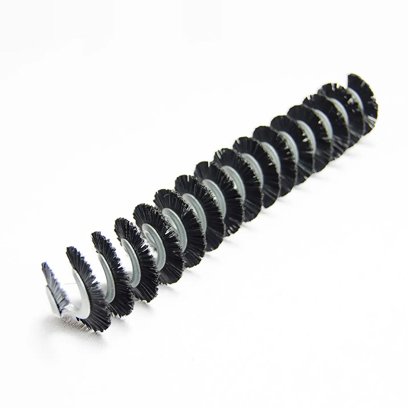
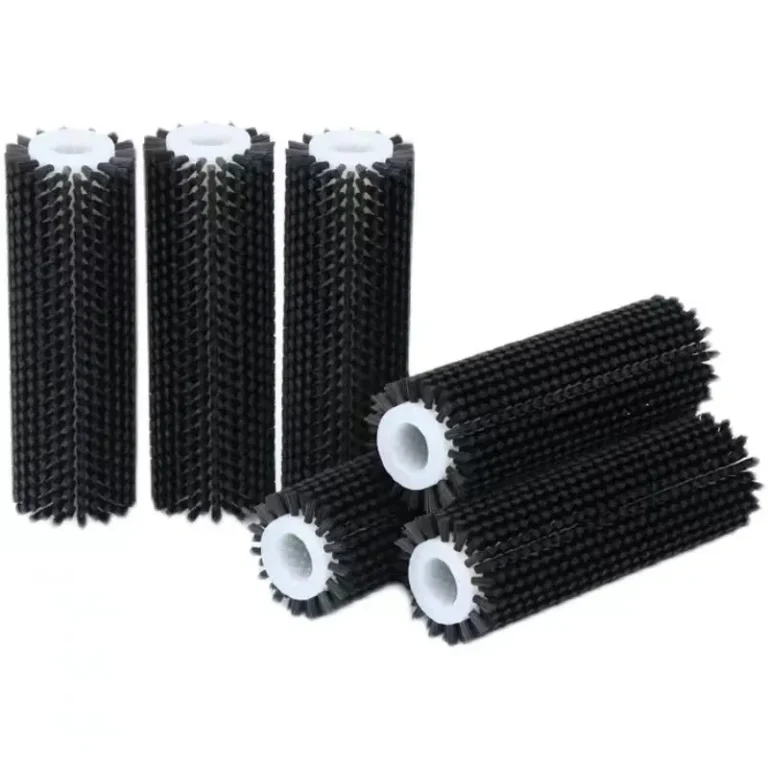
Cylinder brushes have many types. They use different materials. Each type is made for a special job. Some brushes have hard metal bristles. Others have soft fibres for gentle cleaning. The table below shows the usual types and what they are made from:
|
Type of Brush |
Material Used |
|---|---|
|
Steel Cylinder Brushes |
Carbon Steel |
|
Stainless Steel Cylinder Brushes |
Stainless Steel |
|
Brass Cylinder Brushes |
Brass |
|
Nylon |
|
|
Abrasive Nylon |
|
|
Polyester Cylinder Brushes |
Polyester |
|
Polypropylene Cylinder Brushes |
Polypropylene |
|
Custom Cylinder Brushes |
Horse hair, hog bristle, and other materials |
marshal’s Roller Brush is special. It uses top-quality materials and clever methods. The bristles stay strong after lots of use. The brush has a tough metal core. This makes it steady and last a long time. Users can choose nylon, polypropylene, horse hair, or abrasive wire bristles. So, the brush can do hard jobs or clean soft surfaces.
Here are some features and benefits of the Roller Brush:
|
Feature |
Benefit |
|---|---|
|
Durability |
Lasts longer and needs fewer replacements, saving money and time. |
|
Eco-Friendly Materials |
Helps the environment and improves company image. |
|
Noise Reduction |
Makes less noise, which is good for busy or public places. |
|
Energy Efficiency |
Uses less energy and helps machines last longer. |
|
Safety Standards |
Meets safety rules, making the workplace safer. |
|
Intelligent Monitoring |
Lets users track brush performance and plan maintenance. |
|
Modular Design |
Easy to maintain and customise for different conveyor systems. |
Industrial Applications
A conveyor cylinder brush is used in many industries. It helps keep conveyor systems clean. It also helps them work well. People use these brushes for many jobs. They clean, polish, and move products.
Industries that use cylinder brushes include:
-
Food processing
-
Textiles
-
Printing
-
Electronics
-
Medical devices
-
Pipeline work
-
Glass and ceramics
-
Plastics and rubber
-
Aerospace
-
Mining and cement works
-
Sugar and paper mills
Common jobs for these brushes:
-
Cleaning conveyor belts
-
Polishing and deburring parts
-
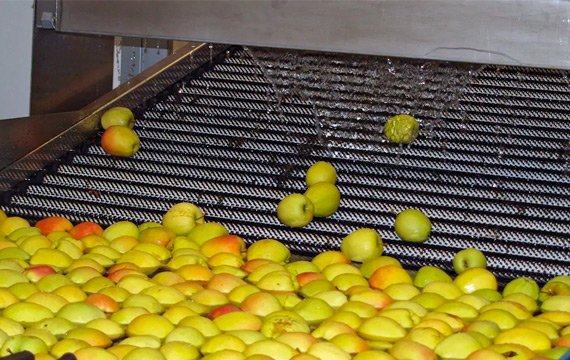
Washing and waxing fruits and vegetables
-
Spreading glue or paint
-
Moving and sorting products
-
Finishing and texturing surfaces
-
Applying labels
-
Cleaning streets and airport runways
Tip: Picking the right brush type and material helps the conveyor work better and last longer.
Installation Preparation
Tools and Equipment
You need the right tools to fit a new conveyor cylinder brush. Gather all your equipment before you start. Most jobs need a spanner set, screwdrivers, pliers, and a torque wrench. Sometimes, you use a soft mallet for gentle taps. A clean cloth helps you wipe parts. Some conveyor systems need a lifting device or hoist. This makes moving heavy brushes safer. Always check the manufacturer’s list for special tools. marshal says you should use only approved tools. This protects the brush and the conveyor.
Safety Measures
Safety is very important when working on a conveyor. Workers must wear the correct gear and follow all rules. The table below shows key safety steps for installation:
|
Safety Measure |
Description |
|---|---|
|
Safety Goggles |
Wear goggles or a face shield to protect your eyes. |
|
Guards |
Make sure guards are in place to stop contact with moving parts. |
|
Speed Restrictions |
Follow speed limits for the brush to prevent accidents. |
|
Maximum Safe Speed |
Never go faster than the brush’s top speed. |
|
Compliance with Standards |
Follow safety standards from trusted groups like ANSI. |
|
Protective Equipment |
Use gloves and other gear to lower injury risk. |
|
Brush Inspection |
Check brushes for damage before you use them. |
|
Unsafe Conditions |
Do not use worn or broken brushes. |
|
Storage |
Keep brushes dry and clean when not in use. |
Tip: A safe workspace helps everyone avoid accidents and keeps the conveyor working well.
Conveyor Inspection
Check the conveyor system before you install the brush. This helps you find problems early. The table below lists important checks:
|
Inspection Step |
Description |
|---|---|
|
Inspect bristle wear |
Change brushes if bristles look flat or broken. |
|
Check brush rotation |
Make sure the brush turns well and touches the belt. |
|
Lubricate brush shaft bearings |
Oil the bearings so they move smoothly. |
|
Clean trapped fines |
Remove dirt or debris from the conveyor frame. |
marshal says you should follow these steps every time. Careful inspection keeps the conveyor working well and helps the new brush last longer.
Conveyor Cylinder Brush Installation
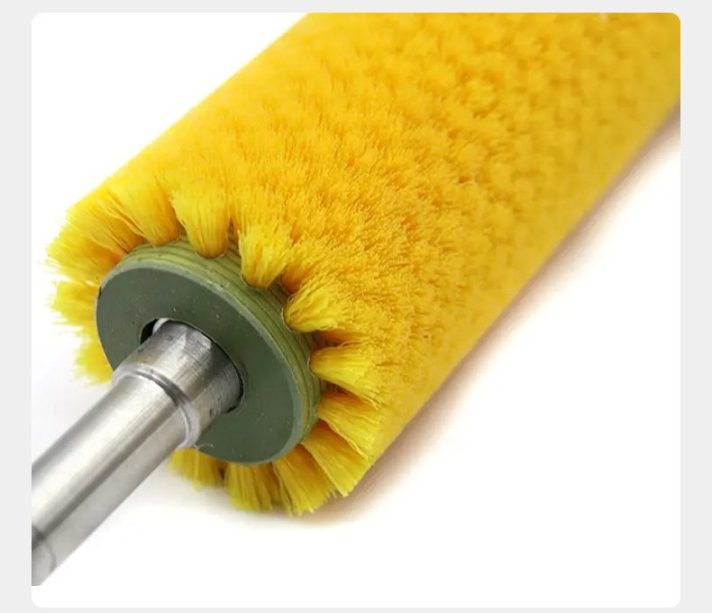
Installing a new conveyor cylinder brush can seem tricky, but a step-by-step guide makes the process simple. Anyone can follow these steps to achieve proper installation and keep the conveyor running smoothly.
Removing Old Brushes
Removing an old conveyor cylinder brush needs care. Workers should avoid damaging the conveyor or its motor. Here’s how they do it:
-
Disconnect the power to the conveyor unit before starting any work.
-
Remove the two brush caps in the motor housing. Use a flathead screwdriver for this step.
-
Check the brushes. They should be at least 1/8th inch long. Short brushes can harm the armature.
-
Use clean, dry, compressed air to blow dust out of the coils and the internal brush housing.
-
Reinstall the brushes in the same orientation as removed. Make sure the tabs line up before tightening the caps.
-
Repeat these steps for both brushes before moving to the next motor.
-
Reconnect power to the conveyor unit after finishing all work.
Tip: Always inspect the old brush for wear and damage. This helps prevent future problems with the conveyor.
Positioning and Alignment
Positioning the new conveyor cylinder brush is important for proper installation. Workers place the brush on the bracket and check that it sits straight. The brush must touch the conveyor belt evenly. If the brush sits crooked, it will not clean or polish well. They use measuring tools to check the alignment. Sometimes, they adjust the bracket or the drive shaft to get the brush in the right spot.
A table can help workers remember what to check:
|
Alignment Check |
What to Look For |
|---|---|
|
Brush sits level |
No tilt or uneven contact |
|
Bristles touch belt |
Even pressure across the whole brush |
|
Shaft fits bracket |
No gaps or loose parts |
|
Rotation is smooth |
No wobbling or shaking |
Note: Proper installation means the brush lines up with the conveyor belt and rotates without problems.
Securing the Brush
Securing the conveyor cylinder brush keeps it stable during operation. Workers use integral shafts, machined bushings, keyways, and set screws. These parts hold the brush tightly to the bracket and drive shaft. The brush stays in place, even when the conveyor moves fast. This method also makes it easy to replace the brush when needed.
Tip: Tighten all fasteners according to the manufacturer’s instructions. Loose parts can cause damage or reduce cleaning power.
Initial Testing
After installation, workers test the conveyor cylinder brush. They turn on the conveyor and watch the brush spin. The brush should rotate smoothly and touch the belt evenly. Workers listen for strange noises and look for shaking. If the brush does not work right, they stop the conveyor and check the alignment again.
A checklist helps with initial testing:
-
Does the brush rotate without wobbling?
-
Do the bristles touch the conveyor belt evenly?
-
Is there any noise or vibration?
-
Are all fasteners tight?
-
Does the conveyor run at the correct speed?
Callout: Testing after installation helps catch problems early. Workers can fix issues before the conveyor starts full production.
Proper installation of a conveyor cylinder brush keeps the conveyor working well. Workers who follow these steps help the brush last longer and clean better.
Conveyor System Maintenance
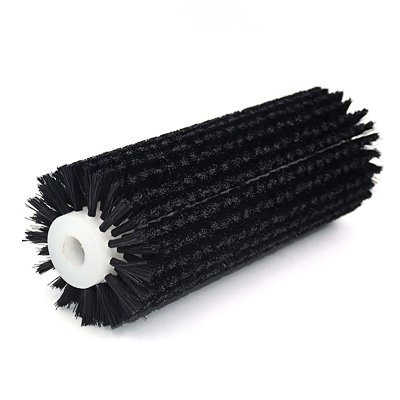
Looking after a conveyor means more than using a good brush. Good maintenance helps every part work well and last longer. Workers do regular checks to spot problems early. This keeps the conveyor moving and stops delays. Here are some top ways to care for a conveyor and its brushes.
Routine Inspection
Regular checks are very important for conveyor maintenance. Workers look for wear, damage, or buildup. They check the brush, belt, and moving parts. Inspections help find small problems before they get worse. Most teams make a plan to check the conveyor each week.
During inspections, workers look for these things:
-
Dust, grease, or product on the brush or belt
-
Loose bolts or fasteners
-
Worn or broken bristles
-
Strange noises or shaking
-
Signs of too much heat or rubbing
Tip: Regular checks and care keep the conveyor safe and help avoid expensive repairs.
Cleaning Procedures
Cleaning is a big part of conveyor maintenance. Buildup can slow the conveyor and harm the brush. Workers clean off dirt, grease, and scraps from the brush and belt. They use a soft brush or cloth for light dirt. For heavy dirt, they use compressed air or a gentle cleaner. Cleaning helps oil reach all the right places.
A simple cleaning routine looks like this:
-
Turn off the conveyor and lock the power.
-
Remove loose dirt from the brush and belt.
-
Wipe the brush with a damp cloth.
-
Use compressed air to blow out dust.
-
Check for leftover dirt and clean again if needed.
Note: Cleaning often stops jams and keeps the conveyor moving well.
Lubrication
Lubrication helps the conveyor run quietly and smoothly. Without oil, friction causes heat, noise, and wear. Workers use different oils for the brush shaft and chain. They drip oil between links, use a steady stream, or spray oil on the chain. The right amount of oil is important. Too much oil causes buildup. Too little oil causes wear.
Common ways to add oil are:
-
Oil on the lower part of the chain
-
Drip oil between links at a set rate
-
Oil sprayed on the chain for even coverage
Callout: Cleaning and oiling together help the conveyor and brush last longer.
Bristle Replacement
All brushes wear out after some time. Replacing bristles is important for good conveyor care. Workers watch for signs the brush needs new bristles. If bristles do not touch the belt in the middle, the brush needs dressing. When bristles are only 5-10 mm from the metal plate, replace all brush parts.
|
Indicator |
Description |
|---|---|
|
Brush Dressing Needed |
If the brush roll uses the right amps but bristles miss the middle, dressing is needed. |
|
Total Bristle Wear |
When bristles are just 5-10 mm from the metal plate, replace all brush parts. |
Tip: Checking and caring for bristles often stops buildup and keeps the conveyor working well.
Conveyor maintenance is not just about fixing things. It is about stopping problems before they start. Workers who do regular checks, cleaning, and oiling help the conveyor last longer. They keep the line safe and working well. A clean, oiled conveyor with new bristles handles buildup better and avoids sudden stops. That is why good conveyor maintenance matters.
Troubleshooting and Replacement
Common Installation Issues
Many teams have trouble installing a new conveyor cylinder brush. Sometimes, the brush does not sit straight. Workers may see the brush wobble or miss the belt. Loose bolts or brackets can make the brush move during use. If the drive shaft does not fit well, the brush may not spin right. People often forget to check alignment before starting the conveyor. This can cause poor cleaning and faster wear.
Tip: Always check every part is tight and in place before turning on the conveyor.
Performance Problems
A conveyor cylinder brush can have problems during daily use. Workers may hear odd noises or see the brush skip spots. Sometimes, bristles wear down fast or get blocked with dirt. The conveyor may slow or stop if the brush jams. Uneven cleaning or missed spots often means the brush is not lined up or needs care. Teams should watch for changes in how the conveyor moves and listen for new sounds.
|
Problem |
What to Look For |
Possible Cause |
|---|---|---|
|
Noisy operation |
Grinding or squeaking sounds |
Lack of lubrication |
|
Uneven cleaning |
Dirty patches on the belt |
Misaligned brush |
|
Fast bristle wear |
Short or broken bristles |
Excessive pressure |
|
Conveyor jams |
Sudden stops or slow movement |
Debris or loose parts |
When to Replace
Knowing when to change a conveyor cylinder brush helps keep things working well. Teams should look for these signs:
-
Bristles are flat, broken, or missing.
-
The brush does not clean the conveyor belt well.
-
The conveyor needs more power to move the brush.
-
The brush does not spin smoothly.
-
The brush shows heavy wear after checks.
Good installation and regular care help the conveyor run well. Watching for wear on the brushes is important. Checking how the conveyor works can show when brushes need changing. marshal experts can help teams pick the right time to replace and give advice for each conveyor system.
Callout: Changing a worn brush keeps the conveyor safe and working well. marshal support is always ready to help with expert advice.
Best Practices for Maintenance
Storage and Handling
Proper storage and careful handling help keep a conveyor cylinder brush in top shape. Workers should always store brushes in a dry, clean place. They must avoid stacking heavy items on top of the brush. This prevents the bristles from bending or breaking. When moving a brush, workers should lift it by the core, not the bristles. This keeps the bristles straight and strong.
Here are some simple steps for storing and handling a conveyor cylinder brush:
-
Place the brush on a flat surface away from direct sunlight.
-
Keep the brush dry to stop rust or mould.
-
Avoid dropping or hitting the brush against hard surfaces.
-
Use both hands to carry the brush by its core.
-
Clean the brush before storing it to remove dust and debris.
Tip: Good storage and handling stop damage before it starts and help the conveyor work better for longer.
Scheduling Maintenance
A good maintenance schedule keeps the conveyor running smoothly. Teams should plan regular checks and stick to the plan. This helps spot problems early and keeps the conveyor in top condition.
A simple maintenance schedule might look like this:
-
Inspect the conveyor and brush every week for signs of wear or damage.
-
Lubricate moving parts to stop friction and overheating.
-
Fix any problems as soon as they appear.
-
Check the tension and alignment of the conveyor brush to avoid uneven wear.
Teams who follow these steps can keep the conveyor working well and avoid sudden breakdowns.
Staff Training
Training helps workers look after the conveyor and its brushes. Every team member should know how to check, clean, and replace a conveyor cylinder brush. Training should cover safe handling, proper installation, and the right way to use tools. Teams can keep a simple guide or checklist for daily tasks. This helps everyone remember what to do.
Note: Good training and clear records help staff work safely and keep the conveyor in great shape.
Putting in conveyor cylinder brushes the right way and looking after them well makes a big difference. Teams notice that production goes more smoothly. There are fewer stops and the workspace is safer. The table below lists some main benefits:
|
Benefit |
Description |
|---|---|
|
Improved Productivity |
Less downtime from material buildup keeps everything moving. |
|
Increased Operational Efficiency |
Fewer blockages mean better workflow. |
|
Reduced Maintenance Costs |
Equipment lasts longer and costs less to fix. |
|
Enhanced Workplace Safety |
Clean belts help prevent slips and accidents. |
If you follow marshal’s tips and do regular checks, every conveyor works its best. If you have hard problems, experts are ready to help.
FAQ
How often should teams inspect conveyor cylinder brushes?
Most teams check brushes once a week. Regular inspections help spot wear or damage early. This keeps the conveyor running smoothly and prevents bigger problems.
What signs show a brush needs replacing?
Look for flat, broken, or missing bristles. If the brush does not clean well or spins unevenly, it is time for a new one. marshal experts can help with advice.
Can workers clean brushes with water?
Workers can use a damp cloth for light cleaning. They should avoid soaking the brush. Too much water can damage some bristle materials or cause rust on the core.
Why does brush alignment matter?
Proper alignment helps the brush clean evenly. If the brush sits crooked, it may miss spots or wear out faster. Teams should always check alignment after installation.
Where can teams get help with installation?
marshal offers expert support. Teams can contact marshal for advice, guides, or help choosing the right brush. Good support makes installation and maintenance much easier.