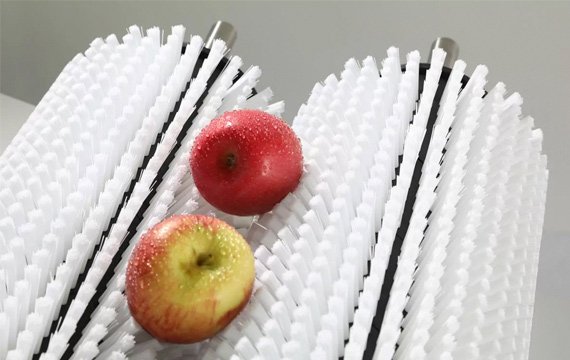
A conveyor belt cleaning brush helps keep conveyor systems clean. It removes dirt and debris from the belts. Cleaning often helps workers stop breakdowns. It also makes the workplace safer. Many factories use conveyor belt cleaning brushes. Cylindrical conveyor brushes are common in these places. These brushes help keep things clean. They also make work run better. The brushes help production go smoothly. They protect the equipment from damage.
Key Takeaways
-
Conveyor belt cleaning brushes help keep conveyor systems clean. They stop breakdowns and make the workplace safer.
-
Cleaning often with the right brushes makes production better. It also improves product quality and saves time and money.
-
Picking the right brush for each belt and cleaning job is important. This helps the conveyor system work well and last longer.
Why Conveyor Belt Cleaning Brushes Matter
Problems from Dirty Conveyor Belts
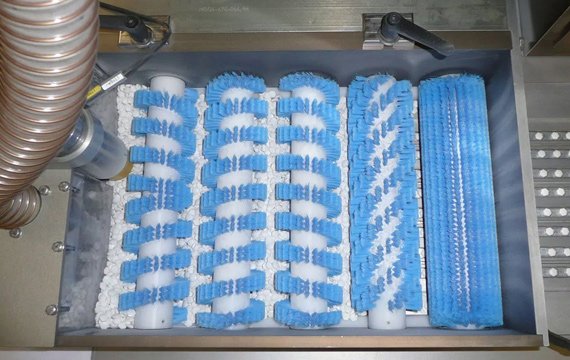
When conveyor belts are dirty, many problems can happen at work. Dust, crumbs, or sticky stuff can pile up on the belt. The belt then cannot move as it should. This makes production slow down or even stop. Workers may see more jams and must pause machines to clean. If belts are not cleaned well, products might not be of good quality. Dirty raw materials mean the finished product will not pass checks. Factories pay a lot for raw materials, so dirt can waste money.
-
Material build-up can:
-
Slow down how fast things are made
-
Make machines break more often
-
Cause products to be lower quality
-
Lead to more waste and higher spending
-
Benefits of Using Conveyor Belt Cleaning Brushes
A conveyor belt cleaning brush takes away unwanted stuff from the belt. This helps the belt move well and keeps products safe. The brushes stop dirt from sticking, so products stay clean. Workers do not have to fix problems as much and can make more products. Clean belts last longer because they do not get worn out as fast.
Clean conveyor belts help keep the workplace safe and products better. Everyone wins when the production line is tidy.
Conveyor Brush Cleaners for Maintenance
Cleaning with a brush cleaner often keeps conveyor systems working well. Many companies make a plan to clean belts on a schedule. This helps stop products from getting dirty and makes the conveyor last longer. It also keeps workers safe by lowering the chance of accidents. When companies use conveyor belt brushes in their care routine, their equipment works its best.
-
A regular cleaning schedule:
-
Helps machines work smoothly
-
Makes the conveyor last longer
-
Keeps everyone safe
-
Types of Conveyor Belt Cleaning Brushes
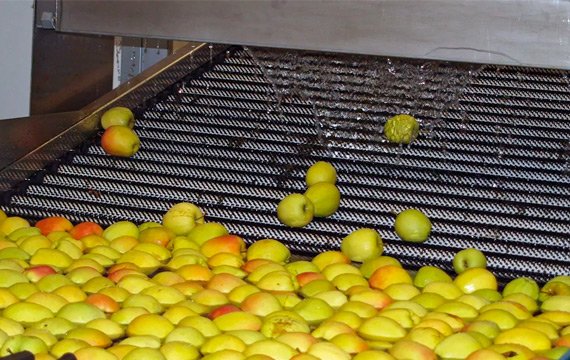
Conveyor belt cleaning brushes have many shapes. Each one is best for certain jobs and belt types. Picking the right brush cleaner helps remove dirt. It also keeps the conveyor working well.
Did you know? Using the right cleaning brush helps the conveyor belt work better.
Rotary Roller Brushes
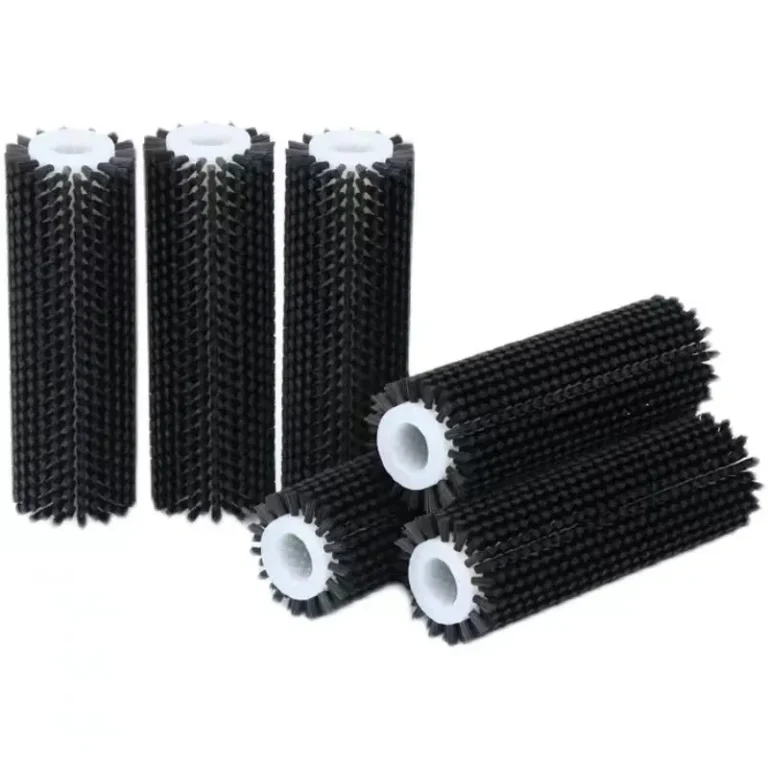
Rotary roller brushes spin over the conveyor belt. They sweep away dust, crumbs, and sticky bits. These brushes use different materials. Some are soft foam, nylon, polyethylene, or even microfiber. Each material cleans in its own way.
-
Soft foam brushes clean gently and do not scratch the belt.
-
Nylon brushes remove tough dirt and are good for deep cleaning.
-
Polyethylene brushes clean well but are still gentle.
-
Microfiber brushes pick up tiny bits and leave the belt very clean.
If the brush is too soft, it may not clean well. If it is too hard, it could harm the belt. Picking the right material is important for good cleaning and happy customers.
|
Brush Material |
Cleaning Effectiveness |
Potential Damage to Surfaces |
|---|---|---|
|
Soft Foam Brushes |
Moderate |
Low |
|
Nylon Brushes |
High |
Moderate |
|
Polyethylene Brushes |
High |
Low |
|
Microfiber Brushes |
Very High |
Very Low |
Rotary roller brushes fit many belt types. They work on flat belts and belts with grooves. Factories use them for food, packaging, and textiles. They clean fast and do not need much space.
Strip Brushes
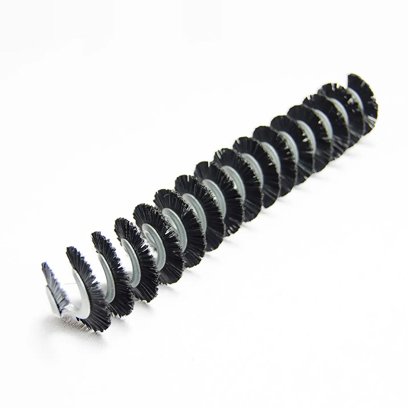
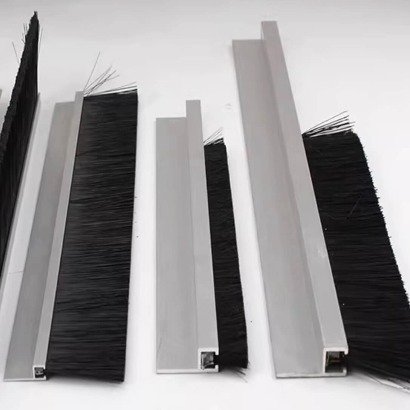
Strip brushes look like long, thin lines of bristles. They fit along the edge or across the conveyor belt. These brushes help by brushing away loose dirt and small bits.
Strip brushes work well on rough or uneven belts. They can be made from steel or plastic. Factories pick strip brushes for special cleaning jobs. They are good when space is tight or the belt has a special shape.
Tip: When choosing a conveyor belt cleaning brush, think about the belt surface and the type of dirt you want to remove.
The types of conveyor belt cleaning brushes have different cleaning strengths. They fit many belt surfaces. Using the right brush cleaner helps remove dirt and keeps the conveyor belt working well.
Uses of Conveyor Belt Cleaning Brushes
Industry Applications
Factories and warehouses use conveyor belt cleaning brushes every day. These brushes are important in food and drink factories. Hygiene is very important in these places. Workers use the brushes to take off crumbs, dust, and sticky stuff from belts. This keeps food safe and follows rules like HACCP and GMP. In food factories, the brushes stop germs from spreading between foods. They help keep things very clean and protect people who eat the food.
Pharmaceutical companies use these brushes to keep belts clean. Clean belts stop germs and help make safe medicine. Warehouses and logistics centres use brushes to keep belts clear of rubbish. This helps packages move without stopping.
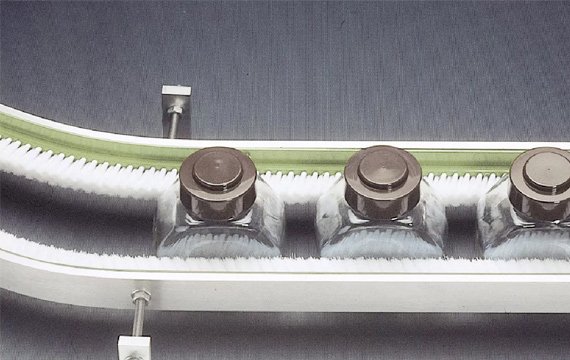
Farms and textile factories also use conveyor belt cleaning brushes. Brushes take off dirt, dust, and chemicals from fruits and vegetables. This keeps food clean and safe to eat. In textile factories, brushes stop fibres and fluff from piling up. This helps workers do more work and have fewer stops. Brushes can also move soft or odd-shaped things, like fruit or glass, without breaking them. The brush helps guide things the right way.
Conveyor belt cleaning brushes help many places work better, safer, and cleaner.
Suitability for Belt Types and Surfaces
Picking the right conveyor belt cleaning brush depends on the belt and the job. Spiral brush rollers work on flat and cleated belts. They take off small bits and rubbish easily. Strip brush cleaners are good for flat belts and light cleaning. Rotary brush cleaners are for tough jobs and take off hard dirt from flat and cleated belts. Paddle wheel brush cleaners are best for mines and places with lots of stuff to clean.
Here is a table that shows which brush fits each belt:
|
Brush Type |
Suitable Belt Types |
Application Description |
|---|---|---|
|
Strip Brush Cleaners |
Flat |
Handles light-duty cleaning and loose material removal. |
|
Rotary Brush Cleaners |
Flat, Cleated |
Designed for heavy-duty cleaning and stubborn debris removal. |
Brushes can also clean dust and small bits from things as they move. For farm products like fruits and vegetables, brushes take off dirt and chemicals. This keeps the outside of the food clean for the next step.
For sticky things like sugar or starch, brushes stop them from sticking to the belt. The brush gives grip, so things do not slide off. This keeps the belt moving well and stops things from getting lost.
Mounting and Space Considerations
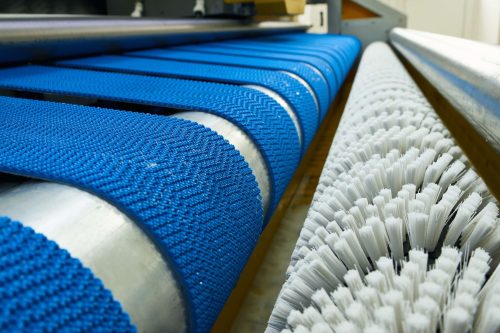
There are different ways to put conveyor belt cleaning brushes in place. Factories can pick normal or special brackets. Most brackets are made from aluminium, but some are stainless steel for extra strength. These choices help workers put brushes in small spaces.
Some cleaning brushes are easy to put in, even when space is tight. Workers can put brushes at different angles to guide things the right way. In systems where things need sorting, brushes help move items to the right place. This makes work faster and stops mistakes.
Tip: Always check the space before putting in a conveyor belt cleaning brush.
Conveyor belt cleaning brushes are useful for many jobs. They help keep things clean, safe, and running well. These brushes do more than just clean. They help move, sort, and take away unwanted things. Conveyor brush cleaners keep belts clean and help machines last longer. Picking the right brush and bracket gives the best results for every job.
Picking the right brush cleaner is very important. Every conveyor system needs its own way to clean. Cleaning well helps the belt work and removes dirt. It also keeps the equipment safe from harm. Cleaning often helps keep things clean and healthy. People should think about what they need before choosing a brush.
FAQ
How often should someone clean a conveyor belt with a brush?
Most factories clean conveyor belts daily or weekly. The right schedule depends on the type of material and how much dirt builds up.
Can conveyor belt cleaning brushes fit any conveyor system?
Many brushes come in different sizes and shapes. They fit most conveyor systems. Some special belts may need custom brushes.
What materials work best for conveyor belt cleaning brushes?
Nylon, polyethylene, and soft foam work well for most belts. Each material suits different cleaning needs. Nylon handles tough dirt. Polyethylene and foam clean gently.