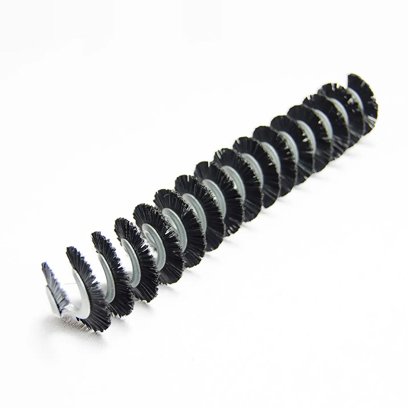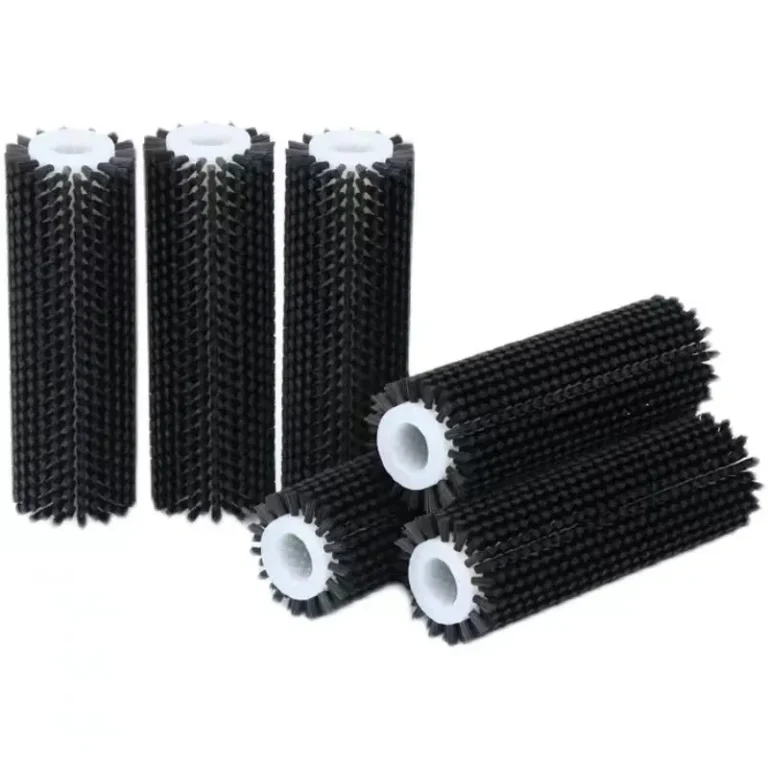
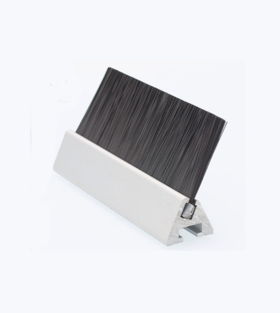
Sliding doors see heavy use in warehouses, factories, and distribution centers. These doors face constant challenges from dust, pests, temperature fluctuations, and energy loss. Facility managers need reliable sealing solutions. Brush seals for sliding doors have become a preferred choice across many industries. Their unique design addresses multiple operational concerns simultaneously.
This article examines five significant benefits these products deliver. Understanding these advantages helps procurement teams make informed decisions.
What Makes Brush Seals Effective for Sliding Doors
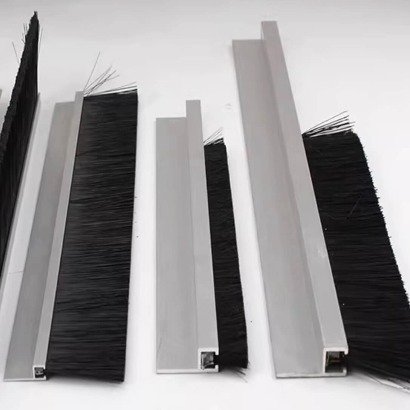
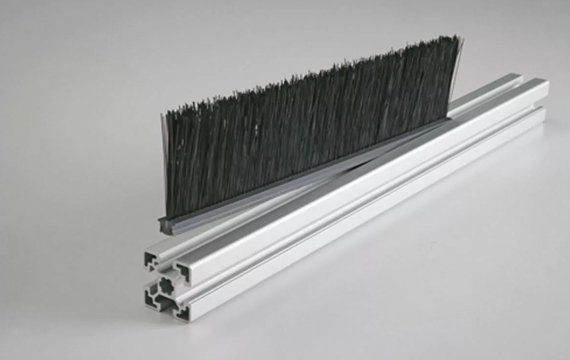
Before exploring specific benefits, understanding basic functionality proves helpful. A door seal brush consists of densely packed bristles mounted in a metal channel. The bristles flex when the door moves. They return to position when the door stops. This flexibility allows effective sealing without hindering door operation.
The door brush seal mechanism guide explains this functionality in greater detail. Unlike rigid sealing materials, seal brushes adapt to surface irregularities. They maintain contact even when gaps vary along the door edge.
Benefit 1: Superior Dust and Debris Protection
Industrial facilities generate significant airborne particles. Manufacturing processes, material handling, and vehicle movement all contribute to dust accumulation. Brush seals for sliding doors create effective barriers against these contaminants.
How Bristle Density Affects Performance
Dense bristle configurations trap particles effectively. The filaments work together to block debris while allowing smooth door movement. Facilities handling sensitive products or equipment benefit particularly from this protection.
Common applications include:
- Food processing plants requiring contamination control
- Electronics manufacturing facilities
- Pharmaceutical production areas
- Clean room access points
The industrial strip brush includes various density options for different protection levels.
Benefit 2: Significant Energy Cost Reduction
Climate control represents a major operational expense for industrial facilities. Poorly sealed doors allow conditioned air to escape. They also permit outside air infiltration. Both scenarios increase HVAC workload and energy consumption.
Installing quality brush seals for sliding doors addresses these issues directly. The bristles create thermal barriers that reduce air exchange. Facilities typically observe measurable energy savings after installation.
| Sealing Condition | Estimated Annual Energy Impact |
|---|---|
| No seal installed | Baseline energy consumption |
| Worn or damaged seal | 15-25% increased HVAC costs |
| Properly installed brush seal | 10-20% energy savings potential |
| Premium high-density seal | 20-30% energy savings potential |
These figures vary based on climate, facility size, and door usage frequency. However, the general pattern holds across most industrial applications.
Benefit 3: Effective Pest Prevention
Gaps around sliding doors invite unwanted visitors. Insects, rodents, and birds exploit even small openings. Once established, pest problems create health risks, product contamination, and regulatory compliance issues.
Strip brush installations eliminate entry points that pests exploit. The flexible bristles conform to door edges and floor surfaces. This creates comprehensive barriers without gaps.
Why Brush Seals Outperform Alternatives
Traditional rubber seals often leave small gaps at corners and transitions. These gaps may seem insignificant, but provide sufficient access for determined pests. Brush configurations eliminate these vulnerabilities through continuous bristle coverage.
The garage door brush seals selection guide discusses material options that enhance pest resistance. Certain bristle materials also resist damage from cleaning chemicals used in pest control programs.
Benefit 4: Extended Door System Lifespan
Sliding door components experience significant wear during operation. Tracks accumulate debris that increases friction. Rollers encounter particles that accelerate bearing wear. Seals that allow contamination entry contribute to premature component failure.
Quality door seal brush installations protect entire door systems. By preventing debris infiltration, they reduce wear on mechanical components. This protection extends service intervals and delays replacement costs.
Maintenance teams frequently observe:
- Longer intervals between track cleaning requirements
- Reduced roller replacement frequency
- Smoother door operation over extended periods
- Lower overall maintenance labor costs
For high-traffic applications like commercial garages, the roll up door seal brush guide provides relevant maintenance insights.
Benefit 5: Noise Reduction Capabilities
Industrial environments often struggle with noise control. Sliding doors can transmit external noise into work areas. They may also allow internal equipment noise to disturb neighboring spaces or violate local ordinances.
Brush seals for sliding doors provide acoustic dampening benefits. The bristle mass absorbs sound energy rather than transmitting it. While not a complete soundproofing solution, properly installed seal brushes noticeably reduce noise transmission.
Additional Noise Benefits
Beyond blocking external noise, brush seals also reduce operational sounds:
- Door vibration dampening during movement
- Reduced impact noise when doors reach travel limits
- Quieter air movement through sealed gaps
These improvements contribute to better working conditions and reduced noise complaints.
Selecting the Right Product
Realizing these benefits requires appropriate product selection. Several factors influence optimal specifications for specific applications. Material compatibility, environmental conditions, and usage patterns all matter.
Bristle Material Selection
Different materials suit different operating conditions. Nylon bristles remain the most popular choice for general industrial use. They offer excellent flexibility and wear resistance. Polypropylene works better for wet environments. Stainless steel handles extreme temperatures.
The custom brush seal specification guide walks through detailed material selection criteria.
Trim Length Considerations
Trim length determines how well bristles fill gaps. Too short leaves openings. Too long creates excessive drag. Industry practice suggests specifying trim length 15-25% longer than measured gap width. This creates proper compression without hindering door movement.
Mounting Channel Options
Channels anchor bristles and enable installation. Aluminum channels suit most applications. Stainless steel handles corrosive environments. Channel profile must match available mounting space.
Products like the nylon bristle door brush seal offer standard channel configurations for common installations.
Application-Specific Products
Specialized applications demand tailored solutions. Light-duty interior doors need different specifications than exterior loading dock doors. The door brush strip configurations work well for moderate-use applications.
Heavy-duty requirements call for robust construction. High-traffic facilities benefit from industrial strip brush for door sealing products designed for demanding conditions.
Conclusion
Brush seals for sliding doors deliver multiple benefits that justify their installation cost. Dust protection, energy savings, pest prevention, extended equipment life, and noise reduction all contribute value. Facilities investing in quality seal brushes typically recover costs through operational savings within months.
Selecting appropriate products and ensuring proper installation maximizes these benefits. Working with experienced manufacturers helps facilities identify optimal specifications for their specific requirements.
FAQ
How long do brush seals for sliding doors typically last?
Quality brush seals last 3-5 years under normal industrial use. Heavy traffic or harsh environments may reduce lifespan. Regular inspection helps identify replacement needs.
Can brush seals work with automated sliding door systems?
Yes. Brush seals integrate well with automated systems. Their low friction design allows smooth operation without triggering safety sensors or overloading motors.
What bristle material works best for industrial sliding doors?
Nylon bristles suit most industrial applications. They offer durability, flexibility, and chemical resistance. Polypropylene works better for wet environments or specific chemical exposures.