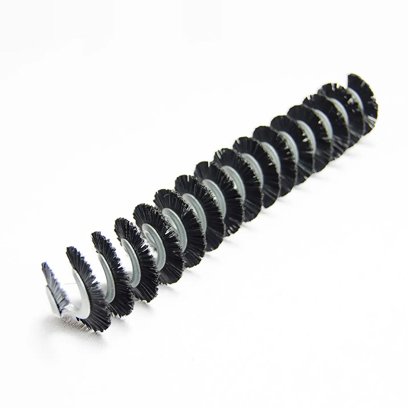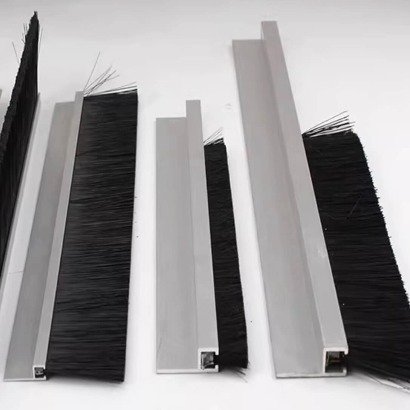
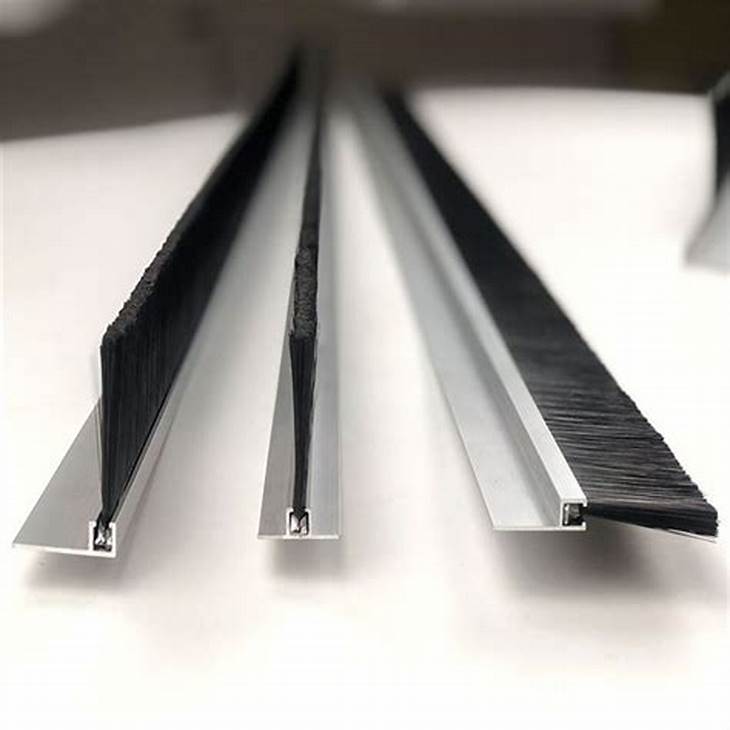
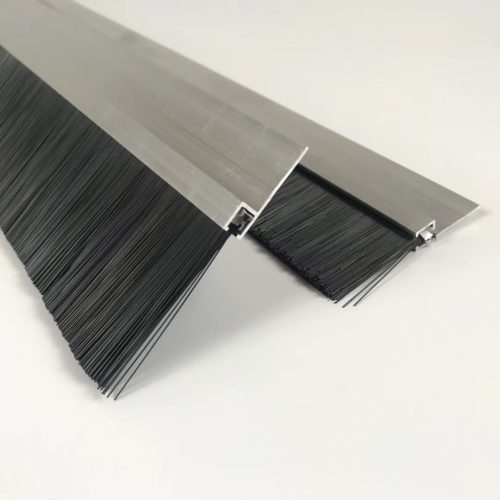
A door brush seal, also called a door sweep brush or weatherstrip brush, uses thick bristles attached to a sturdy base. People fit these seals to doors in homes, offices, warehouses, and refrigerated units. They prevent draughts, dust, insects, noise, and moisture. You see them working well on uneven floors and many door styles.
-
Draught-proofing keeps warmth inside and helps cut energy bills.
-
Brush seals block rain, wind, dust, and pests, improving insulation and pest control.
Door Brush Seal Structure
Bristle Materials And Base
A door brush seal uses a clever mix of materials to do its job well. The bristles and the base both matter for how long the seal lasts and how well it works. Take a look at this table to see the most common choices:
|
Bristle Material |
Base Material |
Properties |
|---|---|---|
|
Nylon |
Galvanised Steel |
Handles high heat (up to 200°C), tough and long-lasting |
|
Polypropylene |
N/A |
Not as strong as nylon, but still useful |
Nylon bristles stand up to heat and wear, so they suit busy doors. Galvanised steel and aluminium bases keep the seal steady and help it fit many door types. Polypropylene bristles cost less, but they do not last as long as nylon.
Tip: Choosing the right bristle and base means the seal will last longer and keep out draughts, dust, and pests.
Types And Applications
People use door brush seals on many types of doors. These seals work well on front doors, garage doors, warehouse doors, and even shed doors. The flexible bristles move with the door, so they glide over uneven floors or carpets without leaving gaps. This makes them perfect for places where the floor is not flat or where debris and moisture are a problem.
Brush strips fit easily to most door frames. They help keep out wind, rain, and insects. In garages and sheds, they stop leaves and dirt from blowing inside. Many people choose a door brush seal because it works on so many surfaces and keeps their space clean and comfortable.
How Door Brush Seals Work
Barrier Against Drafts And Pests
A door brush seal acts like a shield for any doorway. When someone closes the door, the bristles press against the floor or frame. This creates a flexible barrier that blocks cold air, wind, and even rain from sneaking inside. The nylon bristles compress together, filling small gaps that might let in draughts. People often notice a warmer room and less noise after fitting a door brush seal.
In busy places like warehouses and distribution centres, these seals help keep the space clean and safe. They stop pests such as rodents and insects from crawling through the bottom of the door. The sturdy bristles make it hard for small animals to squeeze past. Many garages use brush strips to keep out dust, dirt, and leaves. This means less cleaning and a tidier space.
Note: The flexible bristles also help keep out moisture, which protects floors and stops mould from growing.
People have tested these seals in real buildings. They found that a door brush seal can cut down on air leaks and stop pests from getting inside. This makes them a smart choice for anyone who wants to save energy and keep their home or workplace comfortable.
Adaptability to Uneven Surfaces
Not every floor is flat. Some doorways have bumps, gaps, or carpets that make sealing tricky. A door brush seal solves this problem with its flexible design. The bristles bend and move to match the shape of the floor. This means the seal works well even if the surface is rough or uneven.
Here are some reasons why brush seals adapt so well:
-
Lightweight design makes them easy to fit on most doors.
-
Nylon or polypropylene bristles give both strength and flexibility.
-
They resist moisture and chemicals, so they last longer in places like cold storage or food factories.
-
Brush strips keep their shape and block draughts in all kinds of weather.
|
Seal Type |
Adaptability to Uneven Surfaces |
Installation Ease |
Durability |
|---|---|---|---|
|
Flexible and suitable |
Easy |
High |
|
|
Rubber Strips |
Tighter seal |
Easy |
High |
People often choose a door brush seal for garages, sheds, and warehouses because it fits so many surfaces. The bristles move with the door, gliding over tiles, concrete, or carpet. This keeps out wind, rain, and pests, no matter how uneven the ground is.
Tip: For the best results, measure the gap under the door before choosing a brush seal. This helps the bristles make a tight seal and keeps your space protected.
Brush Seal Benefits And Comparison
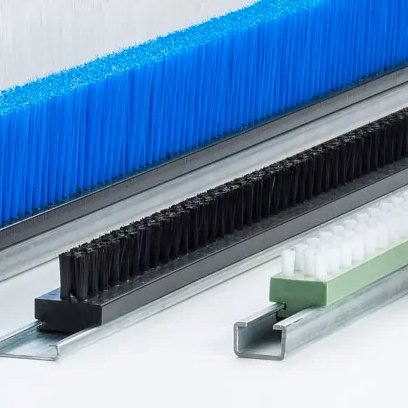
Energy Efficiency And Cost Savings
A door brush seal helps people save money on heating. When someone fits a brush seal, it blocks cold air from coming in. This means the room stays warmer, and the heating does not need to work as hard. Many homes in the UK report savings each year after installing draught-proofing.
Pest And Dust Prevention
A door brush seal does more than keep out cold air. It stops pests and dust from sneaking inside. The thick bristles fill gaps under and around doors, even if the floor is uneven.
-
Brush seals block gaps up to four inches wide.
-
They work better than rubber strips for keeping out insects and dust.
-
People use them in homes, warehouses, and shops to keep spaces clean.
The bristles act like a wall. They stop mice, bugs, and dirt from getting in. This means less cleaning and fewer pest problems.
Brush Seal Vs Rubber And Foam
Choosing the right seal depends on the space and needs. The table below shows how different materials compare:
|
Material |
Key Properties |
Applications |
|---|---|---|
|
Nylon |
Tough, flexible, resists chemicals and moisture |
Busy doors, shops, factories |
|
Polypropylene |
Light, affordable, resists water and chemicals |
Cold rooms, food areas, new builds |
|
Horsehair |
Soft, gentle, does not scratch surfaces |
Delicate doors, heritage buildings |
|
Rubber/Foam |
Good for tight seals, less flexible on uneven floors |
Simple home doors, flat surfaces |
People pick a door brush seal when they need flexibility and strong protection. Rubber and foam work well on flat floors, but brush seals fit uneven surfaces and last longer in busy places.
Tip: For homes with pets or children, brush seals offer extra safety by keeping out unwanted visitors and dust.
A door brush seal keeps rooms warmer, blocks pests, and fits many door types. People find them easy to install and long-lasting. They save money on energy bills and reduce cleaning. For anyone wanting a simple, effective way to seal doors, this option works well.
FAQ
How does someone install a door brush seal?
They measure the door gap, cut the brush strip to size, and screw or stick it to the bottom edge. Most people finish in under 20 minutes.
Can a door brush seal work on sliding doors?
Yes, brush seals fit sliding doors. The bristles move smoothly with the door, keeping out draughts, dust, and pests.
Does a brush seal need much maintenance?
People clean the bristles with a vacuum or soft brush. They check for wear every few months. Most seals last for years with simple care.