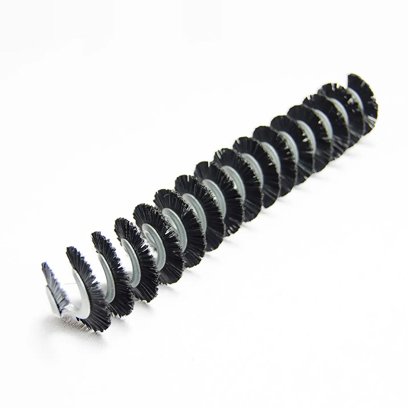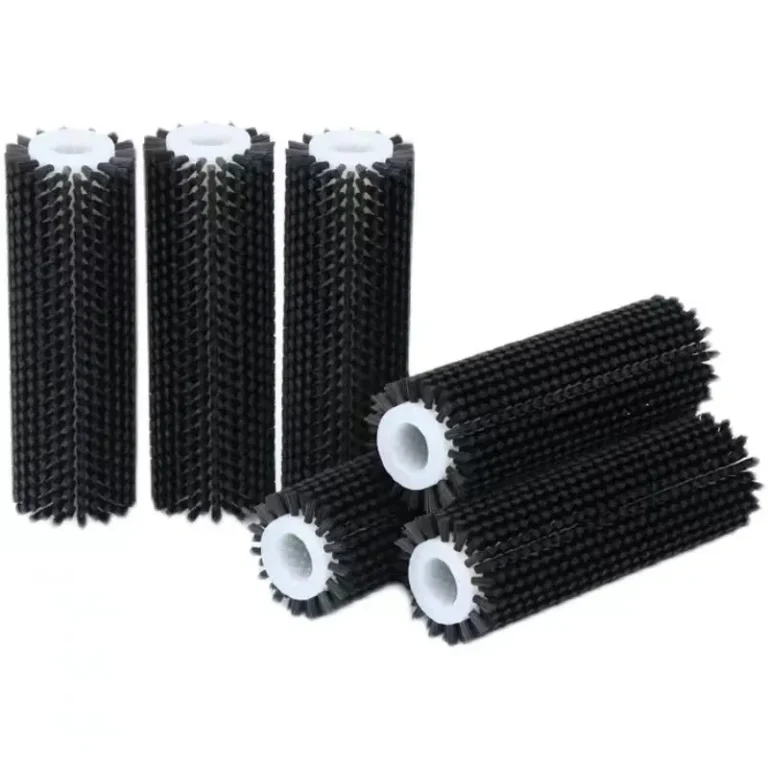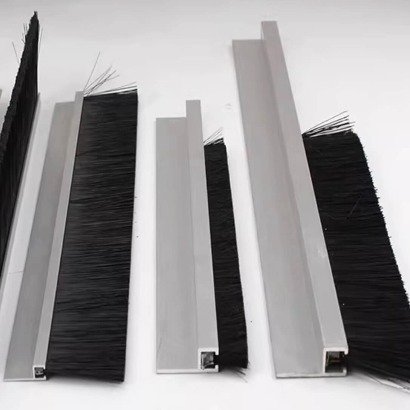
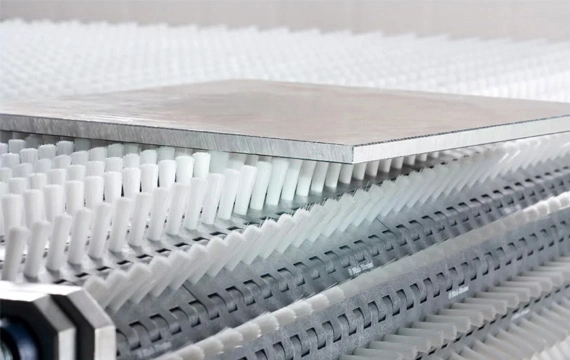
Selecting the right Cylindrical Conveyor Brushes is essential for optimizing material handling efficiency and maintaining a safe, automated industrial environment. A well-designed brush system improves cleaning, stabilizes material transfer, and significantly reduces carry-back. By preventing jams and minimizing maintenance, these brushes ensure consistent production quality while extending the lifespan of belts and drive components.
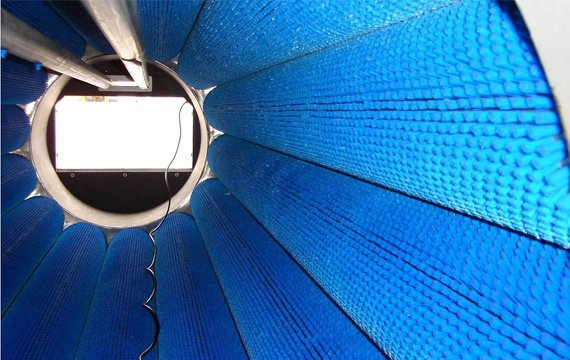
These tools are proven to be usable on real working class type jobs. The following are the major upgrades:
- Improved accuracy to allow for correct positioning when moving conveyor material and therefore minimizing the potential for offsetting.
- Improved efficiency in use of raw product (for example by reducing congestion and backups).
- Improved monitoring of products such as food and glass as they are being moved.
- A reduction in the amount of debris created and therefore reducing the amount of time spent cleaning worksites.
- By increasing the life span of components such as belts, pulleys and drive systems.
- These industries all operate using these types of technologies as their core to produce finished goods from raw products at one point (through food processing, packaging and manufacturing), or to create goods from raw materials at another point (through mining).
How Cylindrical Conveyor Brushes Help Improve System Performance
Surface Contacts and Cylinder Cleaning Brush for Cylindrical Conveyor Systems
Constant contact between the brushes and rotating components is part of the brushing concept to achieve a consistent cleaning of all surfaces that will be cleaned. This allows for very efficient removal of fine dust, dirt and other debris from cylindrical surfaces (i.e. inside the housing) of automatic machines. Because of the constant contact, the equipment benefits from superior surface preparation, less contaminated material and more stable operation during its useful life. A high-quality cylinder cleaning brush will consistently clean critical areas of dust and residue from rotating parts.
Conveyor Belt Cleaning Brush for Debris Removal
These brushes have an additional use: removing debris from conveyor belts, particularly on the return side where solid materials tend to accumulate. A dedicated conveyor belt cleaning brush dislodges stuck-on debris, reducing carryback and ensuring proper belt tracking while also minimizing the risk of blockages or component damage. As a result, material flow improves and the likelihood of unplanned downtime decreases in high-volume areas.
Continuous System Cleaning with Conveyor Cleaning Brush
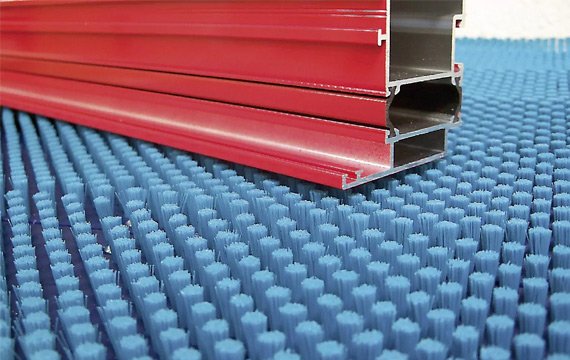
The cylindrical belt conveyor scrubber is a continuous processing system’s means of keeping all parts of the conveyor system clean and running smoothly. The continuously rotating brush rolls allow the conveyor cleaning brush to provide continual cleaning during normal operation, reducing the need for manual cleaning and minimizing the wear and tear on the conveyor’s components. As a result, workflow is more efficient, equipment components last longer, and the entire material handling area remains clean.
Select a Brush Based on Material & Environment
Choosing the right specifications will let you use cylindrical conveyor brushes most effectively – “Right for the Job”.
| Application | Preferred Brush | Benefit |
| Fines / Dry Dust | Soft Nylon and/or polypropylene bristles | Careful scrub and very little or no damage |
| Sticky / Wet Residue | Medium Hard Nylon or abrasive brush | Heavy scrubbing and cleaning ability |
Removing tough residues from conveyor surfaces is a common challenge, especially when items are stacked. Cylindrical conveyor brushes provide a reliable solution using durable, abrasive bristles that create a powerful scrubbing force to capture and remove debris effectively.
To maximize performance, follow these installation and maintenance guidelines:
Routine Maintenance: Regularly inspect components for wear, loose hardware, or balance issues. Replacing worn parts early ensures consistent conveyor belt cleaning brush performance and extends the life of your entire handling system.
Optimal Placement: Install offset brushes on the return side of the belt, close to the head pulley, to improve carryback removal.
Rotation Direction: Ensure the brush rotates in the opposite direction of the belt. This counter-rotation creates a much stronger cleaning effect.
Pressure Adjustment: Set the brush to the correct contact pressure. It should be firm enough to clean thoroughly but light enough to prevent unnecessary belt wear.
Ongoing Benefits from Daily Usage
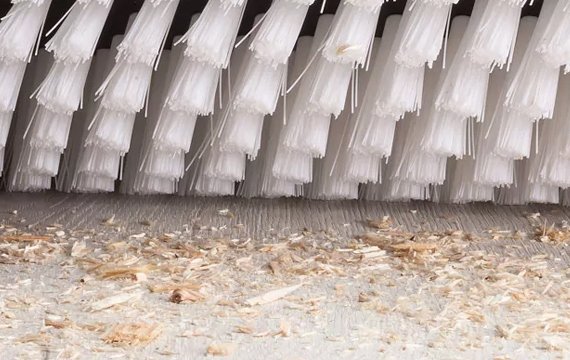
The regular use of these tools contributes to an effective and economical operation by providing:
- Reduction in product losses due to waste and unplanned downtime (e.g., when products are not produced because they have been lost).
- The reduction of water and chemicals used in high-pressure washing will also:
- Reduce the amount of airborne dust, thereby improving the quality of indoor and outdoor air.
- Improve your ability to comply with regulations concerning health and safety.
- A high-performance Industrial Brush for Conveyor Belt, when maintained well, has incredible reliability and consistency throughout its lifetime
Frequently Asked Questions
Q: What advantages do cylindrical conveyor brushes offer for handling materials?
A: They help stabilize the conveyance system of the conveyor (belt) and prevent jams, reduce carryback, and protect product, which allows for safer and easier transport of product or materials.
Q: Are conveyor belt cleaning brush units allowed to be used in the food industry?
A: Approved by the FDA, food-grade nylon or stainless steel models are safe to use in food processing plants. The use of an appropriate conveyor cleaning brush made from these materials helps keep your operation sanitary.
Q: How do conveyor belt cleaning brush units extend equipment life?
A: They clean abrasive products from the belts, which reduces wear on pulleys and motors and leads to longer service life for the equipment. In addition, a quality cylinder cleaning brush will provide consistent contact with the parts of the equipment while not damaging them.