Why Safety Matters in Wire Wheel Brush Operations
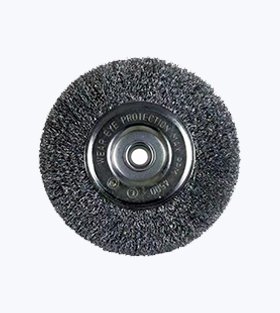
Industrial surface preparation depends heavily on high-speed rotation tools. A Wire Wheel Brush generates significant kinetic energy when it contacts corroded or oxidized metal surfaces. In real workshop environments, this energy transfer can cause wire fragmentation if the tool is misused or operated beyond its limits.
A stainless steel wire wheel and a wheel polishing brush are commonly used in finishing and rust removal processes. During operation, fine metal particles, rust dust, and broken wire fragments may be released into the air. These particles increase both mechanical and respiratory risk in enclosed industrial environments.
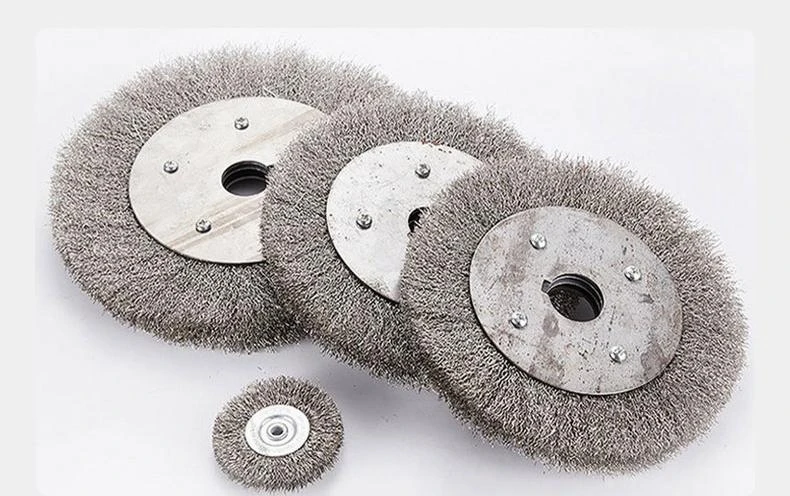
From a procurement perspective, many B2B buyers evaluate safety stability when selecting industrial Wire Wheel Brush products. Safety compliance directly affects operational downtime, operator injury rates, and long-term maintenance costs.
Standard PPE requirements include:
- Safety goggles or full-face shields to block high-speed particles
- Cut-resistant gloves for hand protection during handling and setup
- Long-sleeve protective clothing or industrial aprons
- Respirators when working with heavy rust or enclosed spaces
When using a remove rust wire wheel, airborne dust concentration increases significantly, especially during prolonged grinding cycles. Without proper ventilation, fine particles may remain suspended and increase long-term exposure risk.
Speed and Compatibility Guidelines
Match RPM to Brush Rating
Each Wire Wheel Brush is engineered with a maximum safe RPM, which is clearly marked on the product body or packaging. Operators must match machine speed to this rating because exceeding it significantly increases wire fatigue, imbalance, and structural failure risks.
In practical industrial use, a stainless steel wire wheel performs more consistently when operated within stable RPM ranges. Excess speed does not improve efficiency; instead, it reduces brush lifespan and increases vibration.
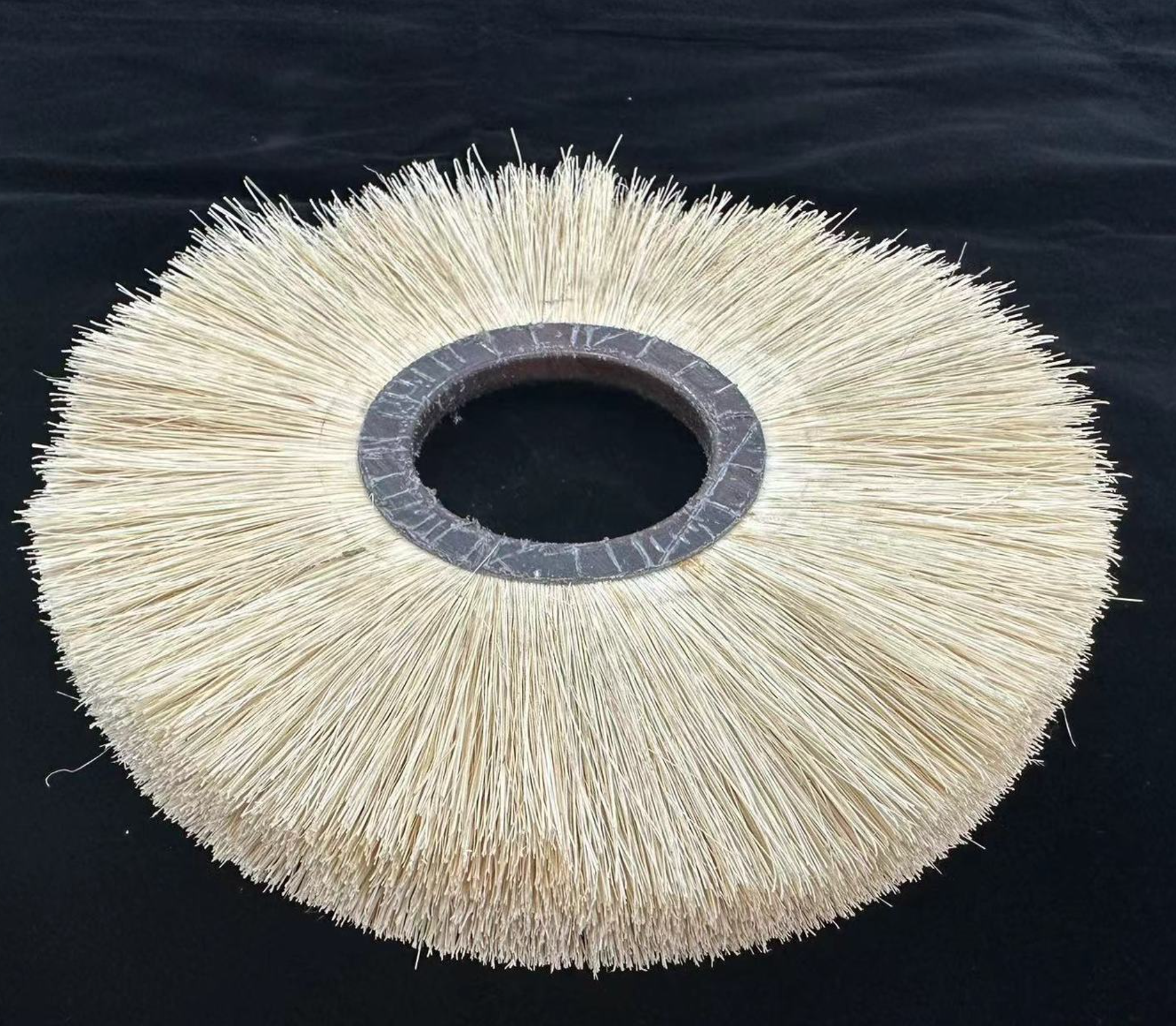
Safe Operating RPM Reference Table
| Diameter | Max RPM | Application |
|---|---|---|
| 50 mm | 20,000 | Precision cleaning and detailing |
| 100 mm | 12,500 | Bench grinding and moderate finishing |
| 150 mm | 8,000 | Rust removal and weld cleaning |
| 200 mm | 6,000 | Heavy-duty surface preparation |
| 250 mm | 4,500 | Large-scale industrial cleaning |
Incorrect arbor sizing is another common failure point. When the arbor hole does not match the spindle diameter, imbalance occurs immediately during rotation. This condition increases vibration intensity and may cause the Wire Wheel Brush to loosen or detach from the grinder during operation.
Pre-Use Inspection Checklist
A structured inspection process ensures consistent performance and significantly reduces operational risk. Before using a Wire Wheel Brush, operators should verify both mechanical integrity and mounting accuracy.
Key inspection steps include:
- Inspect bristle face for broken, bent, or missing wires
- Check hub structure for cracks, deformation, or fatigue damage
- Confirm arbor hole matches spindle diameter with secure fit
- Verify RPM rating matches the grinder or machine specification
- Ensure guard is installed, correctly positioned, and fully functional
If any defect is identified, replacement should occur immediately rather than temporary repair. A damaged Wire Wheel Brush not only reduces efficiency but also increases accident probability during high-speed operation.
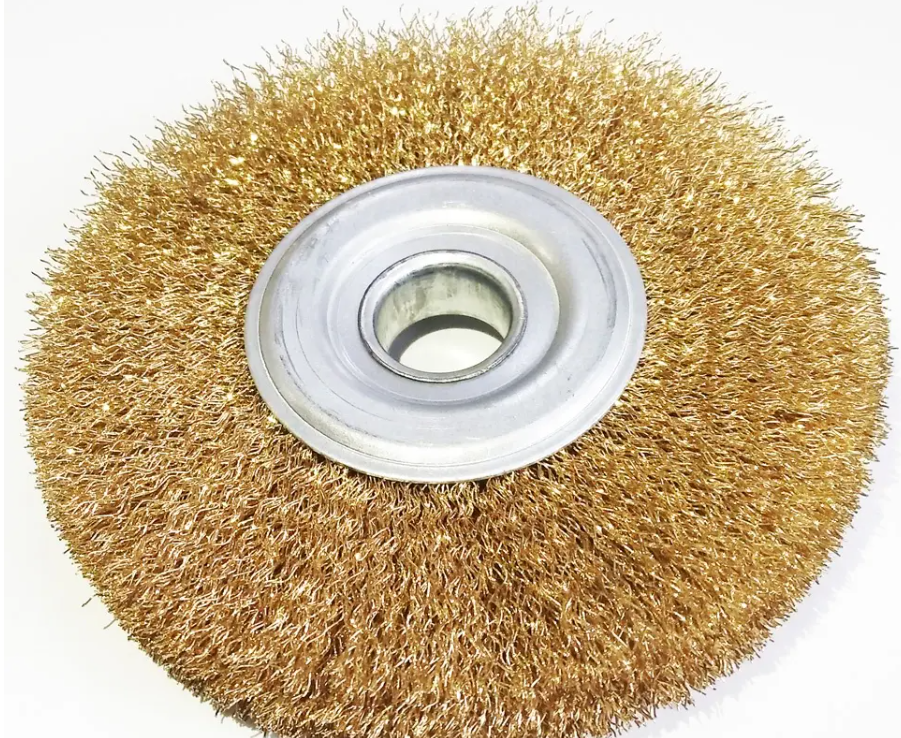
Consistent inspection improves operational reliability, especially when using a remove rust wire wheel in repetitive production environments where tool fatigue accumulates faster.
Safety Quick Reference Table
| Factor | Requirement | Operational Benefit |
|---|---|---|
| RPM Match | Tool speed must not exceed brush rating | Prevents wire breakage and imbalance |
| PPE | Goggles, gloves, respirator, protective clothing | Reduces injury from debris and dust |
Storage and Maintenance Guidelines
Proper storage practices significantly extend the service life of a Wire Wheel Brush and help maintain consistent brushing performance over time. Environmental exposure and poor storage conditions are two of the most common causes of premature wear.
Recommended industrial practices include:
- Store brushes in dry and controlled environments to prevent corrosion
- Hang brushes vertically to avoid bristle deformation under gravity
- Avoid stacking heavy tools on top of brushes to protect hub integrity
- Replace brushes when 25–30% of wires are missing or deformed
A Wheel Brush performs best when maintained under stable mechanical conditions. Excess load, improper storage, or moisture exposure will gradually reduce cutting efficiency and increase vibration during operation.
Best Practices During Operation
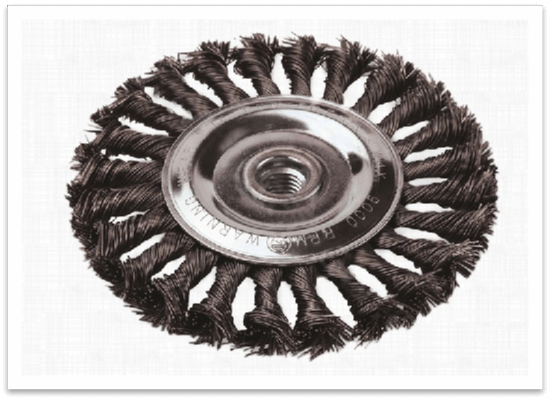
Maintain Correct Angle and Pressure
Excessive force is one of the primary causes of premature wire fatigue. A Wire Wheel Brush is designed to cut using the tip of the wire, not the full body of the bristle. When operators apply too much pressure, friction increases and significantly reduces brush lifespan.
Controlled operation improves both performance and safety. Light, consistent pressure allows the wire tips to maintain cutting efficiency while minimizing heat buildup and structural stress.
This approach is especially important when using a remove rust wire wheel on heavily oxidized steel surfaces where resistance naturally increases.
Safe Working Position
A Wire Wheel Brush mounted on a bench grinder or workbench requires strict positional awareness. Operators should avoid standing directly in the rotational plane of the brush to reduce exposure to flying debris.
Safe operating behavior includes:
- Securing loose clothing and avoiding dangling materials
- Tying long hair securely before operation
- Removing rings, watches, or jewelry before starting work
Entanglement incidents typically occur due to environmental neglect rather than equipment failure. Maintaining disciplined workspace control is essential for safe operation.
Selecting the Right Wire Wheel Brush
Correct product selection plays a critical role in both safety and efficiency. A properly chosen Wire Wheel Brush reduces operational resistance and improves surface finishing consistency.
Key selection criteria include:
- Wire material type (stainless steel or carbon steel depending on application)
- Wire diameter, which determines aggressiveness and finish quality
- Brush face width for coverage efficiency and production speed
- Hub construction and mounting design for stability under load
Industrial buyers often compare specifications before purchase to ensure compatibility with production requirements.
For deeper technical understanding, refer to Wire Wheel Brush material selection guide, which explains structural differences across industrial grades.
A well-matched Wire Wheel Brush reduces vibration, improves output quality, and extends machine lifespan in continuous operations.
Industrial Application Notes
Different industrial environments require different brush configurations. A stainless steel wire wheel is widely used in controlled finishing applications where contamination resistance and consistent surface quality are required.
In contrast, heavy-duty rust removal environments rely on more aggressive configurations designed for maximum material removal. Proper selection directly influences productivity, operator safety, and maintenance cycles.
FAQ
1. Why is Wire Wheel Brush safety important in industrial environments?
It reduces mechanical failure risks, prevents wire fragmentation, and protects operators from high-speed debris during metal cleaning operations.
2. When should a Wire Wheel Brush be replaced?
Replacement is required when 25–30% of wires are missing, as imbalance and performance loss increase significantly beyond this threshold.
3. Can all metals be processed with a Wire Wheel Brush?
No. Material compatibility must be considered to avoid contamination, surface damage, or reduced finishing quality during industrial use.