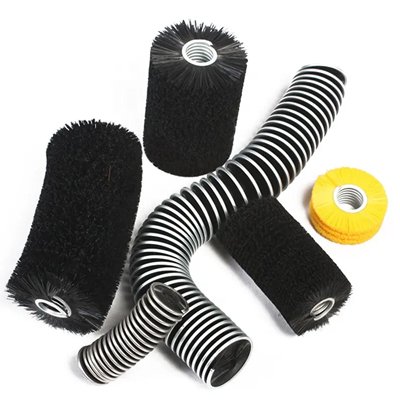
A cylinder brush, also known as a cylindrical brush, is a type of roller that rotates to clean various surfaces. It can be used to scrub, polish, or sweep a wide range of materials. Cylinder brushes are commonly employed to clean conveyor belts and to remove burrs from metal components. They are also useful for finishing wood. Factories make extensive use of both cylinder and cylindrical brushes, with car washes and food processing plants relying on them as well. Most cylinder brushes are manufactured from nylon, steel, or brass. Understanding how a cylinder brush operates enables you to select the most suitable one for your specific task.
Key Takeaways
-
Cylinder brushes are useful tools. They help clean, polish, and finish many surfaces. People use them in factories and food processing places.
-
Picking the right material for a cylinder brush is important. Steel works well for hard jobs. Nylon wire brush is better for gentle cleaning.
-
Taking care of cylinder brushes makes them last longer. Clean them after you use them. Store them the right way to stop damage.
-
There are different brush designs like spiral-wound and tufted. Each design helps with certain cleaning jobs. Picking the right one makes work easier.
-
Trying out different brushes helps you find the best one. Always think about the surface and job before you choose.
Cylinder Brush Overview
What Is a Cylinder Brush
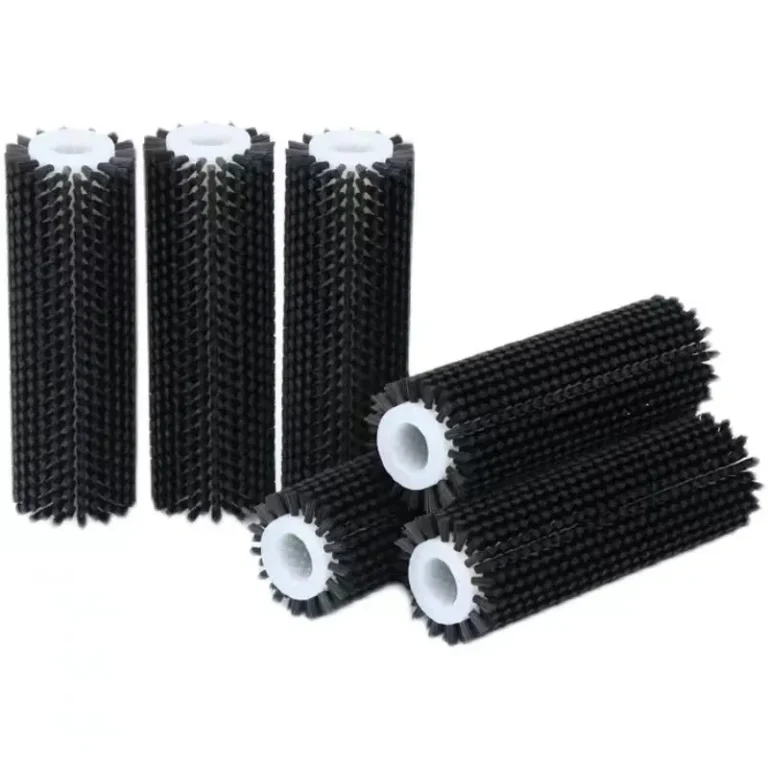
A cylinder brush is a roller that spins and has bristles all around its centre. This shape lets the brush touch the whole surface as it turns. People use cylinder brushes to clean, polish, or finish things in factories and shops. They are also used in places like supermarkets and other businesses. The brush can keep working on things that move, like conveyor belts or metal sheets. You can change how the brush works by picking different filament materials or making the bristles longer or shorter. You can also change how fast the brush spins. Because of these choices, many industries like using cylinder brushes.
Tip: Cylinder brushes work best when you pick the right one for your job. Think about what you need to clean or finish before you choose a brush.
Key Features
Cylinder brushes are special because of their shape and the ways you can change them. Here is a quick look at what makes them different:
|
Component/Characteristic |
Description |
|---|---|
|
Structure |
The brush covers the whole width of the material. This gives steady pressure and even contact. |
|
Materials |
Bristles can be put in different patterns. This makes each brush good for a certain job. |
|
Operational Features |
You can change the brush by picking the filament type, bristle length, fill density, or how fast it spins. |
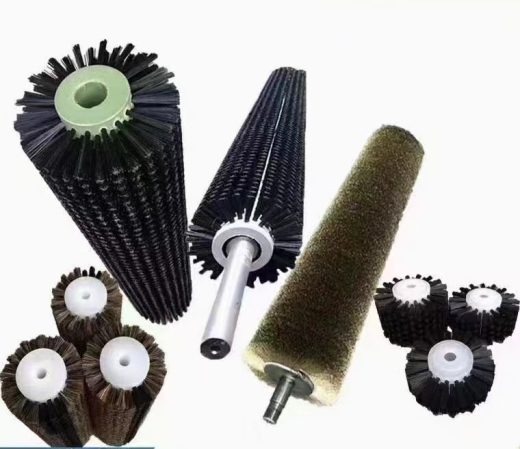
Cylinder brushes come in many sizes. Some are small for gentle jobs. Others are big for tough cleaning. The centre part can be metal or plastic, depending on what you need. Many cylinder brushes let you swap out old bristles easily. This helps save time when you need to fix the brush.
Common Materials
People use many materials to make cylinder brushes. Each one is good for different jobs. Here is a table that shows the most common bristle materials, what they are like, and what they are used for:
|
Material Type |
Properties |
Common Applications |
|---|---|---|
|
Steel Wire |
Handles heat and water, strong and lasts long |
Cleaning conveyors, scrubbing, removing grease |
|
Stainless Steel Wire |
Does not rust, works in hot places, very clean |
Food work, medicine, sterilising |
|
Brass Wire |
Soft, does not spark, gentle on surfaces |
Stops static, gentle metal cleaning, roughening surfaces |
|
Polypropylene (PP) |
Does not get damaged by chemicals, keeps shape when wet, cheap |
Washing fruit and vegetables, conveyor care |
|
Tough against wear and chemicals, many types |
Light cleaning, finishing metal, car detailing |
|
|
Animal Hair |
Soft, natural, holds liquids well |
Polishing, dusting, cleaning gentle surfaces |
|
Abrasive Wire |
Has grit for extra cleaning power |
Removing burrs, getting surfaces ready, taking off rust |
|
Sisal |
Natural fibre, stiff, good for the planet |
Scrubbing, washing produce, cleaning rough surfaces |
Cylinder brushes with steel or stainless steel wire are strong and last a long time. Brass wire is softer and safer for gentle jobs. Polypropylene and nylon are good because they do not get damaged by chemicals or water. Animal hair brushes are great for polishing and dusting. Abrasive wire brushes are best for cleaning off tough dirt or burrs. Sisal brush is a plant fibre and is good for cleaning in an eco-friendly way.
Note: Picking the right material for your cylinder brush helps you do a better job and makes the brush last longer.
Types of Cylinder Brushes
Construction Methods
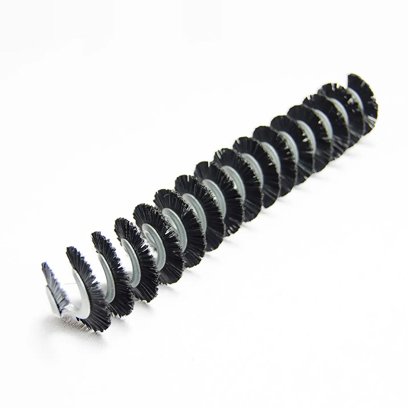
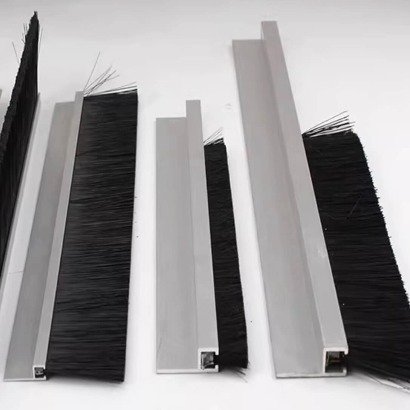
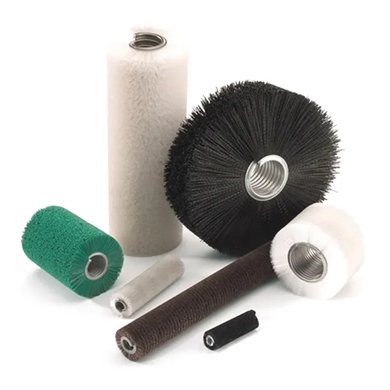
Cylinder brushes are made in different ways. Each way changes how the brush works. Some brushes have bristles that twist around the roller. This spiral style sweeps and moves debris fast. Other brushes have bristles grouped in holes on the cylinder. This tufted style is strong and good for heavy debris. Strip brushes can be put on a core. You can swap out old strips easily. Factories pick the style based on the debris and job.
Fill Materials
The fill material decides what the cylindrical brush does best. Factories and workshops have many choices. Each fill has its own good and bad points for sweeping. Here is a table that shows common fill materials, their strengths, and weaknesses:
|
Fill Material |
Advantages |
Disadvantages |
|---|---|---|
|
Stainless steel |
Handles high heat, safe for food, strong for tough debris |
Can scratch soft surfaces |
|
Brass |
Gentle on hard metals, does not spark, good for fine debris |
Wears out faster |
|
Nylon |
Flexible, resists chemicals, good for wet or dry sweeping |
Not for high heat |
|
Goat hair |
Very soft, perfect for delicate sweeping and dust |
Not very durable |
|
Horsehair |
Great for fine dusting and polishing debris |
Not for heavy debris |
Metal wires like stainless steel and brass are tough. They help with hard sweeping jobs and stubborn debris. Nylon is good for cleaning and works wet or dry. Animal hair, like goat hair and horsehair, is soft. It is best for dusting and polishing. Tampico fibre comes from plants. It soaks up water and handles heat, so it works for wet or dry sweeping.
Some cylindrical brushes use abrasive wire or sisal. Abrasive wire has grit for rust or burrs. Sisal is stiff and eco-friendly. It is good for scrubbing and rough debris. Polypropylene (PP) is another choice. It is used in food work because it resists chemicals and water.
Note: Many makers now use recycled plastic for brush backs. This helps cut down waste and supports green production of cylinder brushes.
Advantages
Different cylinder brushes have many benefits. Spiral-wound brushes sweep debris away quickly. Tufted brushes give strong contact and remove heavy debris. Strip-mounted brushes let you change worn parts fast. This saves time and money.
Picking the right fill material makes cylinder brushes work better. Stainless steel and brass last long and handle tough debris. Nylon and PP are good for general sweeping and resist chemicals. Animal hair and tampico fibre are gentle for sweeping and polishing. Abrasive wire and sisal clean rough debris and surfaces.
Industrial cylinder brush designs help keep equipment clean in factories, car washes, and food plants. The right cylindrical brush makes sweeping and debris removal easy. With so many types, users can match the brush to the job and get great results every time.
Cylinder Brush Uses
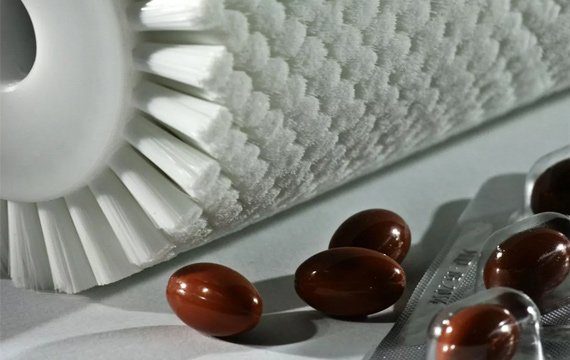
Cylinder brushes are important in many jobs and businesses. Their spinning bristles help with scrubbing, polishing, and getting rid of dirt. People use these brushes for tough cleaning and also for gentle care. Let’s look at where cylinder brushes work best and how different materials help with certain jobs.
Industrial Applications
Factories and workshops use cylinder brushes all the time. These brushes clean, remove dust, and get surfaces ready for the next step. Workers pick them for scrubbing conveyor belts, taking burrs off metal, and polishing wood. Cylinder brushes also help remove rust and paint, so they are great for getting surfaces ready.
Here is a table that shows some common jobs and how cylinder brushes help in factories:
|
Applications |
Benefits |
|---|---|
|
Metal cleaning and deburring |
Versatility: Used on many surfaces and for different uses |
|
Wood sanding and polishing |
Efficiency: Fast and effective cleaning and surface treatment |
|
Textile brushing and finishing |
Durability: Made with high-quality materials for long-lasting use |
|
Surface treatment and preparation |
Customisation: Available in many sizes, bristle materials, and shapes |
|
Rust and paint removal |
Cost-effective: Reduce labour costs and boost productivity |
|
Conveyor belt cleaning |
Reliable for ongoing cleaning operations |
|
Deburring and edge blending |
Consistent results for smooth finishes |
Cylinder brushes with steel bristles are good for hard jobs like scrubbing metal and taking off rust. Steel is strong, so it is good for heavy cleaning and removing dirt. Brass bristles are softer and work well on metals that are not iron. They do not scratch as much. Nylon bristles are good for gentle cleaning. They clean well but do not scratch. Factories use food processing brushes made from nylon or polypropylene to keep things clean and safe.
Food factories use cylinder brushes to wash fruit and vegetables. These brushes take off dirt but do not hurt the food. In printing, cylinder brushes keep rollers clean and stop ink from building up. Textile factories use them to brush and finish cloth, making it smooth and even.
Tip: Picking the right brush material helps workers do a better job. Steel is best for hard scrubbing. Nylon and brass are better for gentle cleaning or polishing.
Commercial Uses
Cylinder brushes are used in many shops and businesses. Shops, car washes, and food places use these brushes every day for cleaning. They help scrub floors and keep food areas clean.
Here are some common ways people use cylinder brushes:
-
Glass cleaning
-
Road sweeping
-
Conveyor cleaning
-
Waste management
-
Food hygiene
-
Plastics and injection moulding
-
Floor cleaning
People use cylinder brushes for scrubbing, polishing, and removing dirt in these places. Car washes use big cylinder brushes to clean cars fast and safely. Supermarkets and food shops use food processing brushes to keep things clean and meet hygiene rules. In farming, cylinder brushes clean machines and help sort food.
Different brush materials are good for different jobs. Nylon brushes are bendy and good for gentle cleaning, like glass or shiny floors. Steel brushes are strong and good for tough dirt, like in waste work and road sweeping. Brass brushes are softer and work well with metals that are not iron or with mild cleaners.
Note: Cylinder brushes can be used for many jobs, from cleaning in factories to gentle work in food shops. Picking the right brush helps you finish the job quickly and safely.
Cylinder brushes are trusted tools for both factory work and business cleaning. Their design and different materials make them good for almost any cleaning or scrubbing job. Whether you need to clean a conveyor belt or polish glass, these brushes give good results every time.
Choosing Cylinder Brushes
Selection Factors
Choosing the right cylinder brush can make a big difference in how well a job gets done. People often look at the size of the brush, the type of bristle, and the speed at which the brush will spin. They also think about the surface they want to clean or finish. Testing different brushes helps workers see which one gives the best results. Many companies test new ideas and check how the brush works under real conditions. This way, they can match the finish they want and make sure the brush does its job well. Reports from these tests show why a certain brush works best, so users can feel confident in their choice.
Material Guide
Different jobs need different brush materials. Here is a simple guide to help match the brush to the task:
|
Task |
Best Material |
Why It Works |
|---|---|---|
|
Heavy-duty scrubbing |
Steel wire |
Strong and long-lasting |
|
Food processing |
Nylon or PP |
Safe and resists chemicals |
|
Gentle polishing |
Horsehair or goat hair |
Soft and non-scratching |
|
Rust removal |
Abrasive wire |
Removes tough build-up |
|
Wet cleaning |
Polypropylene |
Keeps shape when wet |
People who use cylinder brushes in large factories often look for ways to save money and keep things safe. Durable brushes last longer, so workers spend less time changing them. Fewer replacements mean less waste, which is better for the environment. Clean floors and equipment also help prevent accidents and keep machines running smoothly.
Decision Tips
Picking the right brush does not have to be hard. Here are some tips to help:
-
Think about what you want the brush to do. Is it for cleaning, polishing, or removing rust?
-
Check the surface. Hard surfaces need tough bristles, while soft surfaces need gentle ones.
-
Try out a few brushes if you are not sure. Testing helps find the best match.
-
Look for brushes that last a long time. This saves money and helps the planet.
-
Ask for advice from suppliers if you have a special job.
Tip: The best results come from matching the brush type and material to the job. A little planning goes a long way.
FAQ
What is the main use of a cylinder brush?
Cylinder brushes clean, polish, or finish surfaces. People use them in factories, car washes, and food processing plants. They work well on conveyor belts, metal parts, and even fruit.
How do you choose the right cylinder brush material?
The best material depends on the job. Steel works for tough cleaning. Nylon suits gentle tasks. Brass is good for soft metals. Always match the brush to the surface and task.
Can cylinder brushes be used with water or chemicals?
Yes, many cylinder brushes handle water and chemicals. Nylon and polypropylene resist moisture and most cleaning agents. Always check the brush material before use with strong chemicals.
How often should you replace a cylinder brush?
Replace the brush when bristles wear down, bend, or fall out. Regular checks help spot problems early. Well-maintained brushes last longer and give better results.