Picking the right cylinder brush can confuse even skilled workers. A metalworker may ask if a nylon cylinder brush or an abrasive wire cylinder brush is best for hard cleaning. Someone working with soft surfaces may need a sisal cylinder brush for gentle cleaning. Many companies talk about the need for customisation, chemical resistance, and making sure the brush is good quality. They also mention things like anti-static features and designs made for special jobs. Heat, abrasives, and how sensitive the surface is can change what brush you pick. Every job needs a special plan to get the best results.
Key Takeaways
-
Cylinder Brush Types
-
Cylinder Brush Selection Criteria
-
Matching Brush to Material
-
Mistakes and Tips
Cylinder Brush Types
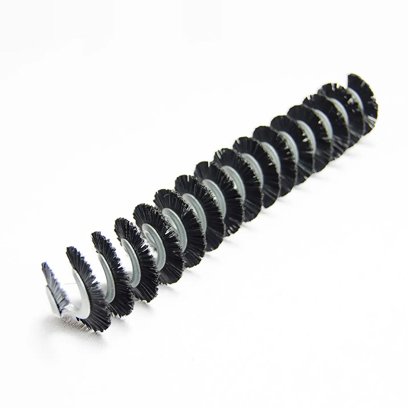
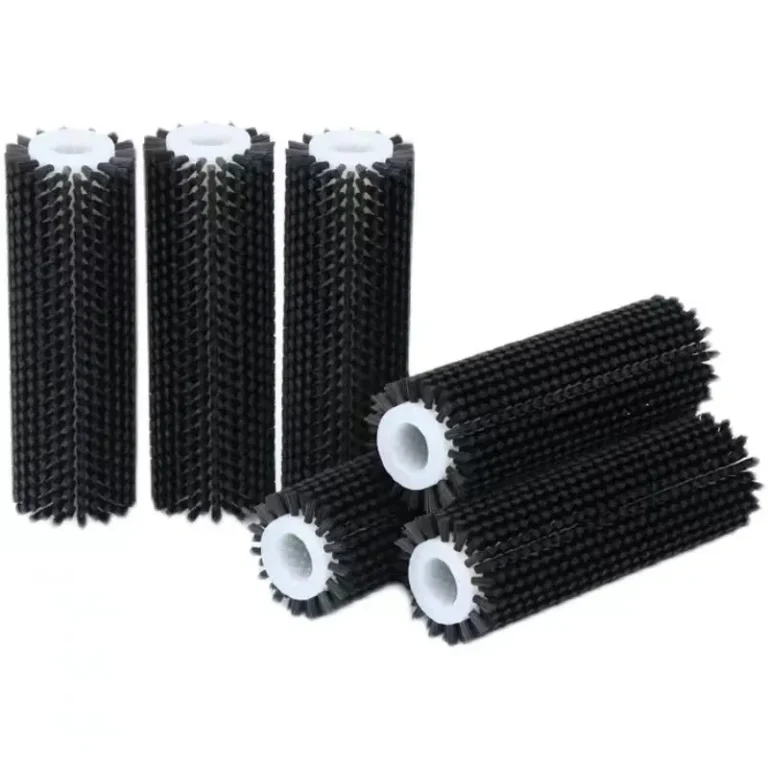
Cylinder brushes have many styles. Each style does a special job. People pick a cylinder brush by looking at the wire or filament. They also check how the brush fits on the machine. Knowing these choices helps people find the right tool.
Wire and Filament Options
Wire and filament choices change how a cylinder brush works. Metal cylinder brushes use filaments like carbon steel, stainless steel, or brass. These filaments can be twisted, crimped, or straight. The length and stiffness of the filament decide how strong the brush is. Short and stiff filaments clean hard surfaces but may scratch them. Long filaments are softer and fix small surface problems.
Here is a quick guide to common cylinder brush types and their features:
|
Type of Cylinder Brush |
Key Feature / Material |
|---|---|
|
Steel Cylinder Brushes |
Steel filaments make them tough and good for preparing surfaces |
|
Stainless Steel Cylinder Brushes |
Metal filaments that do not rust, great for rough places |
|
Brass Cylinder Brushes |
Softer metal filaments for gentle cleaning or polishing |
|
Nylon Cylinder Brushes |
Strong, bendy nylon filaments that last and resist wear |
|
Tampico Cylinder Brushes |
Natural fibre filaments for special cleaning jobs |
|
Other |
Special materials and shapes for different uses |
Different filament styles change how well the brush cleans:
-
Twisted filaments are thicker and stronger, best for hard cleaning.
-
Round crimp filaments are bendy and strong, good for most cleaning.
-
Straight filaments are for light jobs and smooth finishing.
-
Rectangular filaments touch more surface for tough cleaning.
Filament material and style help people pick the right cylinder brush for metal, wood, or plastic.
Core and Mounting Choices
The core and mounting style affect how the brush works and keeps people safe. Most brushes have a metal or plastic core. Metal cores are strong and steady, good for big jobs. Plastic cores are lighter and do not rust, so they work well in wet places.
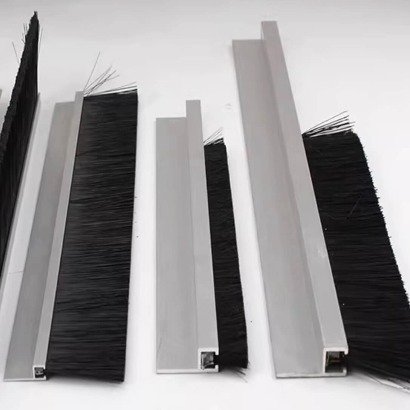
Mounting choices include shaft-mounted, flanged, or hub-mounted styles. Shaft-mounted brushes go straight onto spinning machines. Flanged brushes give extra support for big jobs. Hub-mounted brushes are easy to change and fix. People should check the mounting style to make sure the brush fits and is safe.
Tip: Always pick the right core and mounting style for your machine and job. This keeps you safe and helps you clean better.
Cylinder Brush Selection Criteria
Material Compatibility
Picking the right cylinder brush means matching it to the job. Some brushes work well in hot places. Others are better for wet or chemical areas. The table below shows how materials handle heat, chemicals, and stress.
|
Material |
Temperature Resistance |
Chemical Stability |
Mechanical Strength |
|---|---|---|---|
|
Stainless Steel |
Handles very high heat |
Very good with chemicals |
Very strong |
|
Brass |
Handles medium heat |
Good, but can rust |
Medium strength |
|
Nylon |
Handles low heat |
Okay, but breaks in strong heat |
Weak to medium |
Stainless steel bristles are good for hot and tough jobs. Brass is fine for medium heat but can rust. Nylon works for cool jobs and soft cleaning.
Choosing a cylinder brush also depends on what it can scrub. Steel wire brushes clean hard dirt and remove rust. Stainless steel wire is used where things must stay clean, like food factories. Brass wire cleans soft metals without scratching. Polypropylene and Tampico brushes fight chemicals and water, so they are good for cleaning in factories.
Note: Always check the surface before picking a brush. Soft bristles like goat hair protect gentle surfaces. Hard bristles like stainless steel wire clean tough messes but can harm soft materials.
Application Needs
Each job needs a cylinder brush with the right features. Some jobs need brushes for fast spinning or rough surfaces. Other jobs need brushes for soft cleaning or polishing.
Wire type changes how the brush works:
-
Straight wires are strong and clean hard messes.
-
Crimped wires bend and smooth bumpy surfaces.
-
Twisted and knotted wires clean big areas and tough dirt.
How fast the brush spins matters. Brushes must match the machine speed. Fast jobs need strong brushes that are mounted well. Slow jobs use soft bristles for gentle cleaning.
What you need to scrub also helps you choose. Steel wire brushes take off paint and rust. Brass wire polishes without scratching. Synthetic filaments like PBT polyester last longer in wet places.
Tip: Always look at the brush before using it. Check for damage or rust. Make sure it fits the machine and guards are on.
Customisation Factors
Some jobs need special cylinder brush designs. Custom brushes help match the brush to the job. Think about heat, chemicals, and safety rules.
The chart below shows how materials handle heat:
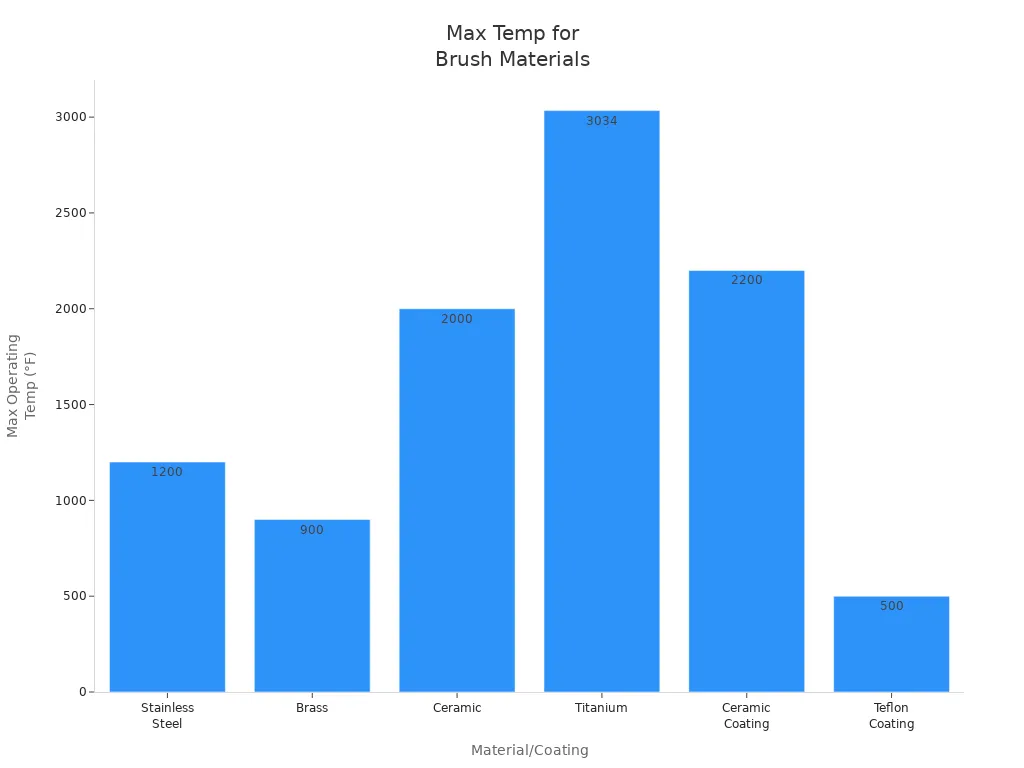
Custom brushes may use ceramic or titanium bristles for very hot jobs. Teflon coatings help with lots of chemicals. Filament shape, length, and how many bristles change how the brush cleans and lasts.
Safety rules matter. Brushes must meet standards like ANSI B165.1 and B165.2. Workers should wear face shields and gloves. Brushes must also follow RoHS and REACH rules to keep people and nature safe.
Quality is important. Good brushes use strong bristles and tough cores. They last longer and fight water and chemicals. The holder must fit the job and machine.
Callout: Custom cylinder brushes fix special problems. They help cleaning, safety, and make brushes last longer.
Matching Brush to Material
Picking the right cylinder brush for each material helps a lot. People often ask which brush is best for metals, plastics, wood, or glass. Here are some easy tips and ideas for each one.
Metals
Metal needs strong brushes to clean rust, paint, and dirt. Workers use wire cylinder brushes with steel or stainless steel filaments. These brushes take off rust and old paint from iron, steel, and aluminium. Brass cylinder brushes are better for soft metals like copper or brass. They clean without leaving scratches.
Tube cleaning brushes are good for cleaning inside pipes and castings. Single spiral brushes are used by hand. Double spiral brushes fit power tools for tough jobs. Hair cylinder brushes, made with horsehair, are gentle for buffing and finishing metal.
|
Brush Type |
Material / Construction |
Best Use Case |
|---|---|---|
|
Steel Wire Cylinder Brush |
Steel wire filaments |
Rust removal, paint stripping |
|
Stainless Steel Cylinder Brush |
Stainless steel wire |
Food-grade cleaning, corrosion resistance |
|
Brass Cylinder Brush |
Brass wire filaments |
Cleaning soft metals, polishing |
|
Tube Cleaning Brush |
Twisted wire, nylon or metal |
Internal pipe cleaning, hydraulic castings |
Tip: Pick the right wire for the metal. Hard wires clean tough messes. Softer wires are safer for delicate surfaces.
Plastics
Plastic needs brushes that clean but do not scratch. Nylon cylinder brushes are a good choice because they bend and last long. Nylon 610 and Nylon 612 filaments are used for bottles, car parts, and food equipment. These filaments handle water and chemicals, so they are safe for many jobs.
Staple set brushes with nylon filaments are good for cleaning plastic. U-shaped staples and bar anchors hold the filaments tight. This makes the brush last longer. Epoxy set brushes stop metal bits from getting into food or electronics.
|
Nylon Filament Type |
Key Properties |
Suitable Applications |
|---|---|---|
|
Nylon 610 |
Tough, chemical resistant |
Car wash, bottle cleaning |
|
Nylon 612 |
Water and oil resistant, FDA approved |
Food-safe, medical use |
|
Nylon 11 |
UV resistant, eco-friendly |
Outdoor, electrical insulation |
|
Nylon 12 |
Abrasion and marine resistant |
Electronics, marine use |
Note: Use soft nylon filaments for gentle plastics. Harder filaments are better for tough cleaning.
Wood
Wood needs gentle cleaning and finishing. Abrasive nylon cylinder brushes with Aluminium Oxide grit work best for wood. These brushes clean and finish wood without harm. Aluminium Oxide grit does not break easily, so it is safe for wood and plastics.
You can pick different grit sizes and filament thickness to change how strong the cleaning is. Brass brushes can help with soft woods, but abrasive nylon cylinder brushes with Aluminium Oxide grit are best for wood.
-
Abrasive nylon cylinder brushes: Clean and finish wood.
-
Customisable grit size: Changes cleaning strength and finish.
-
Brass brushes: Good for gentle cleaning of soft woods.
Callout: For wood, always use abrasive nylon cylinder brushes with Aluminium Oxide grit. They give a smooth finish and keep the wood safe.
Glass
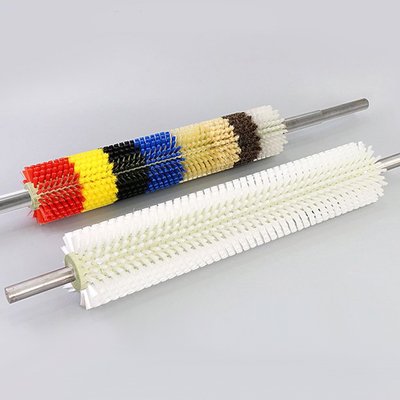
Glass needs a brush that cleans but does not scratch. Spiral roller cylinder brushes with nylon filaments are great for glass. The spiral shape makes a thick and bendy surface. This works well for glass in buildings, solar panels, and car windows.
Nylon bristles are tough and clean gently. Polyester filaments are also good for wet or dry scrubbing and resist chemicals. Hair cylinder brushes with soft bristles are good for dusting and finishing glass.
|
Brush Type |
Construction / Filament |
Best Use Case |
|---|---|---|
|
Spiral Roller Cylinder Brush |
Spiral wound nylon filaments |
Architectural glass, solar panels |
|
Hair Cylinder Brush |
Horsehair or soft bristles |
Dusting, gentle polishing |
|
Twisted wire, nylon |
Internal cleaning of glass tubes |
Tip: Use spiral wound nylon cylinder brushes for glass. They clean well, do not scratch, and last a long time.
Mistakes and Tips
Common Errors
Lots of people make the same mistakes with industrial brushes. These mistakes waste time and can damage surfaces. Sometimes, they even cause safety problems. Here are some common mistakes:
-
Using the wrong brush type or shape for the job. For example, a flat brush does not clean curved surfaces well.
-
Not thinking about wire diameter and style. Thick wires clean hard but break quickly. Thin wires bend more and are better for gentle jobs.
-
Forgetting about wire density. Brushes with low density wear out fast and do not clean well. High density brushes last longer but can get blocked and hot.
-
Not matching the brush to the material. Hard wires can scratch soft metal or plastic.
-
Mixing up brush sanding with other sanding ways. This mistake makes the job uneven and messy.
-
Not using custom brushes when needed. Standard brushes do not always fit every machine or job. Custom brushes can save time and money.
-
Picking cheap brushes. Low-quality brushes break fast and can hurt machines or products.
Tip: Always check the brush shape, wire type, and density before you start. The right brush keeps you safe and helps you work better.
Maintenance Advice
Looking after your brushes helps them last longer and work well. Checking and cleaning them often stops many problems. Here are some simple steps for good care:
-
Check brushes before you use them. Look for bent wires, missing parts, or signs of damage.
-
Clean brushes after each use. Take off dust, grease, and dirt to keep them working well.
-
Keep brushes in a dry place. Water can make them rusty or weaken the filaments.
-
Change brushes that are damaged or very worn. Old brushes do not clean well and can harm machines.
-
Set the machine speed and pressure to match the brush. Too much force or speed can break wires and make the brush too hot.
-
Write down when you use and check your brushes. Keeping a log helps you spot problems early.
Note: Good care makes brushes last longer, protects your machines, and gives a smooth finish every time.
Picking the best cylinder brush means you must know your job. You also need to know what material you will clean. Look at the filament type and the size of the brush. Check how the brush will fit onto your machine. The right brush for your surface and machine makes work safer. It also helps you finish the job well. If a job is hard, you can ask experts for help. They can give advice or make a special brush for you. Following these tips helps your brushes last longer and work better.
If you have a new or tricky job, ask product experts for help. This can save you time and stop expensive mistakes.
FAQ
What cylinder brush works best for cleaning metal surfaces?
Steel wire cylinder brushes are good for cleaning metal. They take off rust and paint fast. Brass brushes are better for soft metals. Stainless steel brushes do not rust. Workers choose the brush by the metal and job.
Can cylinder brushes scratch glass or plastic?
Cylinder brushes with soft nylon or horsehair bristles are gentle. They clean glass and plastic without scratching. Hard wires can scratch these surfaces. People should test the brush on a small spot first.
Tip: Pick soft filaments for delicate surfaces to stop damage.
How often should someone replace a cylinder brush?
People change cylinder brushes when bristles bend or break. Worn bristles mean it is time for a new brush. Checking brushes often helps find damage early. Most workers swap brushes after lots of use or if cleaning gets worse.
Are custom cylinder brushes worth the extra cost?
Custom cylinder brushes are made for special jobs and machines. They last longer and clean better than normal brushes. Many companies save money with custom brushes. They stop damage and give better results.
|
Standard Brush |
Custom Brush |
|---|---|
|
Works for most jobs |
Made for your needs |
|
Costs less |
Works better |
|
Wears out faster |
Lasts longer |