Specifying a brush seal for roll up door applications demands careful attention to detail. Measurement techniques, material properties, and performance requirements all play critical roles. Getting these details right from the start prevents costly errors and project delays. This practical guide outlines a systematic approach for specifying custom door seal brush solutions.
Why Custom Specifications Become Necessary
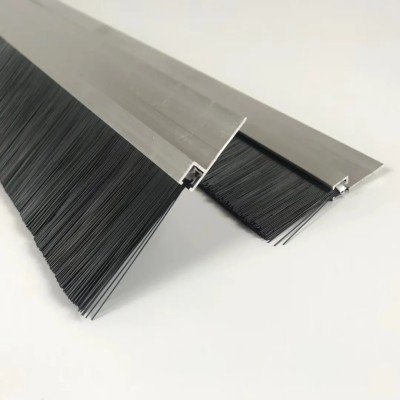
Standard sealing products serve many applications well, but certain situations demand tailored solutions. Experienced facility managers recognize several scenarios where custom specifications prove essential:
-
- Older buildings with non-standard door frame dimensions
-
- Specialized industrial processes requiring specific material resistance
-
- Extreme operating temperatures exceeding standard product limits
-
- Unusual gap variations along door perimeters
-
- Regulatory requirements demanding particular certifications
Understanding when custom solutions add value versus when standard products suffice helps organizations allocate procurement resources effectively. The roll up door seal brush guide provides helpful context for evaluating standard versus custom options.
Step-by-Step Specification Process
Following a structured process ensures all critical specifications receive proper attention. Rushing through this phase often results in products that fail to meet operational needs.
Step 1: Conduct Site Assessment
Thorough site assessment forms the foundation for accurate specifications. Before measuring, observe the door operation and environmental conditions:
-
- Watch the door complete several open-close cycles
- Note any visible gaps, wear patterns, or alignment issues
- Document environmental factors, including temperature ranges, dust levels, and chemical exposure
- Identify any existing sealing components and their condition
- Record door cycling frequency for durability calculations
This observational phase often reveals requirements that simple measurement cannot capture.
Step 2: Take Accurate Measurements
Measurement accuracy directly impacts final product fit. Brush seals for roll-up door applications require three primary dimensional specifications:
| Measurement | Description | Best Practice |
|---|---|---|
| Overall Length | Total linear sealing distance required | Measure with door closed; add 50mm for overlap |
| Gap Width | Distance between door edge and frame | Take readings at 6+ points; note maximum and minimum |
| Available Mounting Space | Depth available for channel installation | Confirm clearance for hardware and bristle compression |
Taking multiple measurements along the door perimeter proves especially important for older installations where settling may have created variable gaps.
Step 3: Select Bristle Material
Bristle material selection determines performance characteristics and service life. Different materials suit different operating conditions:
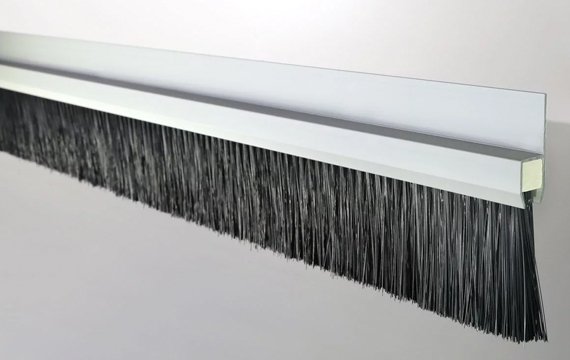
Nylon Bristles: The most common choice for general industrial applications. Nylon wire brush offers excellent flexibility, wear resistance, and performs well across moderate temperature ranges. Most warehouse and distribution center applications specify nylon-based brush seal products.
Polypropylene Bristles: Preferred for wet environments or chemical exposure. Polypropylene resists moisture absorption and tolerates contact with many industrial chemicals that would degrade nylon.
Stainless Steel Bristles: Required for extreme temperature applications or heavy-duty cleaning functions. Steel bristles withstand conditions that would destroy synthetic options.
For deeper material comparison insights, the brush seal selection and maintenance guide provides comprehensive analysis.
Step 4: Determine Bristle Specifications
Beyond material selection, several bristle characteristics require specification:
Trim Length: The exposed bristle height must properly fill the gap being sealed. Industry practice suggests specifying trim length 15-25% longer than measured gap width. This creates adequate compression for effective sealing without excessive drag during door operation.
Bristle Diameter: Finer bristles (0.10-0.15mm) provide softer contact suitable for sealing applications. Coarser bristles (0.20-0.30mm) offer greater stiffness for heavy-duty applications involving material contact.
Fill Density: Higher density configurations deliver better sealing performance. Specifications typically range from 50% to 80% fill:
- 50-60%: Adequate for general dust exclusion
- 60-70%: Good balance of sealing and smooth operation
- 70-80%: Maximum sealing for climate control or pest prevention
Step 5: Specify Channel Requirements
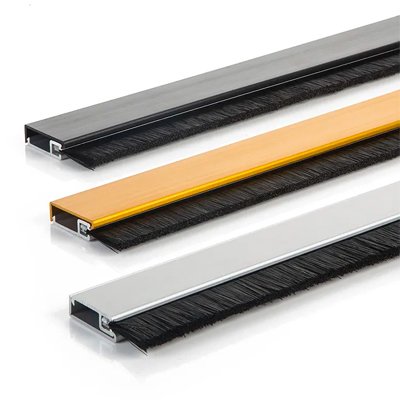
The mounting channel anchors bristles and enables installation. Channel specifications include:
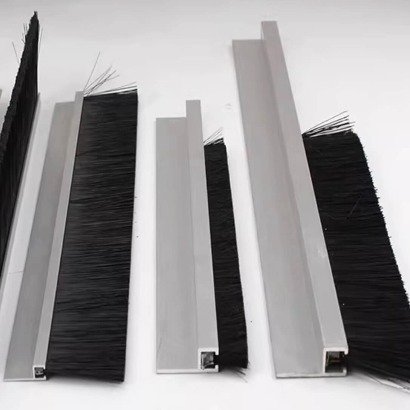
- Material: Aluminum, stainless steel, or galvanized steel based on environmental requirements
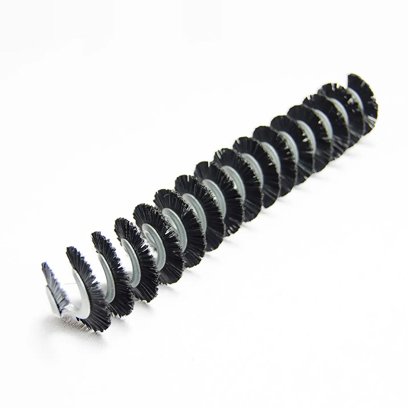
- Profile: Standard h-channel, specialized mounting profiles, or custom configurations
- Dimensions: Back height and channel width matching installation requirements
Exploring the industrial strip brush reveals various channel options suitable for different mounting scenarios.
Documentation Best Practices
Clear documentation communicates requirements effectively to manufacturers and creates reference records for future orders.
Essential Documentation Elements
Professional specification packages typically include:
- Dimensional drawings with tolerances clearly marked
- Material specifications for both bristles and channel
- Environmental condition descriptions
- Performance requirements and expected service life
- Applicable certifications or compliance requirements
- Quantity requirements and delivery timeline
Common Specification Mistakes
Experience reveals several frequently encountered specification errors:
- Measuring gaps with door open rather than closed
- Failing to account for seasonal building movement
- Specifying insufficient bristle density for required sealing level
- Overlooking chemical compatibility requirements
- Neglecting to specify mounting hardware needs
Avoiding these common pitfalls saves considerable time and expense during the procurement process.
Working with Manufacturers
Effective manufacturer communication ensures custom brush seal for roll up door products meet exact requirements.
Reputable strip brush manufacturers typically offer:
- Technical consultation during specification development
- Sample production for evaluation before volume orders
- Quality documentation and material certifications
- Guidance on optimizing specifications for performance and cost
Requesting samples before committing to large orders allows physical evaluation of fit, flexibility, and quality. This modest investment frequently prevents larger problems during installation.
For additional guidance on evaluating door seal brush options, the garage door brush seals selection guide offers relevant decision-making criteria.
Conclusion
Specifying custom roll up door seal brush products successfully requires systematic attention to site conditions, accurate measurement, appropriate material selection, and clear documentation. Organizations investing time in thorough specification development consistently achieve better sealing performance and longer product service life than those rushing through this critical phase.
FAQ
How long do custom brush seal orders typically take?
Most custom orders require 2-4 weeks for production. Complex specifications or specialized materials may extend lead times. Planning ahead ensures timely delivery for scheduled installations.
What information should be provided when requesting quotes?
Provide complete dimensions, material preferences, quantity requirements, and delivery timeline. Including application details helps manufacturers recommend optimal specifications for specific operating conditions.
Can manufacturers provide samples before full production?
Yes, reputable manufacturers offer sample production for evaluation. Testing samples confirms fit, quality, and performance characteristics before committing to volume orders.