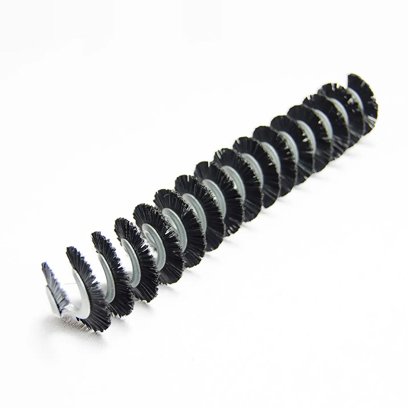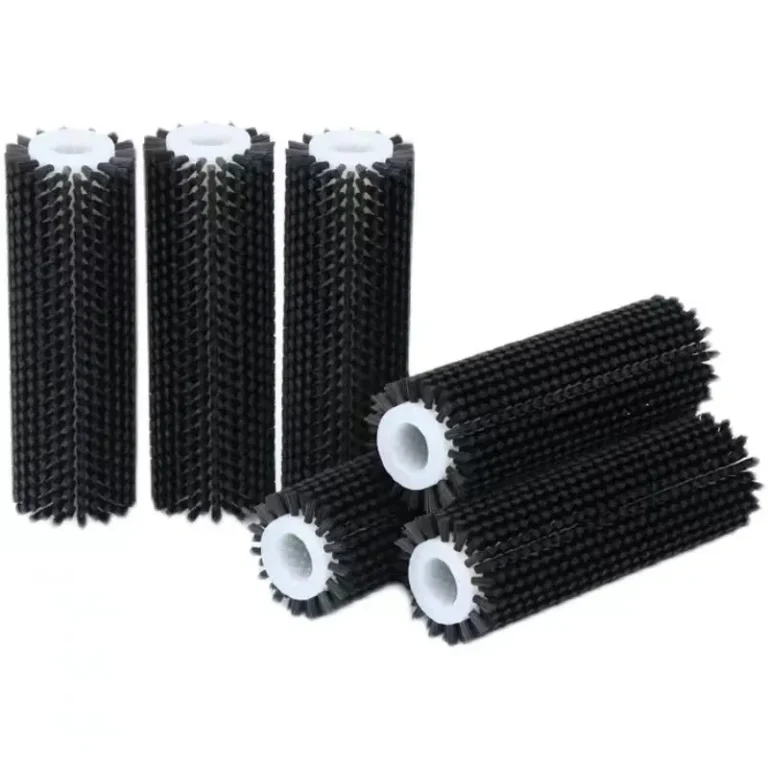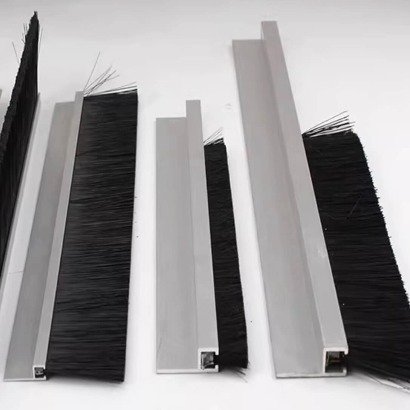
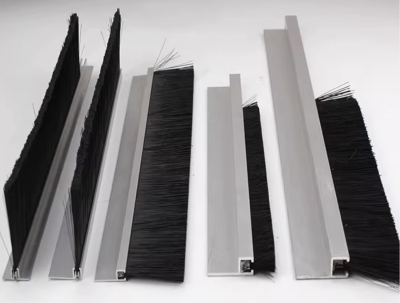
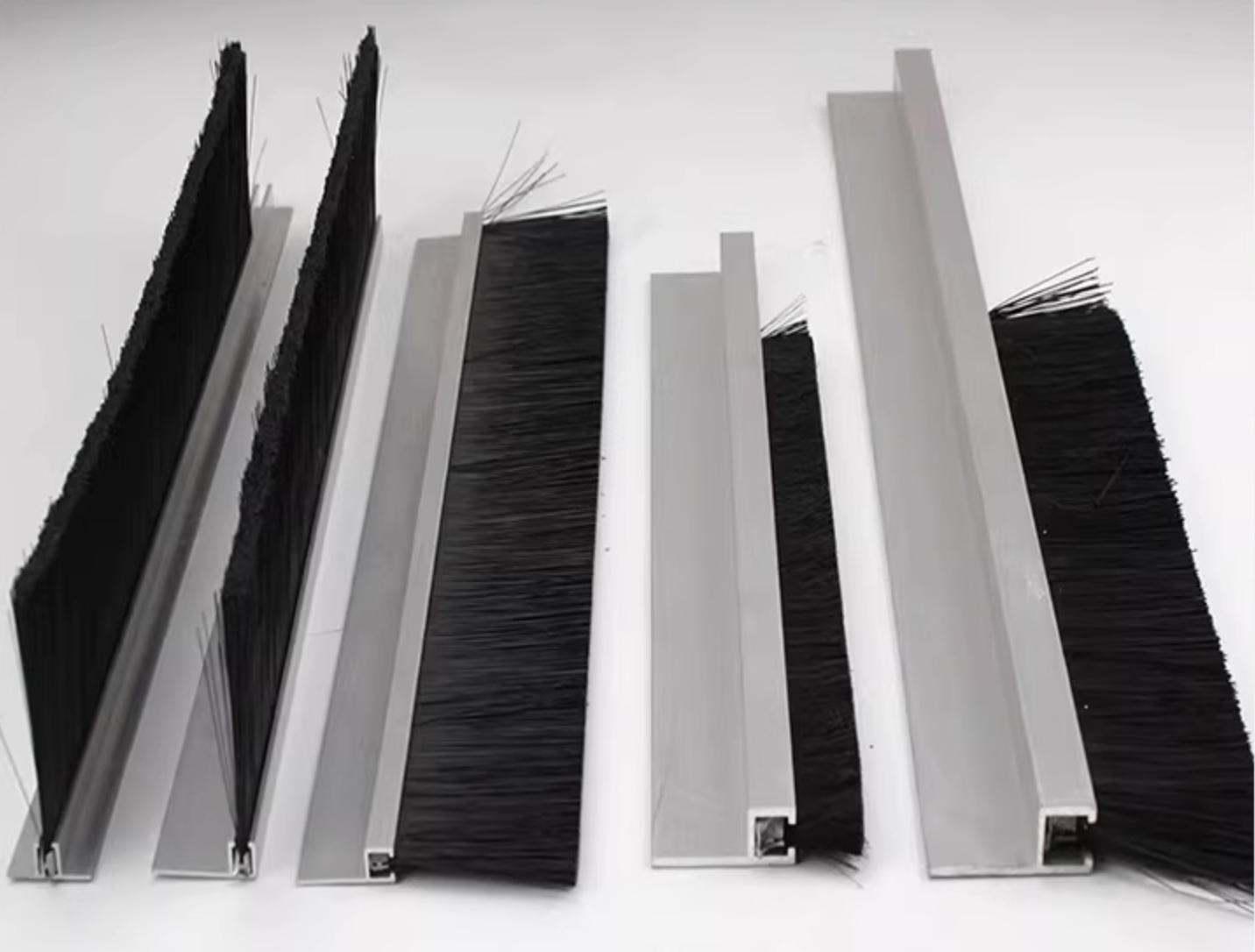
Nylon is the best pick for Seal Strip Brushes. It does not wear out fast and stays in shape. Many people also use polypropylene yarn and mohair wool. These materials do not get damaged by water and can stretch well. Natural fibers are good for soft surfaces. Polyester works in both wet and dry places.
Key Takeaways
-
Nylon is the best material for seal strip brushes. It lasts a long time. It can handle bad weather and chemicals. It keeps its shape well on busy doors and windows.
-
Pick brush materials based on your weather and door type. Use nylon or EPDM for harsh weather. Use vinyl for gentle weather. Use natural fibers for soft indoor surfaces.
-
Check and clean your seal strip brushes often. Replace them if they are worn or broken. Install them carefully so they block drafts, save energy, and lower noise well.
Best Materials
Nylon
Nylon is a great material for Seal Strip Brushes. It works in hot and cold weather. It keeps its shape from -30°C to 250°C. Nylon does not wear out fast. It resists chemicals and does not rust like rubber. This makes it last longer in hard places. There are different kinds of nylon. Nylon 610 and 612 do not soak up water and resist chemicals. Nylon 11 and 12 protect from the sun and are very strong. Nylon brushes can bend and go back to their shape. This is good for doors and windows that move a lot.
|
Nylon Type |
Key Properties |
Best Use |
|---|---|---|
|
610 |
Tough, low moisture |
Humid/cold areas |
|
612 |
Flexible, chemical resistant |
Harsh chemicals |
|
11 |
UV resistant, eco-friendly |
Outdoor use |
|
12 |
Abrasion/UV resistant |
High-traffic doors |
Tip: Pick nylon with UV stabilizers for outside doors. This helps stop sun damage.
Polypropylene
Polypropylene is also used for Seal Strip Brushes. It bends well and does not get hurt by chemicals. Polypropylene works in wet places and costs less than nylon. But it does not handle rubbing or bending as well as nylon. People use polypropylene for sliding windows or inside doors that are not used a lot.
Natural Fibers
Natural fibers like horsehair strip brushes are soft and gentle. They are good for surfaces that need care and help make things quieter. These fibers do not last as long as fake ones. They wear out faster in wet or busy places. People pick natural fibers for inside windows or doors that do not get bad weather.
Metal and Plastic Components
Metal parts like aluminum or stainless steel make Seal Strip Brushes strong. They also help stop fires. These metals help the brush last longer in hard places. Plastic parts like PVC or HDPE keep the brush light and stop rust. Both metal and plastic help hold the brush together. They help the brush fit tightly on doors and windows.
Choosing Seal Strip Brushes
Key Factors
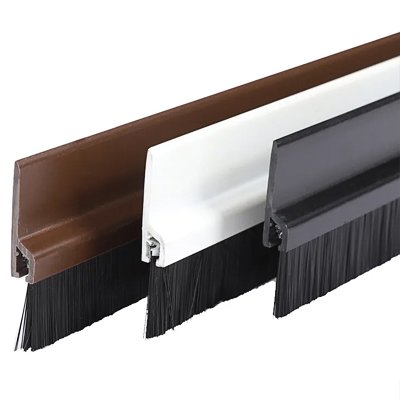
Picking Seal Strip Brushes is about more than just cost. People want brushes that last and can handle weather. They also want less noise and a good fit for their doors or windows. At home, people like materials that look nice and last long. In offices or stores, strong brushes that seal well are most important.
Here’s a quick guide for different places:
|
Factor |
Residential Settings |
Commercial Settings |
|---|---|---|
|
Material Durability |
Looks matter but must last |
Needs to last a long time |
|
Material Flexibility |
Helps seal well |
Needed for rough surfaces and lots of use |
|
Weather and Temperature Resistance |
Handles normal weather |
Must handle tough weather and dirt |
|
Common Brush Material |
Polypropylene is light and bends easily |
Polypropylene with EPDM strip for extra safety |
|
Aesthetic Considerations |
Looks are very important; vinyl comes in many colors |
Looks matter less; strong and useful is key |
|
Air Infiltration Prevention |
Saves energy by blocking air |
Very important; can stop almost all air leaks |
|
Compliance and Safety |
Meets basic rules |
May need special safety ratings |
|
Installation Ease |
Easy to put in |
Flex Brush with polypropylene for big jobs |
|
Maintenance |
Check and change often |
Check and change often |
People also care if the brush blocks sound. Q-LON polyurethane foam seals block more noise than regular brushes. These foam seals bounce back better and last longer. Brush seals work for most homes and businesses. But foam seals are best if you want less noise.
Matching to Door and Window Types
Not every brush fits every door or window. The frame, weather, and how much you use the door all matter. Nylon and PVC brush seals are good in cold and wet places. EPDM rubber seals work in very hot or cold weather and last a long time. Vinyl seals are cheaper and best for mild weather.
Here’s a table to help you pick the right material:
|
Material Type |
Properties |
Recommended Climate/Use Case |
|---|---|---|
|
Nylon/PVC Brush Seals |
Strong bristles, keeps bugs out |
Cold, wet places, stops bugs well |
|
EPDM Rubber Seals |
Bends easily, handles hot and cold, lasts |
Very hot or cold, all kinds of weather |
|
Vinyl Seals |
Cheap, keeps shape in steady weather |
Mild weather, flat floors |
Some doors and windows have wood, aluminum, or PVC frames. Silicone rubber and EPDM seals are best for outside and metal frames. They fight weather, chemicals, and wear. Flexible PVC costs less but does not last as long on busy doors.
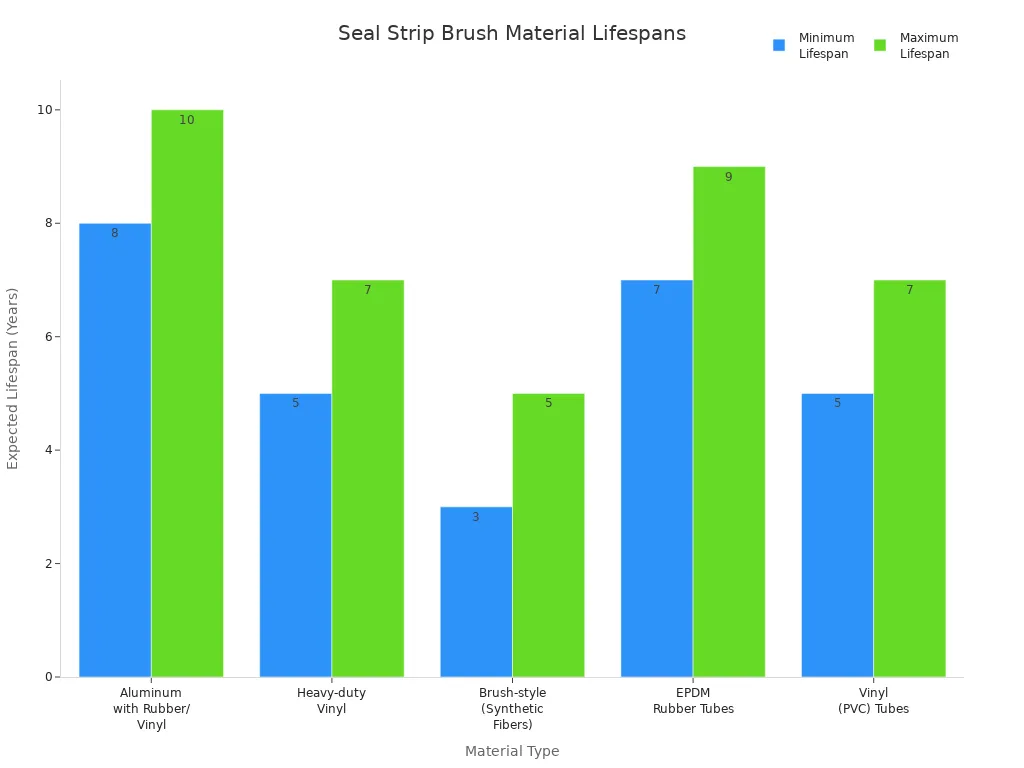
Doors used a lot, like in schools or stores, need tough brushes. Synthetic fiber brushes last about 3 to 5 years in busy places. Aluminum with rubber or vinyl can last up to 10 years. Here’s a chart that shows how long each type lasts in tough spots:
Brush seals are great for doors or windows that are not flat. They fill gaps and stop drafts. For very flat doors, rubber flaps might work better. Think about how much the door moves and what weather it faces.
Practical Checklist
A checklist makes picking Seal Strip Brushes easier. Try these steps:
-
Clean the door or window frame before you start.
-
Pick a material that matches your weather. Nylon or EPDM is good for tough weather. Vinyl is fine for mild weather.
-
Check the frame type. Use silicone or EPDM for metal or outside frames.
-
Look at the seal often. Watch for cracks, gaps, or spots that do not spring back.
-
Use a flashlight in a dark room to see if light gets through the seal.
-
Change the seal if more than 30% is broken or if it does not bounce back.
-
Pick the right hardness. For cold places, use 70-80 Shore A. For warm places, use 50-60 Shore A.
-
Press the brush on evenly when you install it. Do not make bolts too tight.
-
Clean and check the seal often to keep it working.
Tip: Do not make common mistakes. Always clean first, pick the right material for your door and weather, seal all corners, and change worn strips fast.
Seal Strip Brushes help stop drafts, save energy, and keep bugs out. They work best when you match them to your door, window, and weather. People who follow these steps get the best results and longer-lasting seals.
Choosing Seal Strip Brushes comes down to matching the right material to the door, climate, and budget. Readers should:
-
Check product details and ask experts to avoid mistakes like poor fit or wrong material.
-
Remember, high-quality brush seals cut drafts, boost energy ratings, and keep homes cleaner.
Quick tip: Pick nylon for tough weather and busy doors, but always check the specs first!
FAQ
What is the best material for outdoor doors?
Nylon works best for outdoor doors. It stands up to sun, rain, and cold. Nylon also keeps its shape after lots of use.
How often should someone replace seal strip brushes?
Most people check their brushes every year. Replace them if they look worn, cracked, or do not spring back.
Can seal strip brushes help with noise?
Yes! Seal strip brushes block drafts and help reduce noise. For even better soundproofing, try Q-LON foam seals.
Tip: Always check the seal for gaps if you notice more noise or drafts.