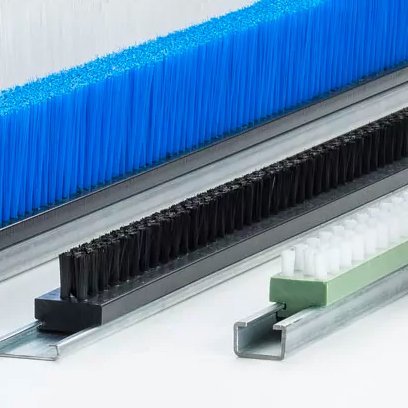
Choosing the right door brush seal starts with knowing what matters most. People look for brush seals to block draughts, cut noise, and keep pests out. Material durability makes a difference, especially in busy homes. Window brush seal options fit various needs, so finding one that matches the door or window type feels simple with clear steps.
Key Takeaways
-
Pick the best brush seal by thinking about what you need. Do you want to stop draughts, block noise, or keep out pests? This helps make your home comfy and quiet.
-
Always check the gap size before you buy a brush seal. Good measuring helps you pick a seal that fits right. This stops draughts and saves energy.
-
Choose strong materials like nylon or polyurethane for long use. These materials block noise and bad weather well. They help keep your home warm and quiet.
Choosing the right door brush seal
Assessing draught-proofing and noise needs
Door brush seals are frequently chosen to prevent drafts and reduce noise. The primary purpose for installation should be considered first. Some seek to block cold air, while others require a quieter interior environment. Door brush seals are effective for both objectives, as they block gaps around doors to stop the passage of air and sound.
The following table outlines key considerations when selecting door brush seals for draft prevention:
|
Criteria |
Description |
|---|---|
|
Material Considerations |
Selecting materials that maximise comfort and minimise energy leakage is essential for effectiveness. |
|
Sealing Capabilities |
The ability of the seal to effectively block draughts is crucial for ensuring energy efficiency. |
|
Installation Methods |
Easy installation methods, such as double-sided tape or screws, enhance the practicality of the seals. |
Door brush seals also provide noise reduction benefits. A design suitable for the home can be selected, as some seals feature longer or denser bristles that are more effective at blocking sound. The correct door brush seals create an effective barrier against external noise, contributing to a more peaceful interior environment.
-
Door brush seals effectively reduce noise infiltration in residential settings.
-
They create a barrier against external noises, contributing to a quieter indoor environment.
-
The design factors, such as brush length and density, significantly influence their noise reduction capabilities.
Preventing dust, insects, and vermin
Door brush seals are widely used to prevent the entry of dust, insects, and vermin. These seals can be fitted at the bottom or sides of doors, effectively stopping tiny pests from entering the house. Door brush seals act as a shield, blocking unwanted visitors. They also help with preventing drafts, so the home stays clean and comfortable.
Some people worry about gaps under doors. Door brush seals fill these spaces, making it harder for bugs and dirt to get inside. A seal that matches the door type can be selected, whether it is sliding, hinged, or made from uPVC or timber. This makes preventing drafts and pests easy.
Weatherstripping windows and doors
Weatherstripping is important for homes in places with strong winds or extreme temperatures. Door brush seals help with this job. High-quality polyurethane brush seals can be used for this purpose. These seals work well in tough climates and are easy to install. People often use them in heritage and conservation buildings because they last a long time.
-
Brush seals are made from high-quality polyurethane.
-
They are inexpensive and easy to install.
-
Suitable for use in extreme climates.
-
Commonly used in heritage and conservation buildings.
Door brush seals fit many types of doors and windows. The seal should be matched to the specific application. For example, a thick brush works best for wide gaps, while a thin brush suits smaller spaces. This helps with preventing drafts and keeps the home energy efficient.
Tip: Always measure the gap before buying door brush seals. This makes sure the seal fits well and does its job.
Selecting the right door brush seals is straightforward when the requirements are clear. The primary needs—such as preventing drafts, reducing noise, and blocking pests—should be considered first, followed by choosing a seal that matches the specific door or window. With the correct choice, homes remain warm, quiet, and clean.
Measuring and selecting brush seals
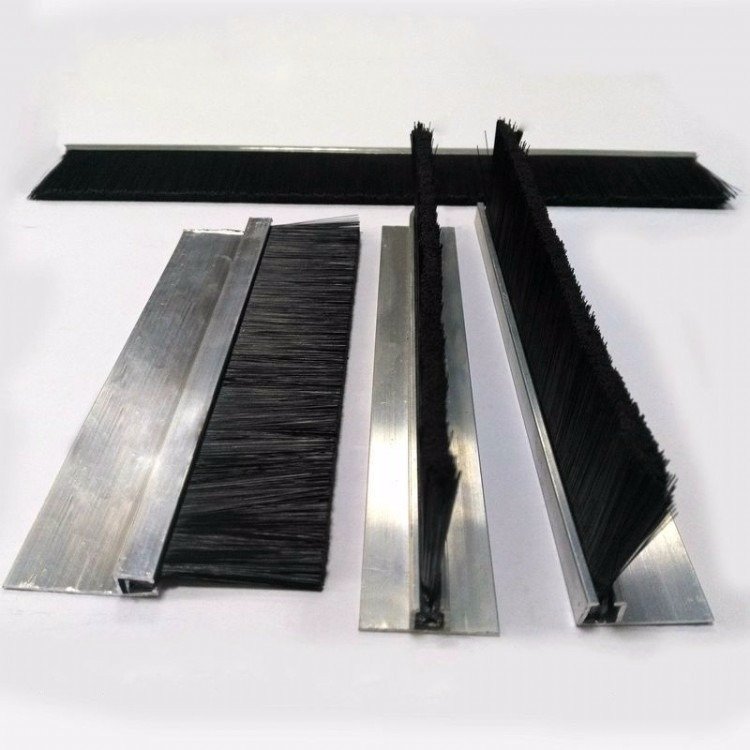
Measuring gaps and fitting
The process should begin with a tape measure. The gap under or around the door or window needs checking. Most people find that measuring from the floor to the bottom of the door gives the best result. If the gap is uneven, measure at several points. Write down the largest measurement. This helps when selecting the right type of seal.
A step-by-step guide makes the process easy:
-
Open the door or window fully.
-
Place the tape measure at the edge of the gap.
-
Record the height and width.
-
Repeat for each side if needed.
People often forget to check for obstructions. Look for hinges, locks, or uneven flooring. These can affect installation. A high-quality door brush seal should be selected that fits snugly but does not drag on the floor. This keeps draughts out and makes opening and closing smooth.
Tip: Always measure twice before installing door brush seals. This ensures a perfect fit and saves time.
Size and length selection
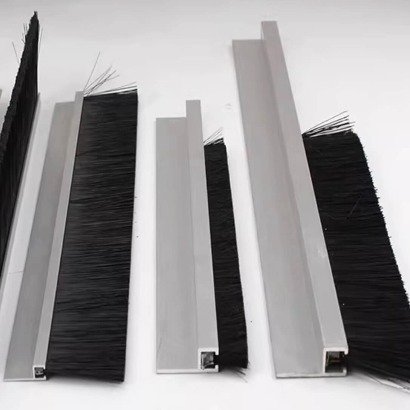
Selecting the right size matters for performance. The depth of the brush and the length of the seal affect how well it blocks draughts and reduces noise. Longer brushes fill bigger gaps, while shorter ones suit smaller spaces. The brush depth should be matched to the gap size.
Here is a table showing common brush depths and length options:
|
Brush Depth |
Length Options |
|---|---|
|
22mm |
914mm, 2134mm |
|
30mm |
914mm, 2134mm |
|
40mm |
914mm, 2134mm |
|
50mm |
914mm, 2134mm |
A high-quality door brush seal with the right depth keeps draughts and noise out. People often choose longer seals for wide doors and shorter ones for windows. This complete guide helps with weatherstripping windows and doors, making homes warmer and quieter.
Compatibility with door and window types
Not every brush seal fits every door or window. The type of door or window should be checked before purchasing. Sliding doors need seals that move smoothly. Hinged doors work best with seals that stay in place when the door swings. uPVC and timber frames have different needs. Some seals come with integrated brush and rubber features. These prevent warm air from escaping and stop draughts.
Here is a table showing features for different door types:
|
Feature |
Why It Matters |
|---|---|
|
Integrated brush/rubber seals |
Combines flexibility with a solid barrier to stop drafts and prevent warm air escaping. |
|
Multi-point locking |
High-quality brush seals must be slim enough to allow locking mechanisms to engage smoothly. |
|
High-grade frame materials |
Whether for UPVC, timber, or aluminum frames, the seal backing must match the surface for long-lasting adhesion. |
A high-quality door brush seal works well with most frames. People find that weatherstripping windows and doors is easier when they follow a step-by-step guide. Installing door brush seals on sliding, hinged, uPVC, or timber doors keeps draughts out and improves comfort. This complete guide helps everyone select the right seal for their home.
Materials, installation, and weatherstripping features
Comparing brush seal materials
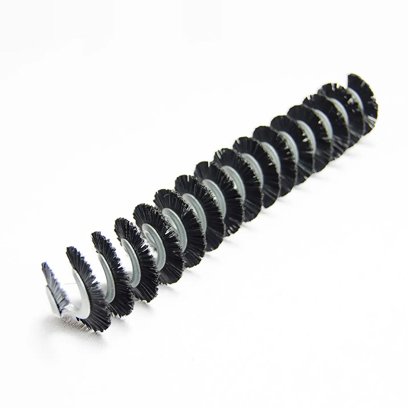
Selecting the right material ensures the seal withstands environmental stress. For most residential and commercial door brush seal applications, the nylon brush seal is the top choice due to its excellent memory (bristles bounce back) and noise reduction properties.
However, for non-sealing or specialized tasks:
- Nylon & Polyurethane: Best for general weatherproofing and energy saving.
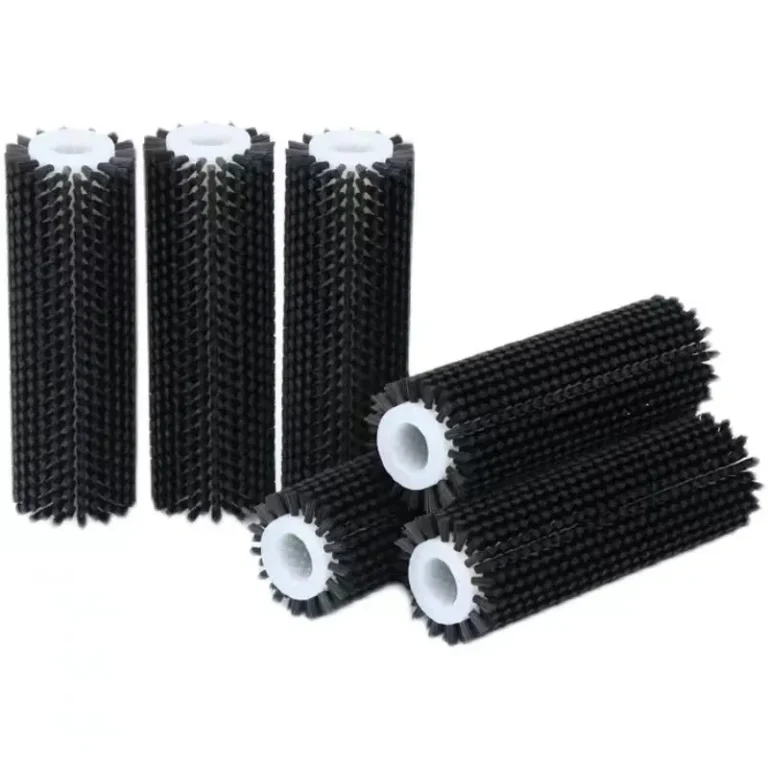
- Sisal or Natural Fibers: Primarily used for cleaning, polishing, or light-duty debris management.
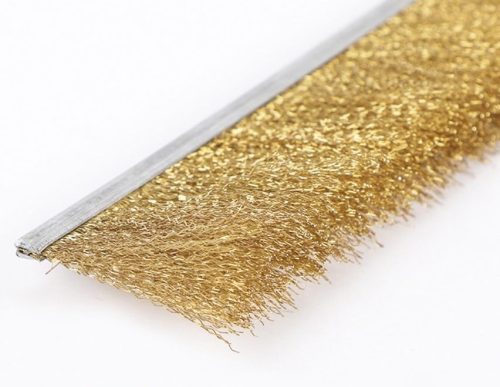
- Stainless Steel/Brass: Ideal for industrial strip brushes in high-temperature or corrosive settings.
-
Nylon: Best for general weatherproofing, noise reduction, and cost efficiency.
-
Sisal wire: Good for cleaning and light weather jobs.
-
Stainless Steel: Used in high-temperature, corrosive, or heavy-duty industrial environments.
-
Natural fibres: Good for making strong brushes.
Installation tips and self-adhesive options
Putting on a brush seal is easy. Self-adhesive strips make fitting quick. Some seals need screws to hold them tight. Clean the door or window before sticking the seal. Measure the gap and cut the seal to fit. Press down hard so the seal stays in place. Self-adhesive seals save time and work for most jobs.
Tip: Look for things like hinges or uneven floors before you fit the seal.
Durability and maintenance
Brush seals last five to ten years, depending on what they are made of and where they are used. Nylon and polyurethane seals do not wear out quickly and keep rooms warm. Clean the seals often to help them work well. Change brush seals every few years for best results. Check seals for damage and swap them if needed.
Common mistakes to avoid
Do not use the wrong size seal or forget to measure. Not cleaning the door or window before fitting the seal makes it work less well. Using the wrong material can make the seal not work right. Always check if the seal fits the door or window.
Note: Check and clean seals often to keep rooms warm and dry.
The process of choosing and installing brush seals is straightforward when following these steps:
-
Measure gaps and select the right size.
-
Clean surfaces and use proper tools.
-
Pick quality materials for draught-proofing and noise reduction.
The main factors for achieving a perfect fit and lasting comfort should be kept in mind.
FAQ
How do brush seals improve energy efficiency?
-
Reduce air leakage, lowering heating/cooling costs.
-
Enhance insulation, maintaining stable indoor temperatures.
Can brush seals fit any type of door?
Brush seal is available for most door types. Sliding, hinged, uPVC, and timber doors can all be fitted with an appropriate seal. For optimal performance, the gap should be measured accurately.
How often should someone replace a brush seal for maximum efficiency?
Brush seals should be inspected annually. They should be replaced if visible wear or damage is found. This practice maintains effective draft prevention and helps sustain the home’s energy efficiency.
How does customization work?
-
Option 1: Provide your technical drawings (CAD/DWG/PDF), and we manufacture to exact specifications.
-
Option 2: Share your requirements (material, size, application), and our engineers design a solution for you.