Why Pharmaceutical Processing Demands Specialized Brush Solutions
Every step of production in the pharmaceutical industry must adhere to extremely high quality standards for manufactured products, from raw materials up to completed items. Each piece of equipment used in the processing or cleaning of a manufactured product has to meet very strict hygiene and/or safety requirements. Because there are so many different kinds of work being done in such a strict environment, Staple Set Cylinder Brushes have become important tools to help support a clean work area and maintain operational efficiency.
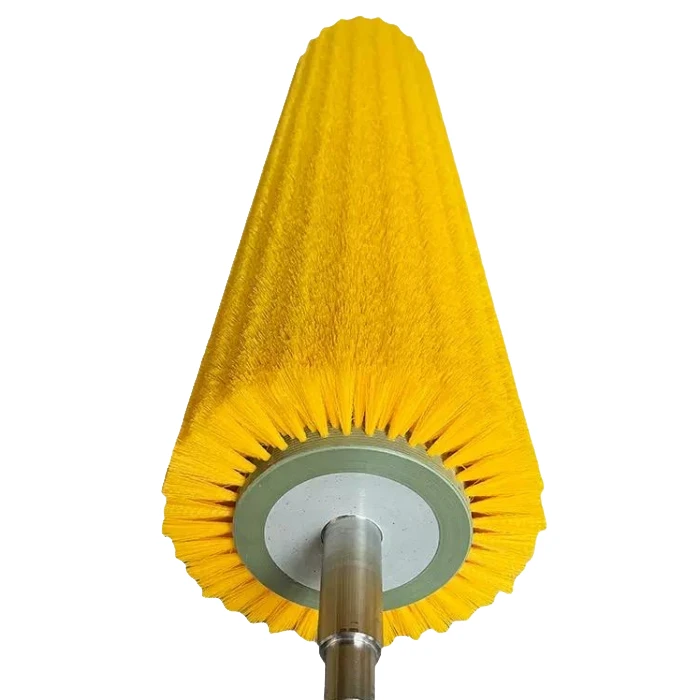
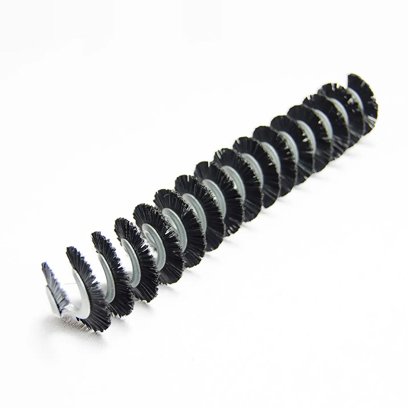
Each tuft of filament is held by a highly durable mechanical anchoring system within these brushes—the filaments have been secured to the brush core by the application of stainless-steel staples. The construction method results in a highly secure attachment between the bristles and the core of the brush. Therefore, very little bristle loss occurs during usage of these brushes which is beneficial in the pharmaceutical manufacturing facility due to potential contamination of the drug product if loose filament bristles are present.
An experienced industry person can tell you that companies using properly specified brushes see greatly reduced contaminant levels and, therefore, have fewer unexpected production interruptions than the companies that do not. Quality brushes purchased as an upfront investment typically provide production improvements and enhanced compliance with regulatory requirements, resulting in lower operating costs.
Understanding Staple Set Construction Technology
Staple-set versus resin-set brushes are fundamentally different with respect to attachment of filaments to the core. In staple set designs, each tuft is secured/anchored into pre-drilled holes via a metal staple, creating a mechanical “positive” lock that resists being removed by extraction forces. The advantages of this construction become even more prominent in pharmaceutical environments where exposure to chemicals and repeated cleaning cycles would deteriorate an adhesive alternative.
The cylinder brush made with staple set technology can endure aggressive cleaning processes while still maintaining structural integrity. The mechanical bond is not affected by temperature fluctuations and will not degrade when subjected to the cleaning materials frequently found in pharmaceutical facilities. Anyone wishing to gain a more thorough understanding of rotational brush mechanics can benefit from the detailed description of brush cylinder definition and workings; this section serves as a solid platform for their understanding of rotational brushes in various industries.
Material Specifications for Pharmaceutical Compliance
Material selection directly impacts brush performance and regulatory compliance. Every component must satisfy FDA requirements and withstand the harsh conditions typical in pharmaceutical processing environments.
Core Material Options
| Core Material | Temperature Resistance | Chemical Resistance | Best Application |
|---|---|---|---|
| 316L Stainless Steel | Up to 800°C | Excellent | High-temperature sterilization areas |
| Food-Grade Polypropylene | Up to 100°C | Good | General cleaning applications |
| PEEK Polymer | Up to 250°C | Excellent | Aggressive chemical environments |
| Delrin (Acetal) | Up to 120°C | Good | Precision equipment cleaning |
Filament Selection Criteria
The type of filament you select will be based on your application requirements. Nylon 612 has good chemical resistance and has good recovery properties so is suitable for use in most cleaning applications associated with pharmaceuticals. If an application requires higher temperatures or much more harsh types of chemicals, PEEK filaments would have the best durability; however, the cost of PEEK filaments is considerably greater than that of other filament materials.
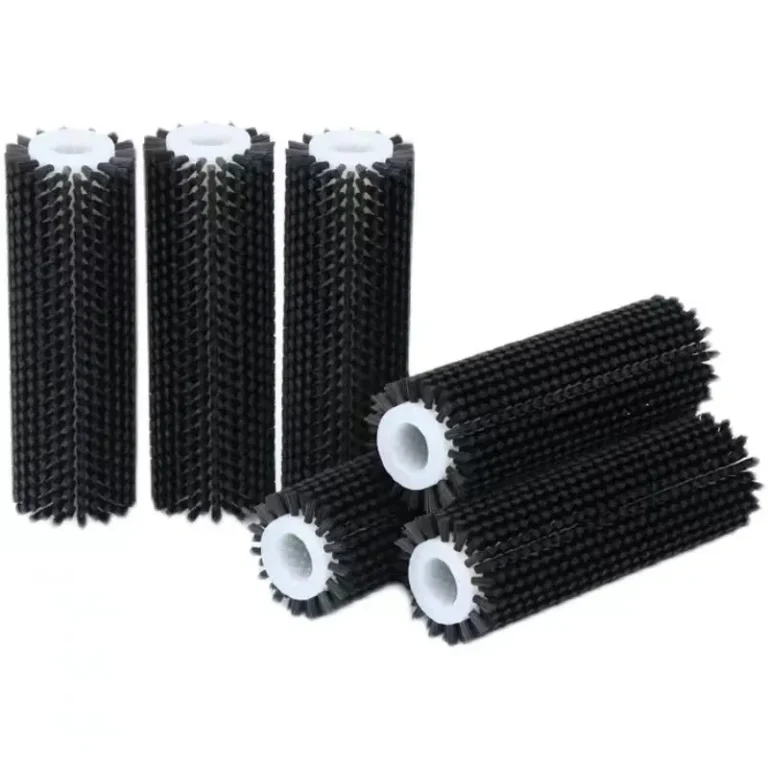
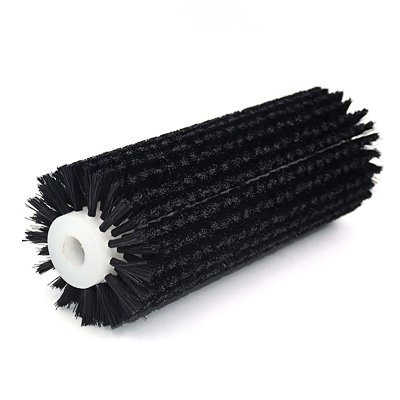
Manufacturers can customize their own fill patterns through the use of tufted cylinder brush designs. A spiral type arrangement is effective for conveying, while a solid uniform fill is best suited for intensive scrubbing.
Key Applications in Pharmaceutical Production
Staple Set Cylinder Brushes serve multiple critical functions throughout pharmaceutical manufacturing facilities. Understanding these applications helps procurement teams specify appropriate solutions for their unique requirements.
Tablet Dedusting Operations
When tablets are created using solid dose manufacturing, there will be uncompressed powder left on the outer surface of the tablet when it leaves the compaction process. To remove the excess material without damaging the coating or embossed marking on the tablet, dedusting brushes are often used. Dedusting has a positive affect on coating adhesion to tablets as well as providing for accurate weight measurements during quality control. In order to achieve proper dust removal from the surface of tablets, the dedusting brush must make contact with the tablets firmly enough to remove the dust, but soft enough to avoid damaging the surface of the tablets. The appropriate filament diameter, trim length, and rotational speed of the brush need to be specified to achieve this balance.
Conveyor Belt Cleaning
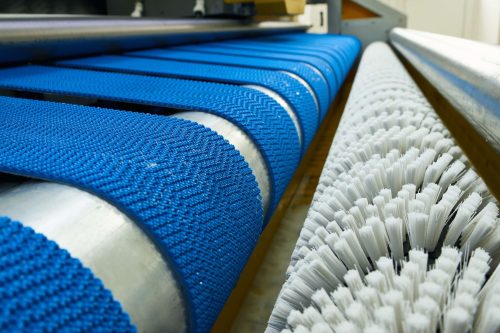
Maintaining conveyor cleanliness prevents cross-contamination between production batches. A strategically positioned conveyor belt cleaning brush continuously sweeps debris from belt surfaces, eliminating the accumulation that could compromise product purity.
For facilities exploring various brush configurations for their conveying systems, the comprehensive cylinder brush types and applications guide offers detailed comparisons of available options.
Equipment Surface Preparation
Before packaging operations, bottles and containers require thorough external cleaning. Brushes remove particulates, eliminate static charges, and prepare surfaces for labeling. This preparation step ensures labels adhere properly and final products present professionally.
Compliance Documentation Requirements
Procurement of pharmaceutical brushes has additional documentation requirements than standard industrial purchases. Therefore, FDA or EU GMP regulated facilities will require a full set of traceability documentation. The following are examples of essential documentation required to verify compliance with regulatory and industry requirements:
- FDA Compliance Certificates for Each Material Used in the Construction of the Brush
- Material Composition Declarations
- Extractables and Leachables Test Results
- Batch Traceability Records
- Compatibility Statements of Materials Used in the Sterilization Process
When supplying brushes to pharmaceutical manufacturers, suppliers must provide a total documentation package that will assist in validating the brushes and provide the manufacturer with a reduction of internal resources necessary to complete the qualification phase of equipment and expedite the time to qualify.
Maintenance Best Practices
Even high-quality Staple Set Cylinder Brushes require systematic maintenance to maximize service life and ensure consistent performance. Documented maintenance procedures also satisfy audit requirements.
Recommended maintenance protocols include:
- Conduct daily visual inspections for filament wear or damage
- Record cleaning and sanitization cycles in equipment logs
- Measure brush dimensions monthly to track wear progression
- Establish replacement thresholds based on performance data
- Maintain spare brush inventory to minimize changeover delays
Facilities managing diverse brush applications across multiple departments may benefit from reviewing common uses for cylinder wire brushes to identify optimization opportunities throughout their operations.
Selection Guidelines for Procurement Teams
Specifying brushes for pharmaceutical applications requires balancing multiple factors. Beyond initial purchase price, total cost of ownership includes service life, maintenance requirements, and compliance documentation.
Key specification considerations:
- Operating speeds and contact pressures
- Chemical exposure during production and cleaning
- Temperature requirements during sterilization
- Required service intervals and replacement frequency
- Documentation and validation support needs
Working with experienced suppliers who understand pharmaceutical requirements typically yields better outcomes than selecting brushes based solely on technical specifications. Domain expertise helps identify potential issues before they impact production.
Frequently Asked Questions
What advantages do staple set brushes offer over resin set alternatives in pharmaceutical use?
Staple set construction provides superior filament retention under chemical exposure and repeated sterilization cycles. This reduces contamination risk and extends operational service life.
How frequently should pharmaceutical processing brushes be replaced?
Replacement schedules depend on operating conditions and application intensity. Most facilities establish replacement criteria based on measured performance degradation rather than fixed time intervals.
Can brushes be customized for specific pharmaceutical equipment configurations?
Yes, reputable manufacturers offer customization including core dimensions, filament materials, fill patterns, and trim lengths to match precise equipment specifications and processing requirements.