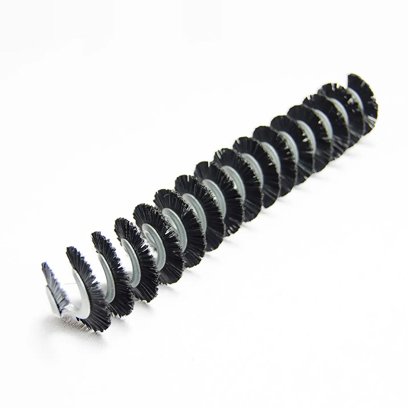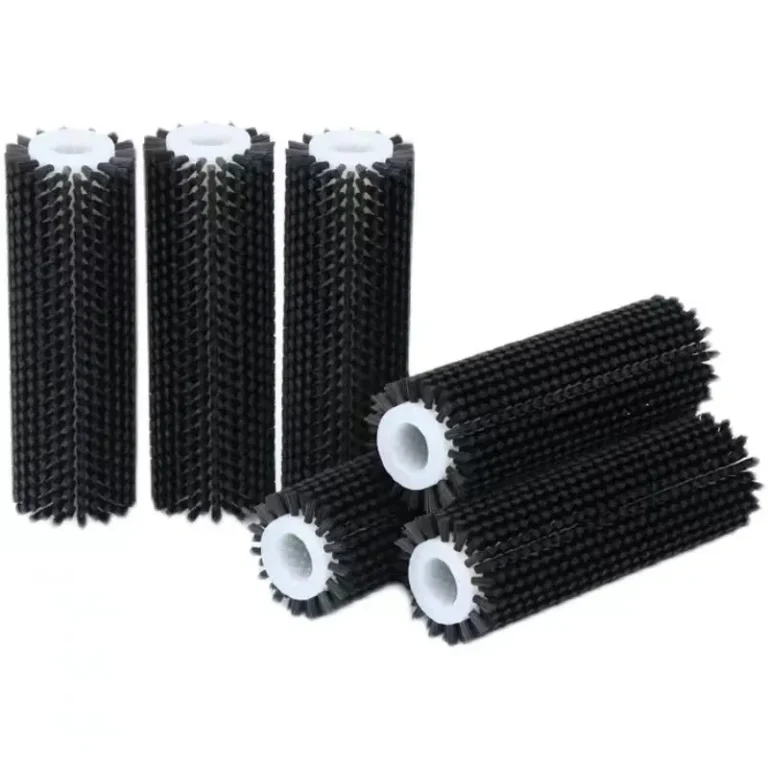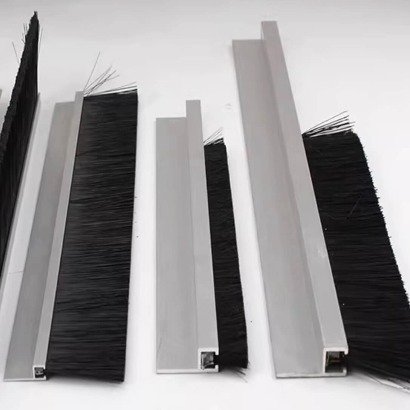
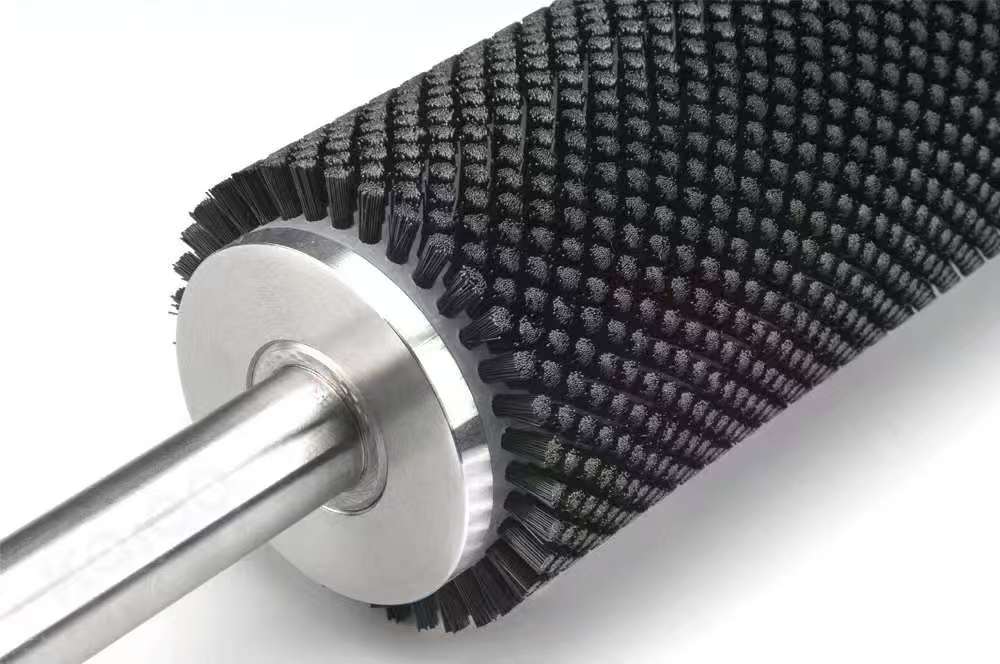
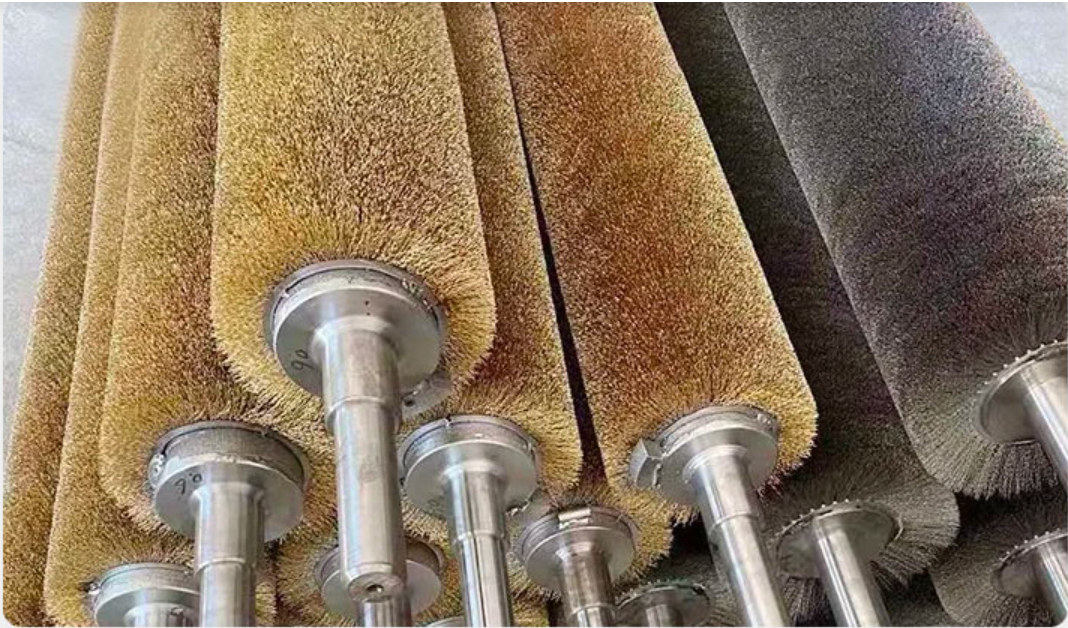
A cylinder wire brush may appear straightforward, yet it plays a crucial role across numerous industries. This tool features a core, typically made from either metal or plastic, with bristles arranged uniformly around it. Depending on the application, users may select carbon steel, stainless steel, or brass bristles for their cylindrical brush.
|
Material Type |
Description |
|---|---|
|
Carbon Steel |
Widely used due to its strength and durability. |
|
Stainless Steel |
Highly resistant to corrosion and offers extended longevity. |
|
Brass |
Excellent electrical conductivity and resists corrosion. |
|
Brass Coated Carbon Steel |
Combines the strength of carbon steel with the corrosion resistance of brass. |
Cylinder wire brushes and cylindrical brushes are commonly utilised in factories, workshops, and food processing plants for cleaning, finishing, and surface preparation. Understanding the correct usage and application of these brushes ensures machinery operates efficiently and products maintain a high-quality appearance.
Key Takeaways
-
Cylinder wire brushes are very important for cleaning and getting surfaces ready in jobs like metal work and food processing.
-
Using the right brush material, like carbon steel or nylon, helps clean better and makes machines last longer.
-
If you use cylinder brushes often, you can stop rust and paint from building up. This keeps work running smoothly and gives good finishes.
-
These brushes do more than clean. They also help move and sort things, which makes factories work better.
-
Picking the right cylinder brush for each job means less time wasted and a safer place to work.
Surface Preparation with Cylinder Wire Brush
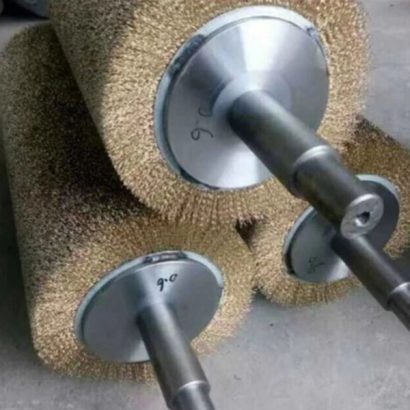
Cylinder wire brushes are important for getting surfaces ready in many industries. They help workers make surfaces clean and smooth. This is very useful in metal work and big maintenance jobs.
Cleaning Metal Surfaces
A cylinder wire brush is often used to clean metal. Workers use these brushes before they coat or weld metal. The brushes take away dirt, dust, and small bits of rust. This makes the metal better for the next steps. Clean metal helps stop problems like weld splatter. It also helps make the finish look nicer. In metal work, a cylinder brush can remove old paint or rust. This keeps the workspace neat and safe.
Tip: Cleaning often with the right cylinder brush helps machines last longer and makes products better.
Here is a simple guide for which wire brushes work best for cleaning:
|
Application |
Suitable Cylinder Brush Types |
|---|---|
|
General metal cleaning |
Metal wire, nylon, abasic wire |
|
Fine dust removal |
Nylon, animal hair |
|
Heavy-duty cleaning |
Carbon steel, stainless steel |
Rust and Paint Removal
Wire brushes are used a lot to take off rust and paint. Cylinder brushes can clean away tough rust and old paint from metal. Workers use these brushes to get surfaces ready for new paint or welding. Clean metal sticks better to new coatings and looks smoother.
Cylinder wire brushes are good for cleaning pipes, beams, and machine parts. They also help finish surfaces after welding by removing leftover bits. For hard rust, metal wire or stainless steel brushes work best. For easier jobs, nylon or brass brushes are used.
|
Task |
Best Cylinder Brush Types |
|---|---|
|
Removing rust |
Stainless steel, carbon steel |
|
Removing paint |
Brass, nylon, metal wire |
|
Surface finishing |
Nylon, sisal, animal hair |
Cylinder wire brushes are very useful for cleaning and getting surfaces ready in many jobs. They work well and are used a lot in metal work and maintenance.
Deburring and Smoothing with Wire Brushes
Cylinder wire brushes help make metal parts smooth and safe. Workers use these brushes to take away sharp edges and small burrs. Burrs are tiny bits left after cutting or drilling. This job is called deburring. It stops people from getting hurt and helps parts fit together.
Edge Finishing
Edge finishing matters in many industries like car making and heavy manufacturing. Workers use a cylinder brush to round sharp corners and make surfaces neat. The Alphahon brush has rough globules that gently grind edges. It leaves a smooth finish. This works well for cylinder and piston surfaces. These need to be clean and exact. The Delta brush cleans welded seams and removes tough stuff. It does not damage the metal below.
Here is a table that shows which cylinder brushes are best for edge finishing:
|
Application |
Suitable Cylinder Brush Types |
|---|---|
|
Edge deburring |
Metal wire, abasic wire, nylon |
|
Rounding corners |
Nylon, sisal, animal hair |
|
Weld seam cleaning |
Stainless steel, metal wire |
Tip: Picking the right cylinder wire brush for edge finishing makes metal parts safer and helps them look better.
Component Preparation
Workers must get each metal part ready before putting them together. Cylinder brushes smooth surfaces and remove small bits from earlier steps. Cleaning like this helps coatings stick better. It also helps parts fit tightly. In car making and metal work, a cylinder brush can reach into grooves and holes. Other tools cannot do this.
Here is a quick guide for choosing cylinder brushes for component preparation:
|
Task |
Best Cylinder Brush Types |
|---|---|
|
Smoothing surfaces |
Nylon, PP, animal hair |
|
Cleaning grooves |
Metal wire, abasic wire |
|
Pre-coating cleaning |
Nylon, sisal |
Wire brushes make these jobs simple and quick. Workers use them for tough cleaning and gentle finishing. Cylinder wire brushes help in many jobs, from welding to final assembly. They keep every surface ready for the next step.
Conveyor Belt Cleaning Using Cylinder Brush
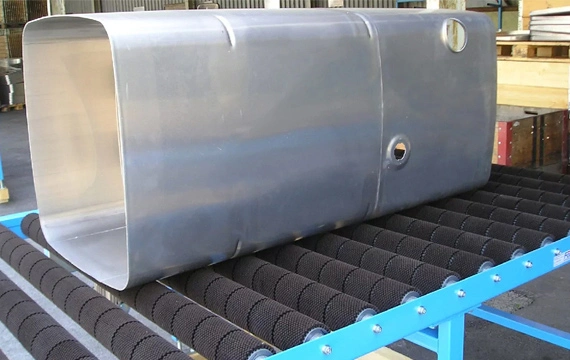
Cylinder brushes are important for keeping conveyor belts clean. They help machines work well in factories and bakeries. Workers use these brushes every day for cleaning jobs. Cylinder brushes take away dirt, crumbs, oil, and rust from belts. This helps machines run smoothly and keeps products safe.
Industrial Conveyor Maintenance
Conveyor belts move things from one place to another. Cylinder brushes help clean and move items on the belts. Workers use strong brushes to scrub off chips, dust, and oil. This stops dirt from building up and keeps belts moving fast. Wide cylinder brushes are good for tough cleaning jobs. Small brushes are used for gentle cleaning.
Here is a table that shows how cylinder brushes are used for conveyor belts:
|
Main Uses of Cylinder Brushes for Conveyor Belts |
Description |
|
Cleaning |
Takes away chips, dirt, oil, rust, and corrosion from conveyor belts. |
|
Transporting |
Helps move things down the conveyor belt quickly. |
|
Food Processing |
Used for washing and peeling food in factories. |
|
Descaling and Degreasing |
Wide cylinder brushes are made for these jobs. |
|
Delicate Applications |
Small cylinder brushes are for gentle cleaning. |
Workers pick different cylinder wire brushes for each job:
|
Application |
Suitable Cylinder Brush Types |
|
General cleaning |
Metal wire, nylon, PP |
|
Heavy-duty scrubbing |
Carbon steel, stainless steel |
|
Delicate cleaning |
Nylon, animal hair |
Hygiene in Food Processing
Food factories need clean conveyor belts to keep food safe. Cylinder brushes help with cleaning and hygiene every day. Nylon cylinder brushes are good because they do not scratch and can use hot water or steam. This is great for bakeries. Workers use these brushes to wash and peel food, which stops germs.
Tip: Nylon cylinder brushes are safe for food and stop small scratches that can trap food.
Cylinder wire brushes also help keep conveyors and products clean. This stops germs and keeps food lines working well. Workers use nylon, PP, or animal hair brushes for food because they are gentle and easy to wash.
Here is a quick guide for food hygiene:
|
Task |
Best Cylinder Brush Types |
|
Washing and peeling |
Nylon, PP |
|
Daily cleaning |
Nylon, animal hair |
|
Preventing contamination |
Nylon, PP |
Cylinder brushes make cleaning conveyor belts easy and safe. They help factories and bakeries keep food fresh and machines working well.
Heavy-Duty Scrubbing and Degreasing
Cylinder brushes are used for tough cleaning jobs in many places. Workers use these brushes to clean away hard dirt, grease, and rubbish. The right cylinder brush helps make hard work easier. It also helps machines work well.
Equipment Cleaning
Machines get oily, dusty, and dirty every day. Cylinder brushes help clean these things off quickly. Workers use them to clean cylinders, tubes, pipes, sleeves, and bores. This keeps machines working well and helps with regular care.
Picking the right cylinder brush depends on the job. Metal wire and stainless steel brushes are best for hard cleaning. Nylon and PP brushes are good for lighter jobs. Abrasive wire brush is used for cleaning tough dirt.
|
Application |
Suitable Cylinder Brush Types |
|---|---|
|
Heavy-duty cleaning |
Metal wire, stainless steel, abasic wire |
|
Light cleaning |
Nylon, PP |
Tip: Cleaning often with a cylinder wire brush stops breakdowns and helps machines last longer.
Product Handling and Sorting with Cylinder Wire Brush
Cylinder brushes are not just for cleaning. They help move and sort products in many places. Factories and warehouses use these brushes to keep things moving. Automotive plants also use them to help work go smoothly. The cylinder wire brush guides, separates, and sorts items on conveyor belts. It also helps on assembly lines. This makes work quicker and safer for everyone.
Moving and Sorting Items
Cylinder brushes act like soft hands on the line. They move products along and stop them from slipping. These brushes also help sort things into the right spot. In food processing, brushes handle fruit and vegetables gently. They do not damage the food. In metal work, they move heavy parts safely. Workers pick different wire brushes for each job.
Here is a table that shows the best cylinder brush types for moving and sorting:
|
Application |
Suitable Cylinder Brush Types |
|---|---|
|
Food handling |
Nylon, PP, animal hair |
|
Metal parts sorting |
Metal wire, abasic wire |
|
Delicate items |
Nylon, animal hair |
|
Heavy items |
Stainless steel, metal wire |
Tip: Picking the right cylinder brush keeps products safe. It also helps reduce waste.
Cylinder brushes also help with packaging jobs. They guide boxes and bottles into place. This stops jams and keeps the line moving well.
Enhancing Production Efficiency
Cylinder wire brushes do more than move things. They help factories work faster and better. When brushes sort and guide products, machines do not stop as much. This means less waiting and more finished goods. In car making and metal work, cylinder brushes keep parts lined up. This saves time and effort for workers.
Here is a chart that shows how cylinder brushes help workflow:
|
Benefit |
How Cylinder Brushes Help |
|---|---|
|
Fewer jams |
Guide products smoothly |
|
Faster sorting |
Move items to the right place |
|
Less manual handling |
Reduce worker effort |
|
Consistent spacing |
Keep items evenly apart |
Cylinder brushes come in many types for different jobs. Factories choose the best one for each task. Here is a quick guide:
|
Task |
Best Cylinder Brush Types |
|---|---|
|
High-speed sorting |
Nylon, PP |
|
Heavy-duty moving |
Metal wire, stainless steel |
|
Gentle handling |
Animal hair, nylon |
Note: Using the right cylinder brush for each job keeps the line running well.
Cylinder brushes are a smart tool for many jobs. They help with cleaning, moving, and sorting. Their many uses make them important in lots of industries.
Cylinder wire brush tools are used in lots of industries. They help with jobs like road sweeping and building work. The table below shows some main uses:
|
Industrial Use |
Description |
|---|---|
|
Needed for keeping streets clean and working well. |
|
|
Construction and Demolition |
Good for moving lots of rubbish and broken road pieces. |
These brushes help factories clean quickly and make things better. Many companies spend 30% less time cleaning and work 25% faster with the right brush. To pick the best brush, think about the material, size, and type. You should also think about your conveyor system and how much you use it. Always make sure the brush fits your machines and does what you need.
FAQ
What materials can cylinder wire brushes clean?
Cylinder wire brushes clean many materials. They work on metal, plastic, wood, and even glass. Workers choose the right bristle type for each job. For example, stainless steel bristles suit metal, while nylon bristles work well on softer surfaces.
How often should workers replace cylinder wire brushes?
Replacement depends on use. If the bristles look worn or cleaning takes longer, it is time for a new brush. Regular checks help keep machines running smoothly.
Can cylinder wire brushes be used in food processing?
Yes, they can. Factories use nylon or polypropylene cylinder brushes for food. These materials are safe and easy to clean. They help keep conveyor belts and equipment hygienic.
What sizes do cylinder wire brushes come in?
Cylinder wire brushes come in many sizes. Here is a simple table:
|
Brush Length |
Brush Diameter |
Common Use |
|---|---|---|
|
100 mm |
30 mm |
Small parts |
|
300 mm |
50 mm |
Conveyor cleaning |
|
500 mm |
100 mm |
Heavy-duty jobs |
How do workers choose the right cylinder wire brush?
Workers look at the job, the material, and the surface. They pick the bristle type and size that matches their needs. If unsure, they ask a supplier for advice.