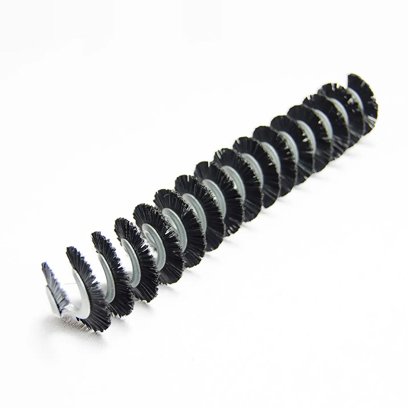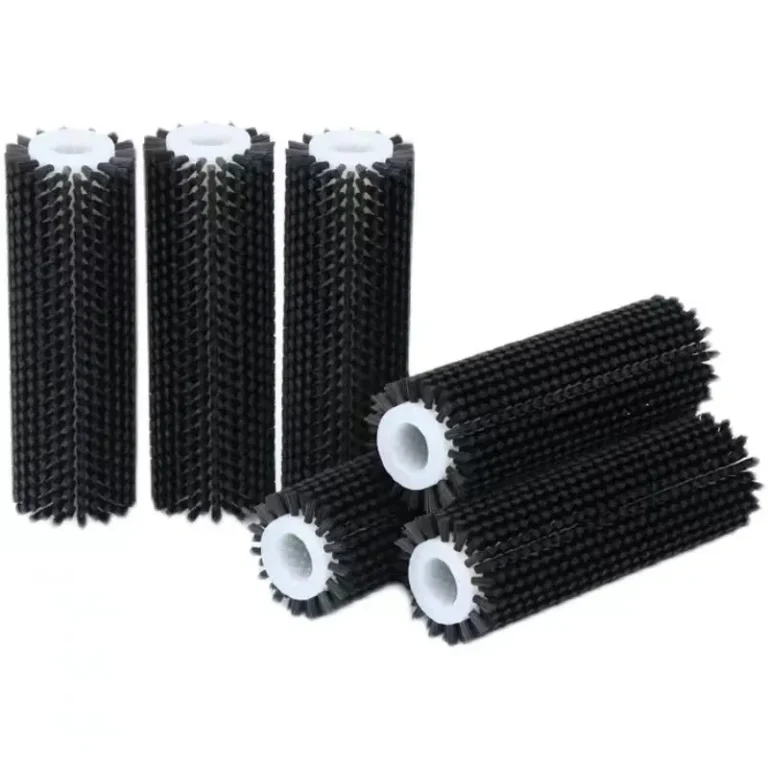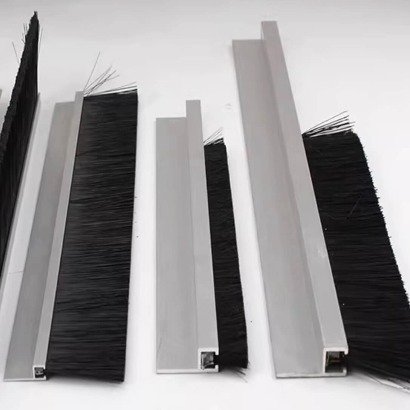
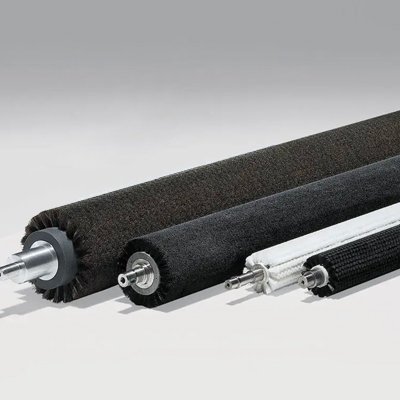
An industrial cylinder brush has a one-piece design. It has strong bristles in a light plastic tube. Cylinder brushes spin fast and remove dust and dirt easily. Factories use cylinder brushes to sweep, clean, and polish. These brushes help machines work well and keep surfaces very clean.
Key Takeaways
-
Industrial cylinder brushes are very important for cleaning, polishing, and moving things in many industries. Choosing the correct brush type and bristle material is key to getting the best cleaning and polishing results. Checking and looking after cylinder brushes often helps stop machines from breaking down and keeps production quality high.
Industrial Cylinder Brush Uses
Industrial cylinder brushes are very important in many industries. Their special design lets them do many jobs well. People use them for lots of different tasks. Let’s look at how these brushes help with cleaning and make products better.
Cleaning Applications
Cylinder brushes are important tools for cleaning in factories. They help with hard cleaning jobs on production lines. Many industries use these brushes to keep machines and products clean.
Some common uses for cylinder brushes in food factories are:
-
Rotating brushes in conveyor belt systems
-
Capsule cleaning
-
Bottle washing
-
Vegetable cleaning units
-
Automatic tablet coaters
-
Blister packing machines
-
Fruit and veggie lines
These brushes quickly take away dirt, dust, and bits from surfaces. In car washes, cylinder brushes clean cars fast. On packaging lines, they clean conveyor belts and help keep things hygienic. Many sectors use these brushes, so they are very useful for cleaning.
Tip: Using cylinder brushes often helps stop machines from breaking and makes sure products are high quality.
Polishing & Surface Treatment
Cylinder brushes are also great for polishing and treating surfaces. They make surfaces smooth and ready for the next step. Car factories use these brushes to polish metal parts and fix rough spots.
Surfaces that are polished or treated with cylinder brushes include:
-
Transmission cases
-
Injector bodies (nozzles)
-
Cylinder heads
-
Reduction gears
-
Engine blocks
-
Axle shafts
-
Differentials
-
Valves
-
Transmission housings
-
Engine parts
These jobs show how well cylinder brushes can make surfaces look the same. Workers use them to get a neat look and clean off extra stuff. The brushes can work on many shapes and sizes, so they fit lots of polishing jobs.
Deburring & Edge Blending
Deburring and edge blending are important in metal work. Cylinder brushes are good at taking off sharp edges and making surfaces smooth after cutting. This makes things safer and helps parts fit together right.
Here is a table showing what cylinder brushes do in deburring and edge blending:
|
Feature |
Description |
|---|---|
|
Function |
Excellent for deburring, edge blending, and surface finishing |
|
Adaptability |
Easily adaptable to CNC machine centres and robotic cells |
|
Performance |
Maintains consistent cutting performance without deformation |
|
Design |
Multi-directional deburring tool for uniform edge treatment |
Cylinder brushes stop injuries by taking away sharp edges. They help parts fit well and make paint cover evenly, which keeps coatings strong. Makers have seen up to 25% fewer rejected parts after using cylinder brushes for deburring. The brushes last three times longer, and quality teams are happier.
Product Handling & Sorting
Cylinder brushes are important for moving and sorting products, especially on packaging lines. They gently move, separate, and place products without hurting them. This is good for soft items in food and medicine factories.
Some ways cylinder brushes help with product handling and sorting are:
-
Cleaning conveyors and removing dust or debris
-
Helping move and line up products
-
Sorting items quickly on production lines
Cylinder brushes help keep products good and make work faster. Their soft but strong bristles can handle many things, from breakable tablets to fresh fruit and vegetables.
Types of Cylinder Brushes
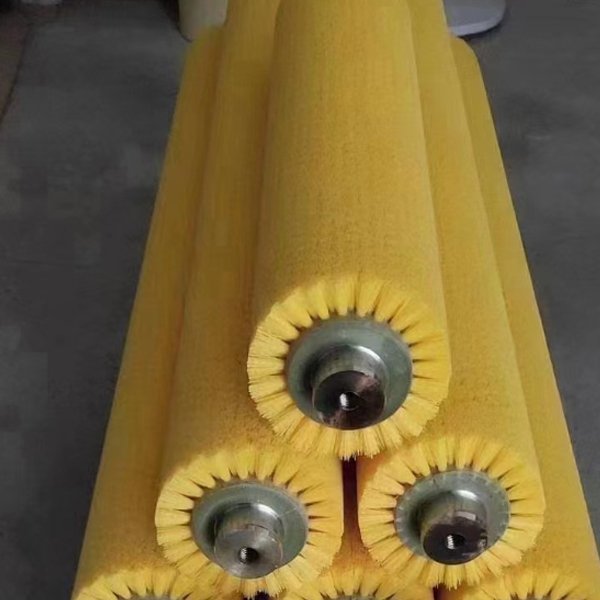
Cylinder brushes come in different shapes and sizes. Each one is made for a certain job. Knowing about these types helps people choose the best brush.
Metal Cylinder Brushes
Metal cylinder brushes have a strong metal strip. This strip holds the bristles tightly. They last a long time and are very tough. People use them to clean hard surfaces or big spaces. Here is a table that shows where metal cylinder cylinder brushes are used:
|
Industry |
Reason for Use |
|---|---|
|
Strong and good for cleaning big places. |
|
|
Agricultural |
Cleans well for farm work. |
|
Waste Management |
Works hard in waste collection. |
These brushes can do rough jobs. They keep working even after lots of use.
Spiral Wound Brushes
Spiral wound brushes have bristles wrapped in a spiral. This shape lets them clean more space at once. They also make surfaces smooth and even. People use spiral wound cylinder brushes for polishing, washing, and gentle cleaning. They work well on conveyor belts and in food factories.
Material Options
Cylinder brushes use many kinds of bristles. Each bristle type changes how the brush works. Here is a table to compare the main choices:
|
Bristle Material |
Key Characteristics |
Applications |
|---|---|---|
|
Nylon |
Handles heat, not too rough |
Foundries, outside areas |
|
Polypropylene |
Fights chemicals, stays firm when wet |
Washing fruit/veg, conveyors |
|
Steel Wire |
Very strong, removes hard dirt |
Rust removal, tough cleaning |
|
Tampico |
Natural, holds water, heat safe |
Wet or dry rotary use |
|
Sisal |
Natural, stiff, eco-friendly |
Scrubbing, polishing |
|
Animal Hair |
Soft, gentle on things |
Fine dusting, gentle cleaning |
|
Abrasive Wire |
Has grit, sands surfaces |
Deburring, finishing surfaces |
People can pick from many cylinder brush types. The best one depends on the job and the surface.
New machines make cylinder brushes even better. Some factories use machines that load, drill, and fill by themselves. This makes work faster and keeps quality high. Companies also help customers make special brushes for their needs.
There are many cylinder brush types to choose from. Each one and each bristle type help with different jobs.
Mounting & Selection
Mounting Methods
Cylinder brushes need to be attached the right way. Factories often use shaft mounting. The brush slides onto a shaft and locks in place. Some brushes have flanged ends or keyways for a better hold. Others use quick-release systems for fast changes. The way you mount the brush affects how steady it spins. It also affects how well it cleans or polishes. If the brush wobbles, it cannot clean properly. A tight fit helps the brush last longer. It also keeps the work safe.
Tip: Always check the mounting system before you start the machine. A loose brush can cause trouble or even break the equipment.
Choosing the Right Brush
Picking the best cylinder brush depends on the job. Workers look at the bristle type, brush size, and the surface to clean. For tough cleaning, wire cylinder brushes are best. Nylon cylinder brushes are good for lighter jobs. They work well for polishing or washing fruit. Abrasive cylinder brushes help with surface treatment and finishing. The right brush makes the job faster and gives better results.
Here are some common uses for cylinder brushes:
-
Metal cleaning and deburring
-
Wood sanding and polishing
-
Textile brushing and finishing
-
Surface treatment and preparation
-
Rust and paint removal
-
Conveyor belt cleaning
-
Deburring and edge blending
Matching Brush to Application
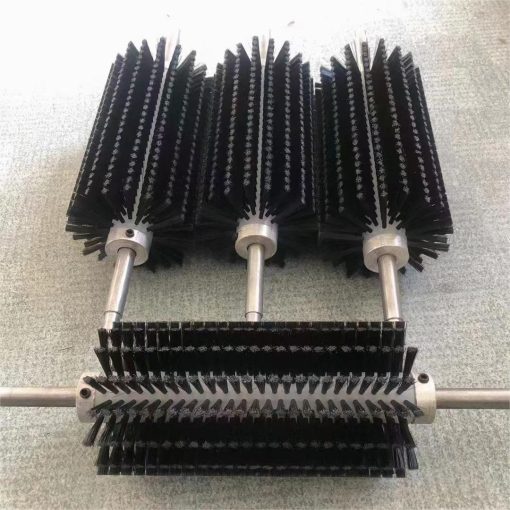
It is important to match the cylinder brush to the job. Factories check how well the brush works to get the best results. The table below shows what to look for:
|
Performance Metric |
Description |
|---|---|
|
Operating Parameters |
Try different speeds and pressures to find the best setup for each job. |
|
Design Features |
Special designs, like double band channels, help brushes work under stress. |
|
Core Quality |
A strong core keeps the brush working well for a long time. |
When workers use the right cylinder brush for each job, they get cleaner surfaces and smoother finishes. There is also less downtime. The right industrial cylinder brush makes every job more efficient.
Cylinder brushes are used in many different industries. The table below shows what they are, how they are used, and what they are made from:
|
Key Points |
Description |
|---|---|
|
Definition |
Cylinder brushes fit on a shaft and spin with a motor. They come in many shapes. |
|
Common Applications |
They clean, polish, remove sharp edges, and move items in lots of industries. |
|
Industries Using Cylinder Brushes |
Medical Devices, Food Processing, Circuit Board Manufacturing, Aerospace, and more. |
|
Fill Materials |
Choices include Stainless Steel, Brass, Nylon, Goat Hair, Horsehair, and Tampico Fibre. |
Knowing about the types, materials, and how to attach them helps people do a better job. Picking the right cylinder brush means things get cleaner, surfaces look nicer, and work is safer. Use these ideas to help your industrial cylinder brush work its best.
FAQ
What is the main job of an industrial cylinder brush?
An industrial cylinder brush helps clean and polish things. It can also move items on machines. This keeps surfaces neat. It helps production lines work well.
How often should someone replace a cylinder brush?
People should look at the brush often. If the bristles are bent or broken, it is time to get a new brush. This helps the brush work its best.
Can cylinder brushes work with food products?
Yes, many cylinder brushes are made from food-safe materials. Factories use them to wash fruit and vegetables. They also clean other food items safely.