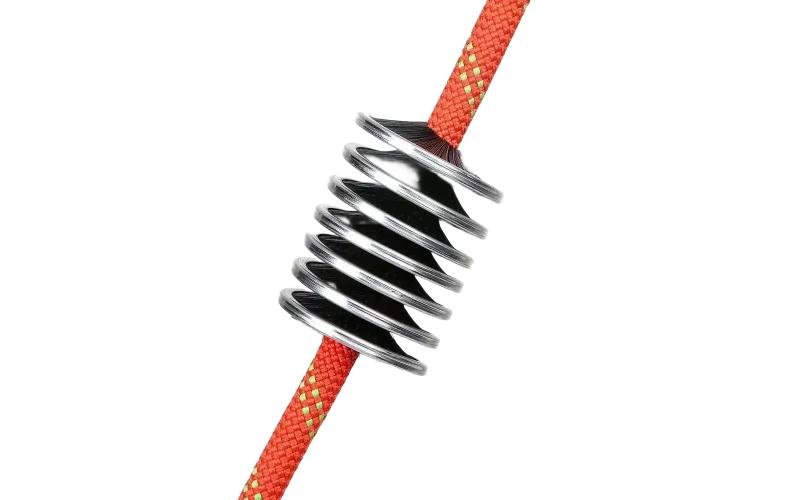
Wire ropes have a significant part in mining, construction, marine, and elevator systems. However, with age, dirt, grease, and metal debris can build up in the wire strands leading to the rope wearing out quickly and having a reduced lifespan. A wire rope cleaning brush has been developed to enable cleaning the small spaces between wire strands to remove contaminants that cannot be removed by hand cleaning only.
Purchasing an industrial brush is a major investment for many companies. These brushes are used for many tasks, including sanding, painting, and removing debris. Because of this, procurement teams and maintenance engineers need to understand the different types of industrial brushes available. They also need to know which materials are used to manufacture them. This knowledge helps them make the right purchasing decision. In this article, we explain how different industrial brushes work, review material properties for specific environments, and show how to choose the best industrial brush for a specific application.
Why Wire Ropes Accumulate Debris So Quickly
Every time a wire rope passes through a sheave or drum, its strands come into contact with each other. This contact creates tension and friction. Over many working cycles, this repeated interaction causes gradual wear, and very small particles are produced.
In addition, external conditions also play a role. Weather factors such as sand, moisture, and salt can enter the rope structure. Industrial environments, including steel mills and manufacturing plants, also expose ropes to exhaust and contaminants. These conditions contribute to the formation of solid scale, oil residues, and fine metal dust. Other operating factors during use can further increase the generation of metal particles.
When dirt builds up, moisture can become trapped inside the rope. This trapped moisture increases the risk of corrosion. At the same time, dust and oil can mix and form an abrasive paste. This paste accelerates internal wear by grinding the rope from the inside out. Regular cleaning with an appropriate wire rope cleaning brush can help extend service life and reduce the risk of unexpected failure. For proper operation, please refer to the step-by-step instructions for using this tool.
How a Wire Rope Cleaning Brush Works
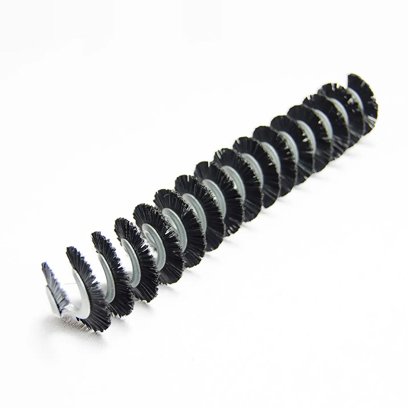
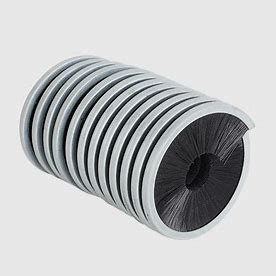
The brush has a coil or spiral-shaped filament that goes around the total circumference of the rope. The brush will be able to flex the bristles into the crevices of the rope when the brush is run against the rope or the rope moves through the brush; thus, removing additional particles trapped within the individual strands of rope.
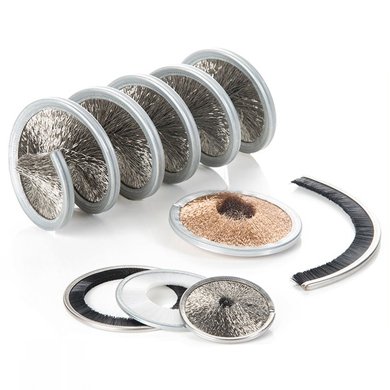
The use of a simple mechanical action can be effective because when using a wire brush for cleaning, the stiffness of the bristle provides a means of cleaning without damaging the lubricating agent present on the wire rope from chemical cleaning processes. In normal maintenance schedules, most facilities combine the brushing and re-lubricating steps into one cycle. For those with no background knowledge of wire rope cleaning brushes, a brief description of how they function and their role in the maintenance program may help them understand this process.
The coil design offers two different surface finishes (or deburred) compared to helical brush designs frequently used for industrial drilling applications as they are both spiral filament designs. For cleaning wire rope/three different ways. With most wire rope maintenance performed with an Inside Coil Brush type (for the majority of the wire rope maintenance performed with coil brushes). The way the filaments are wound into coil shapes closely follows the wire rope; therefore, they will contact 100% of the wire rope’s surface while being cleaned. There are three materials used in this type of brush.
Steel Coil Brush
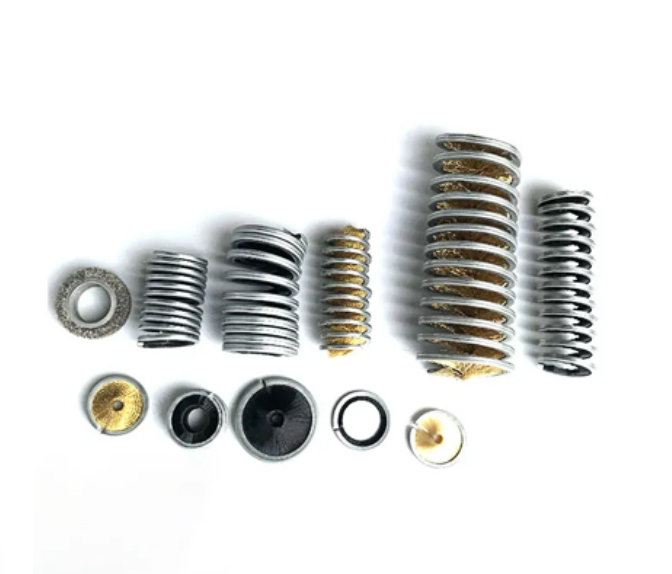
The Steel Coil Brush includes either carbon or stainless steel filaments, and if you are looking for an aggressive option to remove heavy scale, rust, or significantly build-up of debris from steel wire rope used for mining hoists and cranes, it would be your best option. Marine and other wet environments typically use stainless steel because of its resistant capabilities to corrosion.
Nylon Inside Brush
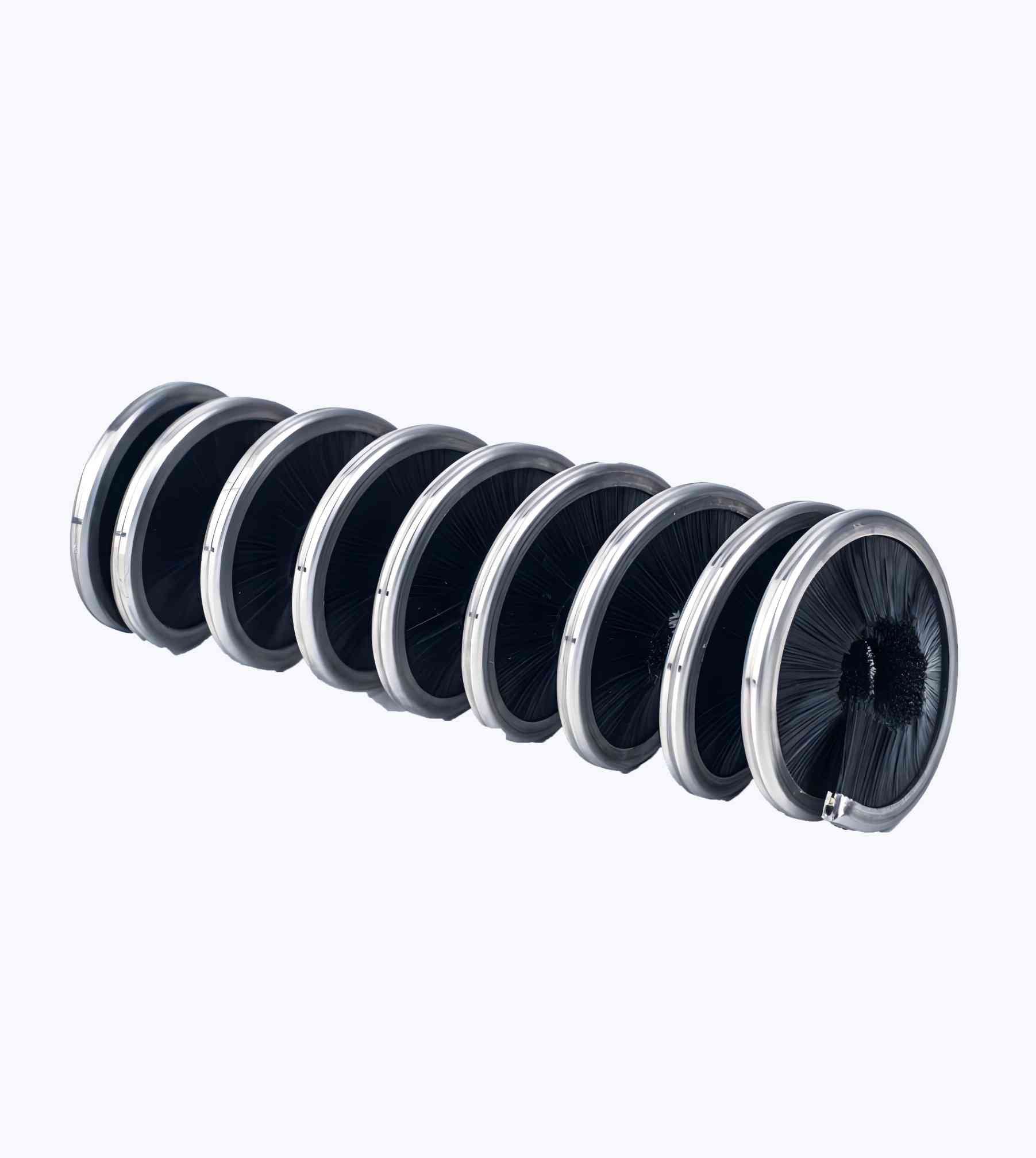
A Nylon Inside Brush has a softer feel than other brushes and therefore is less damaging to the surface when used on coated and galvanized rope. This is particularly important if you want to preserve the appearance of the surface finish. As well as being suitable for use in food processing environments and clean room type environments where there is a risk of contamination from metal bristles.
Brass Coil Brushes
Brass coil brushes fall somewhere between nylon and steel for aggressiveness. However, brass is softer than steel and is used for cleaning without scratching the rope’s surface. Additionally, brass is a non-sparking material, so it can be safely used in an environment that involves both explosive and flammable materials (for example, oil rigs, chemical plants).
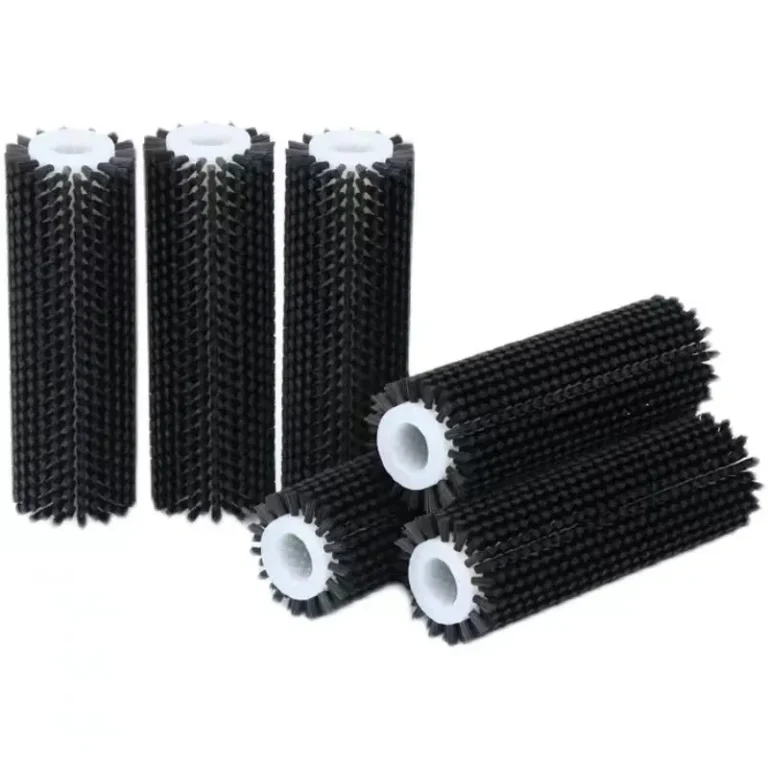
Construction and different applications for the various types of spring brushes can relate to some of their uses as brushes for bore cleaning; you can also learn how spring brushes are constructed and what they are used for by looking at relevant information.
Brush Material Comparison
The below table illustrates key information about the three types of brush materials:
| Feature | Steel Coil Brushes | Nylon Inside Brushes | Brass Coil Brushes |
| Cleaning Aggressiveness | High | Low | Medium |
| Best Used For | Heavy Rust/Scale | Coated/Galvanized Wire Ropes | Sensitive Environments |
| Corrosion Resistance | Moderate | High | High |
| Temperature Tolerance | Up to 400°C | Up to 120°C | Up to 300°C |
| Common Uses | Mining, Structural Engineering | Food Processing | Oil and Gas Occupations |
Selecting the Correct Cleaning Brush and Using it Properly
To achieve maximum damage-free cleanings when using a wire rope cleaning brush, maintenance should follow a structured method. Centrifugally Pumped Oil will serve as the first guide in determining the right tool for this application (i.e., the cleaning definition), and manufacturer recommendations for matching brush size to rope diameter should be used as the final guide when selecting a cleaning tool.
1. Select an internal diameter (ID) that matches the nominal wire rope diameter so that all strand ends make complete contact with the brush.
1. Select the bristle material of the cleaning brush based on the type of debris on the wire rope (i.e., heavy solids, light solids, etc.), and based on the operation environment of the wire rope (i.e., offshore, underground, etc.).
Make certain to go from one end to the other or you will miss cleaning some portions of the rope. Also, make certain your brush is inspected regularly because worn brushes do not clean as well, so replace them when necessary. After cleaning, always re-lubricate your rope as soon as possible so that its protective film can be reactivated. When ordering your rope, remember to take the following three factors into consideration:
- The rope’s diameter and construction
- Where it will be used; indoors, outdoors, underwater, explosive environments, etc.
- What type of debris will be on the rope; fine dust, heavy debris, grease.
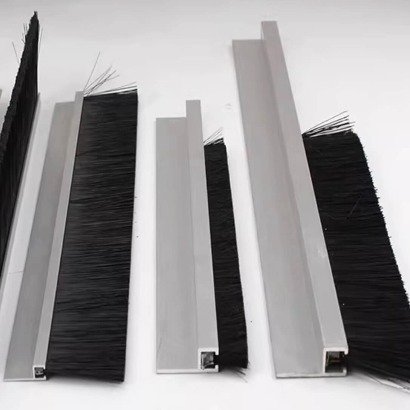
- Required brush length and mounting method
- If you make a bad decision when selecting a wire rope cleaning brush, it could mean having to buy several replacements and falling behind on your regular preventative maintenance program. Your first stop should be our entire range of inside coil brushes, available in different sizes and specifications.
FAQ
Can I Pick a Wire Rope Cleaning Brush to Use on Different Diameters of Rope?
Many manufacturers typically create their brushes for wire ropes with diameters of 6 mm to 80 mm; therefore, we can design custom wire rope cleaning brushes that fall outside the standard range but will fit your specific purposes.
How often should these brushes be replaced?
The time it takes for a brush to no longer be usable is directly related to the number of times it has been used for cleaning. A good general rule is to check the brush after every 50 uses. If more than 30% of its filament material has worn away, it should be replaced immediately.
Can I Order Custom Wire Rope Cleaning Brushes for My Equipment?
Yes. Custom wire rope cleaning brushes can be manufactured based on your rope diameter, brush material, mounting method, operating environment, and required cleaning performance. This helps ensure proper fit, longer service life, and more efficient cleaning for your equipment.