People use wire ropes for heavy lifting. But over time, grease, rust, and dirt cover the ropes. This contamination destroys the rope’s strength and creates serious safety hazards. You can prevent sudden rope failures by using a reliable wire rope cleaning brush. The brush easily cleans the cables and keeps workers safe. When purchasing brushes for industrial applications, an overview of various types of brushes and their applications, as well as things to keep in mind when purchasing brushes, will be presented in this article.
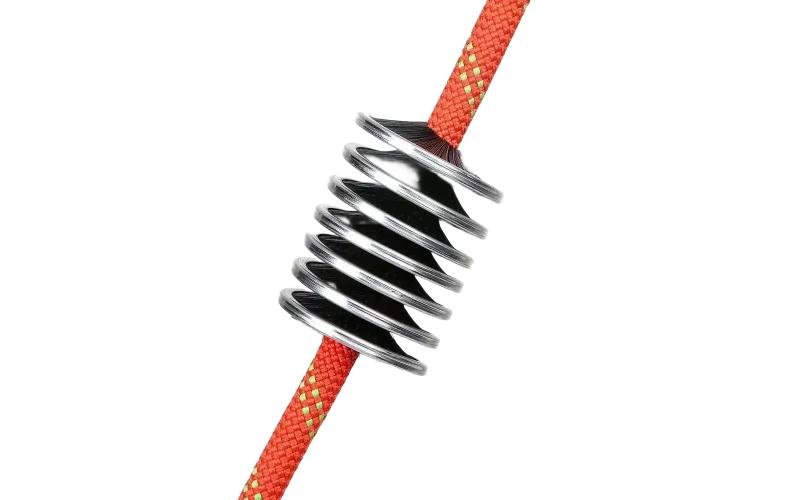
How a Wire Rope Cleaning Brush Works
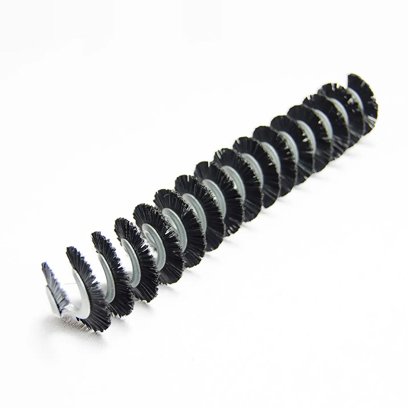
Helical wire rope cleaning brushes are more effective than flat brushes or cleaning by hand because they clear away dirt from the cable as it travels through or the brush spins around the cable.
The base of this tool is usually made of a strong, durable material. The exact material depends on the tool’s intended use and the final product. For example, it might be carbon or stainless steel. Knowing how a brush works and its purpose makes it easier for buyers to choose the right one. Additionally, helical brushes are widely used in manufacturing. They perform a similar cleaning function, specifically designed to clean round objects like shafts and tubes.
Most Popular Types of Brushes for Cleaning Wire Rope
Manufacturers make various brushes to clean wire ropes. Your choice depends on the rope’s size, the type of contamination, and the working environment. Read on to see examples of the most common cleaning brushes.
Style Comparison of Cleaning Brushes
| Types of Brushes for Cleaning | Material Used for Bristles | Ideal Use for Cleaning | Typical Uses of Cleaning Brush |
| Steel Coil Brush | Carbon wire or coated stainless steel wire | Heavy-duty removal of rust & scale | Cleaning electricians, oil field rigs, dirty chain elevators or cranes; light cleaning & protection of finishes on elevators or crane |
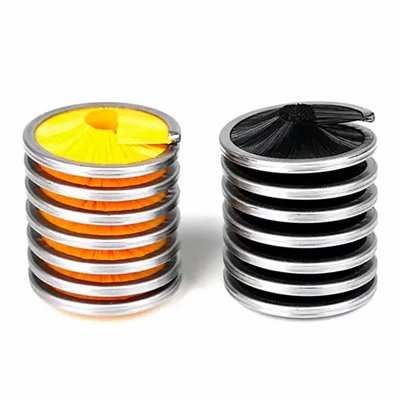
| Inside Coil Brushes | Steel or nylon (varies) | Internal strand cleaning | General industrial maintenance |
Need to remove stubborn corrosion and heavy build-up from a surface? Consider a Steel Coil Brush. It has aggressive bristles that easily cut through tough materials. This provides a more reliable brushing speed than standard brushes. Therefore, it is the perfect choice for extreme environments like mining, foundries, or the maritime industry.
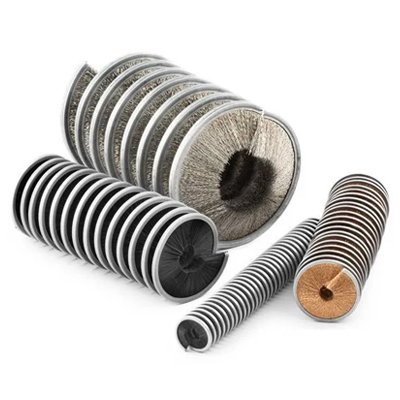
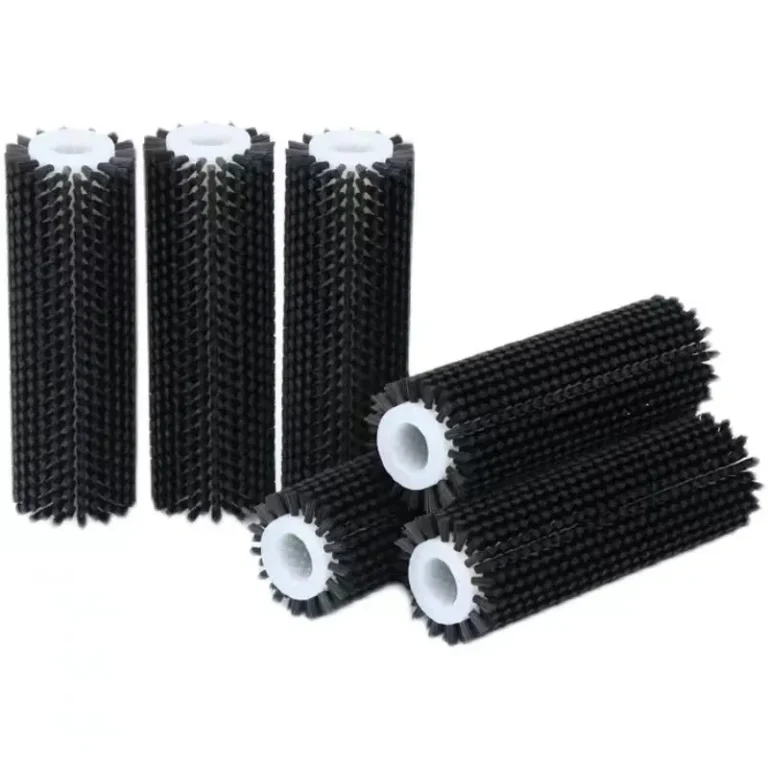
For applications where surface damage is a concern, a Nylon Inside Brush offers a gentler approach. It cleans effectively without scratching or stripping protective coatings.
Inside Coil Brushes can also clean between the individual threads of the rope, removing debris that otherwise could remain unnoticed. The in-coil cleaning concepts can also be incorporated into your maintenance program for cleaning purposes beyond just the external surface.
Wire rope cleaning brushes are a common tool used across most commercial industries whose wire ropes are often exposed to excessive amounts of debris and contaminants.
Examples of the industrial segments utilizing these types of brushes include the following:
1. Construction – Both construction and crane wires require regular inspections and cleaning of wire ropes.
2. Mining – Due to the humidity, moisture and dust that wire ropes in the mining industries are subjected to, these ropes are typically subject to wear and corrosion during both surface and underground mining.
3. Marine and Offshore – Marine and offshore applications often involve the use of water-logged equipment (increased corrosion potential) and washing the rope regularly is critical for maintaining the condition of all rope types.
4. Elevator – Elevator and operator companies must document all of their rope maintenance activities as required by law.
Many industries use specific brush types (spring or flexible) in their maintenance of equipment, including areas with uneven surfaces or hard-to-reach places.
Wire Rope Cleaning Guidelines
Proper technique ensures your cleaning brush works perfectly and lasts longer. Our expert maintenance team recommends these simple steps:
- Inspect the rope first. Look closely for clear signs of damage or heavy wear before you start cleaning.
- Choose the right brush. Match the brush size and bristle type to the exact diameter of your wire rope.
- Brush the entire length. Move the tool along the whole rope to clean every single wire.
Apply lubricant immediately after you finish cleaning. This stops rust from forming. Next, record the cleaning in your maintenance log. This proves you follow compliance rules and protect your equipment. Want to see more? Explore how other industries use our brushes.
FAQ
Will I be able to customize my wire rope cleaning brush to fit the size of my wire?
Definitely! Brush manufacturers make industrial brushes based upon the size of the wire cable you provide. So if you indicate a wire size with this request, the brush will have sufficient bristles to adequately contact the wire and clean it.
In high usage scenarios, when should wire ropes be maintained with regard to cleanliness?
The frequency at which wire ropes must be cleaned varies greatly depending on the type of area where they are used. Cleaning of wire ropes on commercial mining locations and off-shore establishments generally takes place once weekly (every Saturday) and in some cases will take place only once every two weeks. Cleaning wire ropes reduces the chance of developing corrosion on the wire and helps ensure compliance with the industry’s standards of wire rope inspection for safety.
What is the difference between steel and nylon bristle cleaning tools?
Steel Coil Brushes are a very aggressive product for the removal of corrosion and scale in larger quantities. Steel wire brushes will also be more efficient than nylon type brushes for the purposes of cleaning surfaces to remove wax/dirt/debris in standard industrial environments. Nylon will also provide very little protection to the coating on the wire by not coming into contact with or scratching the surface of the actual material.