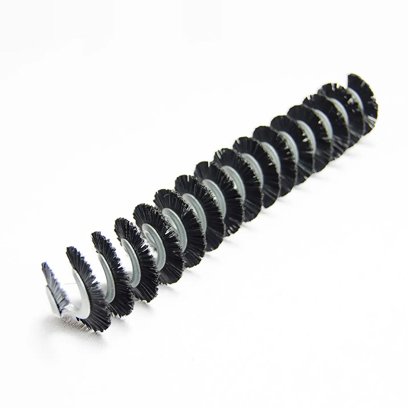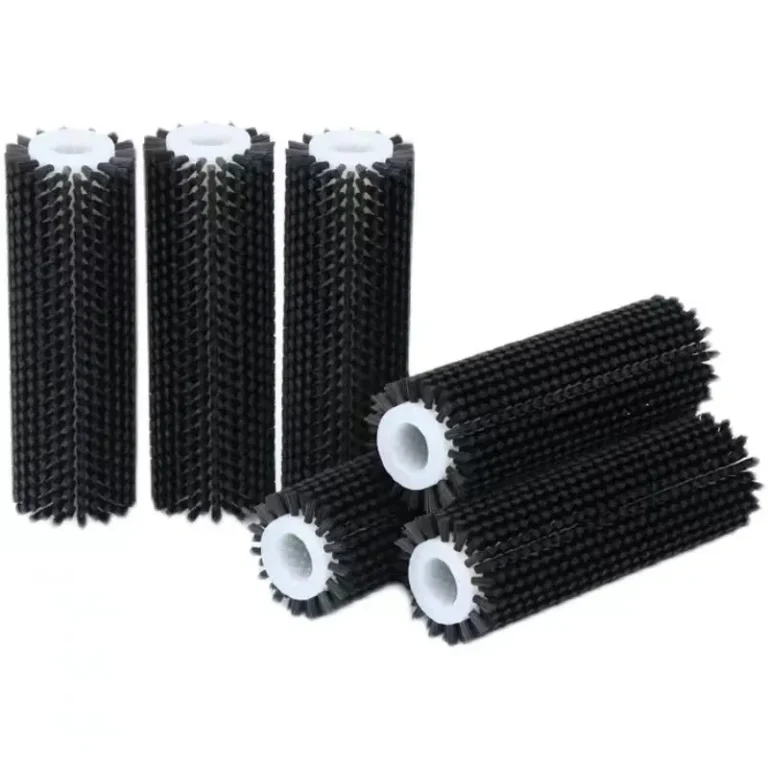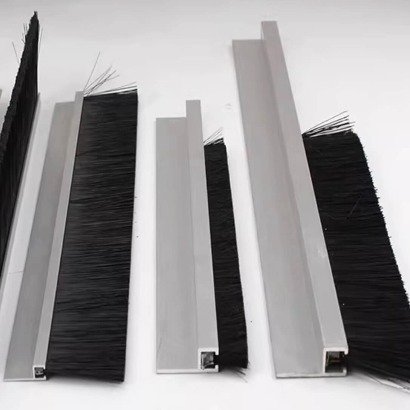
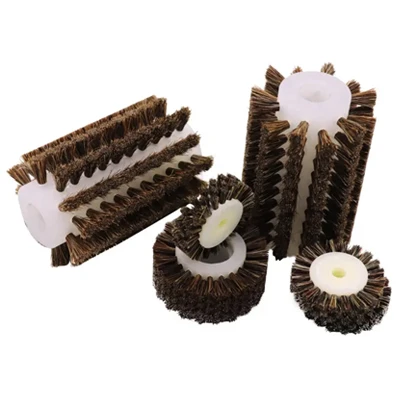
In fast-paced manufacturing environments, the potential for damaging a product’s surface is not only a matter of quality but also of increased costs. Scratches, static discharge, and dirt contamination can lead to a product being rejected or requiring rework. This is why more manufacturers are choosing boar bristle roller brushes as a reliable solution for performing non-abrasive surface treatments.
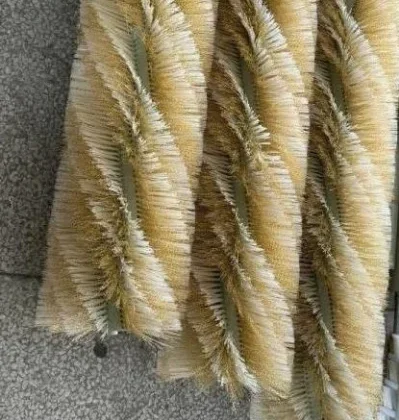
The article will discuss why boar bristle stands out from other hair-based options, how and where it performs best, and the steps necessary to find out if a boar bristle roller brush is right for your production line.
What Makes Boar Bristle Unique Compared to Synthetic Options
Synthetic fibers such as nylon or polypropylene are often used as a general-purpose option for cleaning other surfaces. Most will eventually cause microscopic scratches on delicate or finished surfaces, but boar bristle will not do this. The fibers all have an naturally tapered end and a bearded texture, allowing for collecting of extremely fine dirt particles without scratching through.
Many customers that have made the switch from synthetic to ‘natural’ bristle have reported less damage after the first complete cycle of production. This is especially true on coated glass, printed films, and lacquers.
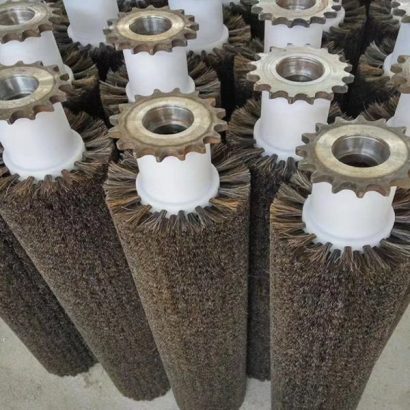
For specifics on the comparison of natural to synthetic bristles, please refer to the guide on nylon vs natural bristle; it provides a breakdown of the pros and cons of each.
The Applications That Benefit Most from Using a Natural Bristled Roller Brush
While not every application is going to require using a natural bristled product, more industries use a natural bristled roller brush than any other type of brush. Below is a list of typical applications where you would find the use of a natural bristled product and why.
| Industry | Application | Why Use Natural Bristle |
| Glass Manufacturing | Removing exterior dirt and dust prior to applying clear coats | Produces zero scratches on a polished surface |
| Printing and Packaging | Sheet cleanliness on press lines | Dust re-adhesion is minimized by anti-static properties |
| Woodworking | Sanding dust removal | Flexible bristles come in contact with grain contours |
| Electronics (PCB) | Board surface dusting | Gentle enough for sensitive components |
| Textile Finishing | Fabric nap treatment | Soft tips so as not to damage fibers |
Regardless of the application, all cleaning is required to be effective while leaving no residue on the surface.
Key Properties of Interest in Production
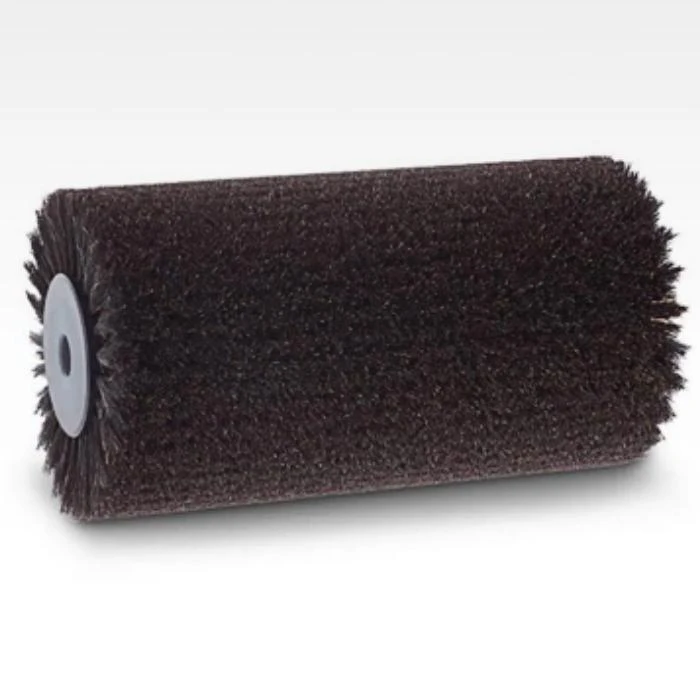
Choosing an industrial surface cleaning brush for a line requires more than just bristle softness; there are a variety of properties that can be measured to determine if the brush will be reliable over time.
Heat & Chemical Stability
Temperature tolerance of boar bristles will pull 150°C continuous operation, making it suitable for use on lines that have heated rollers or warm surfaces. Boar bristles will also resists most light solvents and industrial oils, giving them an advantage over horsehair in wet processing applications.
Static Dissipation
An additional benefit of boar bristles is their ability to reduce static. Static is attracted to surfaces that have been cleaned using paper or film (static charge attracts particulate matter to the cleaned surface), therefore boar bristle helps eliminate this issue without requiring ionization (i.e., bars) and additional equipment.
Bristle Density and Dust Capture
Boar hair’s unique microstructure allows for greater retention of fine particles compared to smooth synthetic fibres, and the higher number of surface contact points created by a denser bristle arrangement results in better dust pick-up rates, which is especially important for cleanroom cleaning or optical coating.
Choosing Between Boar and Horse Hair
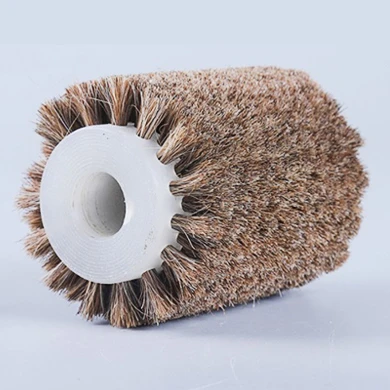
Although boar and horse hair are both animal hair brushes and can be used in the same way, they also provide slightly different solutions:
- Boar bristle is designed to provide greater stiffness and heat resistance while also being able to pick up various types of materials, without using additional pressure, and work well in areas where temperatures can exceed those found in most commercial environments.
- Polishing with horse hair is the way to go when you need a soft, no-scratch finish. As with any type of brush, using the right grade for your particular application is key to getting great results, but because horse hair is softer than other types of bristles (i.e. boar bristle), it should be used as the final step in the polishing process.
This type of polishing is often referred to as high-gloss polishing due to the use of horse hair cleaning brush to produce mirror-like finishes on metal or lacquered surfaces. The following article explains why horse hair polishing brushes work so well on high-value products.
In many manufacturing facilities, both horsehair and boar bristle brushes are utilized on the same polishing line — using boar bristle for the initial cleaning phase and horsehair for the final finishing phase.
Selecting the Right Roller Brush for Your Line
To optimize performance of roller brushes in order to ensure maximum efficiency, it is important to follow a proper process to select roller brush specifications according to your specific manufacturing line requirements.
- Identifying the material being processed and how sensitive it is to surface scratches is the first step.
- Next, consider the temperature range and chemical exposure of the manufacturing environment.
- Then, you will want to measure the dimensions of the roller housing throughout your line — including the diameter, width of the face of the roller, and the type of roller shaft used in the application.
- Finally, select a roller brush with the proper bristle density based on particle size and line speed (remember, the faster the line speed, the greater the amount of friction created).
- Obtain a sample or check out the factory for your specific request on the parameters.
Many reliable manufacturers of brushes provide all types of customization, including through the use of cores, length (of individual bristles), and style (mounting). A properly ordered boar bristle roller brush can last up to many thousands of hours before it needs to be replaced.
Frequently Asked Questions
Is it possible to customize the roller brush with a specific diameter and other characteristics?
Yes; the following characteristics can be customized: diameters, core materials, densities of the bristles and lengths (trimmed) of the bristles will mount to your roller. OEM orders are also accepted, provided they are accompanied by either an engineer drawing or specification (requires a signed release).
How do these brushes made of horse hair compare to the ones made of boar bristles with respect to collecting dirt?
The boar bristle was stiffer and could collect on both coarse and fine surfaces of dirt. The horse hair is less stiff and not suitable for primary cleaning surfaces of dirt, but is better suited for the final polishing of surfaces.
How Long Do Boar Bristle Roller Brushes Usually Last?
The lifespan of a boar bristle roller brush depends largely on line speed and contact pressure, but properly sized and specified brushes can be expected to last for several thousand hours of operation before they need replacing.