The quality of a product is often judged by its surface finish. In industries handling metal panels, glass, or lacquered components, the final polish is critical for inspection and acceptance. Consequently, the choice of a Horse Hair Polishing Brush is often more significant to purchasing departments than previously assumed. Professionals prefer natural horsehair in precision finishing lines due to its superior physical properties. When finishing high-value workpieces with zero tolerance for defects, this filament provides consistent, reliable value.
What Makes Horse Hair Effective for Polishing
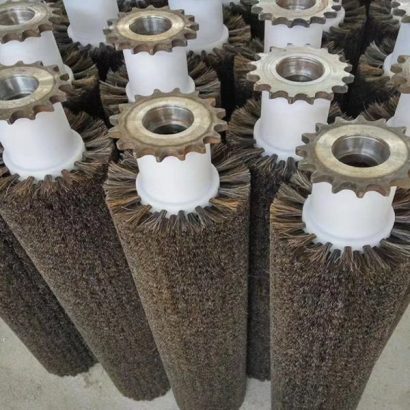
Horsehair possesses a natural taper at the tip, which reduces point contact pressure. This is a primary reason why these brushes polish delicate surfaces without causing micro-scratches—a key advantage discussed in our guide on why horse hair brushes won’t scratch your high-value products. Beyond tip geometry, several properties contribute to its effectiveness as a polishing brush:
- Natural flexibility: Absorbs vibration rather than transferring it to the surface.
- Moderate stiffness: Firm enough to carry compounds, yet soft enough to prevent marking.
- Low static buildup: Reduces dust accumulation in sensitive environments.
- Thermal stability: Maintains consistent behavior across varying operating temperatures.
These characteristics make it a standard choice for optical lens finishing, automotive clear-coat buffing, and electronics board cleaning.
Roller Brush vs. Strip Brush: Choosing the Right Format
The filament determines surface interaction, while the brush construction determines how that filament is delivered to the workpiece.
Roller Brush Construction
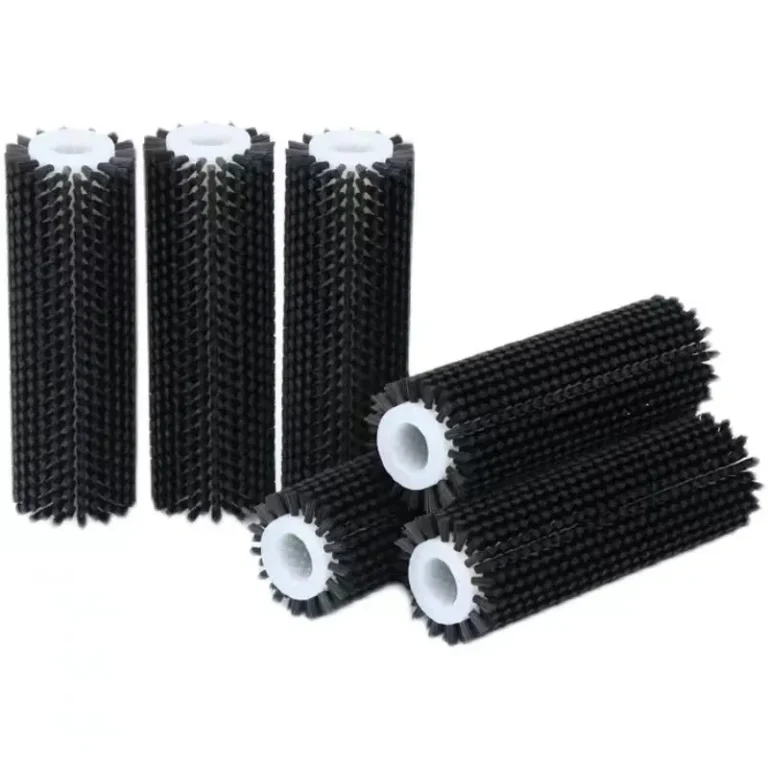
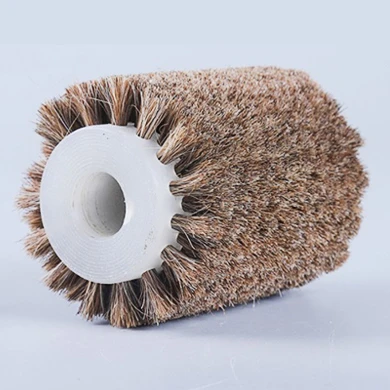
A horse hair plastic shaft roller brush typically features a lightweight polymer core. This design offers several advantages over traditional metal cores:
- Reduced Weight: Easier for automated equipment to handle.
- Corrosion Resistance: Ideal for wet polishing environments.
- No Galvanic Reaction: Eliminates risks when using reactive chemical agents.
Strip Brush Construction
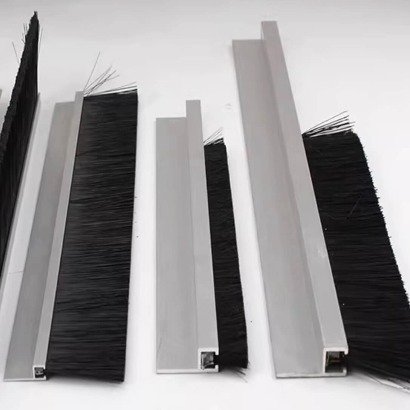
Strip brushes use linear channels to secure filaments. While effective for edge sealing and flat surface cleaning brush applications, the roller format remains the gold standard for rotary operations, ensuring uniform contact pressure across the entire working dimension.
Specification Parameters by Usage
Selecting the right tool requires balancing filament length, density, and operating speed. The table below provides typical guidance for industrial applications:
| Application | Filament Length | Fill Density | Core Type | Speed (RPM) |
| Stainless Steel Polishing | 20–35 mm | Medium-High | Plastic | 600–1200 |
| Stainless Steel Polishing | 15–25 mm | High | Plastic | 400–800 |
| PCB Surface Cleaning | 10–20 mm | Medium | Plastic/Metal | 300–600 |
| Lacquered Wood Finishing | 25–40 mm | Medium | Plastic | 300–600 |
| Automotive Buffing | 20–30 mm | High | Plastic | 800–1500 |
Installation and Operating Best Practices
Even a premium Horse Hair Polishing Brush will underperform if installation parameters are incorrect.
Operators should verify:
- Contact Pressure: Set to the minimum effective level to reduce wear and prevent surface marking.
- Rotation Direction: Counter-rotation provides aggressive action; co-rotation offers a gentler finish.
- Shaft Runout: Ensure the brush spins true to prevent uneven contact.
- Width Coverage: The brush face should overlap the workpiece width slightly to avoid edge-line marks.
Maintenance and Replacement Timing
Horsehair is durable, but regular care is essential. Remove debris after each shift using compressed air or gentle rinsing. Avoid prolonged exposure to harsh solvents that strip natural oils, as this reduces flexibility. Store brushes horizontally to prevent filament deformation. Typically, in medium-duty cycles, brushes last 3–6 months. Replace immediately if uneven wear patterns appear, as these lead to inconsistent finishes across the surface.
FAQ
Are custom sizes available for specific equipment?
Yes, most manufacturers can customize the shaft diameter, brush length, and filament density to perfectly match your existing industrial equipment requirements.
What is the typical lead time for bulk orders?
Standard rollers usually ship in 2-3 weeks, while custom-engineered brushes may take 3-5 weeks depending on material sourcing and construction complexity.
Is a horsehair brush suitable for wet applications?
Absolutely. Using an animal hair brush in wet environments prevents core rot and reduces the overall weight of the assembly.