Manufacturers pay much higher prices for damaged surfaces than for the cost of the brushes used to finish them. When brass or nickel components are polished or coated, the target items are finished until they have a scratch; then, they become scrap. This is the primary reason for the continued use of the Horse Hair Polishing Brush in all industries where maintaining surface integrity is critical.
The issue is not if scratching takes place, but rather determining why natural horse hair brush filaments, unlike other brush materials, will not create surface imperfections. The key lies in the unique characteristics of natural protein filaments and how they interact with delicate surfaces under industrial conditions.
Understanding What Causes Surface Scratching
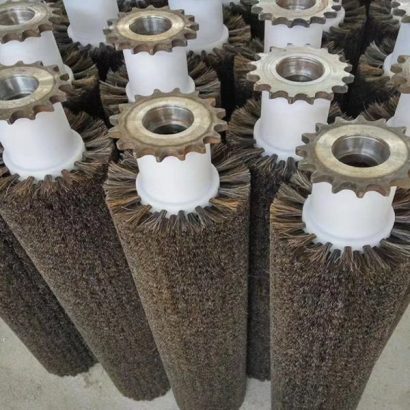
Scratching occurs when a harder object contacts a softer one under pressure. Every bristle of any brush has a specific rating of toughness. When the toughness of the bristle exceeds the hardness of the workpiece surface, scratches become inevitable.
Compared to many polished surfaces, metal wires—including fine-gauge stainless steel—have a considerably higher rating on the Mohs hardness scale. Synthetic filaments like nylon may hold embedded abrasive particles that generate microscopic scratches during friction. These defects compromise coating adhesion, optical clarity, and aesthetic appeal.
In contrast, the natural structure of a horse hair brush makes it inherently softer than virtually all industrial substrates, rendering physical scratching nearly impossible under normal operating conditions.
Mechanisms Behind the Non-Scratch Properties
Several measurable properties cause horse hair to outperform other filament materials in protecting surfaces.
Flexibility and Tip Geometry
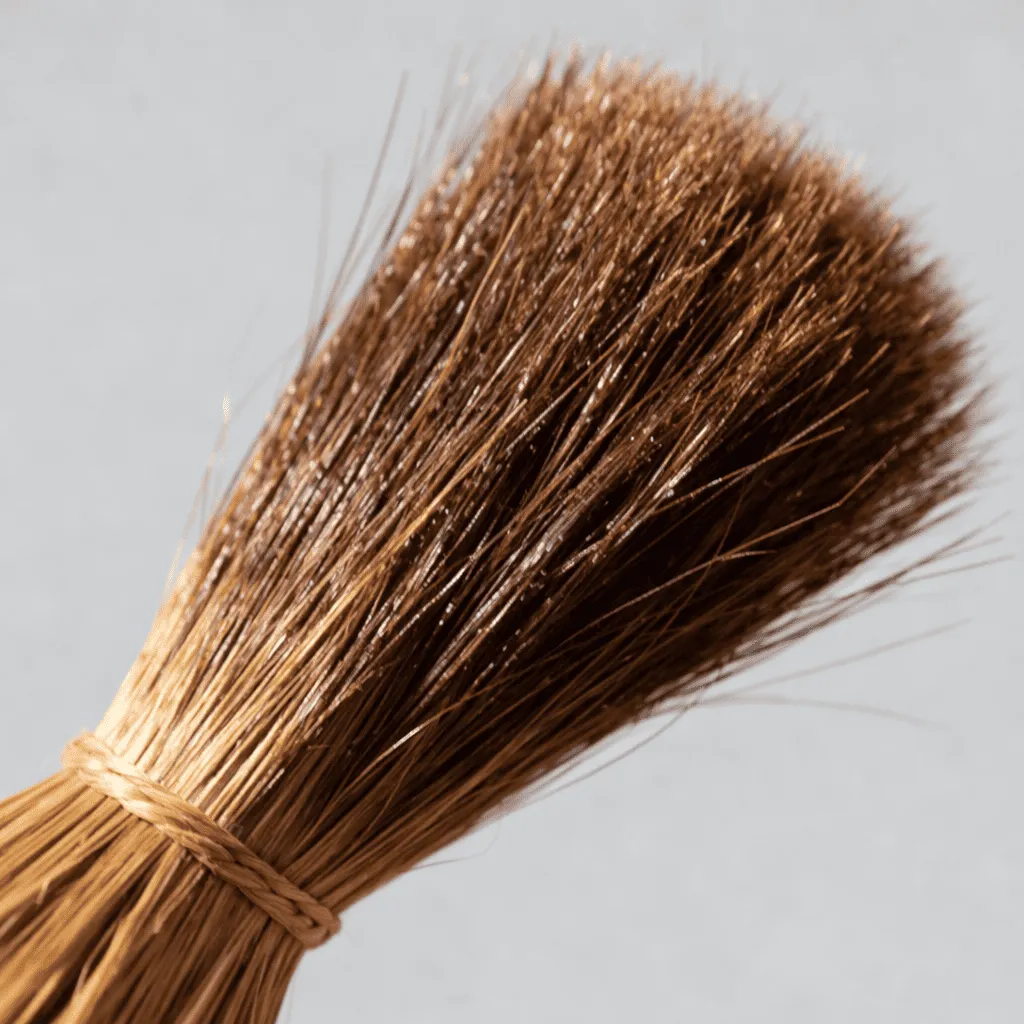
The end of each horse hair length has a naturally tapered tip that is rounded, as opposed to the blunt or sharp ends of cut synthetic fibers. This geometry distributes contact pressure across a larger area, lessening localized force. When it contacts a substrate, individual strands flex instead of digging in, absorbing energy that would otherwise cause scratching.
Low Mohs Hardness Rating
The hardness comparison reveals why this material is uniquely suited for scratch-free finishing:
| Brush Material | Approximate Mohs Hardness | Risk of Scratching |
| Carbon Steel Wire | 5.0–6.5 | Very High |
| Stainless Steel Wire | 5.5–6.5 | Very High |
| Abrasive Nylon | 3.0–4.0 | Moderate |
| Plain Nylon | 2.0–2.5 | Low |
| Horse Hair | 1.0–1.5 | Negligible |
This hardness differential ensures that horse hair filaments cannot leave an impression on materials harder than themselves, which includes nearly every metal and glass product in modern manufacturing.
Natural Lubrication
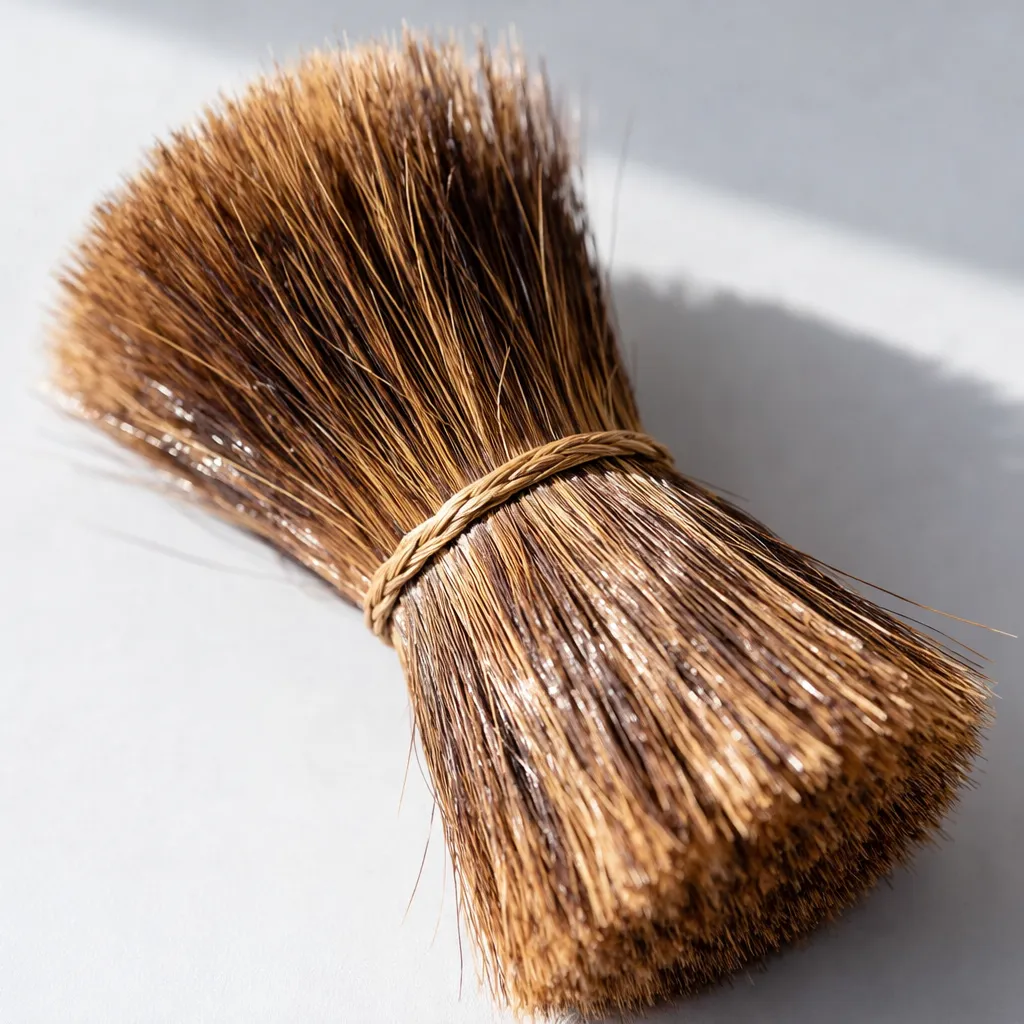
Natural filaments contain trace amounts of oils and moisture that synthetic materials lack. These organic lubricants minimize friction between the filament and the workpiece, creating an inner layer of protection against dry contact marks.
Industries That Depend on Scratch-Free Finishing
The non-scratch properties of this Animal Hair Brush make it indispensable across several large-scale sectors:
- Glass Processing: Float and architectural glass lines require cleaning that does not introduce surface defects affecting optical or structural properties.
- Wood and Furniture: These brushes are effectively used as polishing tools for lacquered panels, veneered surfaces, and finished components.
- Textile Processing: Lines use these brushes to raise fiber nap and remove threads without damaging delicate weaves.
Alternative Soft Brush Materials Compared
Buyers evaluating options for delicate surfaces should note the distinctions:
- Horse Hair vs. Goat Hair: Goat hair is often too supple for effective polishing; horse hair provides the necessary stiffness to distribute compounds without collapsing.
- Horse Hair vs. Nylon: Unlike nylon, which can develop rough edges from wear, horse hair retains its smooth tip geometry throughout its service life.
- Horse Hair vs. Synthetic Roller Brushes: Natural filaments on a surface cleaning brush provide consistent, repeatable performance for automated finishing lines that synthetic substitutes often fail to match.
Selecting the Right Configuration
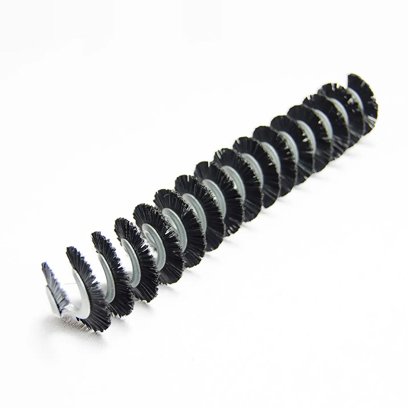
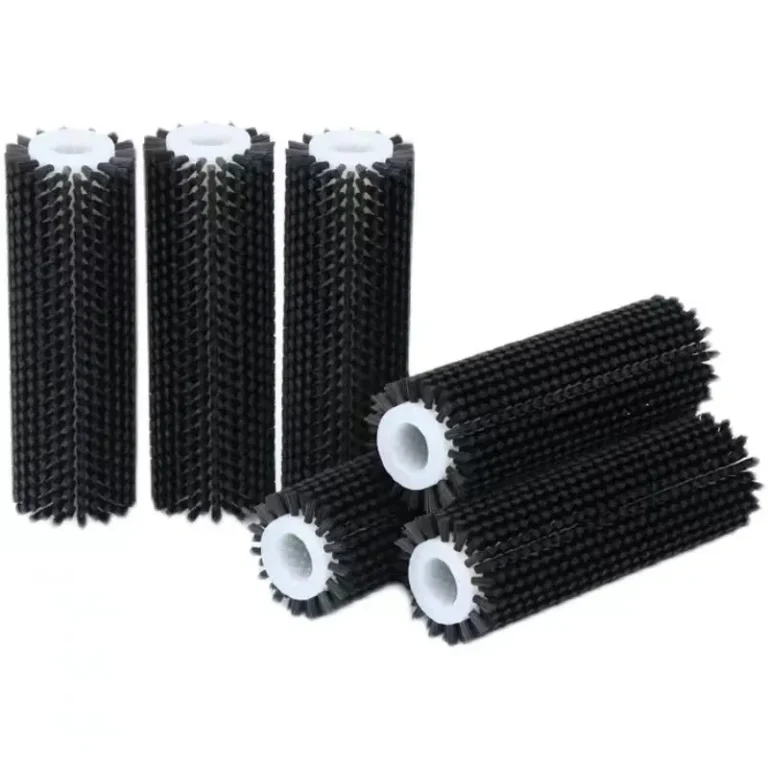
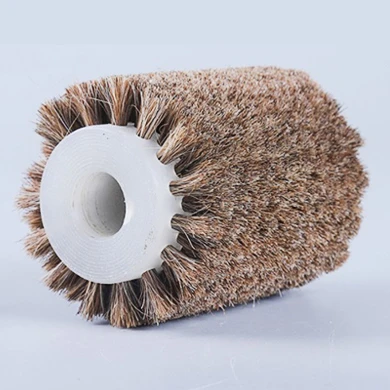
Choosing the optimal tool involves more than material. For roller-style applications, a horse hair plastic shaft roller brush delivers a perfect balance of gentle touch and long-lasting strength. Because they are made from plastic, there is no risk of metallic contamination, ensuring a scratch-free finish during prolonged runs.
Practices to Maintain Brush Performance
Without regular maintenance, even a high-quality Horse Hair Polishing Brush will lose its effectiveness.
- Clean the brush after each shift to prevent debris buildup.
- Store brushes horizontally to prevent permanent bristle deformation.
- Rotate brushes periodically to equalize wear across the face.
- Inspect bristle ends regularly; fraying or breakage indicates it is time for replacement.
FAQs
Q: Can horse hair polishing brushes work with automated high-speed production lines?
A: Yes. These brushes perform well at moderate rotational speeds, and proper pressure ensures scratch-free results even in continuous automated finishing operations.
Q: How often should horse hair brushes be replaced in industrial environments?
A: Replacement depends on intensity, but typically they are replaced every three to six months in manufacturing settings if they are kept clean.
Q: Are horse hair brushes suitable for wet polishing with compound application?
A: Absolutely. The natural filament absorbs and spreads polishing compounds evenly, providing superior finishing results without damaging the object being polished.