A rust removal brush with a short lifespan creates multiple hidden costs: replacement cost, lost productivity, inconsistent surface quality, and excess labor. For companies performing metal preparation on a daily basis, a brush’s ability to resist wear determines whether it is a tool or a disposable cost.
This article explains how to pick and use a rust removing brush correctly so it will last as long as possible, the different types of brushes available to suit different types of jobs, and how to match the brush selection to the requirements of your job.
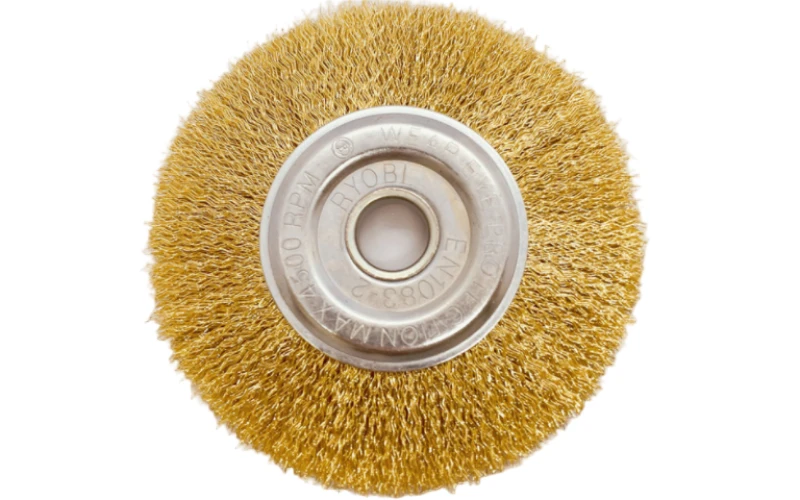
The Importance of Wear Resistance in Rust Removal
Rust removal is performed by abrasive means of wire being rubbed between the corrosion and the surface of the metal. Cheaper, low-quality brushes will not hold their shape and will lose their cutting ability in hours, whereas a wear-resistant rust removal brush will maintain the wire’s tension and filament integrity through many cycles (hundreds). From a procurement perspective, longer brush life equates to:
● Lower cost per unit over an extended time.
● Fewer production interruptions due to changing out tools.
● More consistency in surface finish quality for every batch.
● Less burden on the inventory management system.
Businesses that perform heavy corrosion management on a daily basis (like shipbuilding, pipeline repairs and installations, and fabrication of structural steel) rely heavily on brushes designed for longevity.
Brush Life Factors
Wire Material
Selecting the right wire material directly affects brush service life and performance. Carbon steel wires remove rust effectively but tend to wear faster on harder surfaces. Stainless steel wires offer better resistance to heat-related fatigue and maintain flexibility longer during extended use.
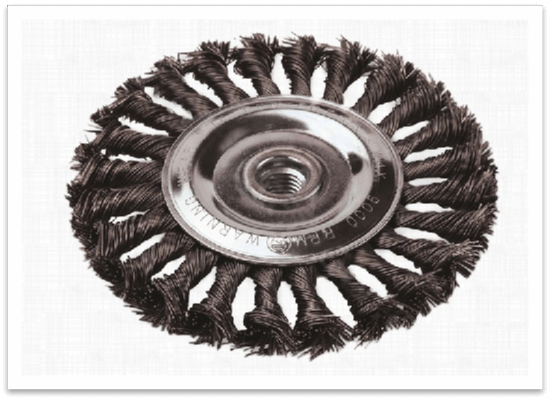
Wire Configuration
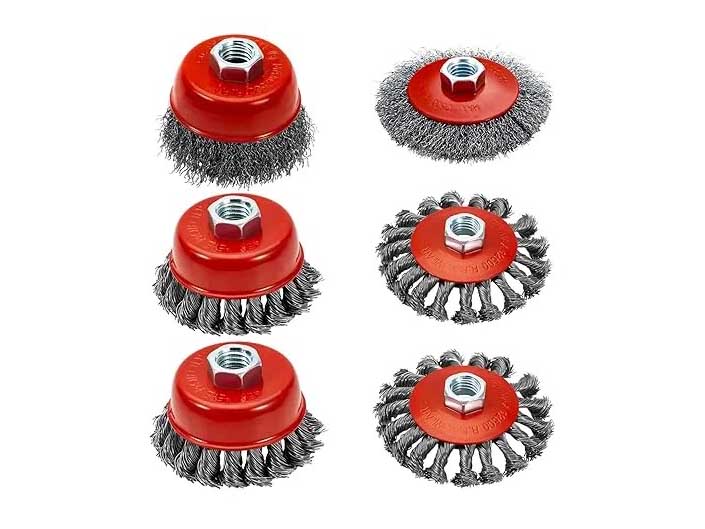
Wire arrangement influences both cutting efficiency and overall lifespan. Twisted wire designs pack more filaments into a compact area, allowing wear to spread across a broader contact surface and helping the brush last longer than crimped alternatives.
Quality of Hub and Mounting
A reliable mounting system plays a key role in brush durability. Loose hubs can reduce performance, create uneven wire wear, and shorten service life. Precision-machined hubs help maintain stable, uniform brush operation even at high rotational speeds.
Types of Brushes to be Used for Long-Term Rust Removal
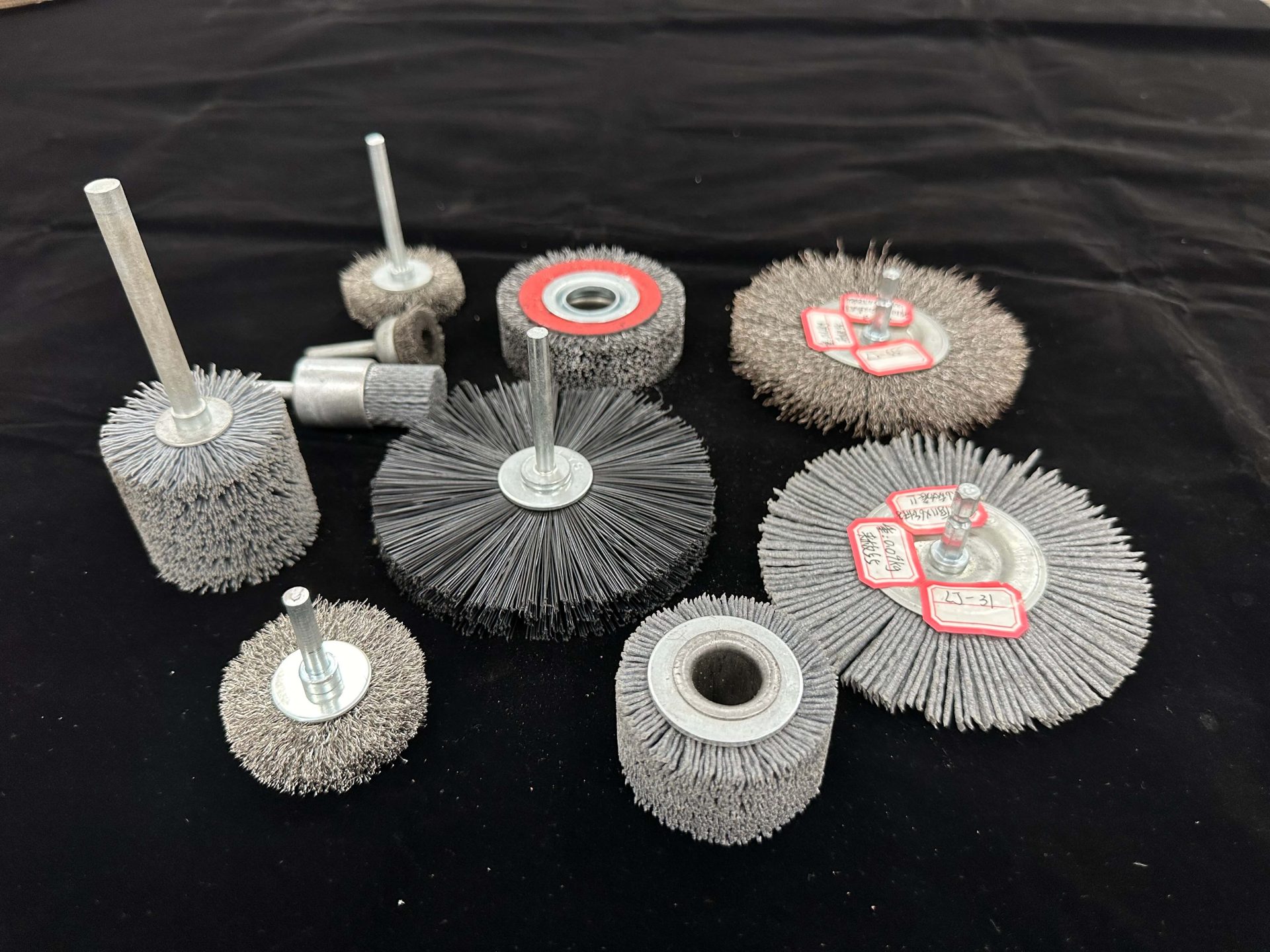
Different rust removal jobs require different brushes, depending on how the work will be carried out. See the following table for the differences in three types of brushes used in industrial applications to remove rust:
| Brush Type | Best Use | Wire Type | Durability Rating |
|---|---|---|---|
| Drill Polishing Brush | Small areas with spot rust | Knotted wire radial brush | Moderate |
| Stainless Steel Wire Rust Removal Wheel Brush | Flat surfaces with heavy rust or corrosion | Stainless steel straight wire | Heavy |
| Twisted Wire Steel Polishing Wheel Brush | Polish weld seams and aggressive prep for next process | Knotted twisted wire | Very Heavy |
Drill Polishing Brush
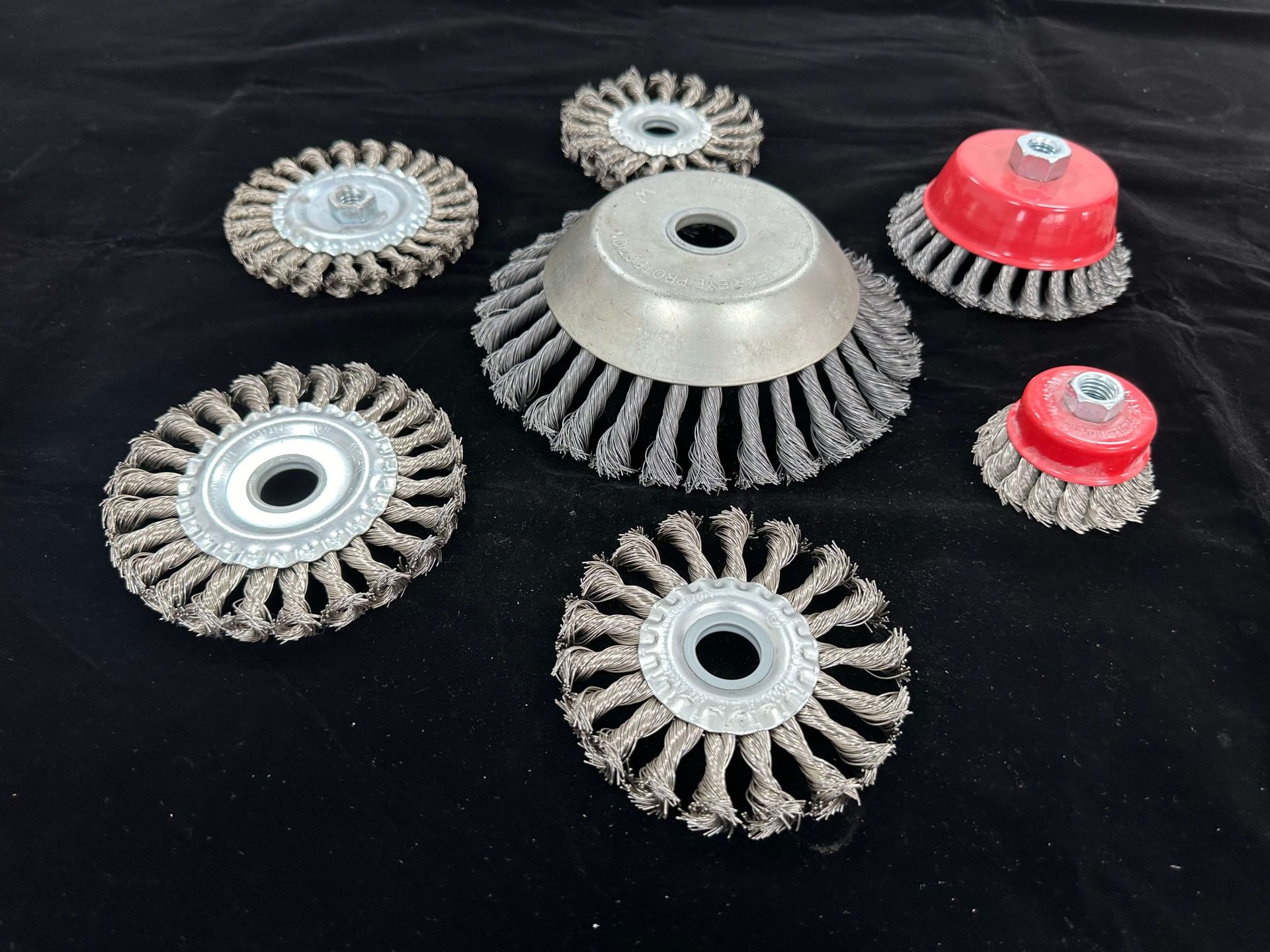
For small spot repairs and tight spaces, the Drill Polishing Brush fits directly into a standard drill chuck and requires almost no setup time. Maintenance teams rely on it for quick rust removal and localized touch-ups rather than continuous, extended operation. Its compact form reaches areas that larger tools simply cannot access.
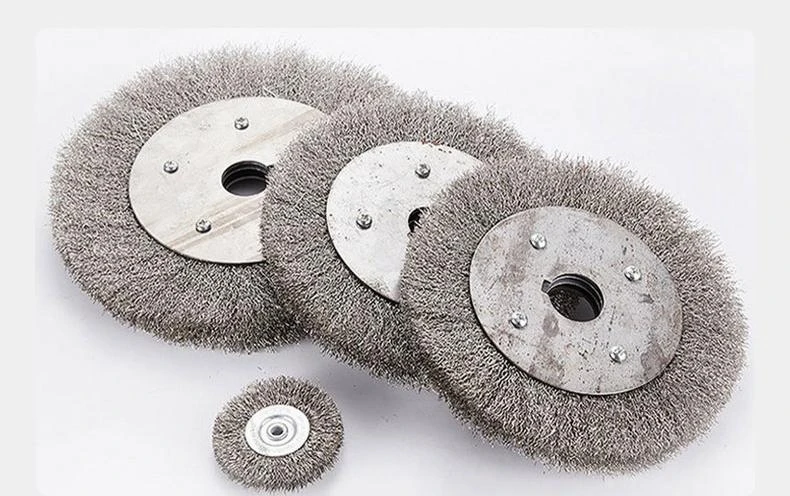
Remove Rust Wire Wheel Brush
When flat panels and broad surfaces need uniform contact pressure, the Stainless Steel Wire Rust Removal Wheel Brush delivers consistent results across moderate areas. Its stainless steel filaments resist corrosion and leave zero contamination on cleaned surfaces — a critical advantage for food-grade and marine applications.
Knotted Wire Wheel
Aggressive material removal calls for maximum cutting power, and the Twisted Wire Steel Polishing Wheel Brush provides exactly that. The twisted knot construction locks each wire firmly in place, minimizing wire loss even under heavy loads. This design pairs well with angle grinders and bench grinders running at full capacity during long shifts.
How to Extend the Life of Brushing Tools
Every brush designed to remove rust will experience wear over time; therefore, proper care of a rust removal brush will make it last longer:
1. The RPM speed of the brush must match the rated speed of the manufacturer; exceeding this speed will cause premature wire fatigue and loss of efficiency.
2. The user should use moderate pressure to allow the tips of the wires to remove the rust.
3. Store brushes in a moisture-free environment, as water can cause corrosion to wire filaments.
4. Inspect brushes for loose wires or broken wires prior to each shift or run.
5. Alternate between several brushes on high-volume production so that wear is evenly distributed.
Detailed instructions for safe operation are provided in the wire wheel brush safety guidelines for rust removal, which explain proper wire brush techniques and specify the required personal protective equipment for related tasks. Teams that are new to wire brush tools should also familiarize themselves with the correct procedures for using rust removal wire brushes before beginning production operations.
Which Brush Will Work Best With Your Operation?
Choosing the appropriate brush depends on three variables: the surface area being treated, the severity of corrosion to be removed, and the duty cycle of the operation being performed.
● Light duty / spot work – Drill-mounted brushes complete touch-up jobs quickly and efficiently.
● Production quantity / level of effort / daily usage – Stainless Steel Wire Wheel Brushes provide balance (speed) and long-lasting performance.
● Twisted Wire Knotted Brushes (Heavy Duty; Constant Use) – Give the toughest schedules the most demanding productivity.
Operations with thicker scale build-up and/or many layers of corrosion use a heavy-duty remove rust wire wheel for a longer time. It works faster because it can deliver a greater quantity in less time than general use or helper rust systems.
Conclusion
The rust-removal wear-resistant brush pays for itself via reduced downtime and quality — the right choice of wear-resistant rust-removing brush is based on the following factors: amount of work to be done per day; type of surface; frequency of operation. Properly engineered brushes will help eliminate shutdowns and keep metal prep lines running smoothly.
Frequently Asked Questions
When Do You Need to Replace Your Wire Brush?
Several factors determine the replacement cycle of a wire brush, including wire material and brush usage frequency. Generally speaking, twisted-wire brushes have about 3-5 times the life span of crimped wires when used continuously.
Can Stainless Steel Wire Brushes Be Used on Carbon Steel Surfaces?
Absolutely! Stainless steel wire brushes are excellent for cleaning carbon steel surfaces. When using stainless steel wire brushes, you are not introducing foreign contaminants into the base metal, therefore preventing potential rusting or other corrosion after you have coated it.
What is the ideal RPM for maximizing wheel brush life?
Most wheel brushes will function at their best if operated in the 4,500 to 6,500 RPM range. Operating above the rated RPM will fatigue and break wires, leading to reduced safety and wear life.