Removing Heavy Rust Requires Something More Than Just Manual Methods
There are ways to remove rust from metal objects. You may scrape the rust off of a piece of metal or soak it in a chemical solution that removes rust, but if there is a heavy accumulation of oxidation that has bonded too tightly to the base metal, you will not be able to restore the surface of the object to its original condition by hand. In this situation, using a rust-removing wire brush will solve the problem.
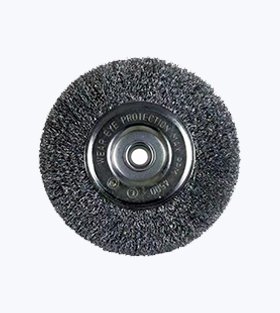
In the industry (workshops, boat yards, repair yards), the cost-benefit of not having downtime is very high. Anyone who has tried to get rust off and struggled would agree that selecting the right tool at the first instance will assist with not having to redo the work. A Wire Wheel for Grinder mounted to an angle grinder will provide enough RPM and sufficient abrasive force to remove heavy rust when used correctly without damaging the base material.
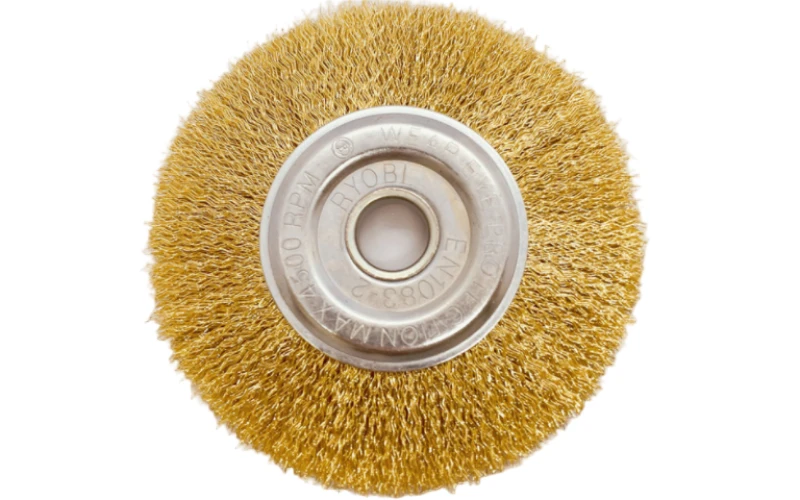
Understanding how a grinder brush wheel removes rust at the mechanical level helps buyers make informed procurement decisions and avoid costly trial-and-error.
How a Remove Rust Wire Wheel Works
The principal concept is easy to grasp: there are hundreds of wire filaments that quickly revolve to make impacts against a corroded finish that work like hammers, breaking off the oxide from the corroded finish. Since the filaments are made of a pliable material, they will also be able to bend around the many different irregularities of these finishes (for example, welds, corners, and bends). The major characteristics that determine how effectively the wire filaments operate include:
● Type of wire material (carbon versus stainless steel)
● Wire Diameter (thicker wires are more aggressive)
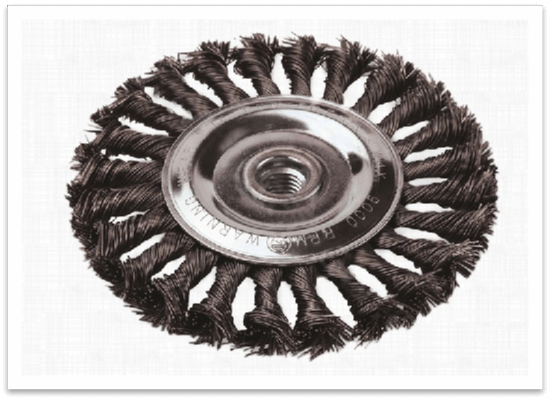
● Knot Type (twisted knot vs. crimped)
● Wheel Diameter and RPM rating
The best type of wheel brush for cleaning contaminants off of workpieces where cleanliness is critical is a Stainless Steel Wire Rust Removal Wheel Brush. There are no carbon deposits left on food-grade equipment when using stainless steel wire, and there are no carbon residues when fabricating products made out of stainless steel when using these types of wheel brushes.
Types of Wire Wheels for Rust Removal
Some rust removal situations will require different brushes or tools. Below is a comparison of the most commonly used wire wheel types for industrial applications of rust removal.
Comparison Table
| Type | Best For | Aggressiveness | Typical Use |
|---|---|---|---|
| Crimped wheels | Light to Medium Rust | Moderate | General Surface Preparation |
| Knotted wire wheels | Heavy Rust / Scale (Structural Steel, Shipbuilding) | High | Heavy Surface Preparation |
| Cup brushes | Flat surfaces (deck plates, exterior tank products) | High | Large flat area cleaning |
Cup brushes are extremely effective on large, flat areas where a standard wheel will bounce or skip. These brushes also allow for the use of both wheel styles on different types of geometry to accommodate different materials.
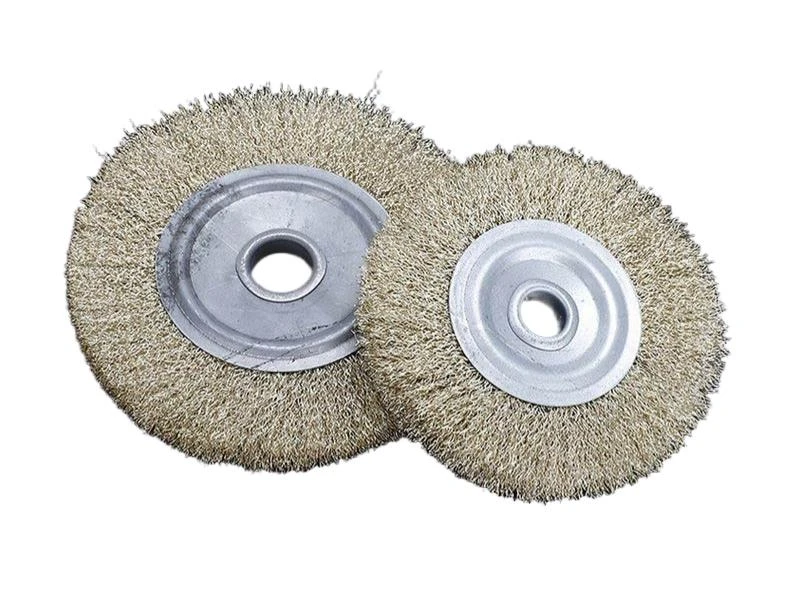
When choosing a remove rust wire wheel, keep these points in mind:
● Wire material: Stainless steel for contamination-sensitive jobs (like food equipment). Carbon steel for general use.
● Wire thickness: Thicker = more aggressive for heavy rust. Thinner = smoother finish for light rust.
● Knot type: Knotted wires for heavy scale. Crimped wires for light to medium rust.
● RPM compatibility: Brush RPM must meet or exceed grinder’s no-load RPM. Otherwise, wires can break and fly off.
● Arbor hole: Must fit the grinder spindle exactly. A loose fit causes vibration and the brush may detach.
● Brush shape: Cup brushes for flat surfaces. Wheel brushes for contours and edges.
Selecting the Right Wire Wheel to Use with a Grinder
You should evaluate a number of critical factors when selecting the proper Wire Wheel for Grinder for grinding applications. These include:
1. The size of the grinder’s shaft and the maximum RPM capability of the grinder.
2. Select a wire wheel that has a rating that meets or exceeds the grinder’s operation speed.
3. Matching wire materials to the workpiece is essential. For instance, if you’re using a Stainless Steel Wire Rust Removal Wheel Brush, you would want a stainless steel workpiece. If you’re using a carbon steel wire brush, you would want a carbon steel workpiece.
4. Select knot wire for heavy scale, crimped wire for finishing.
5. Verify the wheel’s arbor hole fits the grinder spindle or adapter.
Wire breakage can happen if the speed of the tool exceeds the tool rating, and could jeopardize the safety of the person operating the tool. Therefore, it is extremely important for someone operating this tool to be aware of the maximum RPM limit for their tool when operating it. In addition to using a wire wheel to clean off rust, a Surface Cleaning Brush can be used when performing multiple stages of finishing on the surface being worked on, or used as an abrasive method to clean the surface after all finishing procedures have been completed on the surface.
When is it appropriate to remove rust using a wire wheel or an alternative?
While there is variety in the types of cleaning products available for this purpose, some of these types will be less effective than others based on your needs. Example: If you have a lot of rust on something, it is going to take longer to remove with chemicals than by using a wire wheel.
● Unevenly shaped surfaces. Wire wheels have more ability to adapt to an irregularly shaped surface than sandblasting tools, as sandblasting tools require a sufficient amount of open space for the machine to fit into the area, as well as the dust created by sandblasting.
● Uses for portable grinders. Grinders may be used at jobsites that do not have access to sandblasting cabinets.
● Cost per project using a wire wheel over a sandblaster. Wire wheels may be used forever as long as the wire is not torn off during use. Each wheel only costs a few dollars per project.
When using tools to clean surfaces that are thin or delicate, it is typically better to use softer tools such as nylon scrubbing brushes or finer grit abrasive discs. Select a tool that has the same amount of aggressiveness as the cleaning being done.
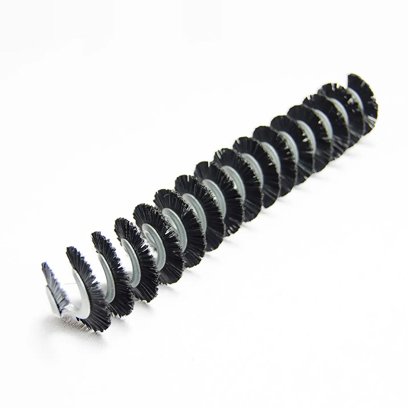
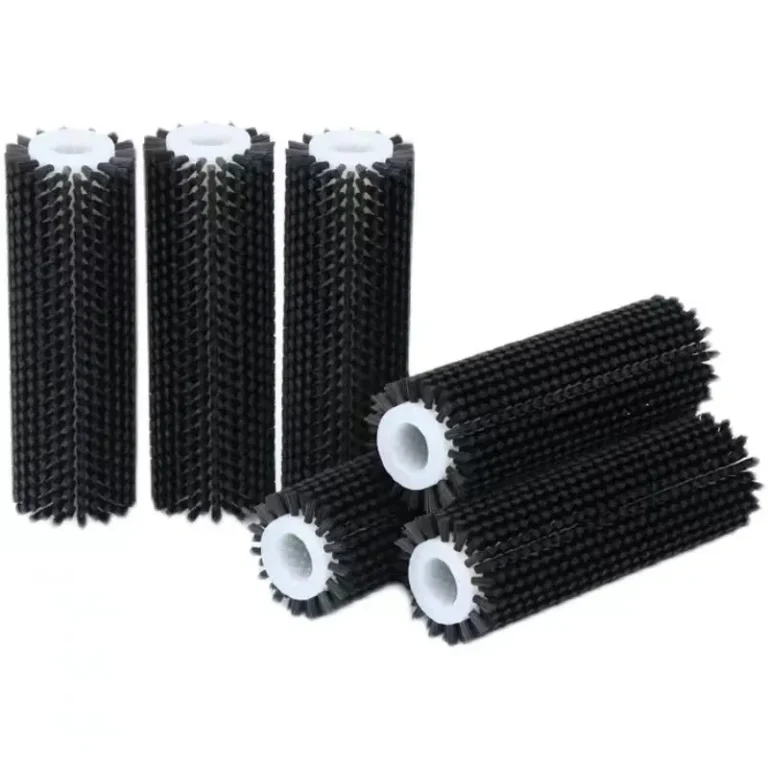
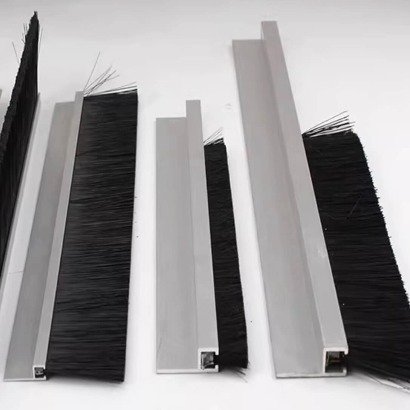
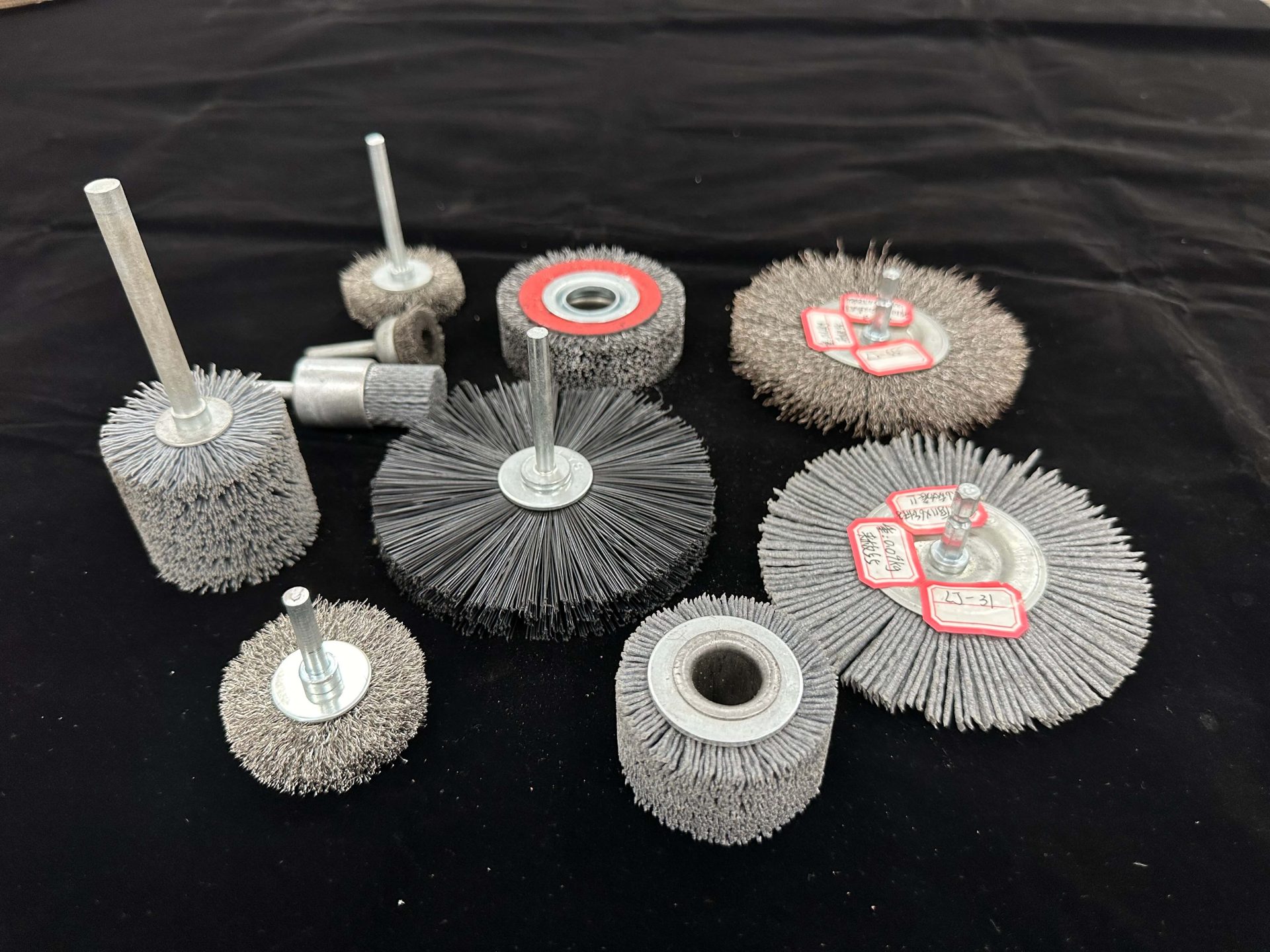
Diverse facilities contain many types of industrial brushes in order to perform a variety of tasks, including light cleaning as well as heavier work like descaling.
Using Rust Removal Wire Brushes
When utilizing wire brushes to remove rust from components, two main areas of concern are:
1) Personal Protective Equipment (PPE)
2) Technique. Loose wires pulled from the wire brush can break off at high RPM. And these broken wires can pose a danger to your face and body.
Basic Safety Practices
● Always protect your head and face when working with wheels by wearing a full-face shield instead of just goggles.
● Use gloves and long-sleeve shirts made out of durable material when operating the wheel.
● Before you start working on a wheel, make sure there are no broken or bent wires in the body of the wheel.
● Never exceed the rated RPM of a wheel.
● Keep everyone in the line of sight of the wheel while working on the wheel.
Our step-by-step procedure will show you the correct way of safely using a remove rust wire wheel to prevent accidents in the workplace. All levels of safety and information concerning the safe operation of a brush designed for removing rust are provided in this document.
Conclusion
A remove rust wire wheel remains one of the best solutions for tackling heavy corrosion in industrial settings. Its speed, versatility, and low per-use cost have made it an essential part of maintenance operations around the globe. Choosing the proper wire type, ensuring compatibility with your tool, and following proper safety protocols will contribute to consistent results and prolong its service life.
FAQ
Will a wire wheel effectively remove rust from stainless steel without contaminating the material?
It is indeed possible to use a Stainless Steel Wire Rust Removal Wheel Brush to clean stainless steel surfaces without transferring carbon from one part of your machine to another and thereby causing surface contamination that would affect the ability of the stainless steel to resist corrosion after cleaning.
What is the best rpm to remove rust with a knotted wire wheel?
The best speed is a range of 6,000 to 12,500 RPM, depending upon the diameter of the wheel. When using any type of power grinder, make sure you are using the appropriate RPM settings in accordance with the maximum rated speed for the respective knotted wire wheel.
How often should I replace an industrial wire wheel?
Once the wires of the wheel have been broken or lost, they must be replaced if there is any degree of bending or fatigue present on multiple strands of wires. The cutting of the material may be less effective on a wire wheel with worn wires, which creates an increased likelihood of breaking the wire during operation.