The purpose of this article is to explain how Industrial Vegetable Washing Brush Systems can help improve both Food Safety and Food Processing Time. The article will also provide a description of the different types of Vegetable Brush Systems available, as well as how to choose the right brush system for your particular application. Vegetable Washing Brush Systems are designed to remove contaminants from vegetables efficiently without harming the vegetable quality. In this article, we will discuss the different types of brush systems available, the materials used to manufacture the brushes, and some of the important considerations when choosing an Industrial Vegetable Washing Brush System.
Why Food Processing Facilities Need Specialized Cleaning Solutions
Modern food processing requires strict hygiene standards. Poorly washed produce can result in potentially costly recalls and damaged brand images. A good quality vegetable washing brush system can meet these challenges by providing effective removal of soil, pesticides, and debris while avoiding damaging delicate surfaces.
Numerous studies performed within the industry have shown that (cleaning with) specialty food-grade brushes results in a reduced number of food contamination occurrences. Because of the mechanical action created by the rotating bristles, a much higher cleaning degree is obtained when compared to hand washing. Consistency of cleaning is extremely important when processing thousands of kilograms of food, other than 3 hours a day or on a regular basis (daily).
Understanding Industrial Cylinder Brush Technology
How Roller Brush Systems Work
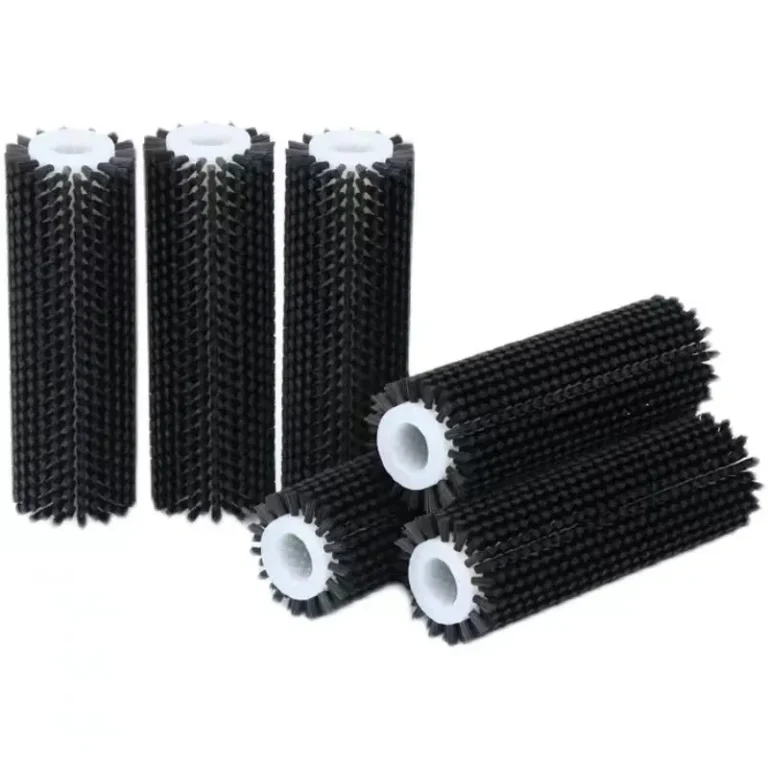
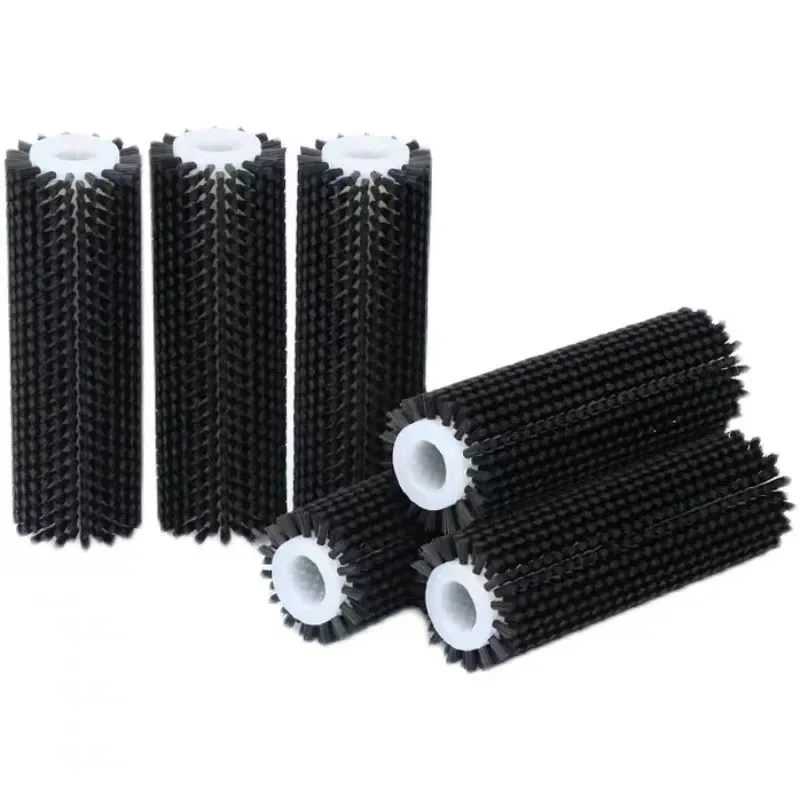
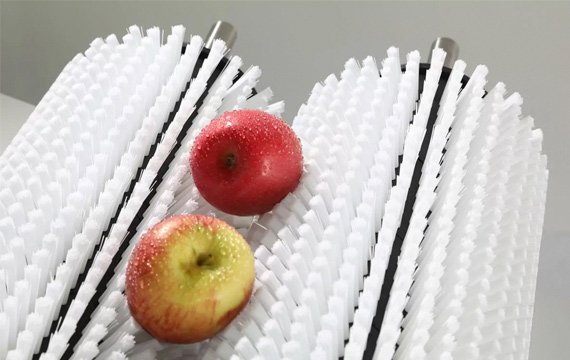
The cylinder brush operates on a straightforward principle. Produce passes along a conveyor while rotating brushes make contact with surfaces from multiple angles. Water jets typically work alongside the brushes to flush away loosened particles.
These systems handle various produce types including potatoes, carrots, apples, and leafy vegetables. The rotation speed and brush density can be adjusted based on product sensitivity. Harder vegetables tolerate more aggressive brushing, while softer items require gentler settings.
Key Components of Washing Systems
A complete vegetable washing line typically includes:
- Intake hopper for loading produce
- Pre-rinse spray station
- Multiple vegetable washing brush stations
- Final rinse section
- Drainage and drying zone
Each component works together to ensure thorough cleaning. The roller brush stations form the core of the system, where actual soil removal occurs.
Brush Material Selection for Food Applications
Material choice significantly impacts cleaning effectiveness and produce safety. Not all bristle materials suit food contact applications.
Material Durability Flexibility Food Safety Best For
- Nylon 6.12 High Medium Excellent Root vegetables
- Polypropylene Medium High Good Soft fruits
- Natural fiber Low High Excellent Delicate produce
- Nylon 6.6 Very High Low Excellent Heavy-duty cleaning
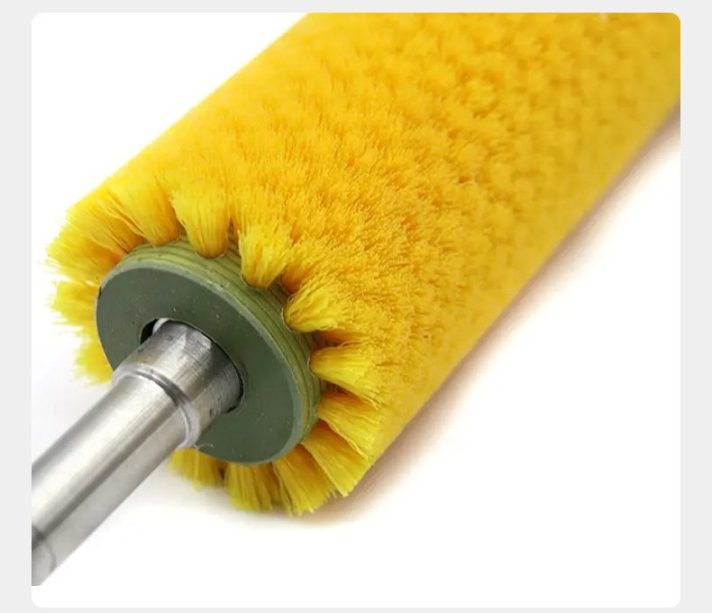
The Nylon Wire Brush style continues to be commonly employed for firm vegetables. Nylon is resistant to most chemicals, so this type of brush is ideal when cleaning/sanitizing is required. These brushes can safely endure repeated sanitizing without failure or wearing out.
For applications requiring chemical resistance and longevity, exploring various food cleaning brush options helps identify the optimal solution.
Applications Beyond Produce Washing
Versatility in Food Processing
While vegetable cleaning represents a primary use case, these brush systems serve other purposes. The same cylinder brush technology works for:
- Egg cleaning and grading lines
- Seafood processing
- Meat surface cleaning
- Packaging line sanitation
The Roller Sweeper Brush design also finds application in keeping processing floors clean. Debris control throughout the facility prevents cross-contamination between processing stages.
Conveyor Integration
Effective processing requires seamless conveyor integration. The conveyor belt cleaning brush plays a vital role here, ensuring belts remain free from buildup that could contaminate subsequent batches. Regular belt cleaning extends equipment life and maintains hygiene standards.
Factors When Selecting Vegetable Washing Equipment
Procurement teams should evaluate several factors before purchasing:
Production Volume Requirements
Daily throughput determines brush size and system configuration. Small operations might need only single-brush units. Large facilities often require multi-stage systems with redundant capacity.
Produce Characteristics
Different vegetables demand different approaches:
- Root vegetables: Firmer bristles, higher rotation speeds
- Leafy greens: Gentle brush action, bubble washing combination
- Fruits: Soft bristles, careful pressure control
Understanding these differences ensures equipment matches actual processing needs. A vegetable washing brush designed for potatoes would damage tomatoes.
Sanitation Requirements
Food safety regulations vary by region and product type. Equipment must allow thorough cleaning and sanitization between production runs. Brush designs that permit easy removal and replacement simplify this process.
Maintenance Best Practices
Proper maintenance extends equipment life and ensures consistent performance. Facilities should establish regular inspection schedules.
Recommended maintenance tasks include:
- Daily visual inspection for bristle wear
- Weekly deep cleaning of brush cores
- Monthly assessment of rotation mechanisms
- Quarterly replacement planning based on wear patterns
Worn bristles reduce cleaning effectiveness. They may also shed particles that contaminate produce. Replacing brushes before complete wear-out prevents these issues.
Industry Trends and Innovations
The food cleaning brush sector continues evolving. Recent developments include antimicrobial bristle treatments that inhibit bacterial growth between sanitization cycles. Variable-speed drives now allow real-time adjustment based on production flow rates.
Sustainability concerns have also driven innovation. Some manufacturers now offer brushes with recycled bristle materials that maintain food-grade compliance. These options appeal to facilities pursuing environmental certifications.
Frequently Asked Questions
Q1: What brush diameter works best for potato washing?
Potato washing machines typically use Potato Peeling Brushes with diameters of 200-300 mm; this size allows for sufficient contact area with sufficient contact points that are compatible with standard processing lines.
Q2: How frequently should you change the vegetable brushes for industrial use?
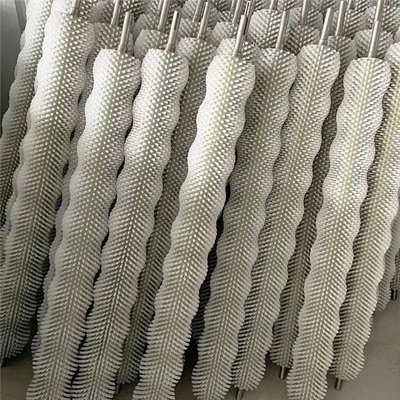
The frequency of replacement depends on how much use the brush will see – for example, if it’s used in a facility that processes a very high volume of vegetables, they will typically change the brushes after every 3-6 months. It’s recommended to frequently inspect brushes to determine the best time to replace them.
Q3: Will one type of brush be able to clean all types of vegetables?
Medium-density nylon brushes can adequately perform on multiple vegetable types; however, dedicated brushes for each product will provide a superior result and help eliminate the chances of cross-contamination between products.