The quality of road maintenance depends heavily on the tools used, yet not all surfaces are created equal. Many fleet operators experience inconsistent cleaning performance and premature wear because they utilize the same bristle pattern across diverse terrains. A high-performance sweeper roller brush only functions at peak capacity when the brush style is precisely matched to the road profile. Achieving this balance requires understanding how bristle material, stiffness, and diameter interact with surface texture and debris type.
Why Surface Type Matters More Than Most Operators Think
Choosing a street sweeper brush often feels like a one-size-fits-all decision, but this assumption leads to high operational costs. A rough, abrasive surface will wear down a soft bristle in a fraction of its intended lifespan. Conversely, using stiff, heavy-duty bristles on smooth surfaces often results in the brush sliding over fine sand rather than collecting it. By selecting bristles that match your specific route, operators can significantly optimize cost per kilometer and cleaning efficiency. For those managing road maintenance, our guide on sweeper brushes selection and maintenance provides deeper insights into these operational dynamics.
Bristle Material Options and Their Properties
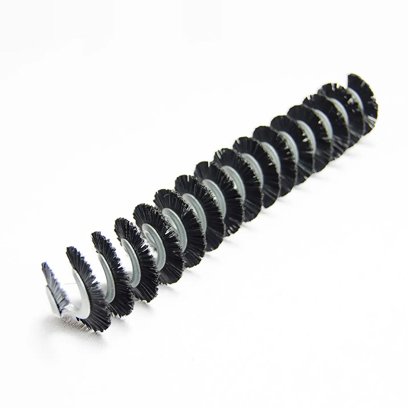
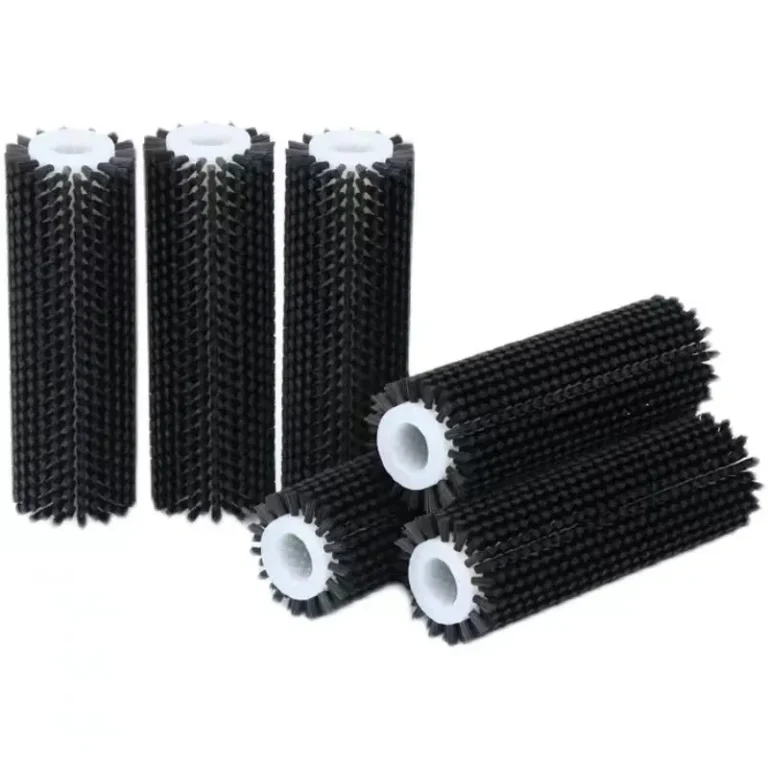
There are three primary materials used in industrial sweeper roller brush applications. Each offers distinct mechanical properties that determine overall performance:
Polypropylene Bristles
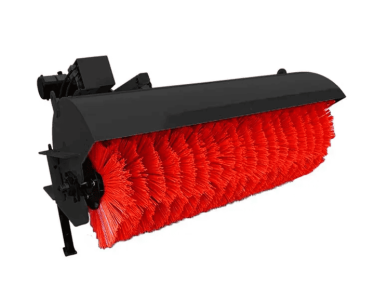
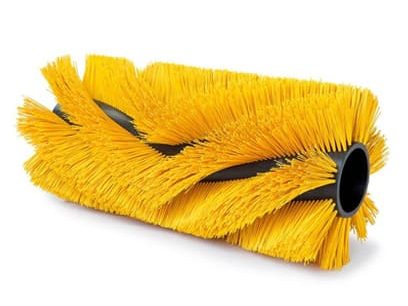
Polypropylene is the industry standard for municipal sweeping. These bristles offer moderate flexibility and excellent resistance in wet conditions.
- Best for: Asphalt roads, parking lots, and paved urban streets.
- Effectiveness: Ideal for sand, leaves, light gravel, and general litter.
- Advantage: Lower cost per unit compared to wire or hybrid configurations.
Steel Wire Bristles
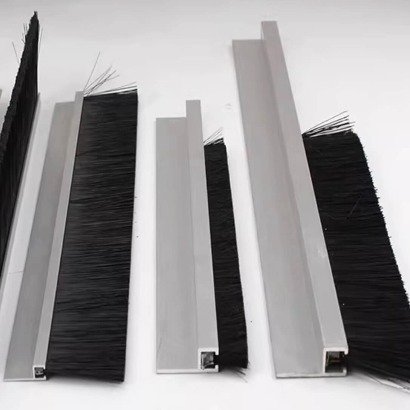
Wire filaments provide the aggressive action required for heavy-duty cleanup. They are the preferred choice when dealing with compacted, frozen, or embedded debris.
- Best for: Concrete roads, industrial yards, and construction sites.
- Effectiveness: Removes packed dirt, ice, and heavy grit.
- Advantage: Significantly longer service life on highly abrasive surfaces.
Mixed (Poly + Wire) Bristles
Mixed-filament brushes combine both materials in alternating segments. This hybrid approach offers a balance between aggressive scrubbing and surface protection.
- Best for: Varied routes where switching brushes is impractical.
- Advantage: Provides consistent, all-around performance across mixed surfaces.
Matching Bristle Type to Road Surface
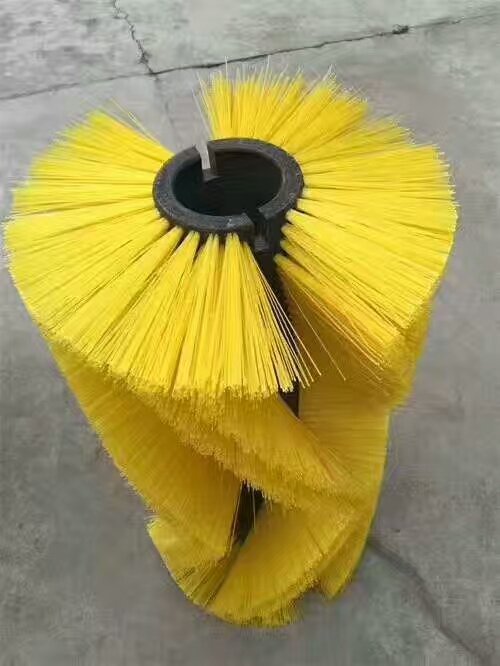
The following table serves as a reference for matching materials to common operational environments:
| Road Surface | Recommended Bristle | Debris Type | Wear Rate |
| Smooth Asphalt | Polypropylene | Sand, leaves | Moderate |
| Rough Asphalt | Mixed (Poly/Wire) | Gravel, packed dirt | Moderate-High |
| Concrete (Smooth) | Polypropylene | Packed dirt | Moderate |
| Concrete (Textured) | Steel Wire | Packed dirt | Low |
| Paver Blocks | Mixed (Poly/Wire) | Sand, weeds | High |
| Industrial Yard | Steel Wire | Metal shavings | Low |
Fleet managers operating a Tractor Sweeper Brush often find that a mixed-filament configuration offers the best compromise. For those focused on tractor-mounted solutions, understanding the benefits of tractor sweeper brush is essential for optimizing road cleaning workflows.
Bristle Diameter and Stiffness: The Overlooked Variable
Beyond material, bristle diameter directly dictates stiffness. A thicker filament provides more aggressive cleaning, while thinner filaments offer gentle sweeping.
- Thin (0.8–1.0 mm): Gentle sweeping for smooth surfaces.
- Standard (1.0–1.4 mm): General-purpose municipal cleaning.
- Thick (1.5–2.0 mm): Industrial-strength scrubbing on rough surfaces.
Specifying the correct diameter as your primary roller cleaning brush component can extend service life by up to 30%, as noted in our comprehensive analysis of what are sweeper brushes used for.
FAQ
Is one brush type suitable for all road surfaces?
No. While mixed brushes are versatile, dedicated bristles perform better. Uneven wear or poor pickup are clear indicators that your brush doesn’t match the surface.
When should I switch to a steel wire bristle?
Switch to wire when dealing with packed dirt, ice, or abrasive concrete. Avoid wire on smooth, sealed asphalt to prevent potential surface scuffing or damage.
How do I know if my brush is wearing out prematurely?
If your sweeper roller brush shows uneven wear patterns, excessive bristle breakage, or leaves debris behind, it is likely not optimized for your specific road conditions.