In urban roads, industrial plants, airport runways and other places, the efficient operation of cleaning equipment is inseparable from a key accessory – the sanitation brush. Whether it is a push-type sweeper, a large road sweeper, or an automated cleaning robot, different types of cleaning equipment need to be matched with a dedicated sanitation brush to ensure the cleaning effect and machine life. This article will deeply analyze the application scenarios, equipment matching and purchase points of sanitation brushes to help you have a more comprehensive understanding of this core accessory.
1. Main types of sanitation brushes and application equipment
Sanitation brushes are mainly divided into the following categories according to their shape, material and function:
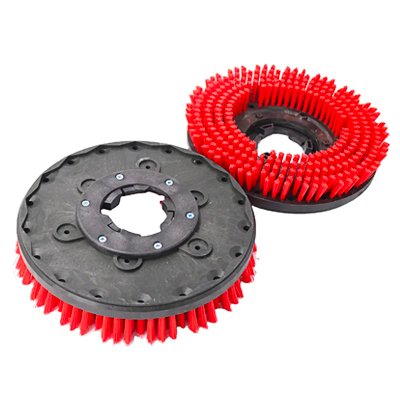
(1) Disk Sweeper Brush
Applicable equipment: push-type sweeper, small electric sweeper, industrial sweeping robot
Features: Usually uses nylon or steel wire mixed bristles, installed on a rotating disk, suitable for hard floors (such as cement, asphalt, tiles, etc.).
Advantages: fast rotation speed, high cleaning efficiency, especially suitable for removing stubborn stains and fine particles.
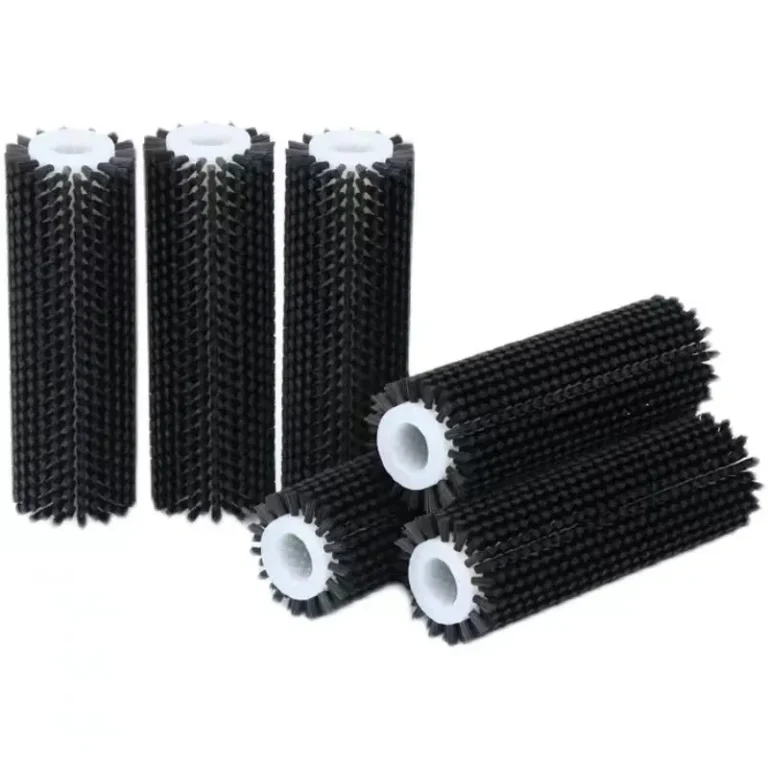
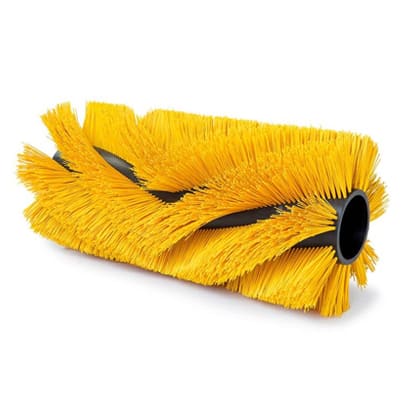
(2) Roller Sweeper Brush
Applicable equipment: large road sweepers, airport runway sweepers, industrial vacuum trucks
Features: cylindrical design, high bristle density, can adapt to uneven ground, such as sand, mud, fallen leaves, etc.
Advantages: large coverage area, suitable for large area cleaning, and adjustable height to adapt to different ground conditions.
(3) Side Brush
Applicable equipment: self-driving sweeping robot, street sweeper
Features: usually long or conical, installed on both sides of the equipment, used to sweep edge garbage into the main brush range.
Advantages: enhance corner cleaning ability and improve overall cleaning coverage.
Keyword integration:
Choosing a suitable sweeper brush is crucial to equipment performance.
When the original brush is worn, a sweeper replacement brush can be used to extend the life of the equipment.
2. Application scenarios of sanitation brushes in different industries
The application of sanitation brushes is not limited to traditional cleaning equipment, but also plays an important role in many industries:
(1) Municipal sanitation: road sweepers and street maintenance
Large roller sweeper brushes are used to remove fallen leaves, gravel and snow to ensure clean urban roads.
Some high-end sweepers use disk sweeper brushes to improve cleaning accuracy and reduce dust.
(2) Industrial field: factory and warehouse cleaning
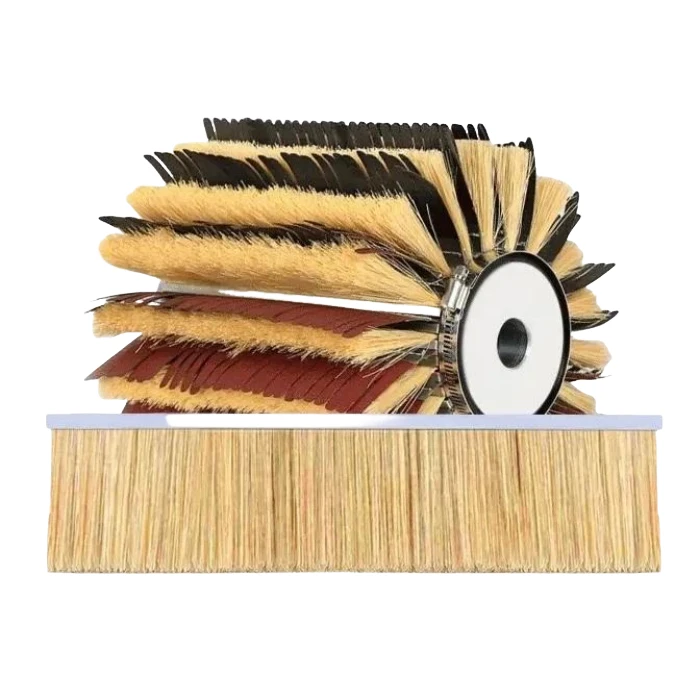
Industrial sweepers are usually equipped with wear-resistant sweeper brushes to deal with stubborn stains such as metal chips and oil stains.
Food processing plants may use antibacterial bristles to prevent bacterial growth.
(3) Airports and logistics centers: efficient cleaning to ensure safety
Airport runway sweepers use high-strength sweeper replacement brushes to ensure that there are no gravel or metal foreign objects that affect aircraft takeoff and landing.
Logistics storage centers use automated sweeping robots with side brushes to improve cleaning efficiency.
Unique viewpoint:
In the future, with the popularization of AI cleaning robots, the intelligence of sanitation brushes (such as automatic pressure adjustment and wear detection) will become a new trend.
3. How to choose a suitable sanitation brush? Analysis of key factors
When purchasing a sanitation brush, you need to consider the following factors:
(1) Bristle material
Nylon bristles: wear-resistant, economical, suitable for general cleaning.
Wire mixed bristles: suitable for stubborn stains, but may damage sensitive floors.
Polyester fiber bristles: soft and durable, suitable for high-end places (such as shopping malls and hospitals).
(2) Equipment compatibility
Make sure the size and installation method of the sweeper brush match the equipment to avoid affecting operating efficiency.
Some brands provide universal models of sweeper replacement brushes that can be adapted to a variety of models.
(3) Use environment
Rust-proof brush holders (such as stainless steel) should be selected in humid environments.
It is recommended to choose thickened bristles in high-wear scenarios to extend the replacement cycle.
Keyword integration:
For heavy equipment, the durability of the roller sweeper brush is crucial.
Regularly replace the disk sweeper brush to maintain the best cleaning effect.
4. Future development trend of sanitation brushes
With the advancement of cleaning technology, sanitation brushes are also constantly innovating:
Intelligent monitoring technology: Some high-end brushes are equipped with sensors to monitor wear in real time and remind replacement.
Application of environmentally friendly materials: Degradable bristles, recycled nylon and other materials will become more popular, reducing environmental burden.
Modular design: Quickly replace brush heads, improve maintenance efficiency, and reduce downtime.
Summary: Sanitation brushes-the core “weapon” of cleaning equipment
As a key component of various cleaning equipment, sanitation brushes (sweeper brushes) directly affect the cleaning effect and equipment life. Whether it is a disk sweeper brush, roller sweeper brush, or sweeper replacement brush, choosing a suitable brush must be combined with equipment type, usage scenario and material requirements. In the future, with the development of intelligence and environmental protection, sanitation brushes will further improve cleaning efficiency and become the “invisible guardian” of urban and industrial cleaning.
If you are looking for a suitable sanitation brush, it is recommended to consult a professional supplier to ensure matching and durability, so that cleaning work can be done with half the effort!