The efficiency of production lines in food processing is dependent on small details in the high-stakes world of industrial food processing. A very important detail is the hardness of the bristles used in the vegetable brush; your choice of soft, medium, or stiff/flexible bristles has a direct effect on product yield, compliance with hygiene standards, and equipment service life. Thus, procurement managers and plant engineers should be aware of how bristle tension interacts with product surface tension, as this relationship is critical for a high-performing wash line.
Why Bristle Hardness Matters in Food Processing
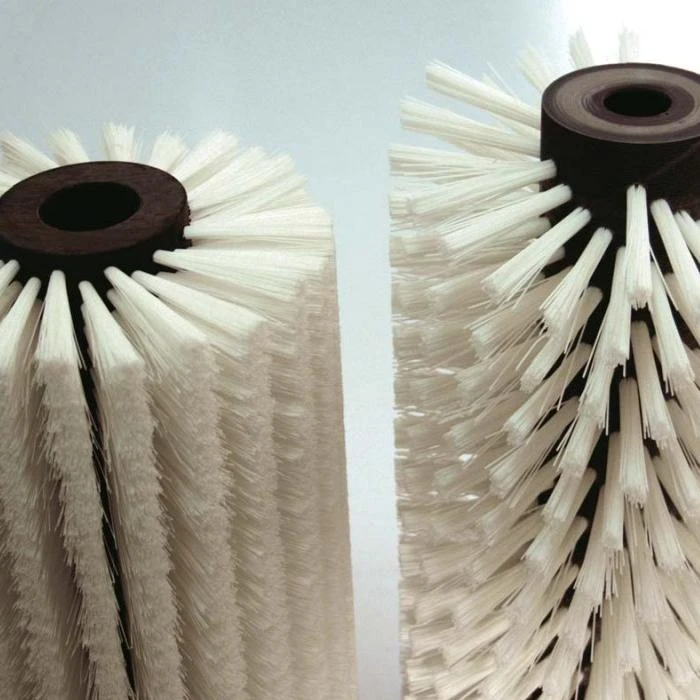
The main reason for using a cleaning brush on vegetables is to help get soil off, along with getting rid of pesticides and organic debris, while also keeping the fruit/vegetable intact. If the bristles are too soft, it will not be possible to thoroughly clean, and there will still be some potential for microbial contamination remaining on the produce. If they are too stiff, it will cause micro-abrasions in the skin of the vegetable and result in more rapid spoilage, thus reducing the market value of the produce.
It has been observed within the industry that the practice of selecting brushes using a “one size fits all” method tends to incur additional expense for the end user. When bristle specs are optimized, facilities receive a much more consistent performance from their brushes and it results in being able to use the appropriate type of vegetable brush for kitchen sanitary cleaning or large-scale vegetable processing operations.
Categorizing Bristle Stiffness by Application
Different crops require different levels of mechanical agitation. A systematic approach to selecting the right vegetable brush involves analyzing the skin toughness of the produce.
Soft Bristles for Delicate Produce
Produce with thin skins such as tomatoes, peppers and certain fruits can generally be safely cleaned using soft, synthetic fibers which typically have diameters ranging from 0.1 millimeters to 0.2 millimeters, as they produce sufficient friction to remove surface films without causing damage to the skin. To ensure that produce is “retail-ready,” it is important to utilize a specialty food cleaning brush designed specifically for gentle handling of foods.
Medium to Stiff Bristles for Root Vegetables
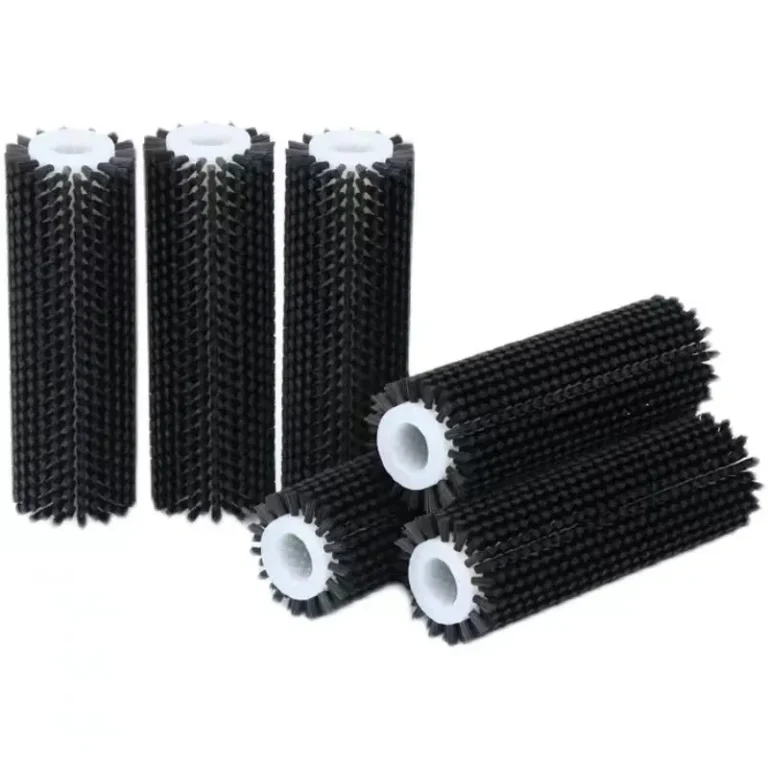
Root crops like carrots, potatoes, and beets demand a more aggressive approach. Stiffer bristles, often made from high-grade Nylon or PBT, are necessary to scrub away compacted earth. Utilizing a high-quality roller brush with stiff bristles allows for deep cleaning in the grooves and “eyes” of root vegetables, which is critical for meeting stringent export standards.
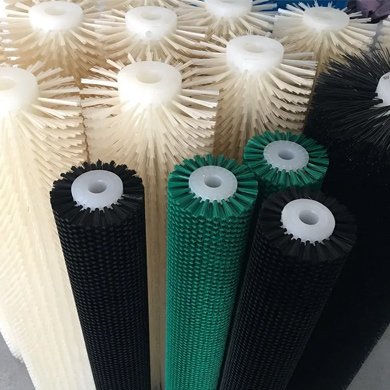
Technical Comparison: Bristle Materials and Hardness
The following table outlines the common materials used in industrial brush manufacturing and their typical applications regarding hardness.
| Material Type | Hardness Level | Key Characteristic | Best For |
| Nylon 6.6 | Medium to High | Excellent recovery and abrasion resistance. | Carrots, Potatoes, Beets |
| Polypropylene (PP) | Medium | Moisture resistant and cost-effective. | General leafy green cleaning |
| PBT | Soft to Medium | High chemical resistance; low water absorption. | Fruits and tender vegetables |
| Stainless Steel | Very High |
Aggressive cleaning; non-corrosive. |
Industrial equipment de-scaling |
The Engineering Behind the Roller Cleaning Brush
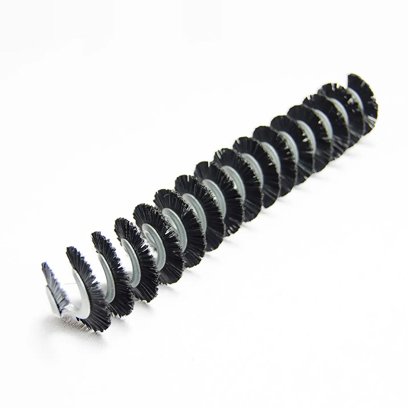
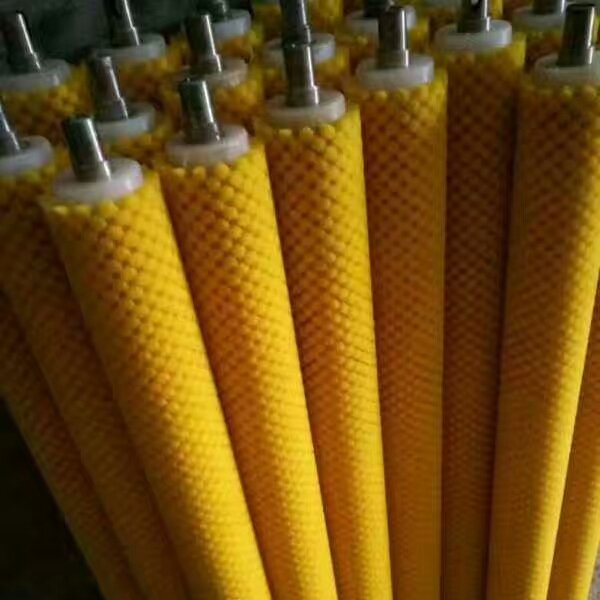
In large-scale automated lines, the roller cleaning brush is the workhorse of the sanitation department. These brushes are typically constructed by wound strip brushes or stapled tufts on a core. The hardness must be balanced across the entire length of the roller to ensure even pressure.
When searching for the vegetable cleaning brush product that fits your machinery, consider the following engineering factors:
Fill Density: Higher density increases the perceived stiffness and cleaning power.
Trim Length: Shorter bristles are stiffer, while longer bristles offer more flexibility for irregular shapes.
Core Diameter: A larger core provides more torque for heavy-duty scrubbing.
Understanding how to choose a vegetable cleaning brush requires a deep dive into these mechanical variables to ensure the equipment operates at peak efficiency.
Long-term ROI of Premium Bristle Selection
Investing in the correct bristle hardness isn’t just about the immediate cleaning results; it’s about the total cost of ownership. Industry experts have noted that using a properly specified vegetable brush leads to:
Reduced Water Waste: Efficient scrubbing requires less rinse water.
Lower Energy Consumption: Optimized friction reduces the load on the motor.
Extended Brush Life: Preventing “flicking” or permanent deformation of bristles.
By recognizing the vegetable cleaning brush benefits beyond simple aesthetics, businesses can justify the investment in high-quality, customized industrial brushes.
Maintenance Tips for Industrial Brushes
To keep your cleaning line running smoothly, follow these maintenance steps:
Regularly inspect for bristle fatigue or matting.
Ensure the pH levels of cleaning chemicals are compatible with the bristle material.
Rotate the direction of the brushes periodically to ensure even wear.
Conclusion
Using the appropriate bristle hardness for your vegetable brush is critical for the correct preparation of each item you are preparing to consume. How well you are able to clean the technical quality of the produce you are preparing to cook will be influenced by how you use your vegetable brush’s hardness. Selecting the proper bristle hardness when working with your vegetable brush means you will be able to clean the different vegetable products in the proper way in terms of both their durability and their ability to be cleaned. Working with bristle manufacturers will allow you to achieve a more efficient, safer and more successful production for your company’s products.
Frequently Asked Questions
Q1: How can I check if my vegetable brush has too much stiffness in its bristles?
If you have observed any examples of peeling skin, bruised areas, or noticeable marks on any vegetables after you have cleaned them, then it is likely that you are using a brush with an undue amount of tension in its bristles compared to the type of produce being cleaned.
Q2: Can I clean vegetables using the same type of roller brush regardless of what sort of vegetable it is?
It would be possible but doing so would be very unwise. Each type of vegetable will require a different level of hardness on a roller brush in order to provide both effective cleansing and to appropriately protect from damage to the produce during the cleaning process.
Q3: How long does an industrial cleaning brush, when used at a high level, last for cleaning food?
On average an industrial cleaning brush will last from 6 to 18 months. An important part of maintaining food quality standards is performing regular inspections of the brush’s quality to prevent any breaking.