Choosing an appropriate vegetable cleaning brush for use in a commercial operation is not easy, but careful assessment of many factors is essential. Businesses and equipment manufacturers are often challenged with obtaining a brush that will provide the best cleaning results and comply with food-safe regulations. By choosing the correct brush, it may significantly enhance your company’s effectiveness, minimize water usage, and prolong the life of the equipment.
Across food processing facilities every day, you will see different vegetables being processed. Each type of vegetable also has different surfaces, soil buildup, and cleaning challenges. By understanding these factors in vegetables, purchasing managers can determine how to best evaluate the vegetable for future purchases and improve their operations.
Why Brush Selection Matters for Business Success
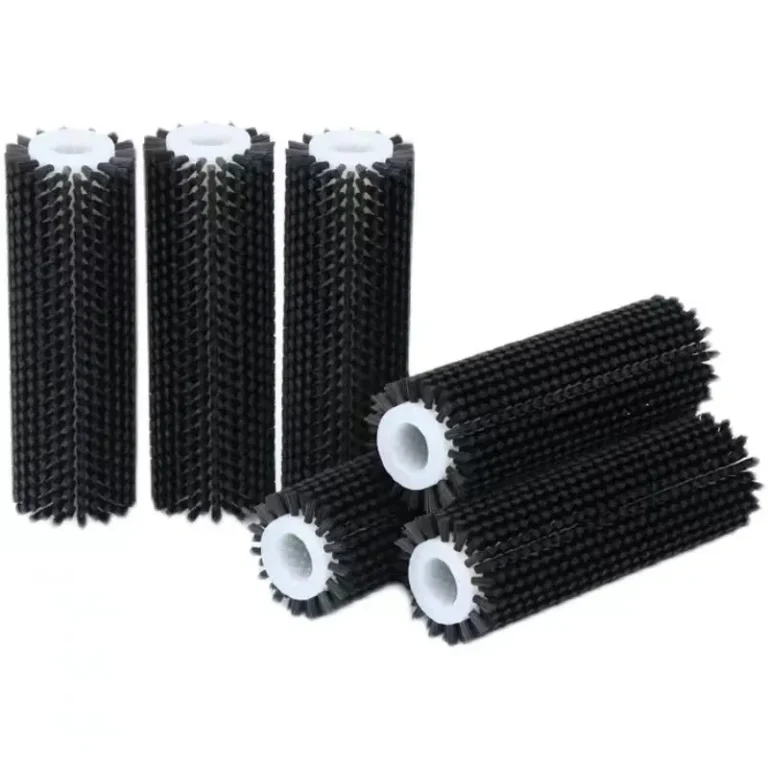
The cylinder cleaning brush serves as a critical component in any vegetable processing line. Poor brush selection leads to several operational problems:
- Inadequate soil removal requiring additional processing passes
- Product damage from overly aggressive bristles
- Frequent replacements increasing operational costs
- Compliance issues with food safety regulations
- Excessive water usage during cleaning cycles
Experienced operators recognize that investing time in proper brush selection pays dividends through improved efficiency and reduced maintenance requirements.
Understanding Bristle Hardness Levels
Bristle hardness represents one of the most important specifications when choosing a vegetable cleaning brush. Different produce types require different levels of cleaning intensity to achieve optimal results without causing damage.
Hardness Selection Guide
| Hardness Level | Shore Hardness | Recommended Produce | Characteristics |
|---|---|---|---|
| Soft | 50HA | Strawberries, tomatoes, delicate fruits | Gentle action, minimal surface contact pressure |
| Medium | 70HA | Apples, cucumbers, peppers | Balanced cleaning, versatile applications |
| Hard | 90HA | Potatoes, carrots, root vegetables | Aggressive soil removal, peeling capability |
Selecting appropriate hardness ensures efficient cleaning while minimizing damage to delicate produce skins. A vegetable brush for safe and effective cleaning must match the specific characteristics of items being processed.
Material Considerations for Commercial Applications
Material selection significantly impacts brush performance and longevity. The best material for vegetable brush applications varies based on processing environment requirements and produce characteristics.
Nylon: The Preferred Choice
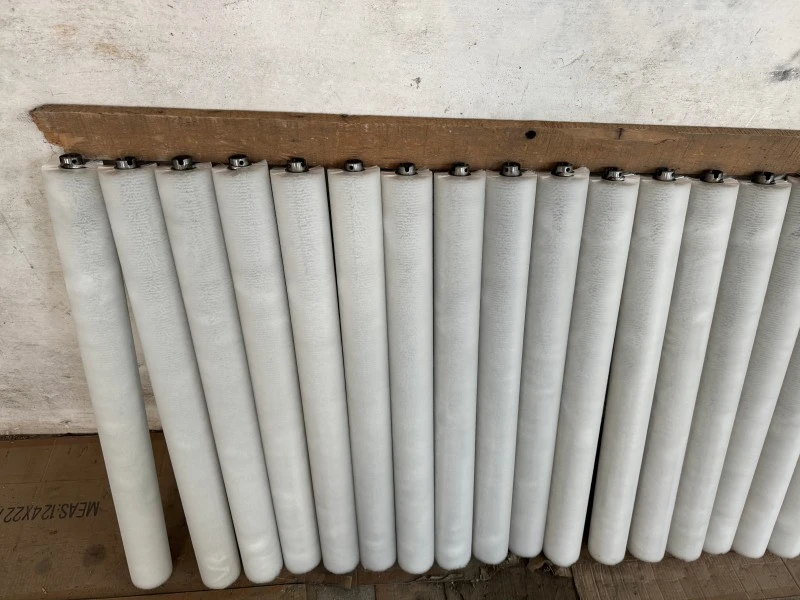
Nylon cleaning brushes dominate commercial food processing for compelling reasons. Their moisture resistance, durability, and food-safe properties make them ideal for continuous wet processing environments. FDA-compliant nylon maintains consistent performance even after extended water exposure.
When comparing nylon natural fibres options, nylon typically offers superior longevity in high-volume operations. Natural fibers may suit specialty applications but generally require more frequent replacement.
Key Material Properties
Businesses should evaluate materials based on:
- Chemical resistance to cleaning agents
- Temperature tolerance for hot water sanitization
- Bristle recovery after compression
- FDA and food contact compliance
- Expected operational lifespan
Sizing and Configuration Options
Proper sizing ensures seamless integration with existing equipment. An industrial roller brush must precisely match machinery specifications for optimal performance.
Diameter and Length Specifications
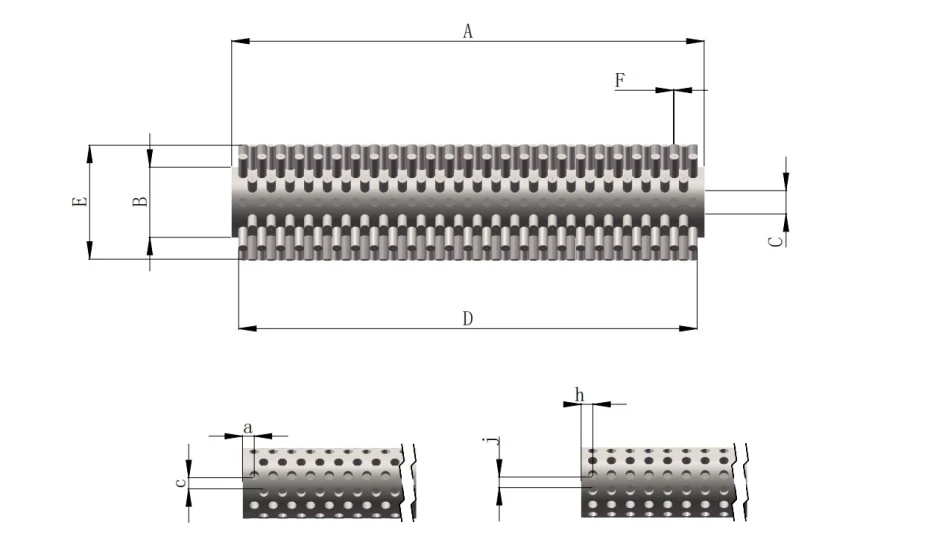
Brush dimensions affect cleaning coverage and pressure distribution. Manufacturers can produce both standard sizes and custom dimensions based on equipment requirements. The cylinder cleaning brush design accommodates various processing line configurations.
Shaft Configuration Options
Modern brush manufacturing offers flexible mounting solutions:
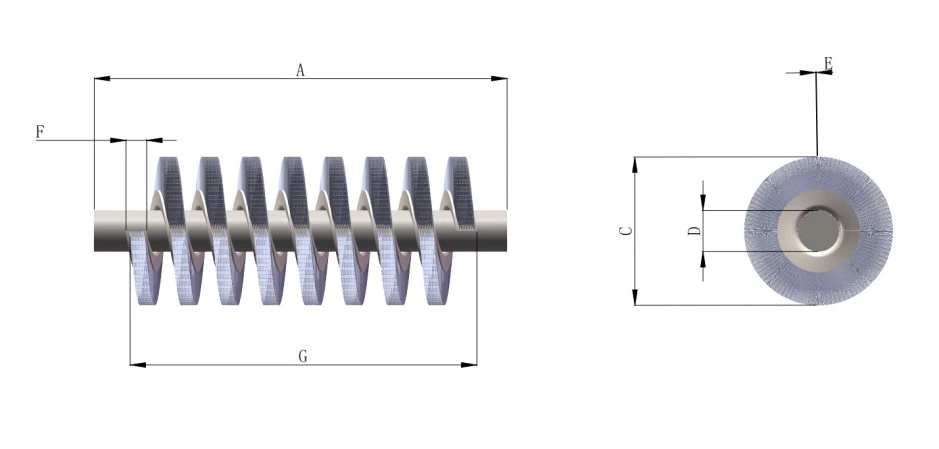
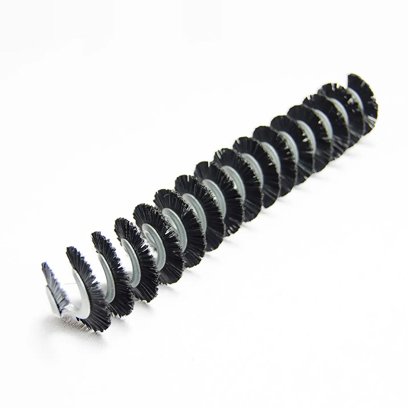
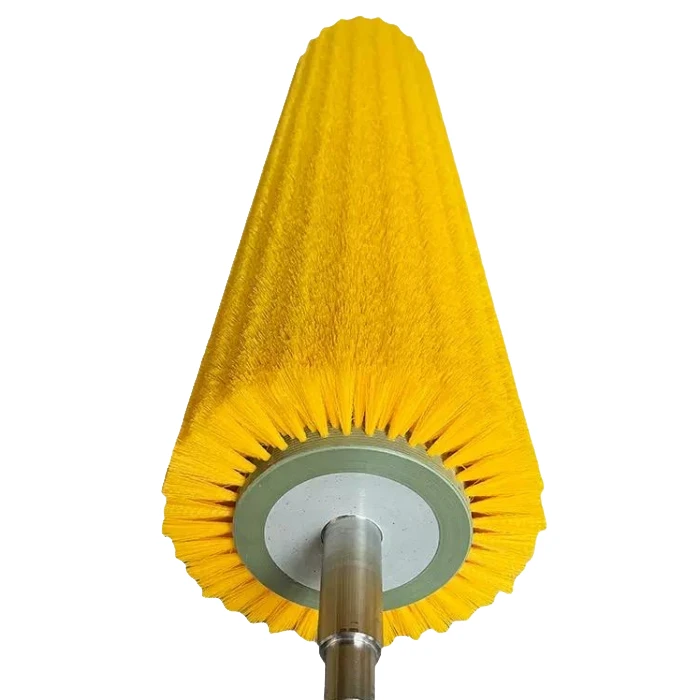
- With integrated shaft – Complete assemblies ready for direct installation, featuring precision-machined shafts matching specific equipment requirements.
- Without shaft (shaft-less) – Brush cores designed for mounting on existing shafts, ideal for equipment retrofits or custom assemblies.
This flexibility allows businesses to specify exactly what their machinery requires without compromising on performance or compatibility.
Application-Specific Recommendations
Different vegetables demand different brush approaches. Understanding vegetable roller brush science helps specify optimal configurations for each application.
Root Vegetables
Potatoes, carrots, and similar root vegetables typically carry significant soil loads. Hard bristle brushes (90HA) effectively remove dirt and can assist with light peeling operations. High bristle density improves cleaning thoroughness on irregular surfaces.
Soft-Skinned Produce
Tomatoes, peppers, and delicate fruits require gentler treatment. Soft bristle options (50HA) clean effectively without damaging tender skins. Lower processing speeds may further protect product quality.
Medium-Hardness Applications
Apples, cucumbers, and similar produce benefit from medium bristle hardness (70HA). This versatile option handles light soil while respecting surface integrity, making it popular for mixed-produce operations.
Evaluating Quality and Performance Factors
The vegetable cleaning brush essential role in food safety and requires attention to quality indicators. Businesses should assess potential products based on several criteria.
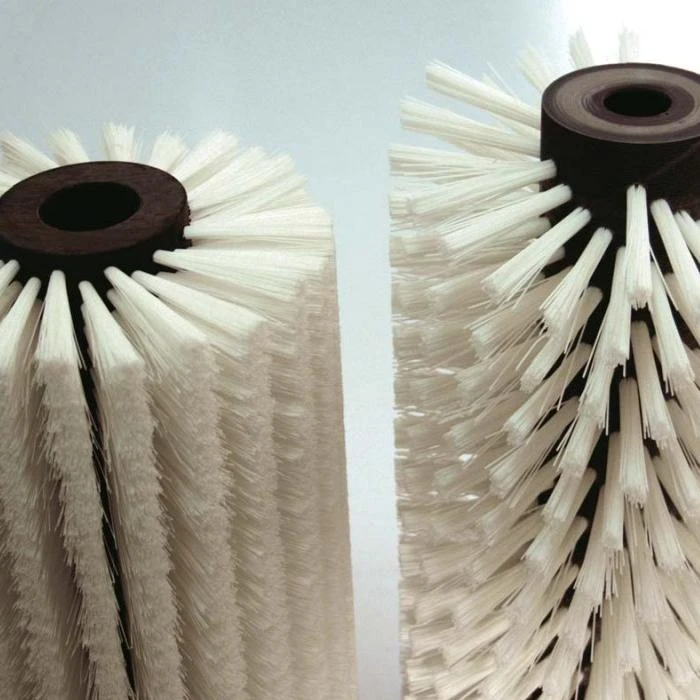
Important quality factors include:
- Bristle retention strength
- Uniform bristle distribution
- Core material durability
- Consistent hardness throughout
- Clean manufacturing processes
Quality brushes optimize hygienic conditions, reduce water consumption, and extend overall equipment lifespan. These benefits justify careful supplier evaluation.
Supplier Partnership Considerations
Long-term supplier relationships provide advantages beyond simple product procurement. Reliable manufacturers offer customization options that address specific operational requirements.
What to Look for in a Supplier
- Custom sizing capabilities for unique equipment
- Multiple material and hardness options
- Quality certifications and compliance documentation
- Technical support for specification development
- Reasonable minimum order quantities
- Consistent lead times and delivery reliability
Manufacturers specializing in food processing brushes understand industry requirements and can recommend solutions based on extensive application experience.
Making Your Final Decision
After evaluating all factors, businesses should follow a systematic selection process:
- Define produce types and processing requirements
- Determine appropriate bristle hardness based on produce characteristics
- Specify dimensions matching equipment specifications
- Select shaft configuration (with or without integrated shaft)
- Request samples for testing under actual conditions
- Evaluate performance before committing to bulk orders
Testing samples in real operating conditions reveals performance characteristics that specifications alone cannot predict. This step prevents costly mistakes and confirms compatibility.
FAQ
Can vegetable cleaning brushes be customized for specific equipment dimensions?
Yes, manufacturers offer complete customization for diameter, length, and shaft specifications. Brushes can be produced with or without integrated shafts to match existing equipment requirements precisely.
What minimum order quantities apply for wholesale vegetable cleaning brush purchases?
Minimum orders typically start from 50-100 pieces depending on specifications. Custom sizes may require higher minimums. Contact manufacturers directly for specific quantity requirements and bulk pricing.
Which industries commonly use commercial vegetable cleaning brushes?
Food processing plants, vegetable packaging facilities, agricultural equipment manufacturers, and commercial kitchen suppliers represent primary markets. These brushes serve any operation requiring efficient produce cleaning at scale.