Selecting the right sweeping brush makes a big difference in industrial and sanitation brush selection. Bristle material, like those found in a disk sweeper brush, roller sweeper brush, or wafer sweeper brush, affects how well sweeping works. People often look at compatibility with cleaning equipment and durability before making a purchase. Environmental concerns matter, too. Daily cleaning needs and specific cleaning requirements guide the best sweeping choice. Advanced features can boost sweeping results and cost-effectiveness in industrial and sanitation brush selection.
Key Takeaways
-
Choose bristle materials based on cleaning needs: nylon for general use, polypropylene for outdoor jobs, steel wire for tough debris, and mixed materials for versatile cleaning.
-
Select brush shapes that fit the job: disk brushes for sidewalks, roller brushes for large areas, side brushes for edges, and wafer brushes for heavy-duty and uneven surfaces.
-
Always check brush size and compatibility with your cleaning equipment to ensure efficient operation and avoid damage.
-
Maintain brushes regularly by cleaning and inspecting them to extend their lifespan and keep cleaning effective.
-
Invest in high-quality brushes to save money over time through longer use and fewer replacements.
-
Consider eco-friendly brushes made from recycled or natural materials to support sustainability without sacrificing cleaning power.
-
Use brushes with safety features and follow proper installation and handling to protect workers and equipment.
-
Explore advanced options like intelligent monitoring and modular designs to simplify maintenance and improve cleaning performance.
Bristle Material
Nylon
Nylon bristles stand out in many industrial and sanitation brush selection processes. They offer a great balance between flexibility and strength. Many cleaning teams choose nylon because it works well on both smooth and rough surfaces. Nylon bristles resist wear and tear, so they last longer than some other materials. They also handle moisture and chemicals without breaking down. This makes them a smart pick for places where spills or wet debris are common.
Nylon brushes deliver reliable cleaning force. They sweep up dust, dirt, and even sticky residues. People often use nylon in warehouses, factories, and parking garages. Nylon bristles do not scratch most floors, so they protect surfaces while cleaning. If a team needs a brush for daily use in different environments, nylon is often the appropriate brush material.
Tip: Nylon bristles work best for general cleaning tasks and areas with mixed debris.
Polypropylene
Polypropylene bristles give users a lightweight and cost-effective option. These bristles resist water and many chemicals, so they do not absorb moisture. Polypropylene brushes work well in outdoor applications, especially where rain or puddles are common. They also handle oily or greasy messes without losing shape.
Polypropylene bristles do not last as long as nylon, but they still offer good value. They provide decent decontamination efficiency, especially on sidewalks, streets, and loading docks. Polypropylene brushes often appear in street sweepers and outdoor cleaning machines. Their lower price makes them a popular choice for large-scale cleaning jobs.
-
Polypropylene bristles resist mildew and bacteria.
-
They suit environments where hygiene matters.
-
These brushes work best on medium to coarse debris.
Steel Wire
Steel wire bristles bring maximum cleaning force to tough jobs. They cut through caked-on dirt, mud, and even light concrete residue. Steel wire brushes work best in heavy-duty applications, such as construction sites and industrial plants. They handle abrasive debris that would quickly wear down softer bristles.
Steel wire bristles offer high quality and durability. They last longer in harsh environments, but they can scratch delicate surfaces. Teams should use steel wire only on surfaces that can handle aggressive scrubbing. These brushes help boost cleaning efficiency when other materials fall short.
Note: Always check the surface before using steel wire bristles to avoid unwanted damage.
Mixed Materials
Mixed material brushes bring together the strengths of different bristle types. Many cleaning teams choose these brushes for their flexibility and performance. By combining materials like nylon and steel wire, manufacturers create brushes that handle a wide range of cleaning tasks. This approach gives users the best of both worlds—gentle cleaning and tough scrubbing.
People often see mixed material brushes in places with changing cleaning needs. For example, a warehouse might have both smooth floors and rough loading docks. A brush with both nylon and steel bristles can sweep dust from polished surfaces and remove stuck-on debris from concrete. This kind of multi-purpose use saves time and money. Teams do not need to switch brushes for every job.
Mixed material brushes shine in environments where debris types change often. They adapt to new challenges without missing a beat.
Here are some common combinations and their benefits:
-
Nylon and Steel Wire: This mix works well for sweeping both fine dust and heavy dirt. Nylon bristles protect delicate surfaces, while steel wire tackles stubborn grime.
-
Polypropylene and Nylon: These brushes resist water and chemicals. They suit outdoor applications where weather and spills are common.
-
Natural Fibers and Synthetics: Some brushes blend plant-based fibers with plastics. This combination offers a balance between eco-friendliness and durability.
A table can help compare the main features:
|
Material Mix |
Best For |
Durability |
Surface Safety |
|---|---|---|---|
|
Nylon + Steel Wire |
Mixed debris, rough floors |
High |
Medium |
|
Polypropylene + Nylon |
Wet areas, outdoor cleaning |
Medium |
High |
|
Natural Fiber + Synthetic |
Light debris, eco-conscious use |
Medium |
High |
Mixed material brushes also support multifunctionality. One brush can handle several cleaning tasks, which makes them popular in industrial and sanitation brush selection. Teams can clean more efficiently and reduce equipment costs.
People should check the brush’s compatibility with their sweeper before buying. Some machines need specific brush types or sizes. Mixed material brushes come in many shapes, so finding the right fit is easy.
Tip: For facilities with many cleaning zones, mixed material brushes offer the most value and flexibility.
Brush Shape and Size
Disk Sweeper Brush
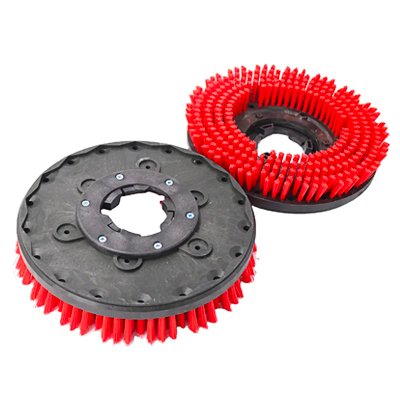
The industrial disk brush stands out as a top choice for many street cleaner brushes. This brush features a round, flat shape that spins quickly to sweep debris from hard surfaces. Teams often use the industrial disk brush for sidewalks, parking lots, and city streets. It works well for both light dust and heavier dirt. The industrial disk brush offers strong efficient cleaning ability, especially when paired with the right bristle material.
People like the industrial disk brush because it reaches into corners and along curbs. The spinning motion helps lift debris that other brushes might miss. Many street cleaner brushes use the industrial disk brush for this reason. It also handles different debris types, from leaves to gravel. This versatility in applications makes it a favorite for urban sanitation crews.
Tip: The industrial disk brush works best for sweeping flat surfaces and tight spaces. It keeps sidewalks and curbs looking clean.
Roller Sweeper Brush
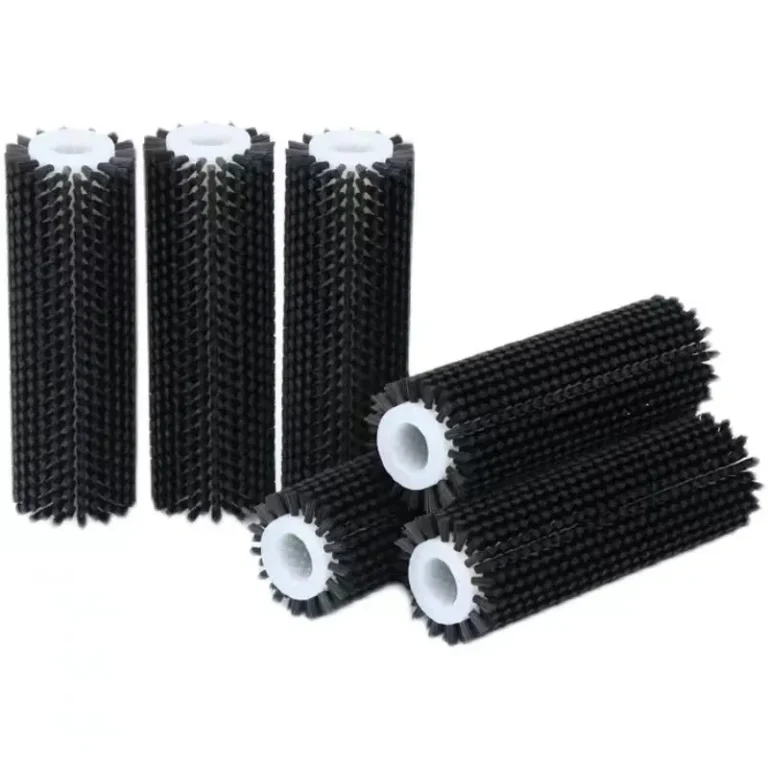
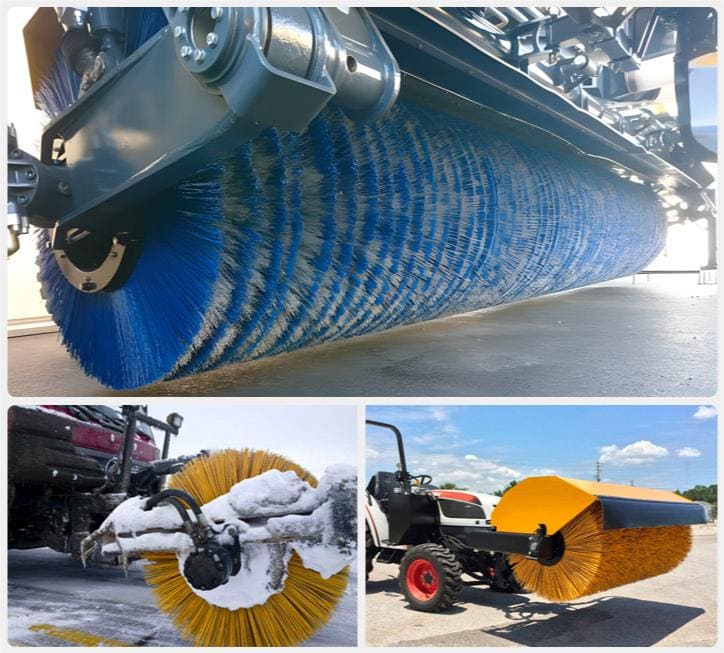
The roller sweeper brush, sometimes called a cylindrical brush, covers large areas fast. This brush looks like a long cylinder and rotates to sweep debris into a collection bin. Many teams use the roller sweeper brush for warehouses, roads, and industrial sites. It handles both fine dust and larger debris with ease.
An industrial disk brush can work alongside a roller sweeper brush for even more efficient cleaning. The roller sweeper brush shines when cleaning wide, open spaces. It keeps the process quick and thorough. Many street cleaner brushes use a roller sweeper brush to clear roads after storms or construction.
A table can help compare the main uses:
|
Brush Type |
Best For |
Debris Type |
|---|---|---|
|
Industrial disk brush |
Sidewalks, curbs |
Light to heavy |
|
Roller sweeper brush |
Roads, warehouses |
Fine to large |
Side Sweeper Brush
The side sweeper brush plays a key role in street cleaner brushes. This brush sits on the side of the machine and sweeps debris away from edges and gutters. The side sweeper brush works well for cleaning along curbs, medians, and tight corners. It pushes debris toward the center, where the main sweeping brush collects it.
Many teams rely on the side sweeper brush for efficient cleaning in busy city areas. It helps street cleaner brushes reach spots that other brushes cannot. The side sweeper brush also works well with a road sweeping brush, making sure no debris gets left behind.
People choose the side sweeper brush for its ability to handle different surfaces. It works on asphalt, concrete, and even cobblestones. The side sweeper brush supports efficient cleaning by reaching every edge.
Note: For the best results, match the side sweeper brush and road sweeping brush to the type of debris and surface. This ensures thorough sweeping every time.
Wafer Sweeper Brush
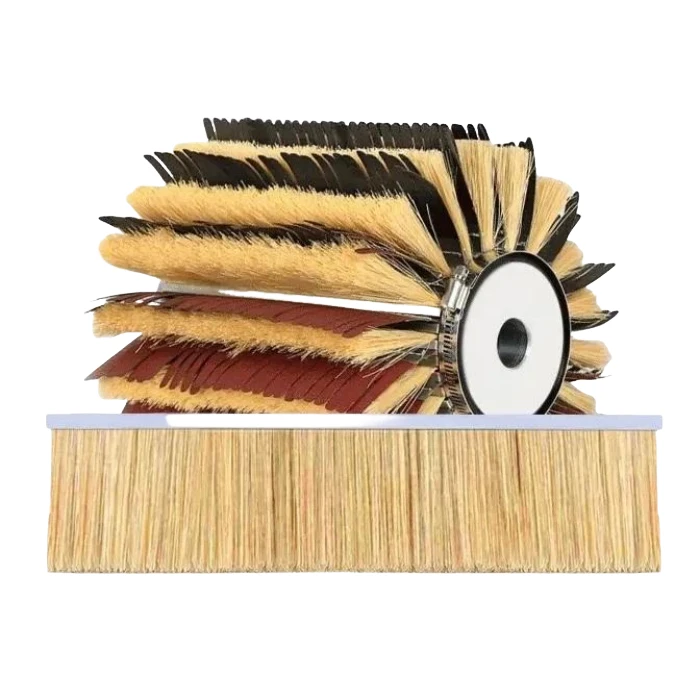
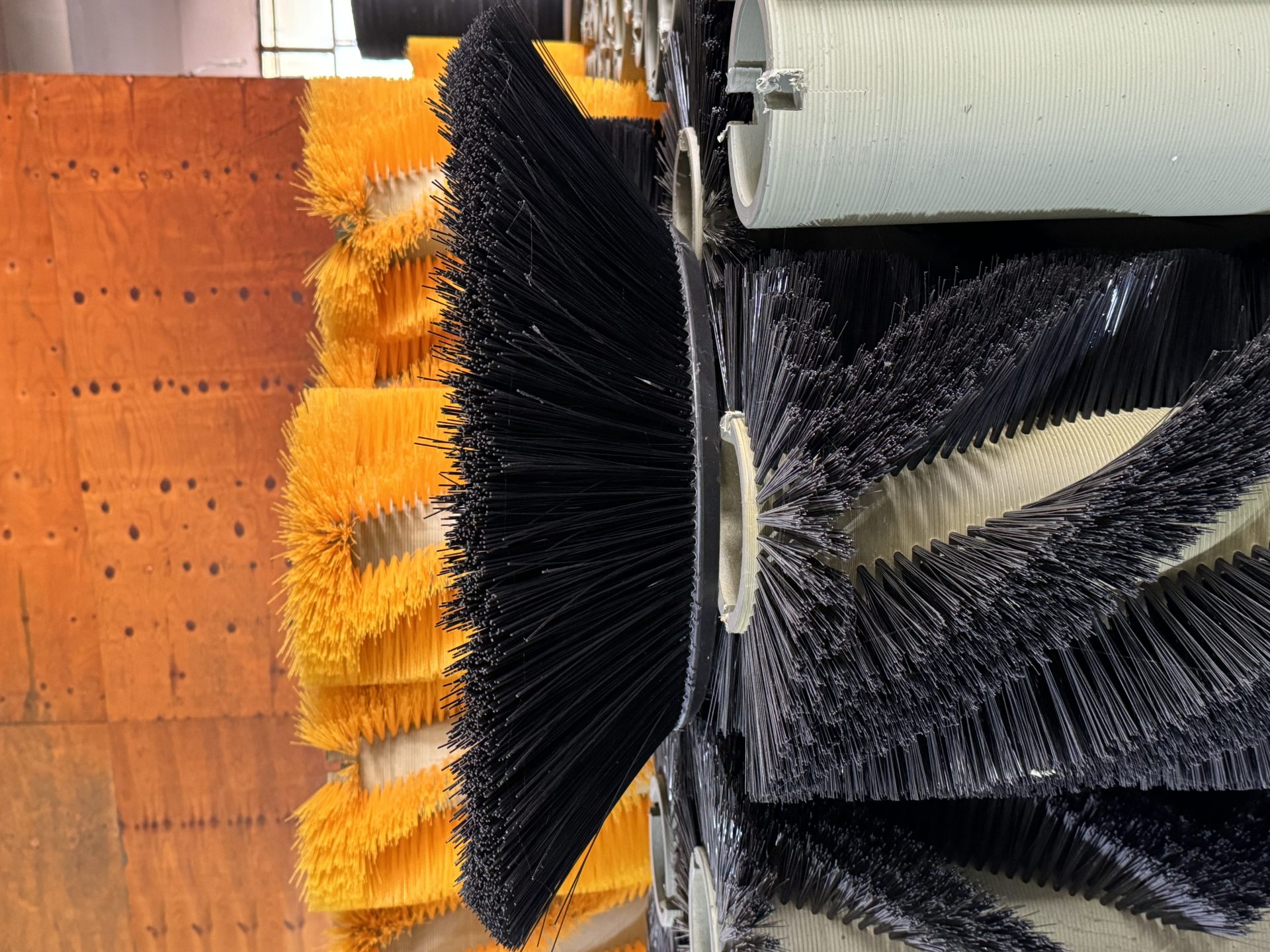
The wafer sweeper brush stands out as a reliable choice for heavy-duty cleaning in industrial and urban environments. This brush features a unique design with thin, circular wafers stacked together on a core. Each wafer can have different bristle materials, such as nylon, polypropylene, or steel wire. This flexibility allows teams to customize the brush for specific cleaning tasks.
Many street cleaner brushes use wafer sweeper brushes for their ability to tackle tough debris. These brushes work well on roads, parking lots, and construction sites. The stacked wafers create a dense brushing surface that sweeps up gravel, sand, and even compacted dirt. When a city needs to clear winter sand or leaves from streets, the wafer sweeper brush gets the job done quickly.
Operators like wafer sweeper brushes because they are easy to maintain. When a section wears out, they can replace individual wafers instead of the whole brush. This feature saves time and reduces costs. Teams can also mix different wafer materials on one brush to handle changing debris types. For example, they might use steel wire wafers for stubborn grime and nylon wafers for lighter dust.
Tip: Wafer sweeper brushes work best when matched to the debris and surface. Teams should choose stiffer bristles for rough pavement and softer ones for smoother roads.
The shape of the wafer sweeper brush helps it reach into cracks and uneven surfaces. This makes it a popular choice for street cleaner brushes that need to remove debris from potholes or joints in the pavement. The round, layered design also provides even wear, so the brush lasts longer and delivers consistent results.
Here are some key benefits of wafer sweeper brushes:
-
Easy to customize for different cleaning jobs
-
Simple maintenance with replaceable wafers
-
Strong performance on rough and uneven surfaces
-
Effective for both light and heavy debris
A quick comparison table shows how wafer sweeper brushes stack up against other types:
|
Brush Type |
Best Use |
Maintenance |
Debris Type |
|---|---|---|---|
|
Wafer Sweeper Brush |
Roads, construction |
Replace wafers |
Light to heavy |
|
Disk Sweeper Brush |
Sidewalks, curbs |
Replace brush |
Light to medium |
|
Roller Sweeper Brush |
Warehouses, highways |
Replace brush |
Fine to large |
Street cleaner brushes that use wafer sweeper brushes help cities keep roads safe and clean. They offer a smart solution for areas with changing debris and tough cleaning challenges.
Equipment Compatibility
Choosing the right sweeping brush means more than just picking bristle material or shape. Teams also need to make sure the brush fits their cleaning equipment. A good fit helps the machine work better and keeps surfaces safe. Let’s look at what matters most for equipment compatibility.
Size Fit
Size matters when it comes to sweeping. If the brush is too big, it can jam the machine or miss tight spots. If it’s too small, it leaves dirt behind. Teams should always check the manufacturer’s guide for the correct brush size. Most cleaning equipment comes with a chart or manual that lists the right brush diameter and width.
A quick checklist for size fit:
-
Measure the mounting area on the machine.
-
Check the recommended brush size in the manual.
-
Match the brush width to the area being cleaned.
-
Make sure the bristle length suits the surface type.
Tip: Using the right size brush helps the machine pick up more debris and keeps the motor from working too hard.
Installation
Installing a sweeping brush should not feel like rocket science. Most modern industrial cleaning equipment uses simple mounting systems. Some brushes slide onto a shaft, while others lock in with bolts or clips. Teams should follow the steps in the equipment manual for safe installation.
Here are some steps to make the installation easier:
-
Turn off and unplug the cleaning equipment.
-
Remove the old brush, if needed.
-
Line up the new brush with the mounting points.
-
Secure the brush with the right fasteners.
-
Spin the brush by hand to check for smooth movement.
A smooth installation means less downtime and safer sweeping. If the brush wobbles or feels loose, stop and check the fit again.
Universal vs. Custom
Not all sweeping brushes fit every machine. Some brushes work with many brands and models. These are called universal brushes. They offer flexibility and make it easy to swap brushes between different machines. Universal brushes help teams save money and reduce storage needs.
Custom brushes, on the other hand, are made for specific machines or cleaning jobs. They fit perfectly and often give better sweeping results. Custom options work well for unique surfaces or special debris types.
A table can help compare the two:
|
Brush Type |
Pros |
Cons |
|---|---|---|
|
Universal |
Fits many machines, flexible |
May not fit perfectly |
|
Custom |
Perfect fit, best results |
Higher cost, less flexible |
Note: For most industrial and sanitation brush selection, teams should balance cost, fit, and cleaning needs. Universal brushes work for general sweeping, while custom brushes shine in special situations.
Choosing the right equipment compatibility keeps sweeping efficient and protects both the machine and the surface. Teams that match the right brush to their industrial cleaning equipment see better results and fewer repairs.
Durability and Maintenance
Lifespan
A sweeping brush needs to last through many cleaning cycles. Teams want to get the most out of every brush. The lifespan of a brush depends on the bristle material, the type of debris, and how often the team uses it. High-quality brushes made for heavy-duty sweeping can handle tough jobs without wearing down quickly. Nylon and steel wire bristles usually last longer than softer materials. Mixed material brushes also offer a good balance between durability and flexibility.
Operators should check for signs of wear, like bent or missing bristles. When a brush starts to lose its shape, it cannot sweep as well. Replacing brushes at the right time keeps the cleaning results consistent. A longer lifespan means fewer replacements and less downtime for the team.
Tip: Teams should track how long each brush lasts. This helps them choose the best product quality for their needs.
Maintenance Needs
Keeping a sweeping brush in top shape does not have to be hard. Regular maintenance helps extend the life of the brush and keeps sweeping efficient. Teams should clean the brush after each use to remove stuck debris. They should also inspect the bristles for damage or uneven wear.
A simple maintenance routine might look like this:
-
Remove the brush from the machine.
-
Shake or tap off loose dirt.
-
Rinse with water if needed.
-
Check for broken or bent bristles.
-
Reinstall the brush when it is dry.
Some brushes, like wafer types, allow users to replace only the worn sections. This feature saves money and reduces waste. Teams who follow a regular maintenance schedule see better cleaning results and fewer equipment problems.
Note: Always follow the manufacturer’s instructions for cleaning and storing brushes. This protects both the brush and the machine.
Cost-Effectiveness
Cost matters when choosing a sweeping brush, but teams should look beyond the price tag. A brush with higher product quality may cost more up front, but it often lasts longer and sweeps better. This means fewer replacements and less time spent on repairs. Teams save money in the long run by investing in quality.
A quick table shows how quality affects cost-effectiveness:
|
Brush Type |
Initial Cost |
Lifespan |
Maintenance Needed |
Overall Value |
|---|---|---|---|---|
|
Low-Quality |
Low |
Short |
Frequent |
Low |
|
High-Quality |
Higher |
Long |
Less Frequent |
High |
Heavy-duty sweeping jobs need brushes that can handle tough debris without breaking down. Teams that choose durable brushes spend less on replacements and keep their sweeping machines running smoothly. Quality brushes also help avoid damage to floors and equipment.
Teams who focus on durability and maintenance get the best value from their sweeping program. They keep costs down and cleaning standards high.
Environmental and Safety
Eco-Friendly Materials
Many companies now look for environmentally friendly options when choosing sweeping brushes. They want to meet environmental hygiene requirements and show they care about the planet. Brushes made from environmentally friendly materials, like recycled plastics or natural fibers, help reduce environmental pollution. These materials break down faster and do not add as much waste to landfills. Some manufacturers even use plant-based bristles or recycled cores.
Teams who pick these brushes help protect the environment and support green cleaning programs. They also find that these brushes work well for most sweeping jobs. Choosing eco-friendly products can also improve a company’s image with customers and the community.
Tip: Look for brushes with clear labels showing they use environmentally friendly materials. This makes it easier to meet environmental goals.
Noise and Energy
Sweeping machines can get loud, especially in busy city areas or near schools. High noise levels can bother people and even break local rules. Many new sweeping brushes use special designs to lower noise. Softer bristles and better brush shapes help keep things quiet.
Energy use matters too. Some brushes need less power to spin or push, which saves energy and lowers costs. Teams who use energy-saving brushes help the environment and keep their bills down. They also find that these brushes last longer because the machines do not work as hard.
A quick list of benefits from low-noise and energy-saving sweeping brushes:
-
Less noise in public spaces
-
Lower energy bills
-
Longer machine life
-
Better for the environment
Safety Standards
Safety always comes first in sweeping. Teams must follow strict safety rules to protect workers and the public. Good sweeping brushes meet safety standards for bristle strength and brush design. This helps prevent accidents, like bristles breaking off or brushes coming loose.
Some brushes have extra safety features, such as rounded edges or special coatings. These features help avoid injuries and keep machines running smoothly. Teams should check for safety certifications before buying new brushes.
Note: Always train workers on safe sweeping practices. This keeps everyone safe and helps the team meet environmental and safety goals.
Advanced Features
Intelligent Monitoring
Many modern industrial sweeper brushes now come with intelligent monitoring features. These smart systems help teams track brush performance in real time. Sensors can measure brush wear, rotation speed, and even pressure on the ground. When a brush starts to wear out, the system sends an alert. This helps operators replace brushes before they cause problems.
Intelligent monitoring also helps teams save money. They do not waste brushes by replacing them too early. They avoid costly repairs from using worn-out equipment. Some systems connect to mobile apps or dashboards. Operators can check brush status from their phones or computers.
Tip: Intelligent monitoring makes maintenance easier and helps teams plan ahead. No more guessing when to change a brush!
Here are some benefits of intelligent monitoring:
-
Tracks brush wear and usage
-
Sends alerts for maintenance
-
Reduces downtime and repair costs
-
Improves cleaning results
Modular Design
A modular design means the brush has parts that teams can swap out or replace. This feature makes maintenance simple and fast. If one part wears out, operators only need to change that section. They do not have to buy a whole new brush.
Modular brushes also let teams customize their equipment. They can mix different bristle types or shapes on the same brush core. For example, a team might use stiff bristles in the center and softer ones on the edges. This setup helps tackle different debris in one pass.
A quick table shows the advantages of modular design:
|
Feature |
Benefit |
|---|---|
|
Replaceable sections |
Lower maintenance costs |
|
Customizable layout |
Better cleaning performance |
|
Easy upgrades |
Adapts to new cleaning needs |
Modular brushes help teams save time and money. They also reduce waste, which is good for the environment.
Custom Solutions
Some cleaning jobs need more than standard brushes. Custom solutions let teams order brushes made for their exact needs. Manufacturers can adjust the size, shape, bristle material, or even add special coatings. This helps teams clean unique surfaces or handle unusual debris.
Custom brushes work well for industries with strict rules or special challenges. For example, food factories may need brushes that meet hygiene standards. Construction sites might need extra-strong bristles for heavy dirt.
-
Custom solutions offer:
-
Perfect fit for any machine
-
Special materials for tough jobs
-
Unique shapes for hard-to-reach areas
-
Note: Teams should talk to brush experts when they need a custom solution. The right design can boost cleaning power and save money in the long run.
Street Cleaner Brushes and Urban Sanitation Efficiency
Role in Urban Cleaning
Street cleaner brushes play a huge role in keeping cities clean. They sweep away trash, dust, and leaves from roads and sidewalks. City workers use these brushes every day to keep public spaces safe and pleasant. When people walk or drive through town, they notice clean streets. That clean look comes from regular sweeping with the right street cleaner brushes.
These brushes reach into gutters and corners where other tools cannot go. A road sweeping brush helps remove dirt from cracks and edges. Teams rely on street cleaner brushes to handle everything from small litter to heavy debris. This daily work supports public health and makes neighborhoods more attractive.
City crews trust street cleaner brushes to keep parks, plazas, and busy streets looking their best.
Efficiency Gains
Urban sanitation efficiency depends on how well street cleaner brushes perform. The right brush can cover more ground in less time. Teams finish their routes faster and use less fuel. A road sweeping brush with the right bristle type picks up more debris in one pass. This means fewer repeat trips and less wear on equipment.
Street cleaner brushes also help reduce labor costs. Machines with high-quality brushes need fewer repairs. Workers spend less time fixing jams or replacing worn parts. Efficient cleaning keeps city budgets in check and lets teams focus on other important tasks.
A quick look at the benefits:
-
Faster sweeping routes
-
Less fuel and energy use
-
Fewer equipment breakdowns
-
Lower labor costs
Street cleaner brushes make urban sanitation efficiency possible by boosting performance and saving resources.
Sustainability
Sustainability matters more than ever in city cleaning. Many street cleaner brushes now use recycled materials or eco-friendly designs. These choices help reduce waste and support green goals. When a city chooses brushes that last longer, it throws away fewer old parts. Some brushes even use plant-based bristles or recycled plastics.
A table shows how sustainable choices stack up:
|
Brush Feature |
Environmental Benefit |
|---|---|
|
Recycled materials |
Less landfill waste |
|
Long-lasting design |
Fewer replacements needed |
|
Eco-friendly bristles |
Lower carbon footprint |
Street cleaner brushes that support sustainability help cities meet environmental targets. They also show the public that city leaders care about the planet. Urban sanitation efficiency improves when teams use brushes that clean well and protect the environment.
Choosing sustainable street cleaner brushes is a smart move for any city that wants to stay clean and green.
Choosing the right industrial sweeper brush comes down to a few key features: bristle material, brush shape, equipment compatibility, and durability. Readers should think about their cleaning environment before making a purchase. Smart teams often talk with experts to get the best fit.
Today’s top choices focus on intelligent features and eco-friendly designs. These trends help boost cleaning results and save money.
FAQ
What is the best bristle material for heavy-duty cleaning?
Steel wire bristles work best for heavy-duty jobs. They remove tough dirt and debris from rough surfaces. Teams should avoid using them on delicate floors to prevent scratches.
How often should teams replace sweeper brushes?
Most teams check brushes every week. They replace them when bristles look worn, bent, or missing. Regular checks help keep cleaning results strong and machines running smoothly.
Can one brush type handle all cleaning tasks?
No single brush fits every job. Mixed material brushes offer flexibility for different debris, but teams often need to switch brushes for special surfaces or tough messes.
Do eco-friendly brushes clean as well as regular ones?
Yes, many eco-friendly brushes perform just as well as standard options. They use recycled or plant-based materials but still sweep up dirt and debris effectively.
How do teams know if a brush fits their machine?
Teams should check the equipment manual for size and mounting details. Universal brushes fit many machines, but custom brushes give the best fit for special models.
What advanced features help reduce maintenance?
Intelligent monitoring alerts teams when brushes wear out. Modular designs let operators replace only worn sections. Both features save time and lower maintenance costs.
Are there safety risks with using the wrong brush?
Yes, using the wrong brush can damage floors or cause bristles to break off. Teams should always match the brush to the surface and follow safety guidelines.