With the rapid development of the economy, the scale of industrial production has continued to expand, and the field of industrial cleaning has also received increasing attention. As an important part of industrial cleaning equipment, road sweeping brush plays an important role in improving production efficiency and ensuring environmental hygiene. This article will analyze the types of industrial sweeping brushes and their applicable scenarios so that you can be more comfortable in the process of purchasing and using them.
Types of Road Sweeping Brushes
Classification by material
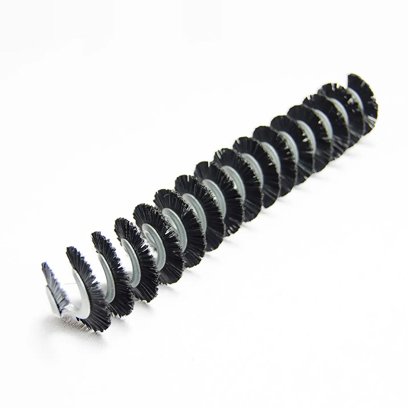
(1) Wire sweeping brush: Wire sweeping brush has the characteristics of high hardness, strong wear resistance and good cleaning effect. It is suitable for cleaning rough surfaces and places with heavy dirt.
(2) Nylon sweeping brush: Nylon sweeping brush has the characteristics of good elasticity, wear resistance and no damage to the ground. It is suitable for cleaning flat surfaces and places with light dirt.
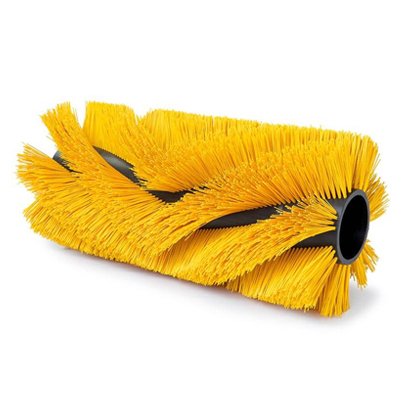
(3) Plastic sweeping brush: Plastic sweeping brush is soft in texture and is suitable for cleaning easily damaged surfaces or near precision instruments.
Classification by shape
(1) Disc brush: Disc brush is suitable for cleaning large areas of ground, such as warehouses, workshops, parking lots, etc.
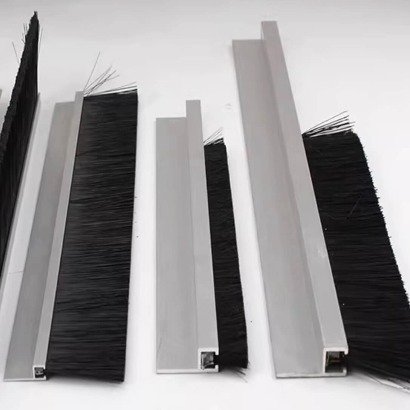
(2) Block brush: Block brush is suitable for cleaning narrow and long spaces, such as passages, corridors, elevators, etc.
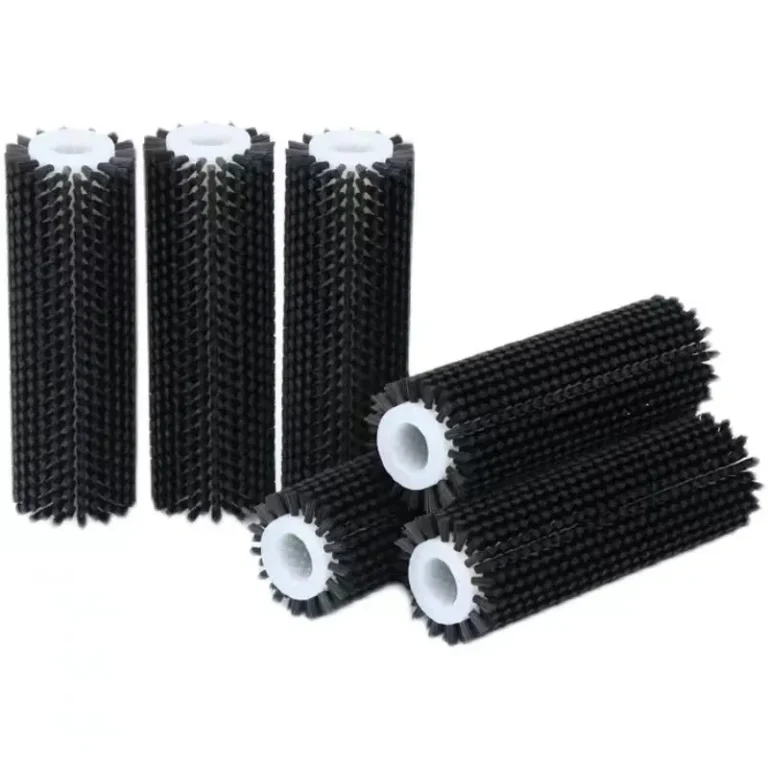
(3) Roller brush: Roller brush is suitable for cleaning curved surfaces or objects with special shapes, such as pipes, tanks, etc.
Analysis of applicable scenarios for industrial sweeping brushes
Applicable scenarios for wire sweeping brushes
(1) Heavy industrial production workshops: such as steel mills, foundries, mines, etc., the ground is dirty, and wire sweeping brushes can effectively clean it.
(2) Ports and docks: During the loading and unloading of goods, the ground is prone to generate a lot of dust and debris, and wire sweeping brushes can quickly clean it.
(3) Large parking lots: Frequent vehicles in and out, the ground is severely worn, and wire sweeping brushes can keep the ground clean.
Applicable scenarios for nylon sweeping brushes
(1) Electronics factories and food factories: The environmental hygiene requirements are high. Nylon sweeping brushes are soft in texture, do not damage the ground, and have good cleaning effects.
(2) Shopping malls and office buildings: There is a large flow of people and the ground is less worn. Nylon sweeping brushes can meet daily cleaning needs.
(3) Hospitals and schools: have requirements for environmental noise. Nylon road sweeping brushes have low noise during cleaning and do not affect normal work.
Applicable scenarios for plastic road sweeping brushes
(1) Laboratories and precision instrument production workshops: have extremely high requirements for environmental hygiene and ground protection. Plastic road sweeping brushes can effectively clean without damaging the ground.
(2) Home and office: clean light dirt. Plastic road sweeping brushes are light and easy to use, suitable for daily cleaning.
Precautions for purchase and use
(1) Choose the appropriate material and shape of industrial road sweeping brushes according to the cleaning environment.
(2) Pay attention to the size of the industrial road sweeping brush to ensure that it matches the cleaning equipment.
(3) Check the wear of the industrial road sweeping brush regularly and replace it in time to ensure the cleaning effect.
(4) During use, avoid contact between the industrial road sweeping brush and high temperature, open flames and other items to avoid damage.
In short, industrial road sweeping brushes have a wide range of applications in the field of industrial cleaning. Understanding the types of industrial road sweeping brushes and their applicable scenarios will help us better purchase and use them, improve cleaning efficiency and reduce maintenance costs.