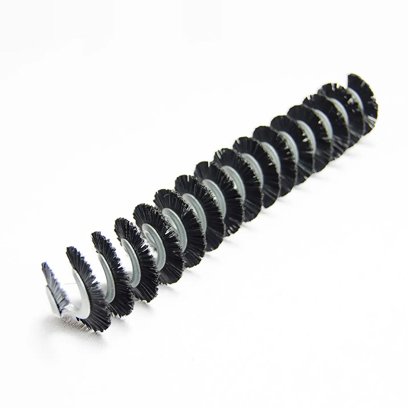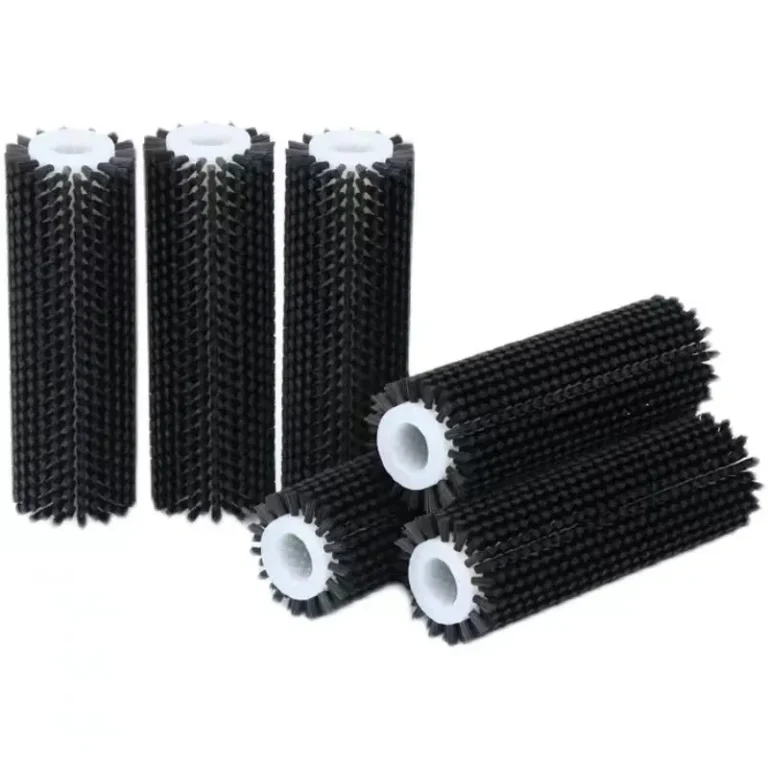
Garage door brush seals are an effective way to protect your industrial door from damage, provide insulation, and reduce energy costs. They are designed to enhance the operation of commercial overhead doors by helping to keep moisture, dirt, and extreme temperature changes from affecting the door’s function. In addition, brush seals can add life to your garage door and reduce the cost of operating your industrial garage door.
H2: Why Industrial Doors Require Proper Sealing
Over time, industrial doors are subjected to many challenges resulting from continued weathering, along with their daily use/abuse in extreme conditions and extreme changes in temperature. With very little or no protection given to the industrial doors, they tend to have more chance of failure, which will result in very high costs associated with repairs.
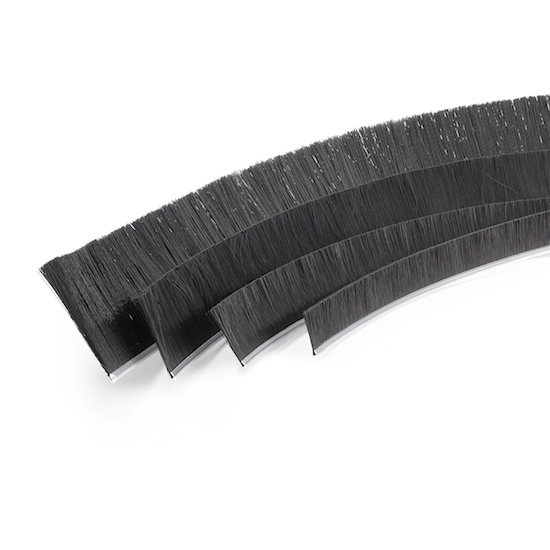
Garage door brush seals are an excellent way to seal your doors and prevent future problems. The brush creates a solid barrier against the outside environment. This allows the door to open and close smoothly every time. Ultimately, buildings with good seals enjoy lower maintenance costs and a longer operational life for their doors.
H2: Understanding Brush Seal Technology
H3: How Brush Seals Function
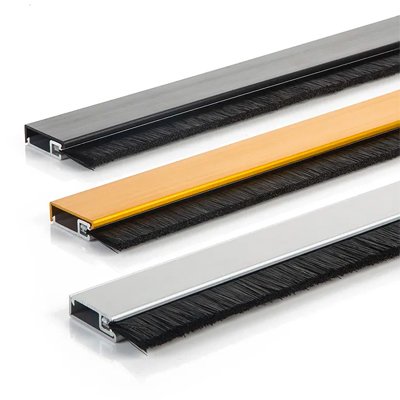
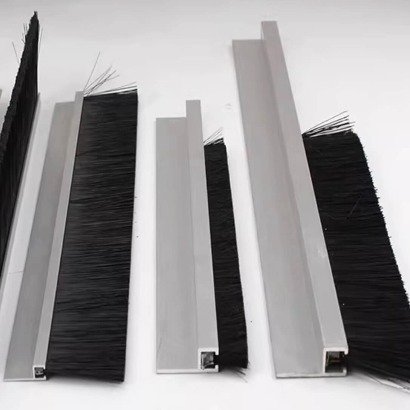
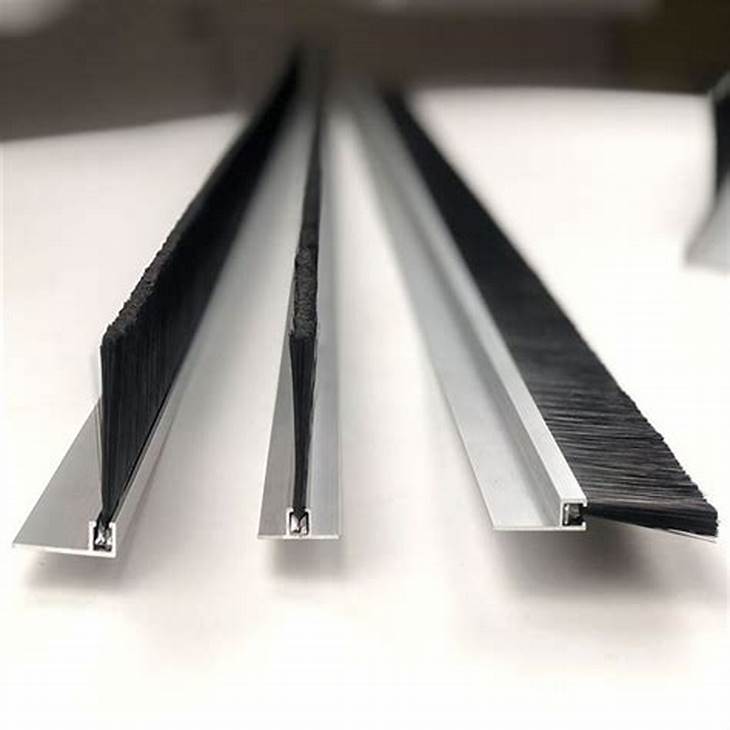
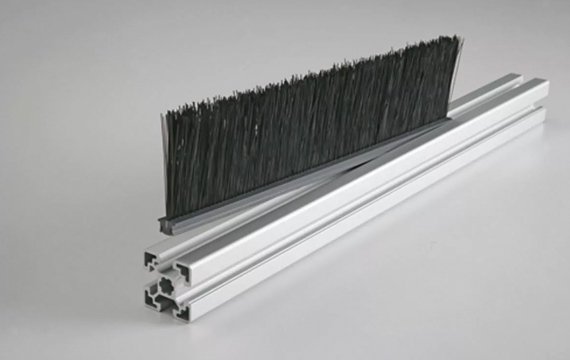
There are many types of brush seals on the market, but they all work in pretty much the same way. The bristles are packed closely together and held in place by a metal or plastic channel. When the door opens or closes, the bristles bend to stay in contact with the door surface. At the same time, they can also adjust to any uneven spots on the door, creating a tight seal without getting in the way of the door’s movement.
The materials used for Industrial Strip Brush for Door Sealing usually include a combination of nylon bristles and stainless-steel channels (or similar materials). This setup allows for different bristle arrangements when installed. That’s why you can find brush seals in various widths, lengths, and hardness levels to fit your specific needs. As a result, brush seals work great in just about any industrial setting.
H3: Material Selection Matters
Different types of bristles are manufactured from different materials, and each is designed to achieve certain results. Nylon is a common type of bristle for industrial applications; it has both chemical and durable properties, which make it the best choice for bristles. A Nylon Bristle Door Brush Seal or brush will compress many times, providing effective sealing for a long time (dependent on the material’s operating temperature).
| Material Type | Operating Temperature | Main Benefits | Typical Use |
| Nylon | -40°F to 250°F | Chemical, Durability | Commercial/Industrial |
| Polypropylene | -20°F to 180°F | Economical, Moisture | Warehouse |
| Stainless Steel | -100°F to 500°F | High Temperature Resistant/Abrasion | Extreme Environments |
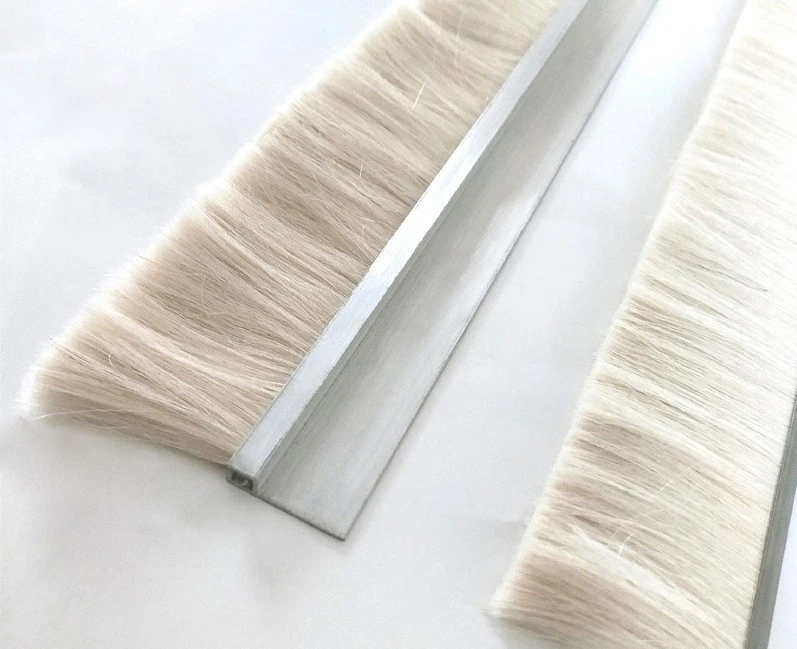
| Natural Fiber | 0°F to 150°F | Eco-Friendly, Moderate | Light Duty Applications |
H3: Protection Against Environmental Damage
Moisture often enters your garage through the door, causing serious issues:
- Metal Damage: Moisture builds up on metal parts and causes rust. This weakens the door and can lead to structural failure.
- Part Failure: Dirt and moisture combine on moving parts. This creates friction and causes the door to fail too soon.
By keeping moisture and dirt out, your door functions normally. Wear and tear on moving parts is minimized, and operational performance is enhanced.
H3: Temperature Control and Energy Efficiency
Temperature changes can put a lot of stress on door materials. Temperatures go up and down. Doors expand and shrink. Over time, this movement wears out adhesive bonds. It can also break those bonds. Adhesive bonds hold door parts together.
A properly sealed door helps keep indoor temperatures more stable. This means fewer extreme temperature swings. Many facilities use Door Brush Strip Nylon Bristle on their sliding doors. These facilities have seen better climate control. They have also achieved significant energy savings.
In addition, Door Brush Strip Nylon Bristle adds an extra thermal barrier. This barrier reduces heat transfer through the door. The brush strip helps heating and cooling systems run more efficiently. As a result, it saves BTUs. This lowers the energy your HVAC system uses for that door. It also cuts operating costs. Finally, it extends the door’s lifespan. It does this by reducing thermal stress on the door’s components.
H3: Reduced Mechanical Wear
When doors are not sealed, wind, temperature changes, and flying debris create mechanical strain that causes door parts to wear out much faster.
Using garage door brush seals helps reduce that strain by spreading mechanical force more evenly across all door components.
Since brush seals are flexible, they move with the door without adding extra resistance to the motor. This reduces motor load, minimizes wear on the motor itself, and helps it run smoothly for much longer. Facilities using a complete brush seal system report far fewer motor replacements and longer intervals between maintenance checks.
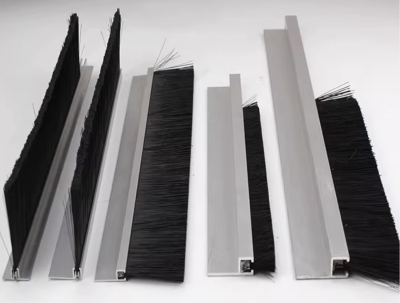
When choosing a sealing solution, consider door type, size, weight, frequency of use, exposure to elements, temperature range, and budget. For example, a brush seal for a roll-up door is designed very differently than one for an overhead door.
To get the most benefit from your new seal, follow these installation best practices:
● Before installation: Clean all mounting surfaces thoroughly and measure door gaps carefully to select the correct bristle length.
● During installation: Fasten mounting channels tightly and securely to eliminate movement.
● After installation: Check that the door operates properly and has sufficient clearance.
● Regularly inspect seals for wear or damage.
H3: Maintenance Requirements
Garage door brush seals require very little maintenance; however, regular maintenance checks will help ensure you get the most out of your product. Check the condition of the bristles every 3 months to see if they are excessively worn, compressed, or damaged. In addition regularly clean any debris from the bristles to maximize their sealing ability.
At the beginning of recognizing a problem with door brush seals is understanding how brush seals operate. Once you understand the operation of a brush seal and determine that the bristles of the brush seal are bent or compressed, these are indications of potential installation errors, varied door movements inserted/corrected. Therefore, it is necessary to correct the issues in order to have longevity on your seals.
H2: Long Term Value Proposition
H3: Cost vs. Benefit
A modern high-quality sealing system will require less maintenance and last longer than inferior quality seals; in general, most facilities will recover time spent to install a high-quality sealing system in approximately 18-24 months through:
● Decreased energy consumption
● Reduced repair frequency
● Extended door component lifespan
● Improved operational efficiency
H3: Performance Monitoring
You can gather valuable data from the amount of energy used, frequency of repairs, and how well your doors work to help determine the value of your Seal System. The data collected here will help with future maintenance decisions. Your company will not only benefit by using the garage door brush seals system because it will improve the immediate protection of your building but it will also help create a safer working environment, which means less production disruption and increased production rates, resulting in a significant savings for your organization.
Conclusion
Investing in complete sealing solutions for your buildings is a smart decision for your building’s infrastructure. Using garage door brush seals on your garage door protects your expensive machinery, decreases your operational costs, and extends the life of your door. Good sealing practices in facilities will result in an increase in production, a decrease in costs typically associated with repair and maintenance, and improved reliability in your operations.
FAQ
Q: How often should I change my industrial door brush seals?
A: A high-quality strip brush usually lasts three to five years. The exact lifespan depends on your maintenance habits. Replacement time also varies based on daily usage, the local environment, and material quality. To know exactly when to replace them, simply inspect your seals regularly for wear and tear.
Q: Can brush seals be retrofitted to existing industrial doors?
A: Yes, you can retrofit brush seals to most standard doors. You just need enough space between the door and the frame. An experienced installer can easily fit your new seal for maximum efficiency. They can do this without altering your existing hardware.
Q: What is the proper bristle length for a standard commercial garage door?
A: Most commercial garage doors need bristles between 2 and 4 inches long. Use longer bristles if you have a larger gap between the door and the wall. Use shorter bristles for smaller gaps. For the exact size recommendation, always contact your brush seal manufacturer.