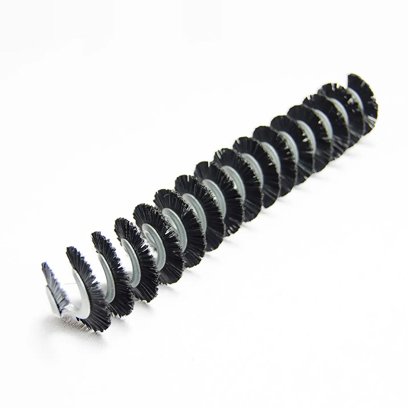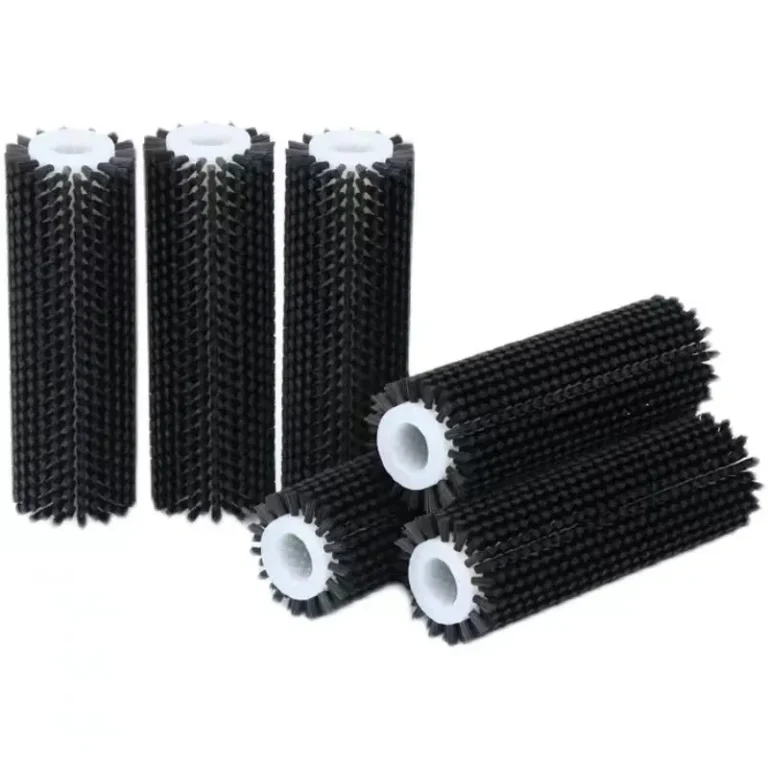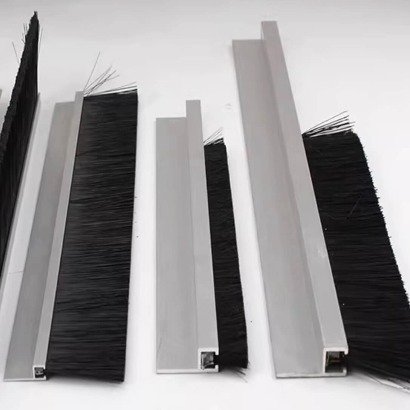
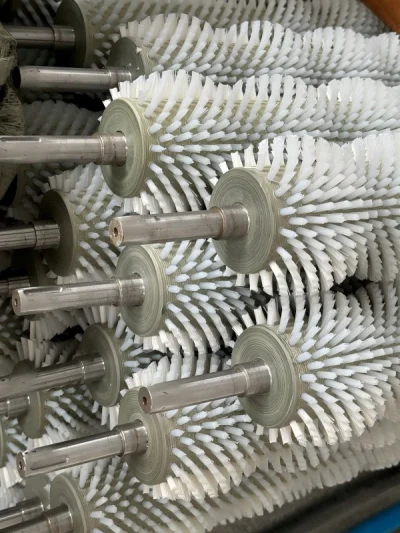
In today’s food processing facilities, there is a direct link between cleanliness and product integrity—impacting compliance, brand image, and overall business efficiency. To maintain high standards when cleaning root vegetables, leafy greens, and soft fruits in large volumes, a high-performance Vegetable Washing Brush is essential. It is designed to remove dirt, pesticide residues, and surface contaminants without causing bruising or damage. When used properly, these brushes deliver consistent results that hand washing alone cannot achieve.
Correctly chosen brush systems fit perfectly with automation lines, supporting high capacity while helping you comply with food safety regulations throughout the vegetable washing process. When paired with a complementary food cleaning brush, you can establish a complete sanitation system for all stages of produce handling at your facility.
H2:The following advantages are associated with industrial brush systems:
Industrial-grade washing brushes provide significant improvements to food processing lines—well above just cleaning.
- More efficient removal of all contaminants: The high-density bristles allow for deep cleaning of hard to reach areas on creviced and textured surfaces.
- Gentler handling of produce: The elastic filaments bend to limit damage to the produce resulting in lower waste and improved yield on produce.
- Consistent performance: All items are brushed with the same amount of pressure applied and the same amount of time.
- Longer service life: The materials used to manufacture the brushes are wear resistant and will provide many years of continuous, heavy-duty use.
- Easy to sanitize: The food-safe materials can withstand high temperatures for washing and sterilizing.
Due to these advantages, the Vegetable Washing Brush is an economical choice for businesses looking to decrease workforce members, decrease rejects, and comply with regulations. Brushes should be selected according to the type of produce being washed.
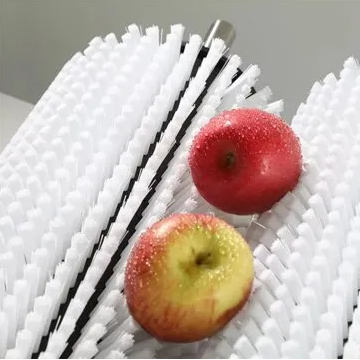
The following table presents an overview of the recommended brush type configurations based on the common type of produce involved.
Table: Recommended Brush Configurations by Produce Type
| Produce Type | Brush Type Recommended | Bristle Type | Primary Benefit |
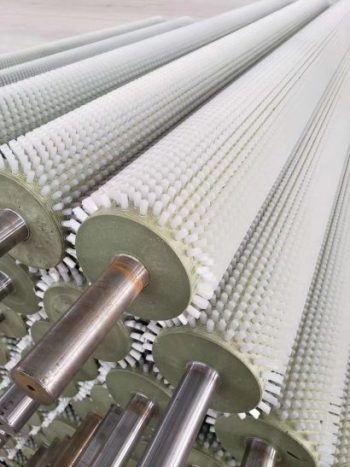
| Potatoes & Carrots | potato peeling brush roller | Stiff nylon wave-pattern | Deep cleaning |
| Apples & Tomatoes | Soft, fine-density nylon wire cylinder brush | Soft fine-density nylon | Gentle cleaning with no scratches |
| Leafy Greens | Flexible brush | Medium-soft polypropylene | Light agitation without tearing |
| Root veggies with packed mud | Heavy duty food cleaning brush | Coarse nylon bristle | Remove packed mud effectively |
The structured selection process in which you will use these brushes gives you the best performance of cleaning while protecting the delicate produce during high volume workloads at the same time.
Maximizing Performance and Service Life
Facility operators can optimize the life and performance of their Vegetable Washing Brush by following these proven industry methods:
1. Use a bristle hardness level appropriate for the sensitivity of the produce being washed, following the guidelines in the “Bristle Hardness” section of this website.
2. Maintain a constant rotation speed to avoid over-brushing or under-brushing.
3. Clean the brushes daily to eliminate trapped material and prevent bacterial growth.
4. Weekly, inspect the filaments of the brushes for wear, fraying, or loss of rigidity.
Brush Storage
Store brushes in a clean and dry environment that has sufficient airing to maintain the integrity of the materials.
If you combine these steps with good quality parts, you will achieve continued reliability for several months of continuous use.
Modern food processing relies on smooth running, automated systems. A Vegetable Washing Brush integrates seamlessly into existing conveyor and washing lines, working alongside water jets and sorting equipment. Meanwhile, the potato peeling brush roller delivers 360-degree contact with root vegetable lines, ensuring complete coverage for thorough cleaning.
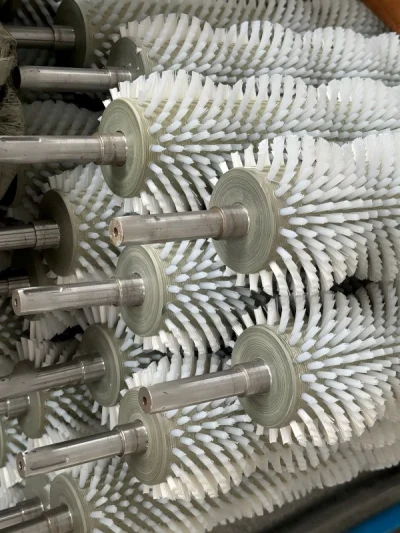
By using customized configurations suited for the type of plant layout for a specific throughput requirement, facilities will maximize efficiency. Reduced downtime, simplified maintenance and improved consistency of production are just a few benefits obtained using customized setups.
FAQ’s For B2B Buyers: Food Processing
Q1: How long does a commercial Vegetable Washing Brush last when used on a daily basis?
A1: Most brushes will last 3-6 months depending on how well taken care of they are and how frequently you check to see if there is any bristle wear on the brush.
Q2: Is it safe to use one brush for multiple types of vegetable cleaning?
A2: To prevent any cross-contamination of produce, use separate brushes for each type of produce to achieve the best cleaning. Consider using dedicated food cleaning brush units for different produce lines.
Q3: Are food cleaning brushes made for direct food contact and are they compliant with U.S. FDA regulations?
A3: Yes, industrial models use FDA-approved nylon and stainless steel safe for food processing environments.
Investing in a quality Vegetable Washing Brush is essential for more than just cleaning your produce—it ensures safe, compliant production as well. When paired with complementary equipment, this tool helps build an effective and reliable food production system. Ultimately, keeping your food clean leads to a more profitable business.