Using a Conveyor Brush helps minimize belt carryback; the correct combination of belt speed, type of material, and installation location produces effective results with respect to your specific handling system. Although the initial amount of carryback may seem insignificant, carryback over time creates costs to clean up, hazards in the workplace, and wear on handling equipment. A properly designed brush handling solution will assist in keeping the belt cleaner, reduce spillage, and support stable ongoing operations.
Many businesses that use conveyor belts view contamination of the belt as more than just a cleanliness problem. Contamination has the potential to impact not only the belt itself, but also how materials on the belt are transferred to and from the belt. This is why most operators will use a conveyor brush in conjunction with their other cleaning systems when dealing with fine powders, sticky residues, or mixed debris. When used in the proper manner, conveyor brushes can serve as an effective first line of defense against carryback.
What causes carryback on a conveyor system?
Carryback is the result of material (that has been discharged from a conveyor) remaining on and being carried back along the return run of the conveyor belt. This phenomenon usually has predictable causes:
- Particle adhesion – Moisture may cause some particles to adhere (to the belt) during discharge.
- Fine material works into belt textures or seams
- Sticky or oily products resist normal discharge
- Poor belt alignment leaves residues behind
- Worn cleaning systems fail to remove fines fully
In several factories, the issue develops slowly. At first, only a light mark is left by the conveyor belt. But as time progresses, the material that is built up becomes trapped in many different locations around the pulley, idler, and the floor of the plant. A Conveyor Cleaning Brush can help reduce this rate of spread by removing loose material prior to it spreading even further.
Why a conveyor brush can help
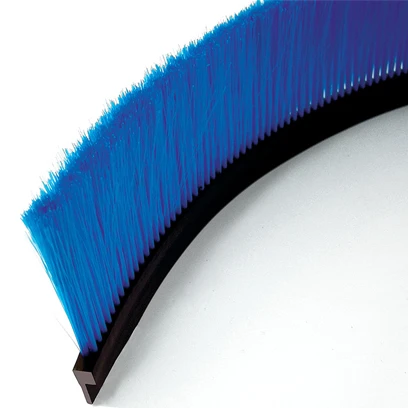
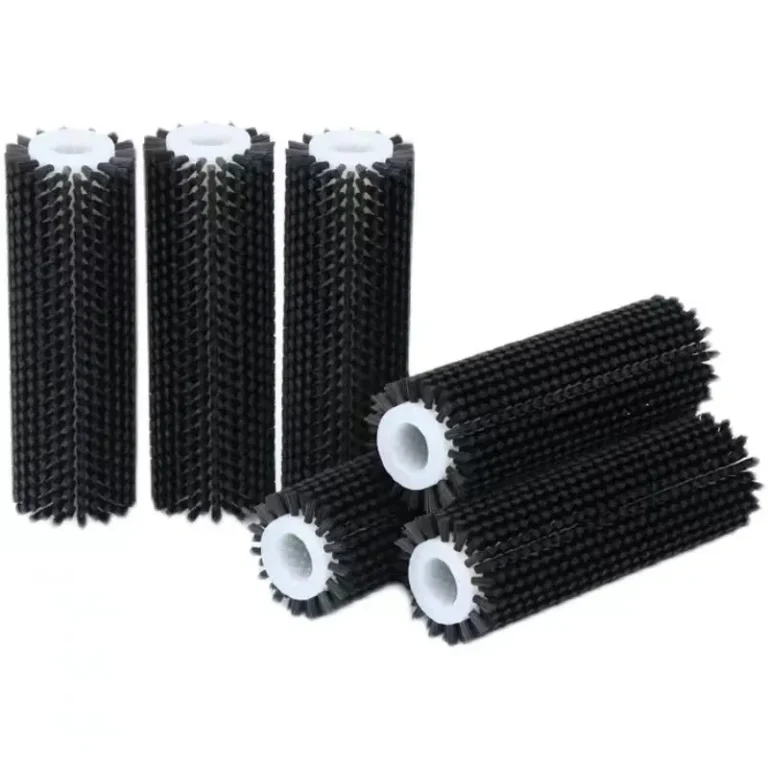
The way a Conveyor Brush operates is by contacting the belt surface, and then sweeping off any residual material that may still be present following discharge. The addition of a brush may improve the flexibility of your cleaning action over scraping alone, especially if your belt surface has grooves, texturing or slight irregularities.
When your main goal is to remove light residue and avoid excessive wear on your conveyor belt, a belt brush is very useful. Data from actual operations suggest that brushing works well in many applications with continuous cleaning difficulties that are not extreme. In these cases, using a Conveyor Brush may help you minimize accumulation at transfer locations and increase overall cleanliness of your conveyor belt.
Key Benefits
- Eliminates small carryback before returning to the cleaning side
- Reduces amount of physically cleaning up manually and lowers labor expenses for this
- Produces places for food items, packaging materials, and bulk storage to have better sanitation.
- Can be integrated within a layered cleaning solution.
- Can increase life of rollers and other parts
The Best Uses for Conveyor Brushes
A Conveyor Brush is not going to be a “one size fits all” alternative for a cleaner, rather it will give you the best results in specific applications where you need controlled, consistent contact with an item versus aggressive scraping.
Typical application areas:
- Bulk material handling
- Food processing lines
- Packaging conveyors
- Logistics sorting systems
- Light industrial transfer belts
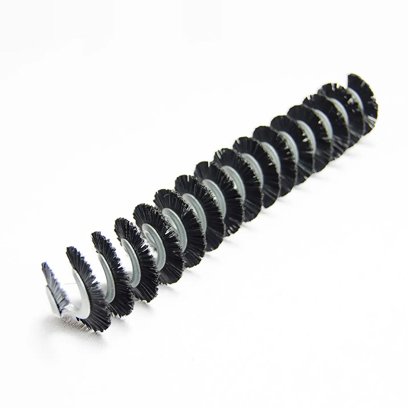
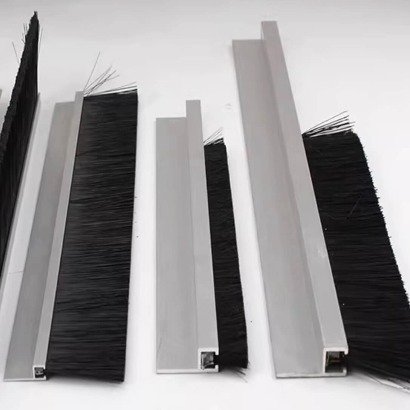
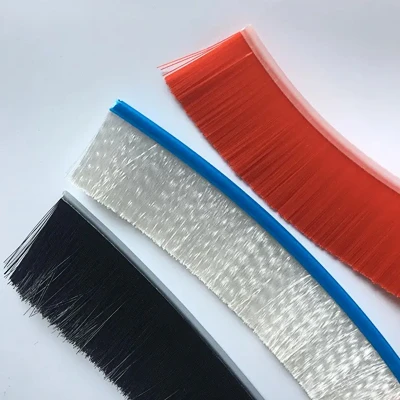
For customizing conveyor systems, flexible strip brush designs are an effective option when using rigid cleaning tools isn’t ideal due to belt shape, belt edge or belt surface differences. The design of the brush allows for better contact, ease of adaption to the shape of the cleaning area (e.g., curves or other irregulars) and thus more effective cleaning. For curved profiles specifically, a curved strip brush provides even greater conformability.
| Cleaning Type | Best Application | Advantages | Considerations |
|---|---|---|---|
| Conveyor Brush | Light to moderate carryback | Provides gentle and continuous cleaning | Requires sufficient amount of contact pressure |
| Belt Brush | Smooth surface areas of a belt | Less wear leaving more time between maintenance | Not as effective on heavier buildups of material |
| Flexible Strip Brush | Irregular or curved surfaces, angled placements | Conforms to uneven shapes; more effective than stiff brush if designed properly | Requires proper mounting alignment |
| Mechanical Scraper | Heavy accumulated materials | Removes large volumes | Heavy-duty installation; can increase belt wear significantly |
Characteristics That Determine an Effective Conveyor Brush System
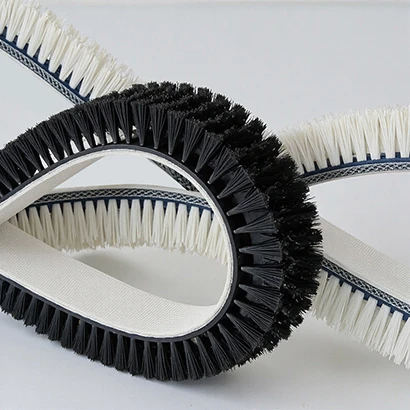
The effectiveness of a conveyor brush system is based on many characteristics. Four of these characteristics are of particular importance:
(1) Brush Material
(2) Brush Diameter
(3) Brush Stiffness
(4) Brush Mounting
Using a too soft brush may result in missed residue. Conversely, if the brush uses too stiff of a material, it may result in excessive wear of the belt.
Important selection factors:
- Belt speed
- Material type and moisture level
- Contact pressure
- Brush filament material
- Mounting angle
- Cleaning location after discharge
Consequently, numerous operators look over possible brush materials before deciding which cleaning solution to use. One of those reasons is to ensure that the article on best belt brush materials is useful in assessing long-term longevity/maintenance ratio.
Conveyor Brush versus Other Cleaning Methods
Generally speaking, using a conveyor brush in conjunction with a cleaning system is the best way to remove carryback from belts. In many cases, a primary scraper will help remove the larger particles and the brush will help remove the smaller ones, creating a cleaner return belt than if one was used alone.
In operations where the surface of a conveyor belt is too fragile for aggressive scrubbing, using a conveyor cleaning brush can really help. Cleaning with brushes is often seen as a more balanced method in terms of extending the lifespan of the belt, reducing noise and lessening damage from the overhead/direct methods of cleaning.
Ways to See if the Conveyor Brush Is Working
If the system is set up correctly, you’ll usually see results almost immediately. Common signs will be:
- less material on the return side of the belt
- less buildup around the pulleys
- cleaner floors below the conveyor
- fewer shutdowns for cleanup
- more consistent belt tracking and operation
The most common causes of carryback after installation are inadequate location, insufficient contact pressure, or using the wrong filament type. It is through matching a Conveyor Brush to actual working conditions that will give you a successful experience.
Summary
A brush used as part of an industrial for conveyor belt system can help minimize material carryback, especially in applications where the conveyed materials are fine, sticky, or create moderate contamination levels. When combined with other cleaning devices and selected carefully, it can deliver better cleaning performance, protect the belt, and improve maintenance efficiency in most installations. For operations that need a cleaner return side without excessive belt wear, a conveyor brush is a highly effective and dependable choice.
Frequently Asked Questions
1. Is it possible for a conveyor brush to completely replace the need for a scraper?
Typically, no. For optimal performance when using a conveyor brush with a scraper, it is recommended that a conveyor brush be used in conjunction with a scraper to provide superior performance when the conveyor is used for heavier or sticky products.
2. What is the typical inspection frequency for conveyor brushes?
The general recommendation for most industrial operations is to perform inspections of conveyor brushes every week. Weekly inspections allow for an evaluation of wear, pressure, and build-up to maintain stable cleaning results.
3. Which brush type is best for custom conveyor layouts?
A flexible strip brush often fits better in irregular or curved areas, especially when standard rigid cleaning parts do not align well.