A belt cleaning brush is something that wears out. Over time, its filaments wear down, lose stiffness, and no longer make proper contact with the belt surface. The real problem, though, is that many facilities keep running those worn brushes far longer than they should—which just lets carryback creep up, damages rollers, and adds more maintenance costs that could have been avoided. A brush replacement always costs more than the brush itself. This feature will help users identify five sure signs to change their current brush and tips on how to extend the brush life in between replacements.
Why Timely Replacement Matters
A worn belt cleaning brush starts a domino effect of problems. Carryback material builds up on return rollers, causes belt mistracking, and speeds wear on other parts.
In industries like mining and food processing, that can mean anything from regulatory fines to contaminated product. Reviewing the common uses of conveyor brush systems shows how different sectors rely on brushes for daily operations—and why performance gaps hit hard. Buying a new brush when it is worn out is not an expense; it is a cost-saving strategy that maintains smooth conveyor operations.
5 Signs It Is Time to Replace Your Belt Cleaner Brush
Sign 1: Filaments Look Clearly Worn or Short
This is the most visible sign. If the trim length of the brush filaments is reduced by over 30–50%, they will not reach the surface of the belt with enough pressure to remove material efficiently.
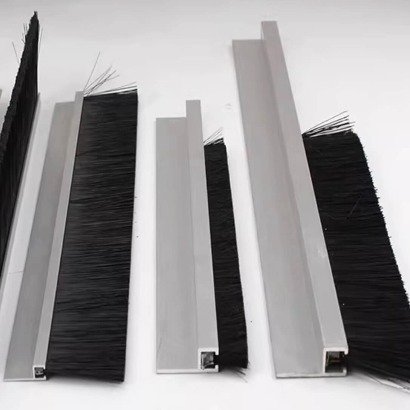
Filament length measurement should be done by operators during routine inspections and compared with the original specification. A quality conveyor brush strip normally comes with a specified trim length, making it easy to estimate the remaining life just by looking at it.
Sign 2: Increase in Carryback on the Return Side
When stuff starts to build up under the conveyor or on the return rollers, the brush has likely reached the end of its useful life. This sign usually shows up before the filaments look totally worn, especially when dealing with sticky or fine materials.
If there is an increase in carryback, operators should check the pressure and alignment of brush contact. If both are correct and carryback continues, the brush has likely reached the end of its lifespan. Understanding how a conveyor brush reduces belt carryback can provide better context on how these components control material buildup.
Sign 3: Unusual Noise or Vibration Near the Brush
A good brush runs silently against the belt. Thumping, scraping, or rattling sounds are often heard by operators when filaments wear unevenly or the brush body develops flat spots.
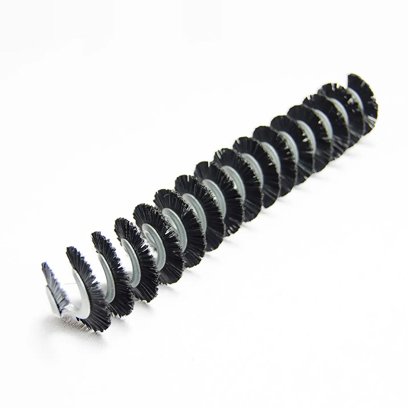
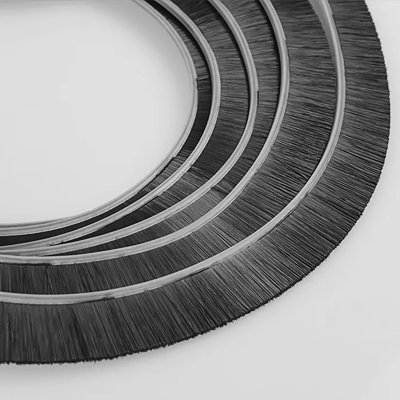
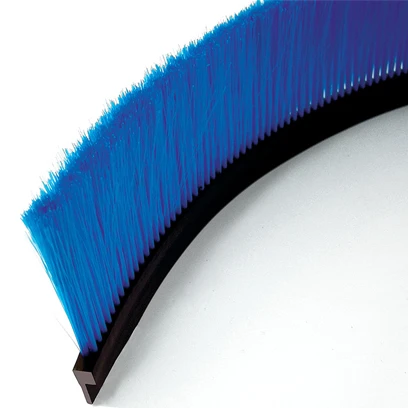
Vibration near the mounting point of the brush is another red flag. In some cases, these symptoms point to mounting issues rather than a worn brush. However, if the brush has been in service for several months, the worn filaments are the most probable root cause—especially on a curved strip brush, where faster, irregular wear can develop along the curved profile.
Sign 4: Uneven Cleaning Across the Belt Width
A properly functioning brush cleans the entire width of the belt uniformly. If it leaves one part of the belt dirty while another is clean, the brush has developed uneven wear. This typically happens when:
- The conveyor loads material off-center.
- The brush mounting angle shifts over time.
- Certain filament sections contact more abrasive material than others.
Irregular cleaning reduces sorting accuracy in recycling lines and creates hygiene risks on food processing belts. Replacing the brush restores full-width coverage immediately.
Sign 5: Filaments Are Missing or Falling Out
Severe brush wear manifests as missing filaments. When the backing channel or body of the brush starts losing tufts, cleaning performance falls sharply, and loose filaments can make their way into the product stream or downstream equipment.
At this point, replacement is urgent. Running a brush with missing filaments risks damage to the conveyor belt surface, leading to much larger maintenance problems.
Quick Reference for Wear Indicators
| Warning Sign | What to Inspect | Urgency Level |
| Shortened filaments by 30–50% | Compare with original trim length | Moderate — plan replacement |
| Increased carryback on return side | Test contact and alignment of brushes first | Moderate to high |
| Noise or vibration | Mounting hardware and filament evenness | Moderate |
| Uneven cleaning across belt width | Load centering and brush angle | High |
| Missing or falling filaments | Integrity of brush body and backing | Urgent — replace immediately |
Ways to Prolong the Life of Brushes Before Replacement
All brushes eventually wear out, but proactive maintenance slows the process and reduces replacement costs. Experienced operators generally follow these steps:
- Inspect brushes at least once a month during scheduled downtime.
- Adjust the position of the brush as the filaments wear to maintain consistent contact with the belt.
- Match the filament material to the application; choosing the wrong stiffness significantly reduces the life of the brush.
- When applicable to the design, rotate or flip reversible brush assemblies.
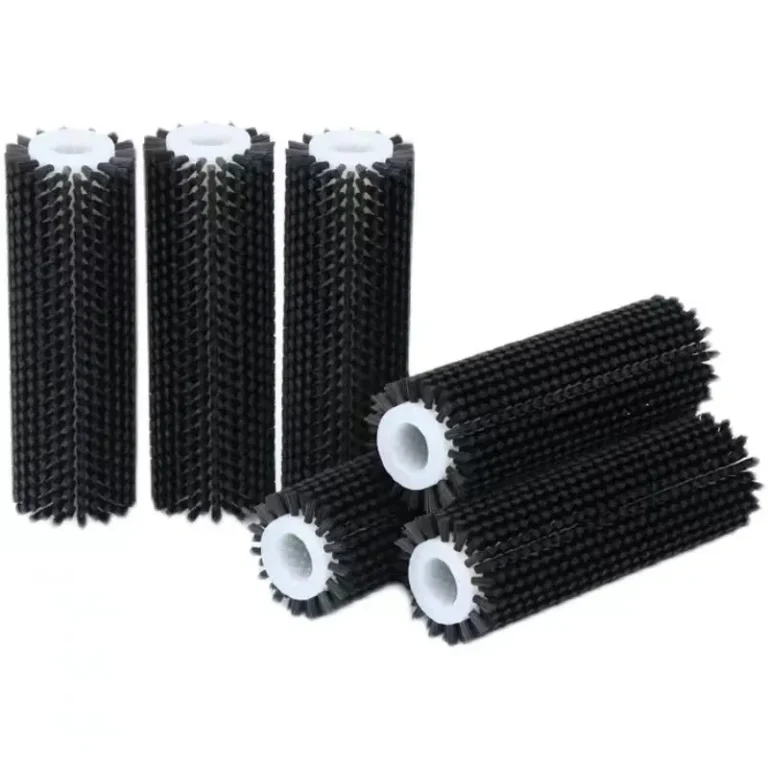
Choosing the right filament from the beginning is a very big deal. A review of optimal belt brush materials will aid the operators in matching the type of filament with particular working conditions. Another option for the sites with heavy-duty delivery systems would be to consider an industrial brush for the delivery setup, which is designed for higher wear resistance. This will also be ideal for facilities where heavy-duty delivery systems are used. When placing an order for replacements, it would be best to specify the right belt brush configuration, trim length, filament diameter, and channel size so that the new part can work without needing further adjustments from the very first day of installation.
Frequently Asked Questions
How often should a facility inspect its belt cleaning brush?
Most operations should inspect brushes monthly. However, in high-abrasion environments such as mining or heavy aggregate handling, bi-weekly inspections help catch wear in its early stages.
Can a worn brush cause permanent damage to the conveyor belt?
Yes. If filaments are missing and the backing channels are exposed, they can scratch or gouge the surface of the belt. Timely replacement prevents this damage and extends the service life of the entire conveyor system.
Is a curved strip brush more difficult to replace than a flat one?
Generally, no. Most designs for a curved strip brush use standard channel mounts. It is important to verify that the mounting dimensions and curve radius match when ordering a replacement unit.