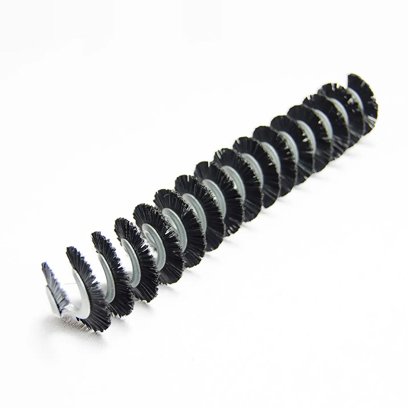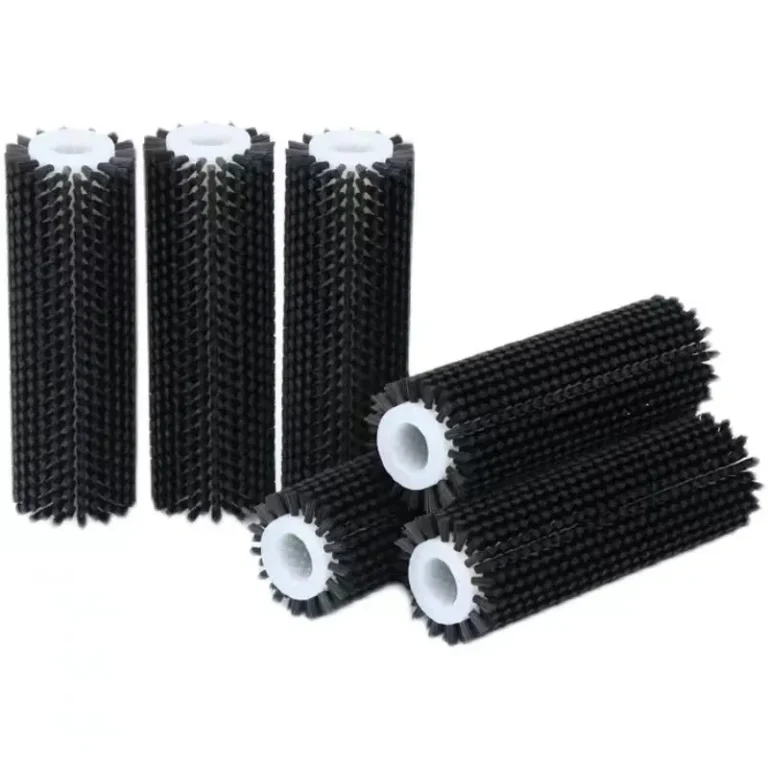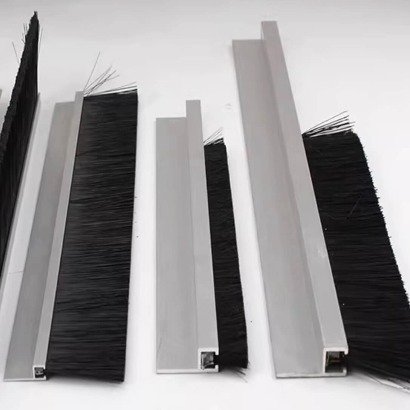
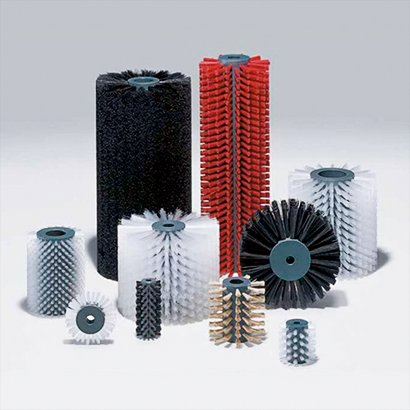
The selection of material for a professional cleaning tool is a critical decision that directly impacts operational ROI. Utilizing a high-quality nylon cleaning brush significantly enhances efficiency because a well-engineered tool allows for precise, aggressive cleaning without premature failure. A nylon filament with a complete molecular structure provides the necessary tensile strength to withstand wear caused by constant surface friction, chemical contact, and water exposure. Understanding the technical distinctions between various nylon types allows procurement managers to maximize equipment utility and significantly reduce long-term maintenance costs.
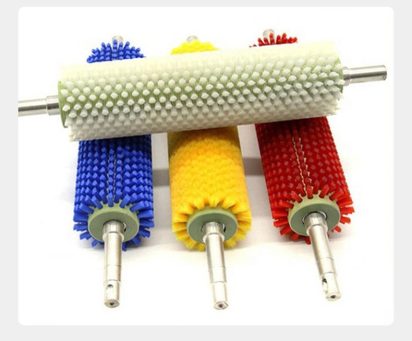
How Nylon is Used in Industry for Cleaning
Nylon, specifically synthetic polyamide, is the most popular fiber in modern manufacturing due to its high wear resistance and exceptional “restorability” or bend recovery. However, the term “Nylon” is a broad category encompassing various grades with distinct physical properties.
Whether an application requires a heavy-duty, abrasive nylon wire brush for industrial deburring or a specialized fruit and vegetable brush for food processing, the final performance depends entirely on the grade of nylon selected. The choice between PA6, PA66, PA610, or PA612 determines how a brush performs under environmental stressors like high humidity or extreme heat. Selecting the correct grade is necessary to fully realize the industrial nylon cleaning brush benefits in high-output production lines.
PA6 and PA66: The Basis for General Purpose Brushes
The two most common grades utilized for industrial brushes today are PA6 and PA66. These materials offer an excellent balance of strength and flexibility, making them suitable for dry-cleaning applications where cost-efficiency is prioritized over specialized resistance.
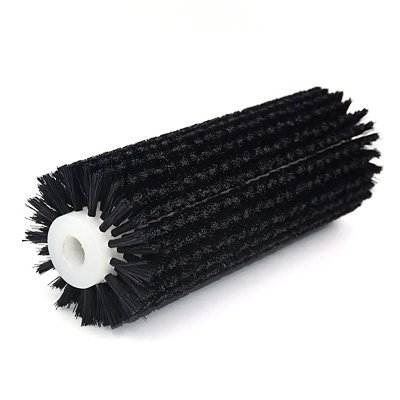
PA6 (Nylon 6) Characteristics
Because of its excellent processing characteristics and high impact strength, PA6 is a popular choice for manufacturing a nylon cleaning brush with a softer feel and better filament flowability. PA6 has a melting point between 215°C and 225°C, performing well in moderate temperature ranges.
However, technical data reveals that PA6 has a higher water absorption capacity than other polyamides due to its molecular structure. It reaches full moisture saturation at 8.5% of its dry weight. This absorption causes a noticeable softening effect; bristles made from PA6 lose their stiffness and struggle to return to their original position after being bent in high-humidity environments.
PA66 (Nylon 66) High Hardness and Heat Resistance
PA66 provides superior hardness and mechanical stiffness compared to PA6. With a melting range of 230°C to 250°C, PA66 is used extensively in high-speed nylon roller brush configurations where excessive heat is generated by surface friction. It exhibits the best heat resistance among standard nylons and offers superior recovery abilities. While the upfront cost is higher than PA6, the durability and deformation resistance under extreme industrial loads usually offset the extra investment for B2B consumers.
Specialized Grades: The Long Chain Polyamides (PA610 and PA612)
Long-chain polyamides fill the performance gap where standard “6 Series” nylons fail, particularly in environments with continual moisture or where extreme precision is mandatory.
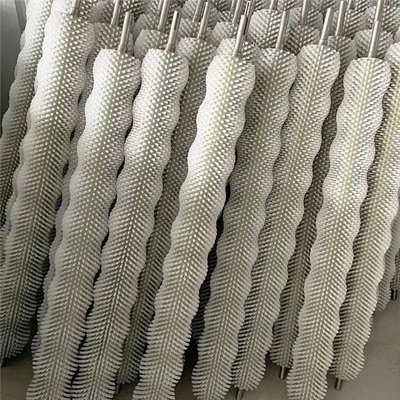
PA610 Resilience and Sustainability
PA610 (Polysebacamethylenediamine) is partially derived from renewable resources, such as sebacic acid, making it an appealing option for manufacturers committed to sustainable processes. In terms of moisture absorption, PA610 absorbs significantly less water than PA66, measured at only around 1.4%. This stability is a vital factor when deciding between nylon or polypropylene brushes. While nylon offers superior chemical resistance, PA610 provides the moisture stability necessary to keep bristles from losing their stiffness when wet.
PA612: The Optimal Material for Resiliency
PA612 is an upscale, high-performance filament that exhibits superior bend resiliency and abrasion resistance compared to PA6, PA66, or PA610. It features the lowest moisture absorption, reaching equilibrium at only 0.6%.
It is important to note that, according to technical specifications, PA612 has a marginally lower melting temperature (205-215°C) and lower heat tolerance than the other three nylons. However, its toughness allows it to endure millions of cleaning cycles while remaining intact. This makes PA612 the ideal filament for a high-performance nylon roller brush used in sensitive electronics or pharmaceutical manufacturing where minimizing moisture pickup is critical.
Technical Comparison of Nylon Filaments
To assist with material selection, the table below summarizes the physical properties of the most common nylon grades based on industrial testing and material data:
| Material Grade | Density (g/cm³) | Melting Point (°C) | Water Absorption(%) | Performance Advantage |
| PA6 | 1.13 | 215 – 225 | 8.5 (Sat.) | Softness and high impact strength |
| PA66 | 1.14 | 230 – 250 | 2.5 | Highest heat resistance and hardness |
| PA610 | 1.06 – 1.09 | 210 – 220 | 1.4 | Excellent moisture stability |
| PA612 | 1.04 – 1.08 | 205 – 215 | 0.6 | Best springback and wear resistance |
Selecting the Material by Application Type
Filament selection must correspond to the specific environmental stresses expected during use. Premature failure often occurs when there is a disconnect between the filament material and its operating environment.
- Dry Industrial Cleaning: In warehouse environments, PA6 or PA66 brushes are preferable for removing dust and debris from large areas due to their low cost per hour of use.
- Food and Produce Processing: When designing a fruit and vegetable brush, PA610 or PA612 should be chosen due to their moisture resistance, which prevents bristles from becoming limp. Selecting the bristle hardness for vegetable brush is essential to ensure thorough cleaning without damaging the organic skin of the produce.
- Metal Finishing: Deburring applications using a nylon wire brush usually involve abrasive grits. A strong nylon carrier (typically PA6 or PA66) is required to hold the abrasive material and resist breakage at high centrifugal forces, especially when taking advantage of the high melting point of PA66.
Why Bend Recovery Matters
Bend recovery, or “memory,” affects how long a nylon roller brush will last in a production environment. At high RPMs, bristles compress as they rotate against a work surface. If a material has poor bend recovery, the bristles eventually deform and “take a set,” rendering the brush ineffective. Technical data shows that PA612 retains its original shape significantly longer than PA6. For B2B operations, this results in fewer replacements and reduced machine downtime. While PA66 provides the best heat resistance, PA612 provides the best resistance to wear during high-repetition cycles.
Conclusion
Selecting the right filament for a nylon cleaning brush requires a balance between budget constraints and performance requirements. PA6 and PA66 are excellent for general-purpose and high-heat applications. However, PA610 and PA612 are required for precision cleaning in damp or high-moisture environments due to their dimensional stability. By distinguishing between these various filaments—such as identifying which has the best recovery (PA612) versus the highest thermal tolerance (PA66)—industrial users can extend the life of their equipment and improve overall cleaning outcomes.
FAQ
Q1: Which nylon material is better suited to cleaning high-speed conveyor systems in wet conditions?
A: For wet, high-speed conveyors, PA612 is the best filament. Its 0.6% moisture absorption allows it to maintain stiffness and recover its shape after repeated exposure.
Q2: How does the heat generated from surface friction affect the choice between PA6 or PA66?
A: PA66 is the standard for high-speed friction applications or environments exceeding 200°C. Its 250°C melting point enables bristles to maintain integrity under extreme scrubbing pressure.
Q3: Is PA6 a viable option for washing fruits and vegetables to reduce equipment costs?
A: No. PA6 has a high water absorption potential (8.5%), causing bristles to soften and wear out rapidly. PA610 or PA612 is required for satisfactory stiffness.